
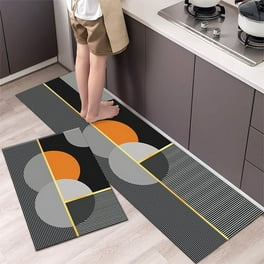
Have you ever wondered if your kitchen mats can be washed without losing their grip or comfort? If you spend a lot of time cooking or cleaning, your kitchen mats take a beating every day.
Keeping them clean is not just about looks—it’s about hygiene and safety too. But how do you clean them properly? Can washing ruin their texture or cause them to slip? Keep reading, because we’re about to uncover everything you need to know to keep your kitchen mats fresh, safe, and long-lasting.
Types Of Kitchen Mats
Kitchen mats come in various materials and designs. Each type offers unique benefits and cleaning needs. Knowing these types helps in choosing the right mat and washing method.
Rubber Mats
Rubber mats are durable and water-resistant. They provide strong grip and prevent slipping. Cleaning is simple with soap and water. Rubber mats dry quickly and resist stains well.
Foam Mats
Foam mats are soft and comfortable to stand on. They reduce fatigue during long cooking sessions. These mats absorb water easily and may need gentle washing. Avoid harsh scrubbing to keep foam intact.
Fabric Mats
Fabric mats add style and softness to the kitchen floor. They often come with anti-slip backings. Washing fabric mats usually requires machine wash or hand wash. Air drying prevents shrinking and damage.
Gel Mats
Gel mats provide extra cushioning and support. They are designed to reduce stress on feet and joints. Cleaning gel mats requires mild detergent and wiping. Avoid soaking to protect the gel layer inside.
Benefits Of Cleaning Kitchen Mats
Cleaning kitchen mats brings many benefits for your home and health. A clean mat keeps the kitchen safe and fresh. It also helps your mats last longer. Regular washing removes dirt, stains, and germs. This small task improves your kitchen environment a lot.
Hygiene And Safety
Kitchen mats collect food crumbs and spills every day. These can attract bacteria and pests. Washing mats stops germs from spreading. Clean mats reduce the chance of slips and falls. They provide a safer surface to stand on while cooking.
Maintaining Appearance
Dirt and stains make mats look old and worn out. Cleaning restores their bright colors and fresh look. A neat kitchen mat improves the whole kitchen’s appearance. It shows care and attention to your home space.
Extending Lifespan
Regular cleaning removes abrasive dirt that wears out mats. This prevents damage to fibers and backing. Well-maintained mats stay soft and supportive longer. Washing helps you save money by avoiding early replacements.
General Washing Guidelines
Kitchen mats can get dirty quickly due to spills and heavy foot traffic. Proper washing helps keep them clean and fresh. Following general washing guidelines protects your mats and ensures they last longer. These simple steps help you clean mats safely and effectively.
Checking Manufacturer Instructions
Always read the manufacturer’s label before washing kitchen mats. It tells you if the mat is machine washable or needs hand cleaning. Some mats have special materials that require gentle care. Ignoring these instructions can damage the mat or reduce its lifespan.
Pre-cleaning Steps
Remove loose dirt and crumbs by shaking or vacuuming the mat. Spot clean any stains with a damp cloth before washing. This helps avoid spreading dirt during cleaning. Make sure to check for any stuck debris that could damage your washing machine or hand wash process.
Choosing Cleaning Products
Select mild detergents or gentle soaps for washing kitchen mats. Harsh chemicals or bleach can ruin the fabric or color. Avoid using fabric softeners as they may leave residues. Test a small area first to ensure the product does not cause damage or discoloration.

Credit: www.amazon.com
Cleaning Rubber And Foam Mats
Cleaning rubber and foam kitchen mats keeps them looking fresh and hygienic. These mats often catch spills and crumbs, so regular cleaning is vital. Both rubber and foam mats can be washed by hand or in a machine, depending on their material and care instructions. Understanding the right cleaning methods ensures your mats last longer.
Hand Washing Techniques
For rubber and foam mats, hand washing can be effective. Begin by shaking off any loose debris. Fill a bucket with warm water and mild dish soap. Dip a soft brush or cloth into the soapy water. Gently scrub the mat's surface in circular motions. Focus on stained areas for better results.
After scrubbing, rinse the mat with clean water. Ensure no soap residue remains. Hang the mat over a railing or shower rod to drip dry. Avoid direct sunlight as it can cause fading or damage.
Machine Washing Tips
Some rubber and foam mats are machine washable. Check the care label first. Use a gentle cycle with cold water. Add a small amount of mild detergent. Avoid using bleach or harsh chemicals.
Place the mat in the washing machine without overloading it. This prevents damage to both the mat and machine. After washing, remove the mat promptly to prevent wrinkles.
Drying Methods
Proper drying ensures mats maintain their shape and integrity. For rubber mats, air drying is best. Lay them flat on a clean surface. Foam mats can also be air dried or placed on a drying rack.
Ensure the mats are fully dry before placing them back in the kitchen. This prevents mold and mildew growth. Avoid using a dryer as the heat can warp or damage the mats.
Cleaning Fabric And Gel Mats
Cleaning fabric and gel kitchen mats keeps them fresh and extends their life. Both types collect dirt, spills, and stains over time. Regular care prevents buildup and maintains their look and function. Different materials need different cleaning methods to avoid damage. Follow simple steps to keep your mats clean without trouble.
Spot Cleaning
Spot cleaning works well for small stains and spills. Use a damp cloth or sponge with mild soap. Gently rub the stained area without soaking the mat. For gel mats, avoid harsh scrubbing to protect the surface. Blot the area with a dry towel to remove excess moisture. Repeat if necessary until the stain fades.
Deep Cleaning Options
Deep cleaning removes dirt trapped inside the mat fibers or gel. Fabric mats can often be machine washed on a gentle cycle. Use cold water and mild detergent. Air dry to keep the mat's shape. Gel mats should be hand washed with warm soapy water. Rinse thoroughly and wipe dry with a soft cloth. Avoid soaking gel mats for too long to prevent damage.
Avoiding Damage
Avoid using bleach or strong chemicals on both mats. These can weaken fabric fibers and ruin gel texture. Do not use abrasive brushes on gel mats to prevent scratches. Avoid high heat drying to prevent shrinking or warping. Store mats flat or rolled to keep their shape intact. Follow manufacturer instructions for best results.

Credit: www.walmart.com
Stain Removal Tips
Dealing with stains on kitchen mats can feel frustrating, but you don’t have to toss them out just yet. Knowing how to tackle different types of stains quickly can save your mats and keep your kitchen looking fresh. Let’s dive into some practical stain removal tips that work well for various messes.
Common Stain Types
Kitchen mats often face stains like grease, coffee, and food spills. Grease stains come from cooking oils and butter, which can be stubborn. Coffee and tea leave dark marks, while tomato sauce and wine can add bright, tricky spots.
Have you noticed how some stains soak deeper depending on the mat’s material? Recognizing the type of stain helps you pick the right cleaner and method.
Effective Stain Removers
For grease stains, dish soap is a great first choice. Apply a small amount directly to the stain, let it sit for a few minutes, then scrub gently with a soft brush. Baking soda sprinkled over the stain can also absorb oils before washing.
Dark stains like coffee respond well to a mixture of vinegar and water. Dab the solution on the stain and blot with a clean cloth to lift the color. For stubborn food stains, a paste made from baking soda and water works wonders when left on the stain for 15 minutes before rinsing.
Preventing Future Stains
Think about placing your kitchen mat slightly away from heavy splash zones like the stove or sink. This simple move reduces direct spills and stains. Wiping up spills immediately can also stop stains from setting in.
Would using a protective spray on your mats help? Some water-repellent sprays create a barrier, making future stains easier to clean.
Frequency Of Cleaning
Keeping your kitchen mats clean is essential not just for hygiene but also for maintaining their look and durability. How often you clean them depends on your kitchen’s traffic and usage. Let’s break down the best cleaning frequency to keep your mats fresh and safe.
Daily Maintenance
Start with a quick daily clean to prevent dirt and crumbs from building up. Use a handheld vacuum or shake the mat outside to remove loose debris. This simple step stops grime from embedding into the fibers and keeps your mat looking neat.
Weekly Deep Cleaning
Once a week, give your kitchen mat a thorough wash based on its material. Many mats can be machine washed or hand washed with mild soap and water. Deep cleaning not only removes stains but also kills bacteria that daily cleaning can miss.
Signs It’s Time To Clean
Not sure when your mat needs attention? Look out for visible stains, unpleasant odors, or a sticky feel underfoot. If you notice these, it’s a clear signal that your mat needs a wash, regardless of your usual schedule.
Alternative Cleaning Methods
Keeping your kitchen mat clean doesn’t always mean tossing it into the washing machine. Alternative cleaning methods can save you time and extend the life of your mat. These options often use gentle techniques and natural ingredients, making them perfect for delicate materials or busy schedules.
Using Natural Cleaners
Natural cleaners like vinegar, baking soda, and lemon juice are excellent for refreshing your kitchen mat. Sprinkle baking soda over the mat, let it sit for 15 minutes to absorb odors, and then vacuum it up. For stains, mix equal parts water and white vinegar in a spray bottle, spray the spot, and blot gently with a cloth.
Have you ever noticed how these simple ingredients can work wonders without harsh chemicals? They are safe, affordable, and easy to find in your kitchen cabinet.
Steam Cleaning
Steam cleaning uses hot steam to kill germs and loosen dirt without chemicals. It’s especially effective if your mat is made of rubber or synthetic fibers. You just need a handheld steam cleaner or a steam mop set to a low setting.
Give your mat a few passes with steam, and you’ll see grime lift away quickly. Plus, steam dries fast, so your mat is ready to use sooner than you might expect.
Professional Services
If your kitchen mat is large, heavily soiled, or made from sensitive materials, professional cleaning might be the best choice. Experts have access to specialized equipment and cleaning solutions that can restore your mat’s appearance without damage.
Have you ever left a tough stain to the pros and been amazed by the result? Sometimes, investing in a professional clean saves you stress and effort, keeping your kitchen fresh and welcoming.
Tips For Keeping Mats Fresh
Kitchen mats can be washed to keep them fresh and clean. Use mild soap and cold water, then air dry to avoid damage. Regular washing prevents dirt buildup and bad odors.
Keeping kitchen mats fresh is vital for maintaining a clean space. These mats protect floors from spills and add comfort. But they need care to stay fresh. Here are some practical tips to ensure your kitchen mats remain in top condition.
Proper Storage
Store mats in a dry, clean area. Avoid damp places to prevent mold. Roll them up instead of folding. This keeps their shape intact. Use a breathable bag if possible. It shields from dust without trapping moisture.
Ventilation
Air out mats regularly. Hang them outside on a sunny day. Sunlight helps eliminate odors and bacteria. Ensure good airflow in the kitchen. It reduces moisture build-up under the mats. Consider opening windows or using a fan.
Regular Inspection
Check mats weekly for signs of wear. Look for tears or loose threads. Early detection prevents further damage. Clean stains immediately to avoid permanent marks. Make sure they're dry before putting them back. Wet mats can lead to slipping accidents.

Credit: www.bedbathandbeyond.com
Frequently Asked Questions
Can All Kitchen Mats Be Washed Safely?
Most kitchen mats can be washed, but check the care label first. Materials like rubber may need spot cleaning. Fabric and microfiber mats are usually machine washable, while foam mats require gentle hand washing to avoid damage.
How Often Should Kitchen Mats Be Cleaned?
Clean kitchen mats every 1-2 weeks to maintain hygiene. Frequent cleaning prevents dirt buildup and reduces bacteria. High-traffic areas may need more frequent washing. Regular cleaning extends the mat’s lifespan and keeps your kitchen fresh.
What Is The Best Way To Wash Kitchen Mats?
Machine wash fabric mats on a gentle cycle with mild detergent. For non-machine washable mats, hand wash with warm water and soap. Avoid harsh chemicals or bleach. Air dry mats completely to prevent mold and mildew growth.
Can Washing Damage Kitchen Mats?
Improper washing can damage mats, especially those with rubber backing. Avoid hot water and harsh detergents. Follow manufacturer instructions to prevent fading, warping, or tearing. Gentle cleaning methods preserve mat quality and safety.
Conclusion
Kitchen mats can be washed to keep them clean and fresh. Washing helps remove dirt, spills, and germs easily. Most mats work well with gentle hand washing or a machine cycle. Always check the label for washing instructions first. Dry mats completely before placing them back in the kitchen.
Clean mats make your kitchen safer and more pleasant. Regular washing keeps mats looking new and lasting longer. Simple care goes a long way in maintaining kitchen mats. Clean mats mean a cleaner kitchen environment.