
Can you share a kitchen with someone who has Covid? If you’re wondering how to keep yourself safe while using the same space, you’re not alone.
Kitchens are often the heart of a home, but when illness strikes, they can also become a source of worry. You want to protect yourself and your loved ones without feeling isolated or stressed every time you need a meal.
You’ll discover practical steps to reduce risks and keep your kitchen safe. Keep reading to find out how to share your kitchen wisely and confidently, even during a Covid infection.

Credit: www.cvshealth.com
Risks Of Sharing A Kitchen With Covid
Sharing a kitchen with someone who has Covid carries clear risks. The virus can linger on surfaces and spread through the air, making it a hotspot for transmission. Understanding these risks helps you take smart steps to protect yourself and others in your home.
How Covid Spreads In Shared Spaces
Covid mainly spreads through respiratory droplets when an infected person coughs, sneezes, or talks. In a kitchen, these droplets can float in the air or settle on surfaces you both touch.
Air circulation plays a big role. Poor ventilation means virus particles stay in the air longer, increasing your chances of inhaling them. Have you noticed how some kitchens feel stuffy? That can be a real problem here.
Also, shared utensils and appliances can transfer the virus if not cleaned properly. Even small actions, like opening the fridge or using the microwave, might pass the virus from one person to another.
Common Contamination Points
- Handles:Refrigerator, oven, microwave, and cabinet handles are touched frequently. If contaminated, these can easily pass the virus.
- Countertops:Food prep surfaces can hold virus particles, especially if someone coughs or sneezes nearby.
- Sink and Faucet:Water taps and sink edges are hotspots since everyone uses them to wash hands and dishes.
- Cutlery and Dishware:Sharing plates, cups, or utensils without thorough washing can spread the virus.
- Trash Bins:Disposing of used tissues or masks improperly near the kitchen can contaminate surrounding areas.
Have you ever stopped to think about how often you touch these spots in one meal? It adds up quickly, making it crucial to clean and disinfect regularly if you share a kitchen with someone who is sick.
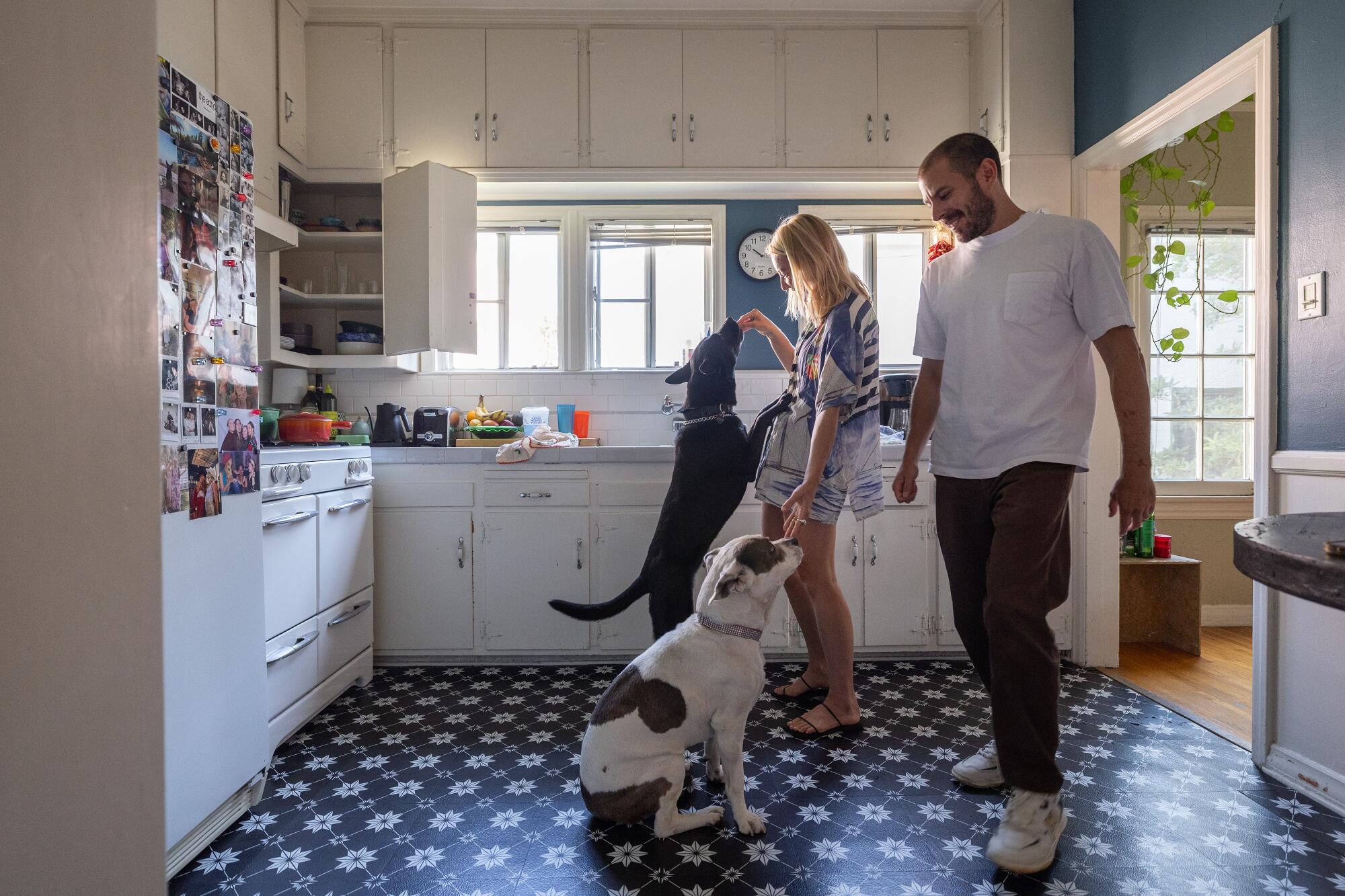
Credit: www.latimes.com
Preparing The Kitchen For Safety
Sharing a kitchen with someone who has Covid requires careful preparation to keep everyone safe. The kitchen is a high-touch area where germs can easily spread, so setting up the space thoughtfully is crucial. Let’s look at how you can prepare your kitchen to minimize risks and maintain hygiene effectively.
Cleaning And Disinfecting Surfaces
Start by identifying all the surfaces that get touched frequently, like countertops, cabinet handles, faucet knobs, and appliance buttons. Clean these areas with soap and water first to remove dirt, then use a disinfectant that is effective against viruses.
Choose disinfectants approved by health authorities, such as those containing bleach or alcohol-based solutions. Wipe down surfaces multiple times a day, especially after food preparation or cleaning up spills. Don’t forget to clean smaller items like cutting boards, utensils, and shared kitchen tools regularly.
Setting Up Separate Zones
Creating distinct zones in the kitchen can reduce contact between you and the person who is sick. Designate separate areas for food storage, preparation, and utensils. This helps prevent cross-contamination and keeps your belongings safe.
Use color-coded containers or labels to mark each person’s items clearly. For instance, assign one shelf in the fridge and a specific drawer for each person’s dishes and ingredients. Have separate cleaning supplies ready in each zone to avoid sharing sponges or cloths, which can carry germs.
What small change could you make today to create a safer kitchen environment?
Personal Hygiene Practices
Maintaining strict personal hygiene is key when sharing a kitchen with someone who has COVID. These practices reduce the risk of virus spread through surfaces and close contact. Clean hands and protective gear create a safer environment for everyone.
Handwashing Techniques
Wash hands often with soap and water. Rub hands together for at least 20 seconds. Clean all parts: palms, backs, fingers, and under nails. Use a clean towel or air dry. Avoid touching your face before washing hands.
Using Masks And Gloves
Wear a mask to cover nose and mouth while in the kitchen. Masks help prevent droplets from spreading. Use disposable gloves when handling food or cleaning. Change gloves if they get dirty or torn. Remove gloves carefully to avoid contamination.
Managing Utensils And Appliances
Sharing a kitchen with someone who has Covid requires careful attention to how utensils and appliances are managed. The virus can linger on surfaces, so taking extra steps can protect your health and others'. Small habits can make a big difference in preventing cross-contamination.
Separate Dishware And Cutlery
Always use separate plates, glasses, and cutlery for the person with Covid. Labeling these items or storing them in a distinct area helps avoid accidental sharing. You might be surprised how easy it is to mix up utensils when you're in a rush.
If you’re washing dishes by hand, consider wearing gloves and scrubbing each item thoroughly with hot, soapy water. A dishwasher with a high-temperature cycle can kill the virus more effectively, so use it whenever possible.
Cleaning Shared Appliances
Appliances like microwaves, toasters, and coffee makers are touched multiple times a day and can harbor germs. After each use by the infected person, wipe down handles, buttons, and surfaces with disinfectant wipes or sprays. This simple step reduces the risk of spreading the virus through touch.
Think about the microwave door handle—how often do you clean it? It’s easy to overlook, but it’s one of the most frequently touched spots. You can also assign specific appliances to the person with Covid to minimize shared contact.
Ventilation And Airflow Tips
Sharing a kitchen with someone who has Covid needs careful airflow control. Open windows and use fans to move fresh air through the space. Avoid closed rooms to reduce the risk of airborne virus spread.
Ventilation is crucial when sharing a kitchen with someone who has COVID. Good airflow reduces virus particles. This helps in minimizing the risk of transmission. Here are some effective tips to improve ventilation and airflow.
Improving Air Circulation
Open windows to let fresh air in. This helps replace stale air. Use fans to boost airflow. Place one fan near a window to draw in clean air. Another fan can push out indoor air. This creates a cross-breeze. Keep doors open within the house. This allows for better air movement. Ensure there's a clear path for air to flow. Avoid blocking airflow with furniture or other items.
Using Air Purifiers
Air purifiers help reduce airborne viruses. Choose one with a HEPA filter. This type traps small particles, including viruses. Place the purifier in the kitchen. Turn it on while cooking or eating. Check the purifier's Clean Air Delivery Rate (CADR). A higher CADR means better performance. Maintain the purifier by cleaning or replacing filters regularly. This ensures effective purification.
Meal Preparation And Storage
Sharing a kitchen with someone who has Covid requires careful attention to meal preparation and storage. Keeping food safe helps prevent virus spread and protects everyone’s health. Simple habits can make a big difference in a shared kitchen environment.
Safe Food Handling
Always wash hands with soap before and after touching food. Use separate utensils and cutting boards for each person. Clean all surfaces with disinfectant after preparing meals. Avoid sharing plates, cups, or cooking tools. Cook food thoroughly to kill any germs. Keep raw and cooked foods separate to stop cross-contamination.
Labeling And Storing Food
Mark each person’s food with their name and date. Use clear containers to avoid mix-ups. Store the infected person’s food on a separate shelf. Keep foods covered tightly to prevent contamination. Dispose of leftovers quickly and safely. Regularly clean the refrigerator handles and shelves to reduce risk.
Communication And Cooperation
Sharing a kitchen with someone who has Covid requires clear communication and strong cooperation. Both of you need to be on the same page to keep the space safe and reduce risks. Open talks and mutual respect build trust, making daily routines smoother despite the challenges.
Establishing Ground Rules
Start by setting clear rules for kitchen use. Decide who can enter and when, how to handle utensils, and the cleaning schedule. Agree on wearing masks and gloves while cooking or cleaning shared surfaces.
It helps to write these rules down and place them where both can see. This keeps everyone accountable and avoids confusion. Think about questions like: How often will you disinfect counters? Can food be shared or must it stay separate?
Regular Updates On Health Status
Keeping each other informed about symptoms or changes in health is crucial. Share any new developments right away, like a fever or increased coughing. This allows you both to adjust precautions immediately.
Consider using simple daily check-ins, either in person or through a quick message. This habit strengthens your teamwork and helps catch risks early. How comfortable are you with being open about your health during this time?
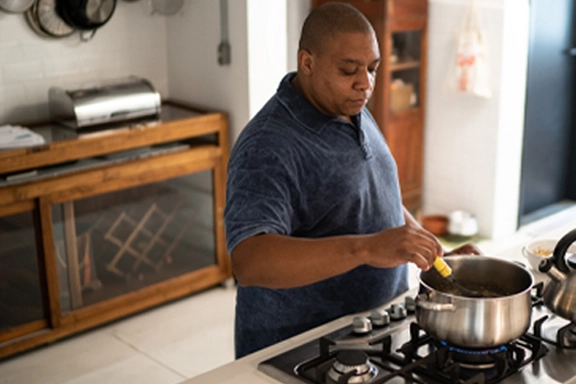
Credit: www.lung.org
Frequently Asked Questions
Can You Share Kitchen Space With Someone Who Has Covid?
Sharing a kitchen with someone who has Covid increases the risk of virus spread. Use separate utensils, clean surfaces often, and ventilate the area. Ideally, avoid shared kitchen use until the infected person recovers.
How To Disinfect Kitchen After Covid Exposure?
Disinfect high-touch surfaces with EPA-approved cleaners. Clean countertops, handles, and appliances thoroughly. Use gloves and wash hands after cleaning to reduce transmission risk effectively.
What Precautions Reduce Covid Spread In Shared Kitchens?
Wear masks, maintain distance, and sanitize hands frequently. Avoid sharing dishes or utensils. Improve ventilation by opening windows or using exhaust fans for safer kitchen sharing.
How Long Should Covid-positive Individuals Avoid Kitchen Use?
Covid-positive individuals should avoid shared kitchen use until symptom-free and after at least 10 days. Follow local health guidelines to prevent virus transmission effectively.
Conclusion
Sharing a kitchen with someone who has Covid is risky. Keep distance as much as possible. Clean surfaces often with disinfectant. Use separate utensils and dishes. Open windows to let fresh air in. Wear a mask when near each other.
Wash hands frequently with soap and water. These steps help reduce the chance of spreading the virus. Stay safe and healthy by following these simple rules. Your care makes a big difference.