
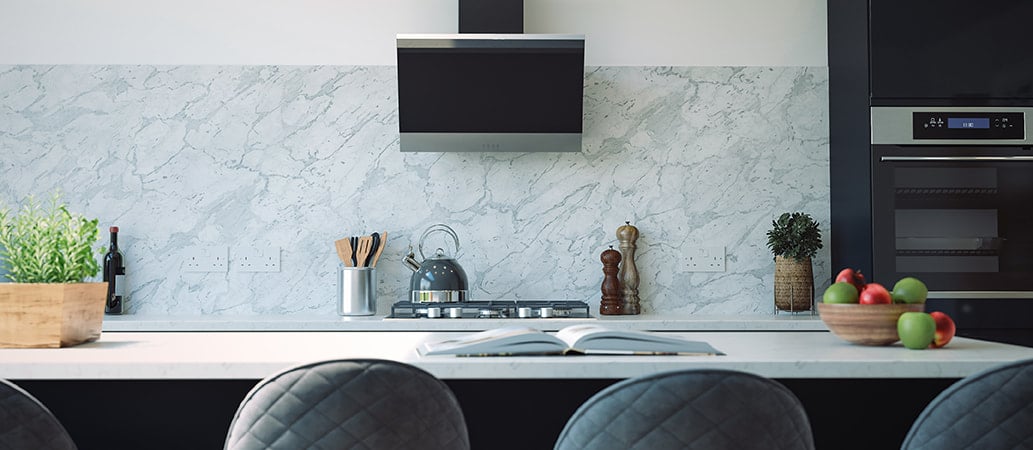
Are your kitchen tiles looking tired or outdated? You might be wondering, “What can I cover kitchen tiles with to give my space a fresh new look without the hassle of a full remodel?” The good news is, you don’t have to tear out your old tiles to transform your kitchen.
Whether you want something quick, budget-friendly, or long-lasting, there are smart options that can fit your style and needs. Keep reading to discover easy and effective ways to cover your kitchen tiles and breathe new life into your cooking space.
Popular Kitchen Tile Covers
Covering kitchen tiles offers a fresh look without full renovation. Many popular options provide easy upgrades. These covers can change your kitchen’s style and feel quickly. They suit budgets and DIY skills of all levels.
Peel-and-stick Vinyl
Peel-and-stick vinyl is simple to apply. It comes in many colors and patterns. This option hides old tiles well. It resists water and stains, perfect for kitchens. Removal is easy and does not damage tiles.
Laminate Sheets
Laminate sheets offer a smooth and durable surface. They come in large panels for quick coverage. Laminate resists heat and moisture well. It is easy to clean and maintain. These sheets can mimic wood or stone looks.
Paint For Tiles
Special tile paint changes tile color without replacing them. It bonds tightly and resists moisture. Painting allows custom colors and designs. Preparation is important for good adhesion. Sealing after painting increases durability.
Tile Overlays
Tile overlays fit over existing tiles for a new surface. They come in various materials like acrylic or thin ceramic. Overlays add texture and style easily. Installation may require adhesive or grout. This option can save time and cost.
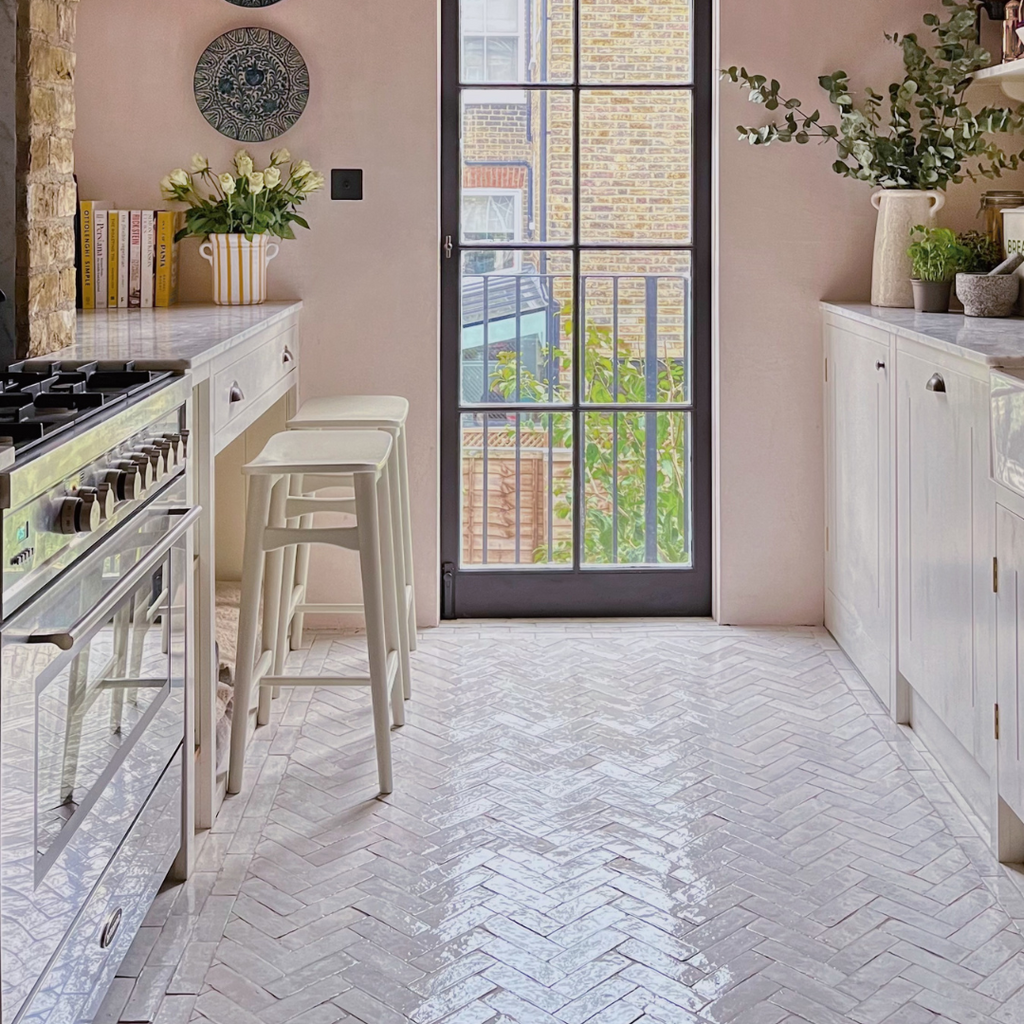
Credit: www.bertandmay.com
Choosing Durable Materials
Choosing durable materials to cover your kitchen tiles is key to ensuring your kitchen stays attractive and functional for years. Durable materials withstand heat, moisture, and daily wear better than less sturdy options. Picking the right material can save you time, money, and frustration down the road.
Porcelain And Ceramic Options
Porcelain and ceramic tiles are popular choices because they are tough and water-resistant. Porcelain is denser and less porous, making it ideal for kitchens where spills and splashes are common. Ceramic tiles offer a wide range of colors and patterns, so you can match your style without compromising durability.
Both materials are easy to clean and maintain. You can use standard household cleaners without worrying about damage. Have you thought about how often you clean your kitchen tiles? This simple habit can extend the life of porcelain or ceramic coverings.
Natural Stone Alternatives
Natural stone like granite, slate, or travertine brings a unique, earthy look to your kitchen. Stone is extremely durable and adds value to your home. However, it requires sealing to protect against stains and water damage.
If you choose stone, be prepared for some maintenance, including periodic resealing. Think about your lifestyle and whether you want a material that needs this extra care. Stone’s natural variation means no two tiles look alike, giving your kitchen a distinct character.
Glass Tile Panels
Glass tile panels offer a sleek, modern appearance and are surprisingly durable. They resist stains and moisture, making them great for backsplashes and areas near sinks. Glass reflects light, which can make your kitchen feel brighter and more spacious.
Installation requires precision, but once in place, glass tiles are easy to wipe clean. Have you considered how much natural light your kitchen gets? Glass tiles can amplify that light, creating a more inviting space.
Stylish Cover Ideas
Covering kitchen tiles can transform your space instantly. Choosing a stylish cover not only updates the look but also protects your tiles and makes cleaning easier. Here are some creative ideas to inspire your next kitchen makeover.
Mosaic Patterns
Mosaic patterns add a touch of artistry to your kitchen walls. You can use peel-and-stick mosaic tiles to create a unique backsplash without the mess of grout. Mixing colors and shapes allows you to customize the design to match your kitchen’s vibe.
Have you considered a geometric mosaic for a modern feel or a glass mosaic for a sleek shine? These options can brighten your kitchen and make it feel more inviting.
Bold Color Choices
Bold colors make a powerful statement. Painting over tiles with specialized tile paint or applying colorful adhesive films can instantly refresh your kitchen’s look.
Try deep blues, vibrant reds, or even sunny yellows to create a focal point. What color would energize your cooking space and lift your mood every day?
Textured Finishes
Adding texture gives your kitchen a tactile dimension. Options like textured vinyl covers or 3D wall panels can turn plain tiles into a stylish feature.
Think about stone-like finishes for a rustic charm or metallic textures for a modern edge. How might a textured surface change the way you experience your kitchen’s atmosphere?
Installation Tips
Covering kitchen tiles can be done with paint, peel-and-stick tiles, or panels. Proper surface cleaning ensures better adhesion and a smooth finish. Choose materials designed for kitchens to resist moisture and heat.
Transforming your kitchen by covering old tiles can be a game-changer. It’s an exciting project that can breathe new life into your space without the hassle of a full renovation. However, getting it right requires some practical know-how and a few handy tips.
Surface Preparation
Before diving into the installation, preparation is key. Clean your tiles thoroughly to remove any grease or residue. This ensures that the new covering adheres properly. Check for any damaged tiles that might need repair or replacement. A smooth, even surface is crucial for a successful installation. Don’t forget to let the surface dry completely. Moisture can affect the adhesive properties and may lead to peeling over time.
Tools Needed
Having the right tools on hand can make the process smoother and more efficient. Here’s a simple list to get you started:
- Measuring tape
- Utility knife
- Tile adhesive or appropriate glue
- Level
- Rubber roller
- Cleaning cloths
Consider investing in a good quality adhesive. It’s the backbone of your project, ensuring longevity and durability.
Step-by-step Guide
Ready to get started? Follow these steps for a seamless transformation: 1. Measure Your Space: Begin by measuring the area you want to cover. This will help you estimate the amount of material needed and minimize waste. 2. Cut to Fit: Use a utility knife to cut your covering material to the required size. Precision is key here, so take your time. 3. Apply Adhesive: Spread a thin, even layer of adhesive on the back of the covering material. Ensure you cover the edges well to prevent lifting. 4. Position the Covering: Carefully place the covering over the tiles, pressing firmly to ensure it sticks well. Use a level to make sure it’s straight. 5. Smooth Out Bubbles: Run a rubber roller over the surface to eliminate air bubbles. This step is crucial for a smooth finish. 6. Clean Up: Wipe away any excess adhesive before it dries. A clean finish adds to the professional look of your new kitchen space. Have you ever thought about the impact of your kitchen’s appearance on your daily mood? A fresh look might just be the boost you need. With these installation tips, you’re well on your way to crafting a kitchen that inspires and delights. Happy renovating!
Maintenance And Longevity
Maintaining kitchen tile covers helps them last longer and look better. Proper care prevents damage and keeps surfaces clean. Understanding how to clean and protect covers extends their life.
Cleaning Tips
Use mild soap and warm water for regular cleaning. Avoid harsh chemicals that can wear out the cover. Soft cloths or sponges work best to prevent scratches. Dry the surface after cleaning to stop water spots. Clean spills quickly to avoid stains and damage.
Preventing Damage
Place mats or rugs near sinks and cooking areas to reduce wear. Avoid dropping heavy objects on tile covers. Use cutting boards instead of cutting directly on the surface. Keep sharp utensils away to prevent scratches. Check for loose or cracked covers and fix them early.
When To Replace Covers
Replace covers if they are cracked, chipped, or peeling. Deep stains that won’t come off may also signal replacement time. If covers feel loose or unstable, changing them improves safety. Consider replacement when covers look old or outdated. New covers refresh the kitchen’s appearance instantly.

Credit: mercurymosaics.com
Cost Considerations
Considering the cost before covering your kitchen tiles can save you from unexpected expenses. Your choice will affect not only your budget but also the time and effort you invest. Understanding different price points helps you pick a solution that fits your financial comfort and style goals.
Budget-friendly Options
If you want to refresh your kitchen without spending much, several affordable choices exist. Peel-and-stick vinyl tiles or adhesive wallpaper can cover old tiles quickly and cost-effectively. These options work well if you want a temporary fix or plan to change the look frequently.
You might also consider painting your tiles with special tile paint. This requires minimal investment in materials but offers a fresh new look. Have you thought about how much a simple paint job could transform your kitchen for under $50?
Investment Pieces
Some coverings cost more upfront but add value and durability. Natural stone overlays, custom glass panels, or high-quality ceramic tile replacements may fall into this category. These choices often last longer and can boost your home's resale value.
Think about how much you use your kitchen. If it’s a high-traffic area, investing in a sturdy, long-lasting cover might save you money on repairs later. Are you ready to spend more now to avoid frequent touch-ups?
Diy Vs Professional Help
Doing it yourself can cut labor costs, but it requires time and some skill. Simple covers like peel-and-stick tiles or paint are manageable for most homeowners. However, complex projects like installing glass backsplashes or stone overlays often need professional installation.
Hiring a pro increases your budget but ensures quality and reduces mistakes. Ask yourself: is saving a few hundred dollars worth risking a poor finish that might cost more to fix? Balancing your confidence and budget will guide your best choice.
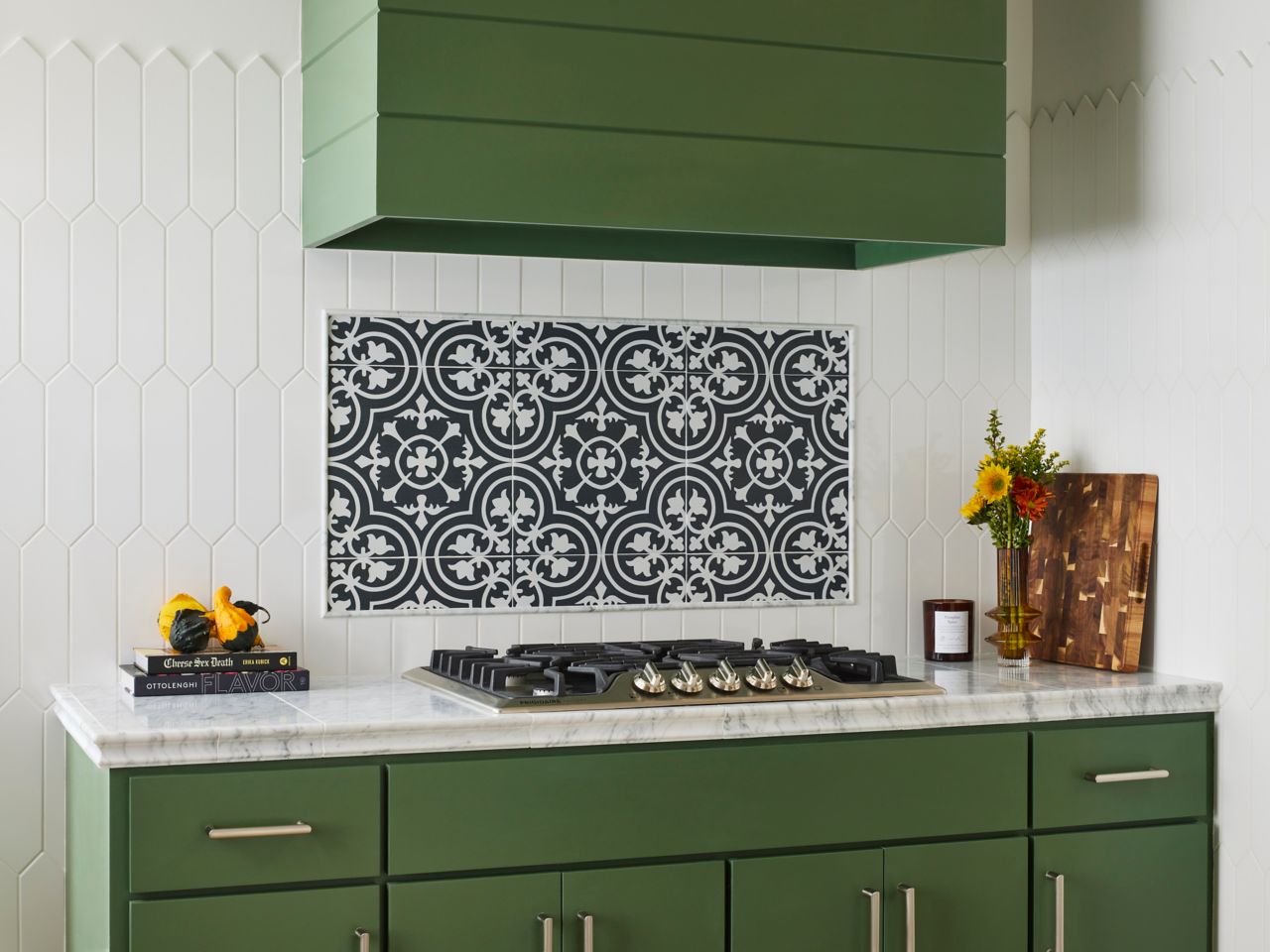
Credit: www.tileshop.com
Frequently Asked Questions
What Materials Can I Use To Cover Kitchen Tiles?
You can cover kitchen tiles with peel-and-stick vinyl, tile paint, or adhesive wallpaper. These options are affordable and easy to install. They refresh the look without removing old tiles. Choose a material suitable for moisture and heat in kitchens.
Is It Possible To Paint Over Kitchen Tiles?
Yes, painting over kitchen tiles is possible using special tile paint. Clean and sand the surface before applying a primer. Use epoxy or enamel paint for durability. This method offers a cost-effective way to update tile appearance without full replacement.
Can I Install New Tiles Over Existing Kitchen Tiles?
Yes, installing new tiles over existing ones is feasible if tiles are stable. Ensure the surface is clean and free of grease. Use a strong adhesive designed for tile overlays. This saves time and reduces renovation costs.
Are Peel-and-stick Tiles Suitable For Kitchen Floors?
Peel-and-stick tiles are more suitable for kitchen walls and backsplashes. They may not withstand heavy foot traffic on floors. For floors, consider durable materials like ceramic or vinyl planks. Always check product specifications before use.
Conclusion
Covering kitchen tiles can refresh your space quickly and affordably. Paint, peel-and-stick tiles, or panels work well for updates. Each option offers a different look and ease of use. Choose what fits your style and budget best. Small changes make a big difference in kitchen appearance.
Try simple solutions first to see what you like. Enjoy your renewed kitchen with less hassle and cost.