

Choosing the right refrigerator size for your kitchen can feel tricky. You want something that fits perfectly without crowding your space or leaving you short on storage.
Imagine opening your fridge and having everything within easy reach, no awkward squeezing or wasted space. That’s exactly what this guide will help you achieve. By the end, you’ll know how to measure your kitchen space and find the ideal fridge size that suits your lifestyle.
Keep reading to make sure your next fridge is a perfect fit for your home and your needs.
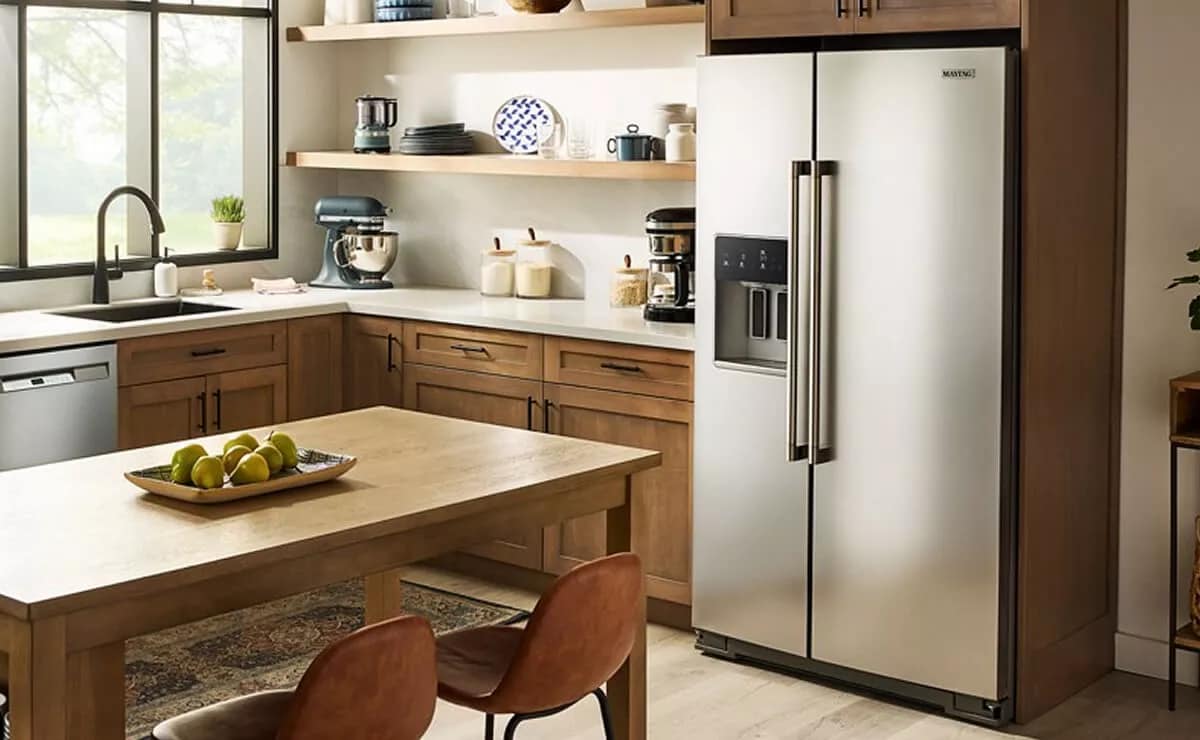
Credit: www.maytag.com
Measuring Your Kitchen Space
Measuring your kitchen space ensures the new refrigerator fits perfectly. Accurate measurements prevent buying a fridge that is too big or too small. Take your time and use a tape measure for precise results. Measure the available area carefully before making any decisions.
Assessing Width And Height
Start by measuring the width of the space where the refrigerator will go. Measure from wall to wall or cabinet edge to cabinet edge. Next, check the height from the floor to the lowest point above the space. This could be a cabinet or ceiling. Write down these numbers clearly. This helps narrow down your fridge choices.
Checking Depth Clearance
Measure the depth of the space from front to back. Remember to include any countertops or protruding cabinets. Some refrigerators stick out more than others, so depth is important. Check the depth of door handles too. Make sure the fridge will not block walkways or counters.
Allowing Room For Door Swing
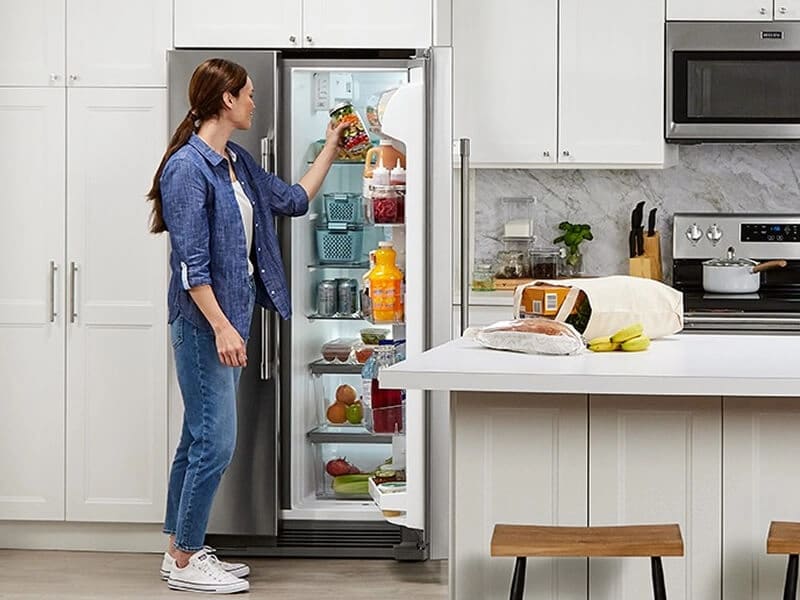
Consider the space needed for the refrigerator doors to open fully. Measure the door swing area, including handles. Make sure doors will not hit walls, cabinets, or other appliances. Leave extra space for ease of use and cleaning. This step ensures smooth operation every day.
Standard Refrigerator Sizes
Choosing the right refrigerator size is key for a functional kitchen. Standard refrigerators come in various sizes to fit different kitchen spaces and needs. Knowing these sizes helps pick a model that fits perfectly without crowding the room or leaving too much empty space.
Standard refrigerators generally range from 18 to 36 cubic feet in capacity. The width can vary from 24 to 36 inches, the depth from 24 to 30 inches, and the height from 60 to 70 inches. Each style has unique dimensions and features to consider.
Compact Models
Compact refrigerators are ideal for small kitchens or apartments. They usually range from 18 to 24 inches wide. These models fit well under counters or in tight spaces. Despite their size, they offer enough room for daily essentials.
Top Freezer Variants
Top freezer refrigerators are traditional and space-efficient. Their width generally spans 28 to 33 inches. The freezer section sits above the fridge compartment. These models work well for kitchens with limited depth.
Side-by-side Options
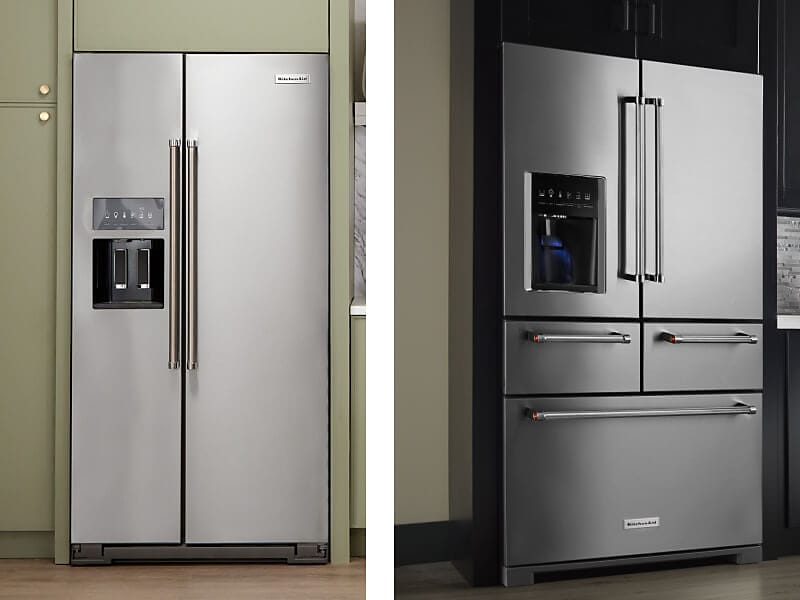
Side-by-side refrigerators split the fridge and freezer vertically. They typically measure 32 to 36 inches wide. These models offer easy access to both compartments. They require extra space to open the doors fully.
French Door Styles
French door refrigerators have two fridge doors on top and a freezer drawer below. Their width ranges from 30 to 36 inches. These styles combine large capacity with a sleek look. They fit best in spacious kitchens with wide door clearance.
Choosing Based On Kitchen Layout
Choosing the right refrigerator size depends heavily on your kitchen layout. Each type of kitchen demands a unique approach to ensure the appliance fits without crowding the space or disrupting workflow. Understanding your kitchen’s shape and flow can save you frustration and costly mistakes.
Galley Kitchen Considerations
Galley kitchens are narrow and typically have cabinets and appliances on both sides. This setup limits the width of the refrigerator you can choose.
Measure the walkway space carefully. You want enough room to open fridge doors fully without blocking traffic.
Opt for a slimmer refrigerator with a depth that doesn’t stick out too far. This keeps your kitchen functional and comfortable.
Open Concept Spaces
Open concept kitchens blend into living or dining areas, so your refrigerator becomes part of the overall room design.
Choose a fridge size that balances storage needs with visual impact. A bulky fridge can overwhelm the open space.
Consider fridge styles with sleek finishes or panels that match your cabinetry for a seamless look.
Corner Kitchen Challenges
Corner kitchens often have limited wall space and awkward angles that can restrict fridge placement.
Think about door clearance and how the fridge will fit next to cabinets or countertops.
Sometimes a fridge with a reversible door or one designed for compact spaces works best here. Can you imagine squeezing a large fridge into a tight corner and still moving around easily?
Maximizing Space Efficiency
Choosing the right refrigerator size saves kitchen space and keeps the area tidy. Measure your kitchen carefully to find a fridge that fits well without crowding. Consider door swings and clearance for smooth movement and easy access.
Maximizing Space Efficiency Finding the perfect refrigerator size for your kitchen is essential to maintaining both functionality and aesthetic appeal. It’s not just about fitting a fridge into the available space; it's about maximizing space efficiency. When you consider the layout and design of your kitchen, the choice between built-in and freestanding models, counter depth options, and custom cabinet integration can make a significant difference.
Built-in Vs Freestanding
Built-in refrigerators offer a sleek, seamless look because they are designed to sit flush with your cabinetry. They often come with panel-ready options to match your existing kitchen decor. However, they may require professional installation, which could mean additional costs. Freestanding refrigerators are typically more affordable and easier to install. They offer flexibility if you decide to rearrange your kitchen layout in the future. If you value versatility over aesthetics, a freestanding fridge might be the right choice for you.
Utilizing Counter Depth Models
Counter depth models are perfect for small kitchens where every inch counts. They align with the edge of your countertops, providing a streamlined appearance without sacrificing floor space. This can be a game-changer in tight kitchens where traditional models protrude awkwardly. It's important to note that while counter depth models save space, they might offer less interior capacity. Consider your storage needs—can you compromise a bit on space for a more efficient kitchen flow?
Custom Cabinet Integration
Custom cabinet integration allows your refrigerator to blend seamlessly with your kitchen design. This option provides a high-end look by making your refrigerator indistinguishable from the rest of your cabinets. While this integration can significantly enhance your kitchen's aesthetics, it requires planning and possibly a higher budget. Think about the long-term benefits and whether this investment aligns with your kitchen usage and style preferences. In your quest to maximize kitchen space, remember to balance practicality with style. What would make your kitchen not only efficient but also a joy to use every day?
Additional Space Factors
Choosing the right refrigerator size is more than just measuring the available space. Several additional factors can affect whether your new fridge fits well and works efficiently in your kitchen. Overlooking these details might lead to installation headaches or even appliance damage.
Ventilation Needs
Your refrigerator needs space around it for proper airflow. Without enough ventilation, the appliance can overheat, reducing its efficiency and lifespan. Check the manufacturer’s guidelines for clearance requirements—usually at least a few inches on the sides and back.
Think about your kitchen layout: is there enough room behind the fridge for heat to escape? If space is tight, consider a model designed for compact areas or one with a built-in ventilation system.
Electrical Outlet Placement
Where is your power source? The fridge must be close to an electrical outlet to avoid unsafe extension cords. If your outlet is behind the fridge space, measure carefully to ensure the plug and cable fit without forcing the appliance forward.
Have you ever tried to install a fridge only to find the outlet too far or inconveniently placed? Planning ahead saves you from last-minute rewiring or using unsafe setups. If needed, hire a professional to relocate outlets before buying your new refrigerator.
Flooring And Leveling
Is your kitchen floor even and sturdy? A refrigerator on an uneven surface can vibrate, make noise, or even cause internal damage over time. Use a level to check the floor where you plan to place the fridge.
If the floor isn’t perfectly flat, you can add shims or adjust the fridge’s feet to stabilize it. Remember, a stable fridge runs quieter and lasts longer. Have you noticed your old fridge wobbling? Fixing that could make a big difference in performance.
Credit: www.kitchenaid.com
Tips For Easy Installation
Installing a new refrigerator can be a smooth process if you prepare carefully. Knowing a few simple tips can save you time, effort, and even frustration during installation. Let’s look at some practical ways to make your refrigerator fit perfectly and slide right into place without hassle.
Door Removal For Moving
Sometimes the fridge won’t fit through your doorway in one piece. Removing the doors can be a lifesaver here. It’s easier than you might think and often just requires a screwdriver and a little patience.
Take off the fridge doors before moving it into your kitchen to avoid scratching walls or damaging the appliance. Keep all screws in a safe place so you can reattach the doors easily. This small step can prevent a big headache.
Navigating Tight Spaces
Kitchen layouts can make moving a refrigerator tricky. Narrow hallways, sharp corners, or tight doorways can block your path. Measure every tight spot in your home before choosing a fridge size.
Try sliding the fridge on a blanket or cardboard to protect floors and ease movement. You might need a friend to help guide the fridge around bends. Thinking ahead about these obstacles saves you from last-minute struggles.
Professional Installation Benefits
Hiring a professional to install your refrigerator might cost a bit more but offers real peace of mind. Experts handle heavy lifting safely and ensure your fridge is level and connected properly.
Professionals can also troubleshoot any setup issues immediately, avoiding future problems. Would you rather risk damaging your new appliance or invest in a quick, worry-free setup?
Credit: www.maytag.com
Frequently Asked Questions
What Measurements Are Needed To Fit A Refrigerator In My Kitchen?
Measure the width, height, and depth of the available space. Include extra clearance for ventilation and door opening. Check for any obstacles like cabinets or walls.
How To Choose The Right Refrigerator Size For My Family?
Consider your household size and food storage needs. Larger families need bigger capacity, while singles may prefer compact models. Balance size with kitchen space.
Can A Refrigerator Fit If Kitchen Doorways Are Narrow?
Measure door and hallway widths carefully. Ensure the fridge can pass through during delivery. Some models have removable doors for easier installation.
What Refrigerator Style Saves The Most Kitchen Space?
Top-freezer and compact refrigerators are usually more space-efficient. French-door models offer wide shelves but need extra clearance. Choose styles that suit your layout.
Conclusion
Choosing the right refrigerator size matters for your kitchen space. Measure carefully before buying to avoid tight fits or wasted room. Think about how much food you store daily. Small kitchens suit compact fridges, while bigger families need more space.
Don’t forget to leave clearance for ventilation and door opening. This makes using and cleaning easier. Remember, a well-fitted fridge keeps your kitchen organized and efficient. Take your time and plan well. Your perfect fridge size is just a few steps away.