
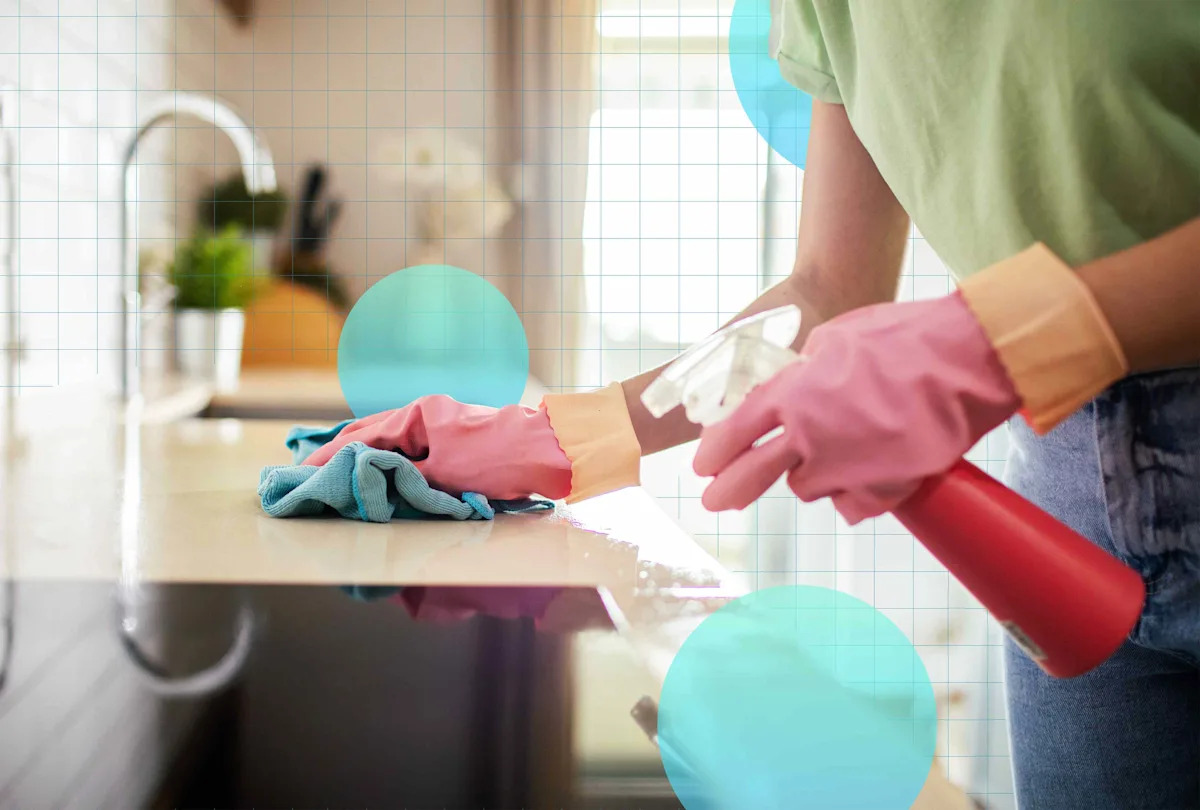
Have you ever wondered how clean your kitchen really is? You wipe down surfaces, wash your hands, and maybe even scrub your cutting boards.
But is that enough to keep harmful germs away? Understanding what sanitizing in the kitchen means can make a big difference in protecting you and your family from foodborne illnesses. You’ll discover simple yet powerful ways to make your kitchen safer.
Keep reading to learn how a few easy steps can transform your kitchen into a healthier space you can trust every day.
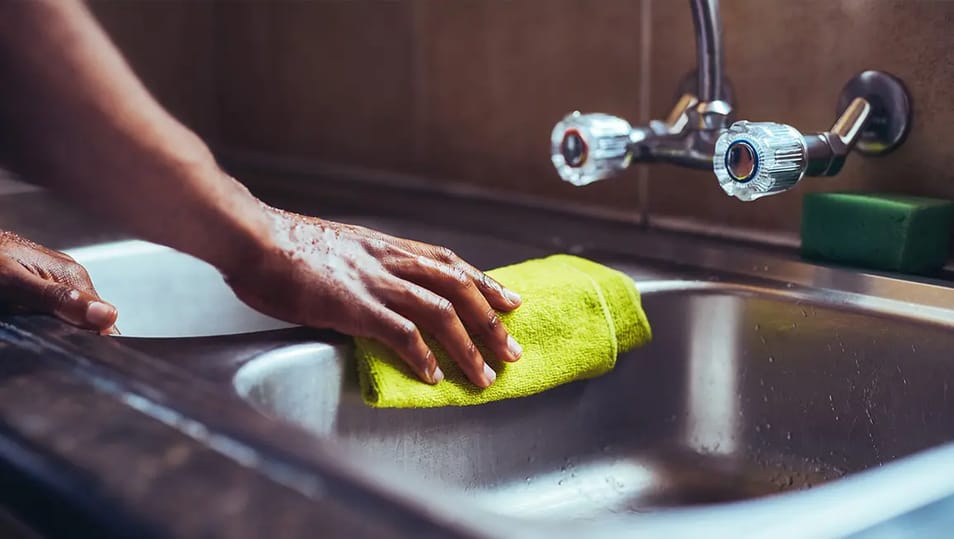
Credit: www.lysol.com
Sanitizing Vs Cleaning
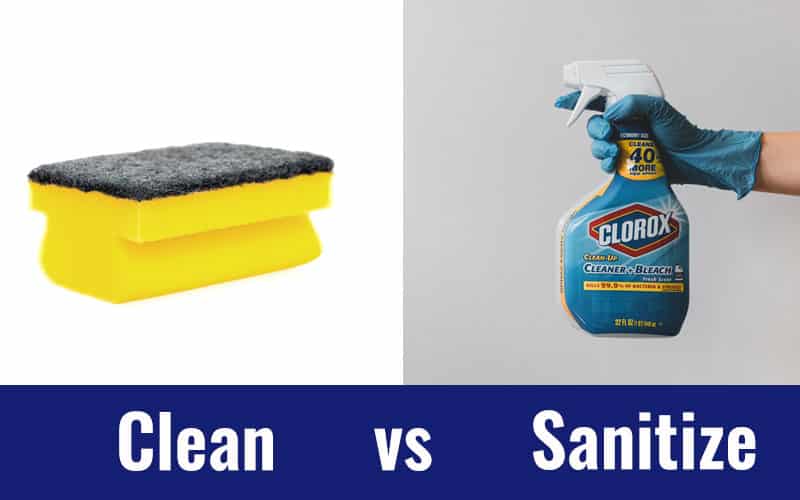
Sanitizing and cleaning are two important tasks in any kitchen. Both help keep your space safe and tidy. People often confuse them, but they are not the same. Cleaning removes dirt and food scraps. Sanitizing kills germs and bacteria that can cause illness. Understanding the difference helps maintain a healthier kitchen.
Key Differences
- Cleaningremoves visible dirt, grease, and food particles.
- Sanitizinglowers bacteria and germs to safe levels.
- Cleaning uses soap and water or detergent.
- Sanitizing uses chemicals or heat to kill microbes.
- Cleaning is the first step; sanitizing follows after.
- Cleaning improves appearance; sanitizing improves safety.
Why Sanitizing Matters
Sanitizing stops harmful bacteria from spreading. It reduces risks of foodborne illnesses.
Even a clean surface can have invisible germs. Sanitizing makes kitchens safer for cooking and eating. It protects family and guests.
Regular sanitizing helps comply with health rules. It keeps your kitchen hygienic and fresh.
Common Germs In The Kitchen
Germs in the kitchen can cause illnesses and food poisoning. These tiny organisms live in many places. They multiply quickly on food and surfaces. Understanding common germs helps keep kitchens safe and clean.
Sources Of Contamination
Germs enter kitchens from many sources. Raw meat, poultry, and seafood carry bacteria like Salmonella and E. coli. Fruits and vegetables can have dirt and germs too. Hands, utensils, and cutting boards spread germs between foods. Pets and pests also bring harmful bacteria into the kitchen.
High-risk Areas
Some kitchen spots hold more germs than others. The sink and faucet handle bacteria from dirty dishes and food scraps. Cutting boards, especially wooden ones, trap germs in cracks. Sponges and dishcloths stay damp and breed bacteria fast. Refrigerator handles and countertops can also have dangerous germs if not cleaned well.
Effective Sanitizing Methods
Sanitizing in the kitchen is key to keeping food safe. It lowers germs and stops illness. Effective sanitizing removes harmful bacteria and viruses from surfaces and utensils.
Several ways exist to sanitize. Each method suits different needs and kitchen setups. Using the right method keeps your kitchen clean and healthy.
Chemical Sanitizers
Chemical sanitizers kill germs quickly. They include bleach, quaternary ammonium compounds, and iodine solutions.
- Use the correct concentration for safety and effectiveness.
- Apply on clean surfaces for best results.
- Allow sanitizer to air dry to kill all germs.
These sanitizers are common in restaurants and homes. Follow label instructions carefully to avoid harm.
Heat Sanitizing
Heat kills many bacteria and viruses fast. Hot water or steam are common heat sanitizers.
- Dishwashers use hot water above 160°F to sanitize dishes.
- Boiling utensils for several minutes kills germs.
- Steam cleaning is effective for hard-to-clean tools.
Heat sanitizing is chemical-free and safe for most kitchen items. It requires proper temperature and time to work well.
Natural Alternatives
Natural sanitizers use ingredients from nature. Vinegar, lemon juice, and hydrogen peroxide are popular choices.
- Vinegar has antibacterial properties but is less strong than chemicals.
- Lemon juice adds acidity that can reduce some germs.
- Hydrogen peroxide disinfects without harsh chemicals.
These alternatives suit light sanitizing tasks. They are eco-friendly and safe for food contact surfaces.
Step-by-step Sanitizing Process
Sanitizing in the kitchen involves eliminating germs to ensure a clean cooking environment. Begin by cleaning surfaces with soap and water. Follow up with a sanitizing solution, ensuring it remains on surfaces for the recommended time. Rinse with water and let surfaces air dry for optimal hygiene.
Sanitizing your kitchen is a crucial step to ensure the health and safety of your family. It goes beyond just cleaning; it eliminates harmful bacteria that can cause foodborne illnesses. By following a structured sanitizing process, you can maintain a hygienic cooking space and safeguard your meals.
Pre-cleaning Surfaces
Before you begin sanitizing, it's important to pre-clean all surfaces. This involves removing any food particles, grease, or dirt. Use a damp cloth or sponge with mild detergent to wipe down countertops, cutting boards, and other surfaces. Focus on areas that come into contact with raw food, like chopping boards and kitchen sinks. This step ensures that the sanitizer can work effectively on a clean surface. Remember, a clean surface is the first line of defense against bacteria.
Applying Sanitizers
Once the surfaces are clean, it's time to apply a sanitizer. Choose a product that's food-safe and effective against bacteria. You can use a commercial sanitizer or a homemade solution like a mix of water and bleach. Spray or wipe the sanitizer onto the surfaces, ensuring even coverage. Let it sit for the recommended time to kill germs effectively. This might be a few minutes, so check the instructions on your sanitizer's label.
Drying And Storage
After sanitizing, drying is a crucial step. Use a clean, dry cloth or let the surfaces air dry. Avoid using towels that might reintroduce germs to the sanitized area. Once everything is dry, organize your kitchen tools and surfaces. Proper storage keeps your kitchen tidy and prevents contamination. Think about how you store utensils—are they in a place where they might get dirty again? By following these steps, you'll create a safer kitchen environment. Do you have any tips or tricks that make your sanitizing routine more effective? Share them in the comments!
Sanitizing Kitchen Tools
Sanitizing kitchen tools is essential for safe food preparation. It kills harmful bacteria that cleaning alone might miss. Proper sanitizing lowers the risk of foodborne illnesses. Every kitchen tool, from cutting boards to appliances, needs regular sanitizing. It keeps your kitchen healthy and your food safe to eat.
Cutting Boards And Utensils
Cutting boards and utensils come into direct contact with food. They can carry germs from raw meats or vegetables. Wash them with hot, soapy water first. Then, sanitize by soaking in a solution of one tablespoon bleach per gallon of water for a few minutes. Rinse well and let air dry. Avoid cross-contamination by using separate boards for meat and vegetables.
Dishcloths And Sponges
Dishcloths and sponges are breeding grounds for bacteria. Change dishcloths daily and wash them in hot water. Sponges need frequent sanitizing. Microwave a damp sponge for one minute to kill germs. Replace sponges often to prevent bacteria buildup. Using clean cloths and sponges protects your kitchen surfaces and utensils.
Appliances And Fixtures
Kitchen appliances and fixtures also require sanitizing. Wipe down handles, knobs, and buttons with disinfectant wipes regularly. For appliances like blenders or mixers, remove parts and wash thoroughly. Sanitize removable parts by soaking or using a dishwasher. Regular sanitizing keeps germs from spreading through shared surfaces.
Credit: advantagecleaningllc.net
Frequency And Timing
Sanitizing the kitchen is essential for a healthy cooking space. Knowing how often and when to sanitize helps keep germs away. Proper timing reduces the risk of foodborne illness and keeps surfaces safe.
Daily Practices
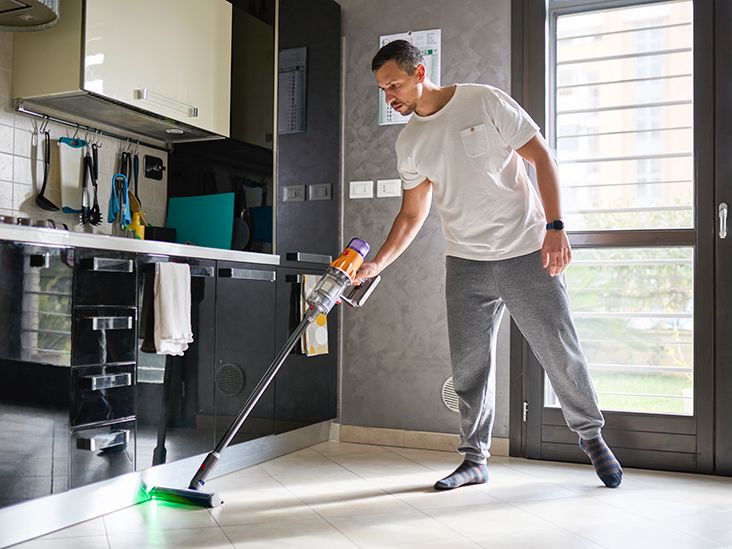
Sanitize high-touch areas every day. These include countertops, cutting boards, and sinks. Clean spills and crumbs immediately to stop bacteria growth. Use safe sanitizers suitable for kitchen use. Wipe down handles, knobs, and appliances daily too.
After preparing raw meat or vegetables, sanitize surfaces at once. This prevents cross-contamination and keeps food safe. Regular daily sanitation keeps your kitchen fresh and safe.
Deep Sanitizing Sessions
Deep sanitizing should happen weekly or biweekly. This involves cleaning behind appliances and inside cabinets. Remove items and sanitize shelves thoroughly. Use stronger cleaning agents suited for deep cleaning.
Sanitize drains, garbage bins, and exhaust fans during these sessions. These areas collect dirt and germs over time. Deep cleaning keeps hidden spots germ-free and prevents bad odors.
Common Mistakes To Avoid
Sanitizing the kitchen is important for health and safety. Mistakes can reduce the effectiveness of cleaning. Avoiding common errors helps keep your kitchen truly clean and safe. Understanding these mistakes improves your sanitizing routine.
Overusing Chemicals
Using too many chemicals can harm surfaces and your health. Strong cleaners may leave harmful residues. These residues can contaminate food or cause allergies. Follow instructions on cleaning products carefully. Use only the amount needed to sanitize properly. Too much chemical does not mean better cleaning.
Ignoring Hard-to-reach Spots
Many people clean only visible areas. Germs hide in corners, under appliances, and inside handles. Missing these spots allows bacteria to grow. Use tools like brushes or cloths to reach tight spaces. Clean these areas regularly to keep your kitchen safe. Do not forget behind the sink and stove edges.
Maintaining A Germ-free Kitchen
Maintaining a germ-free kitchen is essential for safe cooking and healthy eating. Germs can spread quickly on surfaces, utensils, and hands. A clean kitchen reduces the risk of foodborne illnesses. Simple habits help keep your kitchen sanitary and safe for everyone.
Personal Hygiene Tips
- Wash hands with soap before and after handling food.
- Keep nails short and clean to avoid dirt buildup.
- Avoid touching your face or hair while cooking.
- Wear clean clothes or aprons to prevent contamination.
- Cover cuts or wounds with waterproof bandages.
- Use gloves when handling raw meat or fish.
Proper Food Handling
- Separate raw and cooked foods to prevent cross-contamination.
- Use different cutting boards for meat, vegetables, and fruits.
- Store food at correct temperatures to stop bacteria growth.
- Cook food thoroughly to kill harmful germs.
- Clean and sanitize utensils and surfaces after each use.
- Dispose of expired or spoiled food promptly.
Credit: www.healthline.com
Frequently Asked Questions
What Does Sanitizing Mean In Kitchen Hygiene?
Sanitizing in kitchen hygiene means reducing harmful bacteria to safe levels. It helps prevent foodborne illnesses. Sanitizing is done after cleaning to ensure surfaces are safe for food preparation. It uses chemicals or heat to kill germs effectively.
How Is Sanitizing Different From Cleaning?
Cleaning removes dirt, grease, and food residues from surfaces. Sanitizing kills bacteria and germs after cleaning. Both steps are essential for kitchen safety. Cleaning prepares surfaces, while sanitizing ensures they are hygienic and safe for food handling.
Why Is Sanitizing Important In Kitchens?
Sanitizing prevents the spread of harmful bacteria that cause food poisoning. It protects your family and guests from illnesses. Regular sanitizing maintains a safe cooking environment. It also extends the life of kitchen tools and surfaces by keeping them germ-free.
What Are Common Sanitizing Methods In Kitchens?
Common methods include using chemical sanitizers like bleach or quaternary ammonium compounds. Heat sanitizing with hot water or steam is also effective. Always follow product instructions for safe and proper sanitizing. Proper rinsing may be required after chemical use.
Conclusion
Sanitizing the kitchen helps keep harmful germs away. It makes your cooking area safer and cleaner. Clean surfaces reduce the chance of food sickness. Use proper sanitizing methods after washing dishes and counters. Regular sanitizing protects your family’s health every day.
Remember, a clean kitchen means safer meals. Small steps in sanitizing make a big difference. Keep your kitchen fresh, safe, and ready for cooking.