
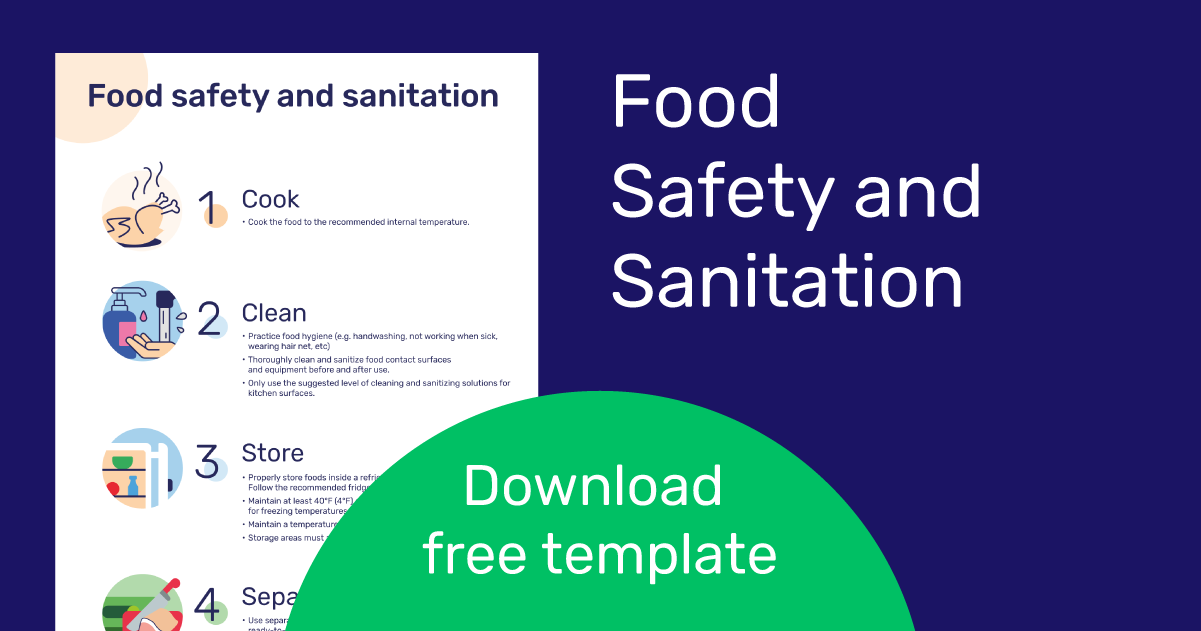
Your kitchen is the heart of your home, where meals are made and memories are shared. But have you ever stopped to think about how safety and sanitation affect every dish you prepare?
Ignoring these crucial practices can lead to serious health risks—not just for you, but for everyone you care about. You’ll discover simple yet powerful ways to keep your kitchen safe and clean, ensuring every meal is not only delicious but also healthy.
Keep reading, because what you learn here could protect your family and change the way you cook forever.
Kitchen Hazards
The kitchen is full of potential dangers. These hazards can cause injuries or food contamination. Understanding these risks helps maintain safety and cleanliness. It protects everyone using the kitchen and ensures food stays safe to eat.
Common Risks
- Sharp knives cause cuts and deep wounds.
- Hot surfaces and liquids lead to burns.
- Slippery floors increase the chance of falls.
- Cross-contamination spreads bacteria and germs.
- Electrical appliances may cause shocks or fires.
- Improper storage can attract pests.
Accident Causes
- Rushing during cooking increases mistakes.
- Not cleaning spills creates slippery areas.
- Using dull knives forces more pressure, causing slips.
- Ignoring appliance instructions leads to misuse.
- Poor lighting hides hazards and sharp objects.
- Cluttered counters limit safe workspace.

Credit: satishcaterers.in
Health Risks Without Sanitation
Sanitation in the kitchen is crucial to avoid serious health risks. Poor cleanliness can lead to the spread of harmful bacteria and viruses. These germs cause illnesses that affect anyone who eats contaminated food. Understanding these risks helps maintain a safe cooking space and protects health.
Foodborne Illnesses
Foodborne illnesses occur when harmful bacteria or viruses enter the body through contaminated food. Common symptoms include nausea, vomiting, diarrhea, and stomach pain. Some infections can cause severe health problems or even death. Proper sanitation kills germs and reduces these dangers. It ensures that food stays safe to eat.
Cross Contamination
Cross contamination happens when harmful germs spread from one surface or food to another. For example, raw meat juices touching vegetables can transfer bacteria. This causes safe food to become unsafe quickly. Using clean utensils and separate cutting boards stops this spread. Cleaning surfaces often and washing hands also prevent cross contamination.
Key Safety Practices
Keeping your kitchen safe and clean isn’t just about avoiding accidents—it’s about creating a space where you can cook with confidence and peace of mind. Key safety practices help you prevent injuries and foodborne illnesses, protecting both you and everyone who enjoys your meals. Let’s look at essential habits that make your kitchen a safer place.
Proper Knife Handling
Knives are essential tools, but they can also be dangerous if not handled correctly. Always cut away from your body and keep your fingers tucked in to avoid slips. Using a sharp knife is safer than a dull one because it requires less force, reducing the chance of losing control.
Have you ever rushed to chop vegetables and ended up with a small cut? That’s a clear sign you need to slow down and focus. Store knives securely in a block or magnetic strip to keep them accessible yet safe.
Fire Prevention
Fires can start quickly in the kitchen, often from unattended cooking or grease buildup. Never leave pots or pans unattended on the stove, and keep flammable items like towels and paper away from heat sources. Regularly clean your stove and oven to remove grease that can catch fire unexpectedly.
Do you have a fire extinguisher or a fire blanket nearby? Knowing how to use them can make a huge difference in an emergency. Remember, water should never be used on grease fires—it can spread the flames.
Safe Appliance Use
Appliances make cooking easier but also introduce risks if used improperly. Always read the manufacturer’s instructions before using a new device. Check cords and plugs for damage, and unplug appliances when not in use to avoid electrical hazards.
Have you noticed how some appliances heat up quickly? Keep them on stable surfaces and away from water to prevent shocks or spills. Small steps like these help you avoid accidents and keep your kitchen running smoothly.
Credit: probeit.ca
Sanitation Essentials
Keeping the kitchen safe and clean prevents food poisoning and accidents. Proper sanitation stops harmful germs from spreading during cooking. Clean tools and surfaces protect health and make cooking easier.
Sanitation Essentials Maintaining a clean and sanitary kitchen is crucial for ensuring food safety and preventing foodborne illnesses. Whether you're a professional chef or a home cook, understanding the essentials of sanitation can keep your culinary space safe and inviting. Let's dive into some key practices that should be a part of your kitchen routine.
Cleaning Surfaces
A spotless kitchen starts with clean surfaces. Wiping down countertops and cutting boards with a disinfectant after each use prevents bacteria from lurking where you prepare food. Consider using a mixture of vinegar and water for a natural cleaning solution. Remember, even small crumbs can harbor germs, so be thorough.
Hand Hygiene
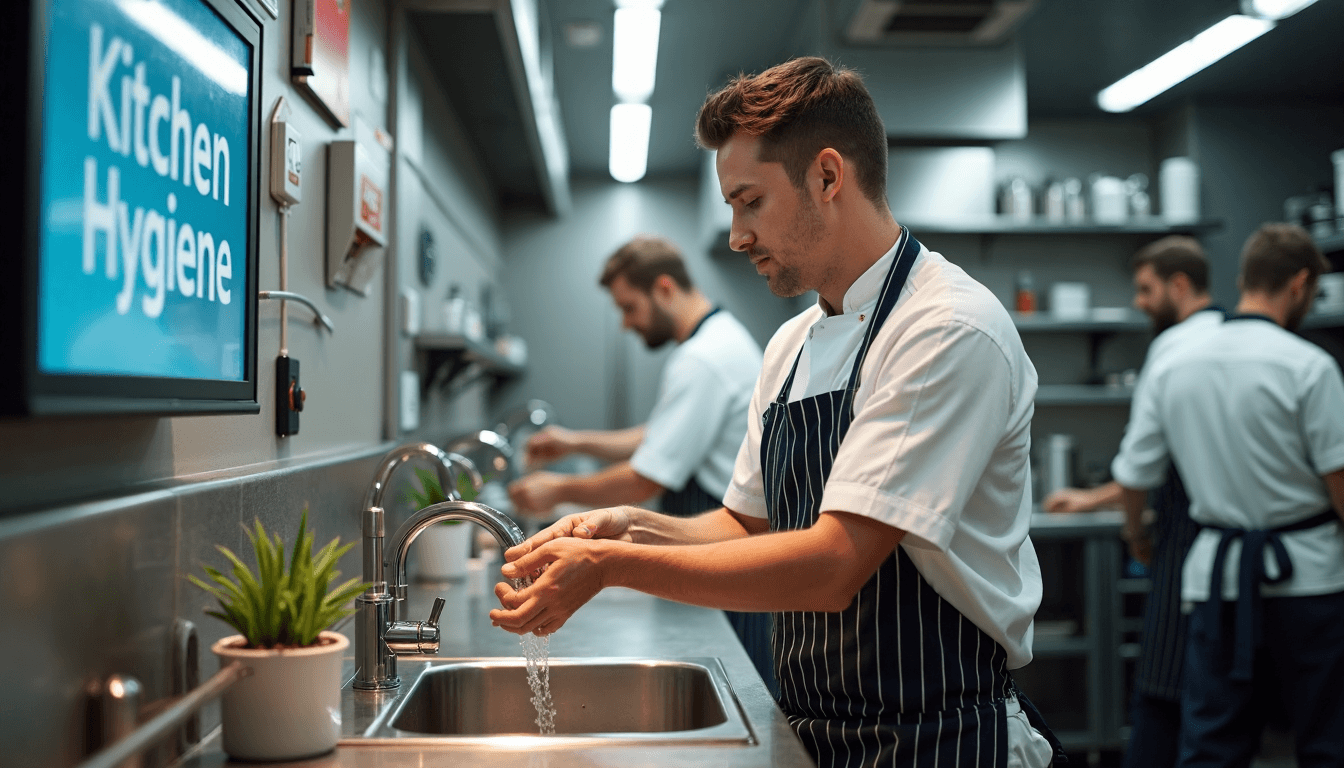
Your hands can be a significant source of contamination. Always wash your hands with warm water and soap for at least 20 seconds before handling food. Think about the last time you sneezed or touched a doorknob; now imagine those germs on your next meal. Keeping hands clean is a simple yet powerful way to protect your health.
Proper Food Storage
Properly storing food isn't just about keeping it fresh; it's about keeping it safe. Use airtight containers to prevent cross-contamination and store raw meats on the lowest shelf in the fridge. Have you ever wondered why leftovers spoil quickly? It’s often due to improper cooling. Ensure food is cooled promptly and stored at the right temperature to maintain its safety and quality. Implementing these sanitation essentials can drastically reduce the risk of foodborne illnesses in your kitchen. Are you ready to make these practices a habit? Your health—and that of your loved ones—depends on it.
Personal Hygiene Tips
Personal hygiene plays a key role in maintaining a safe and clean kitchen. It helps stop the spread of germs and keeps food safe to eat. Simple habits can make a big difference in kitchen safety and sanitation. Following clear hygiene tips protects both food and people.
Handwashing Techniques
Hands carry many germs that can contaminate food. Proper handwashing reduces this risk effectively.
- Use warm water and soap.
- Scrub all parts of your hands, including between fingers and under nails.
- Wash for at least 20 seconds.
- Rinse hands well under running water.
- Dry with a clean towel or air dryer.
Wash hands before cooking, after handling raw food, and after using the restroom. This simple step prevents many kitchen-related illnesses.
Protective Clothing
Wearing the right clothing protects both the cook and the food. It keeps germs from spreading and stops clothes from getting dirty.
- Wear clean aprons to cover clothes.
- Use hairnets or caps to keep hair away from food.
- Change clothes if they become dirty or wet.
- Avoid wearing jewelry that can fall into food or catch bacteria.
Protective clothing helps maintain a professional and hygienic kitchen environment.
Maintaining Kitchen Equipment
Maintaining kitchen equipment is key to a safe and clean kitchen. Proper care helps tools last longer. It also stops germs and dirt from spreading. Well-kept equipment works better and keeps food safe.
Regular Cleaning
Cleaning kitchen tools often is very important. Food particles and grease can build up fast. This buildup can cause bacteria growth. Clean equipment reduces the risk of food contamination.
Use warm soapy water to wash utensils and appliances. Wipe down surfaces with disinfectant daily. Pay close attention to hard-to-reach spots. Dry items thoroughly to stop mold and rust.
Safe Maintenance
Check kitchen equipment regularly for damage or wear. Broken parts can cause accidents or food safety issues. Replace or repair faulty items quickly. Follow manufacturer instructions for safe use and care.
Keep blades sharp and motors in good condition. Store tools properly to avoid damage. Regular maintenance keeps your kitchen safe and efficient.
Emergency Preparedness
Emergency preparedness in the kitchen is more than just a precaution—it's a necessity. Accidents can happen in a flash, and being ready can protect you and everyone around you from serious harm. Understanding how to react calmly and correctly during emergencies can save lives and prevent damage.
First Aid Basics
Knowing basic first aid is essential in any kitchen setting. You should be able to quickly treat burns, cuts, and choking incidents. Keep a well-stocked first aid kit within easy reach and familiarize yourself with its contents.
For burns, running cool water over the affected area immediately can reduce damage. If someone is bleeding heavily, applying pressure with a clean cloth can help control it. Have you practiced how to stop choking? The Heimlich maneuver is a simple skill that everyone in your kitchen should learn.
Fire Safety Measures
Fires are a major risk in kitchens due to open flames and hot surfaces. Knowing how to prevent fires and react if one starts is crucial. Always have a fire extinguisher nearby, and make sure you know how to use it.
- Never leave cooking unattended, especially when using oil or high heat.
- Keep flammable items like towels and paper away from stovetops.
- If a grease fire starts, never use water; instead, cover the pan with a lid to smother flames.
Have you checked your smoke detectors recently? They are your first alert to danger and can give you precious seconds to act. Being prepared can make the difference between a small incident and a disaster.
Credit: cdcs.com.au
Frequently Asked Questions
Why Is Kitchen Safety Important For Health?
Kitchen safety prevents accidents and reduces foodborne illnesses. It protects you and others from injuries and contamination. Proper safety ensures a clean, hazard-free cooking environment, promoting overall health and well-being in the home or workplace.
How Does Sanitation Prevent Foodborne Diseases?
Sanitation kills harmful bacteria and viruses on surfaces and utensils. It stops cross-contamination between raw and cooked foods. Maintaining cleanliness in the kitchen reduces the risk of food poisoning and other health hazards, ensuring safe meals for everyone.
What Are Common Kitchen Safety Hazards?
Common hazards include cuts, burns, slips, and chemical exposure. Improper handling of knives and hot items causes injuries. Wet floors and clutter increase fall risks. Identifying these dangers helps prevent accidents and maintain a safe cooking space.
How Often Should Kitchen Sanitation Be Done?
Sanitation should be done daily and after handling raw food. Regular cleaning of surfaces, utensils, and appliances keeps bacteria in check. Consistent sanitation practices ensure a hygienic kitchen and safe food preparation at all times.
Conclusion
Safety and sanitation keep your kitchen clean and healthy. They stop germs from spreading. Clean hands and surfaces protect your food. Safe cooking prevents burns and cuts. Regular cleaning helps avoid food poisoning. A tidy kitchen feels better to work in.
Simple habits create a safer cooking space. Everyone benefits from a clean kitchen. Stay safe, stay healthy, and enjoy cooking.