
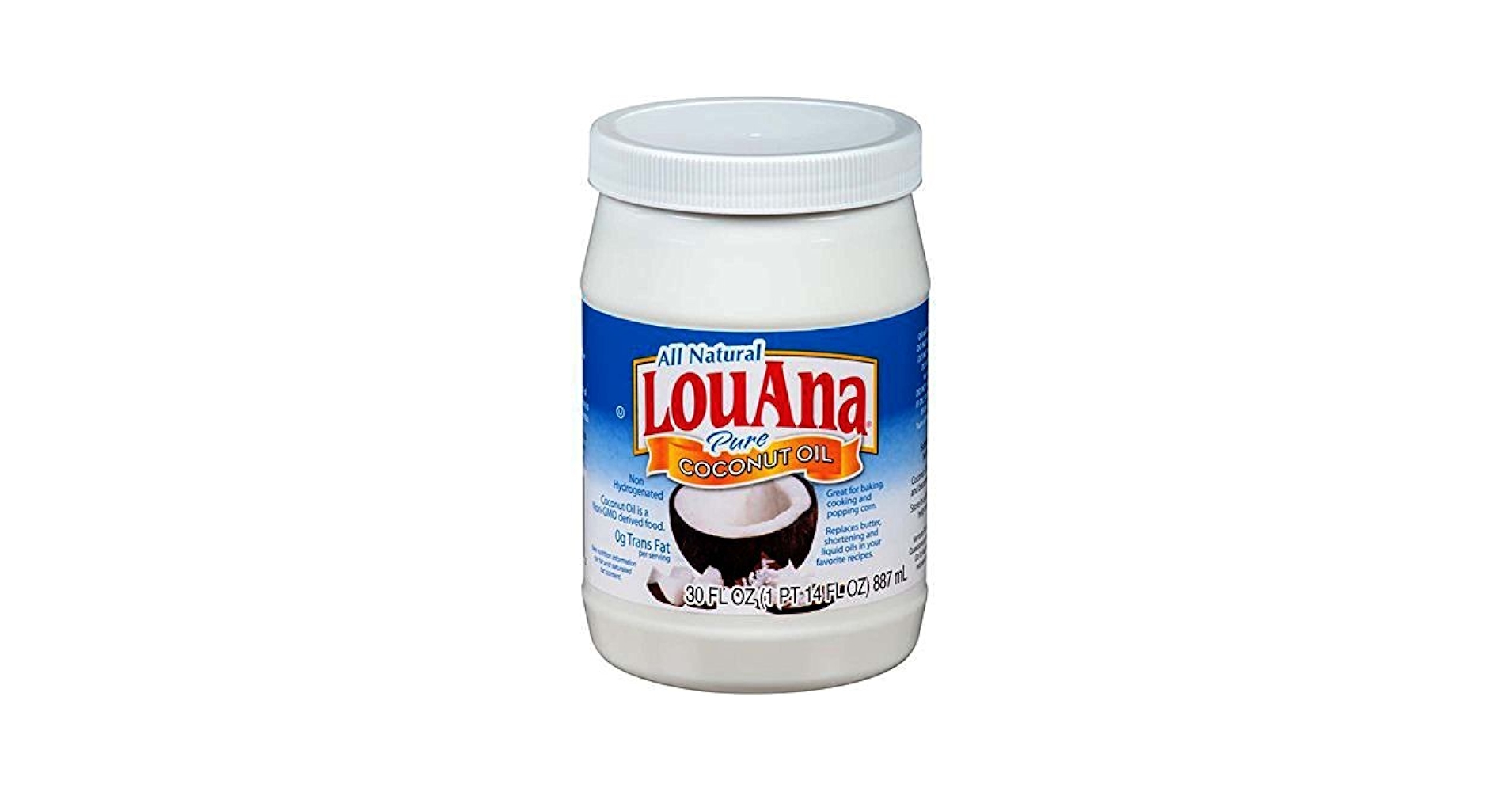
Have you ever wondered if the coconut oil sitting in your kitchen can double as an ingredient for soap making? If you’re thinking about making your own soap at home, this question is probably on your mind.
Using kitchen coconut oil might seem like a simple, cost-effective choice—but is it really the best option for your soap? Keep reading to discover how kitchen coconut oil stacks up in soap making, and whether it can give your homemade soap the quality and feel you want.
Your next soap project could depend on this!
Properties Of Kitchen Coconut Oil
Understanding the properties of kitchen coconut oil is essential before using it for soap making. Not all coconut oils are created equal, and the characteristics of the oil you have on hand can directly affect your soap’s texture, lather, and shelf life. Let’s break down what makes kitchen coconut oil unique and how it compares to oils designed specifically for cosmetic use.
Fatty Acid Composition
Coconut oil is rich in saturated fats, with lauric acid making up nearly 45-50% of its fatty acids. This high lauric acid content contributes to a hard soap that creates a bubbly, cleansing lather.
Other fatty acids found in coconut oil include myristic acid, palmitic acid, and caprylic acid. These fatty acids help balance the soap’s moisturizing and cleansing properties.
Knowing the fatty acid profile helps you predict how your soap will behave. Have you ever noticed how some soaps dry out your skin? It might be due to the fatty acid balance in the oils used.
Purity And Quality Factors
Kitchen coconut oil is often refined, bleached, and deodorized (RBD), especially if it's from a grocery store. These processes strip away impurities but can also remove some natural antioxidants and nutrients.
Unrefined or virgin coconut oil retains more of its natural compounds but may vary in color and smell. These factors can influence the scent and appearance of your soap.
Check the label and source of your kitchen coconut oil. Is it organic? Has it undergone chemical processing? These details matter more than you might think for soap quality.
Differences From Cosmetic Grade Oil
Cosmetic grade coconut oils are specifically processed to meet strict purity standards suitable for skin contact and formulation stability.
They often undergo additional testing to ensure they are free from contaminants and have consistent quality. Kitchen coconut oil may not meet these standards, which could affect the safety and performance of your soap.
Using kitchen coconut oil might save money, but ask yourself if you’re willing to compromise on the consistency and potential skin benefits. What matters more to you in your soap—cost or quality?
Benefits Of Using Coconut Oil In Soap
Coconut oil is a popular ingredient in soap making. It offers several benefits that improve soap quality. Using kitchen coconut oil in soap can enhance the soap's performance and skin care properties.
Lather And Cleansing Ability
Coconut oil helps produce a rich, bubbly lather. This lather cleanses the skin effectively by removing dirt and oils. It creates a fresh, clean feeling without harshness. Coconut oil soaps rinse off easily, leaving no residue behind.
Moisturizing Effects
Soaps made with coconut oil keep skin soft and hydrated. The oil locks in moisture during washing. It prevents dryness and irritation often caused by other soaps. This makes it suitable for all skin types, including sensitive skin.
Hardness And Longevity Of Soap
Coconut oil contributes to the soap’s hardness. Hard soap bars last longer and do not dissolve quickly. This makes the soap more economical to use. The firmness also helps maintain the soap’s shape over time.
Potential Drawbacks Of Kitchen Coconut Oil
Using kitchen coconut oil for soap making seems easy and affordable. Yet, it has some drawbacks that affect the soap quality. Knowing these issues helps you decide if this oil fits your soap needs.
Impurities And Contaminants
Kitchen coconut oil may contain impurities. These come from food residues or packaging. Such contaminants can affect soap clarity and texture. Soap makers prefer pure oils to avoid unwanted reactions. Impurities might also shorten the soap’s shelf life.
Odor And Color Variations
Kitchen coconut oil often carries food smells. These odors can transfer to the soap. It may result in a less fresh scent. The color of kitchen coconut oil can vary too. This variation impacts the soap’s appearance. Consistent color is important for soap buyers.
Shelf Life Concerns
Kitchen coconut oil might not last long on shelves. It can go rancid faster than refined soap oils. Rancid oil causes bad smells and reduces soap quality. Proper storage is harder with kitchen-grade oil. This short shelf life can waste your soap ingredients.
Credit: www.thesoapkitchen.co.uk
Expert Recommendations For Soap Making
Expert soap makers share valuable tips on using kitchen coconut oil. These insights ensure your soap is both effective and safe. Explore their recommendations to enhance your soap-making journey.
Choosing The Right Grade
Not all coconut oils are the same. For soap making, experts suggest using virgin or refined coconut oil. Virgin coconut oil retains more nutrients. Refined coconut oil offers a neutral scent and is often more affordable. Both types are suitable, but the choice depends on your preference and budget.
Testing Small Batches
Before committing to large quantities, try small batches first. This allows you to gauge the quality and outcome. It helps in understanding how coconut oil behaves in your soap recipe. Adjust the quantities and ingredients based on your results.
Blending With Other Oils
Coconut oil is excellent, but consider blending it with others. Olive oil adds moisture, while palm oil enhances hardness. Combining oils creates a balanced soap with better properties. Experiment with different ratios for best results.
Step-by-step Soap Making With Kitchen Coconut Oil
Using kitchen coconut oil for soap making can be a rewarding experience that connects your everyday cooking ingredient to a creative craft. The process is straightforward, but attention to detail is key to getting a bar of soap that feels great and lasts long. Here’s a clear breakdown of how you can turn your kitchen coconut oil into beautiful, useful soap.
Preparation And Measurements
Start by gathering all ingredients and tools: kitchen coconut oil, lye (sodium hydroxide), distilled water, a digital scale, mixing bowls, and safety gear like gloves and goggles. Accurate measurements are crucial because soap making is a chemical reaction; too much or too little lye can affect the final product.
Weigh your coconut oil precisely. A typical recipe might use about 500 grams of coconut oil. Then, calculate the amount of lye and water based on a reliable soap calculator to ensure the right balance. Remember, lye is caustic, so handle it carefully and always add lye to water, not the other way around.
Saponification Process
Once your lye solution has cooled to around 100°F (38°C), gently heat the coconut oil until it’s liquid and at a similar temperature. Slowly pour the lye solution into the oil while stirring continuously. Use a stick blender or whisk to mix until the mixture reaches "trace"—this means it thickens enough to leave a visible trail when dripped on the surface.
At this point, you can add fragrances, colorants, or exfoliants if you like. Pour the soap batter into molds and cover them with a towel to keep the heat in. The saponification happens here, turning the mixture into solid soap over the next 24 to 48 hours.
Curing And Storage Tips
After unmolding, the soap needs to cure for 4 to 6 weeks. This drying period allows excess water to evaporate, making the soap harder and longer-lasting. Place your soap bars on a rack in a cool, dry area with good air circulation.
Try not to rush this stage—cutting the soap too early can result in a soft bar that dissolves quickly. Curious about how your soap changes during curing? You might notice the scent intensify and the texture become smoother. Proper storage extends the life and quality of your handmade soap, so keep your bars away from direct sunlight and moisture.

Credit: www.thesoapkitchen.co.uk
Common Mistakes To Avoid
Making soap with kitchen coconut oil can be rewarding. Avoid common mistakes to ensure success. These errors can affect soap quality and safety. Understanding these pitfalls helps create better soap.
Overheating Oil
Overheating coconut oil can change its structure. High heat breaks down beneficial compounds. This affects the soap's texture and effectiveness. Keep the oil temperature moderate during soap making. Use a thermometer to monitor heat. Avoid heating oil directly on high flames.
Incorrect Lye Ratios
Lye and oil must be mixed in the right amount. Too much lye makes soap harsh and unsafe. Too little lye stops the soap from setting well. Always measure lye with precision. Use a reliable soap calculator to find correct ratios. Mixing by guesswork risks soap failure.
Ignoring Oil Quality
Kitchen coconut oil varies in quality and purity. Using low-quality oil can ruin the soap's properties. Check for freshness and clarity before use. Avoid oils with strong smells or contaminants. Pure, clean oil gives the best soap results. Store oil properly to maintain quality over time.

Credit: www.amazon.com
Frequently Asked Questions
Can Kitchen Coconut Oil Be Used For Soap Making?
Yes, kitchen coconut oil can be used for soap making. It produces a hard, cleansing bar with good lather. Ensure the oil is fresh and pure for best results.
Is Kitchen Coconut Oil Good For Homemade Soap?
Kitchen coconut oil is excellent for homemade soap. It adds moisturizing properties and creates a bubbly, fluffy lather. Use refined or virgin coconut oil based on your soap preferences.
What Type Of Coconut Oil Is Best For Soap?
Virgin or refined coconut oil works well for soap making. Virgin oil offers a natural scent, while refined oil is odorless. Both produce hard, cleansing bars with rich foam.
Can I Substitute Kitchen Coconut Oil In Soap Recipes?
Yes, kitchen coconut oil can substitute other oils in soap recipes. It enhances hardness and lather but may dry skin if used excessively. Balance it with moisturizing oils for softness.
Conclusion
Kitchen coconut oil works well for making soap at home. It helps create soap that is smooth and moisturizing. Using kitchen coconut oil is easy and affordable. Just make sure the oil is fresh and pure. Soap made with this oil can last long and clean gently.
Try small batches first to see how you like it. Soap making with coconut oil can be a fun and useful hobby. Give it a try and enjoy your homemade soap!