
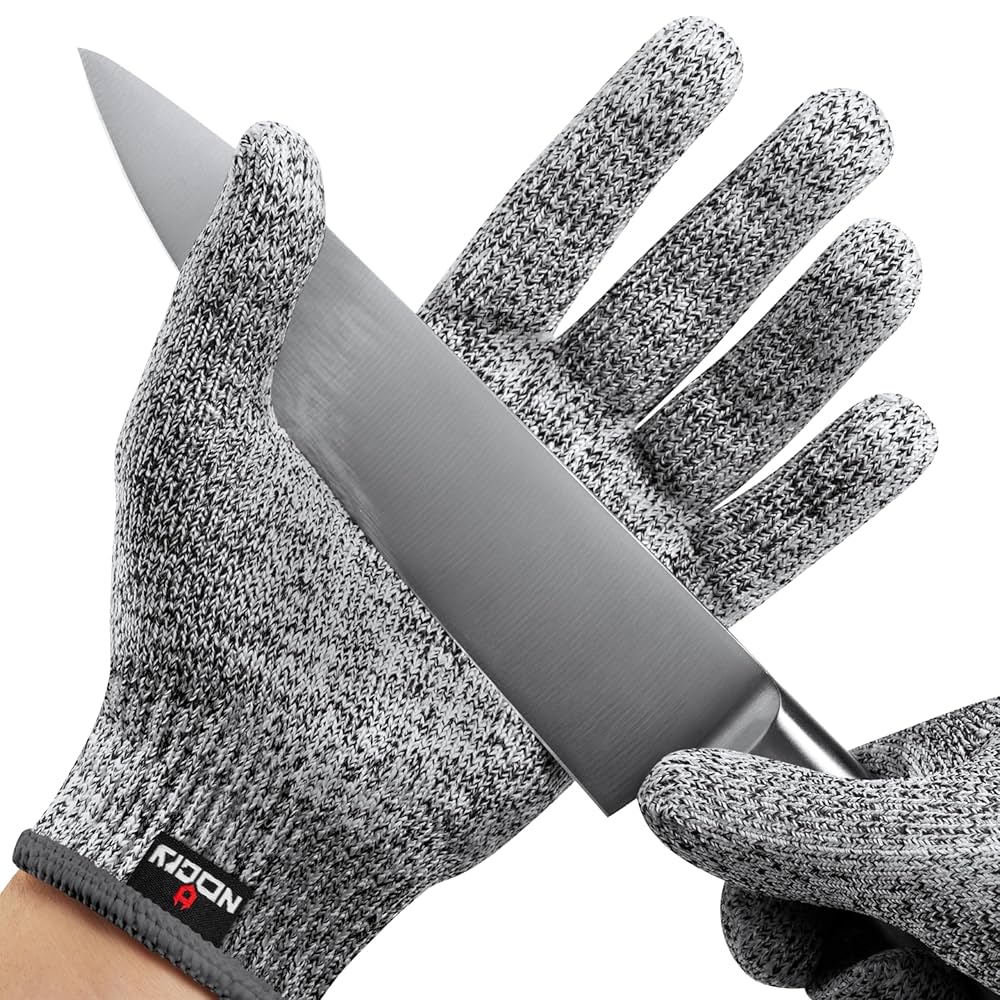
Are you worried that wearing knife-resistant gloves in the kitchen might damage your knives? You’re not alone.
Many home cooks and professionals wonder if these gloves, designed to protect your hands, could actually harm your blades. The truth might surprise you. Understanding how these gloves interact with your knives is key to keeping both your hands and your tools in perfect condition.
Keep reading to find out what really happens when your knife meets a resistant glove—and how to protect both effectively.
Knife Resistant Gloves In Kitchens
Knife resistant gloves play a key role in kitchen safety. They help protect hands from cuts and injuries during food preparation. These gloves reduce the risk of accidents while using sharp knives. Many chefs and home cooks rely on them for safer handling of blades.
Wearing knife resistant gloves does not harm knives. The gloves are designed to be tough but gentle on blades. They prevent slips and cuts without dulling or damaging the knife edges. This makes them practical and safe tools in busy kitchens.
Types Of Knife Resistant Gloves
- Cut-resistant gloves: Provide strong protection against sharp blades.
- Chainmail gloves: Made from metal links, offer high-level cut defense.
- Kevlar gloves: Lightweight and flexible, good for precise cutting tasks.
- Composite gloves: Combine different materials for balanced safety and comfort.
Materials Used
- Kevlar: A synthetic fiber known for cut resistance and durability.
- Steel mesh: Used in chainmail gloves for maximum blade protection.
- Dyneema: Ultra-high-molecular-weight polyethylene, lightweight and strong.
- Nylon and polyester blends: Add flexibility and breathability to gloves.
Common Uses
- Slicing and dicing vegetables and meats safely.
- Handling sharp tools like mandolins and slicers.
- Working in food processing plants with strict safety rules.
- Protecting hands during cleaning of sharp kitchen equipment.
Impact On Knife Blades
Glove knife-resistant kitchen gloves are designed to protect your hands, but what about their impact on your knife blades? Understanding how these gloves interact with your knives can help you maintain blade quality and sharpness. Let’s break down the effects gloves may have on your kitchen tools.
Potential For Blade Dulling
Knife-resistant gloves often contain materials like metal fibers or thick fabrics. These materials can create friction against the knife blade during cutting. Over time, this friction may contribute to blade dulling, especially if the gloves have rough textures.
However, the dulling effect is usually gradual. If you use gloves mainly for safety during tricky cuts, the impact on your blade may be minimal. Have you noticed your knife requiring sharpening more frequently after using gloves?
Effect On Knife Sharpness
Sharpness depends on the knife’s edge and how it interacts with surfaces. If gloves cause resistance or drag, they can subtly wear down the edge faster. But if the gloves are smooth and flexible, they might not affect sharpness much.
Consider testing different glove types with your knives. Some users find that gloves with a soft inner lining help maintain blade sharpness better. Would switching gloves improve your knife’s lifespan?
Comparing With Bare Hands
Cutting with bare hands offers no additional surface contact besides the food and cutting board. Gloves add an extra layer, which can introduce friction or pressure on the blade. This difference might accelerate dulling if the glove material is abrasive.
On the other hand, bare hands increase the risk of injury, which gloves prevent. Balancing safety and blade care is key. Could alternating between glove use and bare hands during less risky tasks protect your knives and fingers effectively?
Testing Knife Durability With Gloves
Testing knife durability while wearing knife-resistant gloves is crucial to understanding how these gloves impact both safety and the performance of your kitchen knives. It’s not just about protecting your hands; it’s also about ensuring your knives stay sharp and effective during use. Let’s look at how durability is tested in different settings to give you a clear picture.
Laboratory Tests
Laboratories use controlled environments to test knife durability with gloves. They measure how gloves affect the sharpness and edge retention of various kitchen knives after repeated cuts.
Some tests involve slicing through standardized materials that mimic food textures, both with and without gloves. This helps identify if gloves cause extra wear or if they protect knives from damage caused by accidental slips or mishandling.
Data shows that high-quality gloves with smooth surfaces tend to reduce friction, which can help maintain a knife’s edge longer. Have you ever wondered if your gloves could actually extend your knife’s life?
Real Kitchen Scenarios
In actual kitchens, knives face different challenges than in labs. Chefs often report that gloves can slightly change how their knife feels and handles, which might affect cutting technique.
Testing knives with gloves in busy kitchens involves cutting various ingredients like vegetables, meats, and bread. This real-world use reveals if gloves cause any unexpected dulling or damage to blades.
Interestingly, some chefs find that gloves help prevent tiny nicks caused by bones or hard surfaces, protecting the knife’s edge. Could wearing gloves be an easy way to avoid frequent sharpening sessions?
User Experiences
Home cooks and professionals share mixed experiences about knife durability when using resistant gloves. Many notice a small difference in how quickly their knives dull, but others feel gloves protect their blades from scratches and chips.
Some users mention that gloves with rough textures might wear down knives faster, while smooth, well-fitting gloves preserve blade quality. It’s important to choose gloves that balance protection for your hands and care for your knives.
What has your experience been? Have gloves helped keep your knives sharper longer, or have they caused unexpected wear?

Credit: www.amazon.com
Safety Vs. Knife Maintenance
Safety in the kitchen is crucial. Knife-resistant gloves offer protection from cuts. But do they harm the knives? This concern arises due to glove material and knife care. Balancing protection and knife maintenance is essential for kitchen safety and efficiency.
Balancing Protection And Care
Knife-resistant gloves protect hands from cuts. Yet, their material might affect knife sharpness. Some gloves have fibers that can dull blades. Always check glove material before use. Choose gloves that balance safety and knife care.
When To Use Gloves
Use gloves during high-risk tasks. Cutting tough vegetables or meat are examples. These tasks increase chances of slipping. Gloves can prevent injuries in such situations.
Alternatives For Hand Safety
- Use a knife guard for added protection.
- Practice proper cutting techniques.
- Keep knives sharp to reduce slipping risks.
These methods can enhance safety without harming knives.
Tips To Preserve Knife Edges
Preserving the edges of your kitchen knives is key for safe and efficient cooking. Sharp knives cut better and reduce accidents. Proper care extends the life of blades and keeps them performing well. Follow these tips to maintain your knife edges and enjoy smoother chopping.
Proper Cutting Techniques
Use a cutting board made of wood or plastic. Avoid cutting on hard surfaces like glass or stone. Hold the knife at the right angle for each cut. Slice with a smooth, controlled motion instead of chopping straight down. Avoid twisting or forcing the blade.
Regular Sharpening
Sharpen knives often to keep edges sharp and effective. Use a whetstone, honing rod, or professional service. Sharpening removes small nicks and realigns the blade edge. Honing helps maintain the edge between sharpenings. Dull knives require more force and can slip.
Glove Selection Guidelines
Choose gloves designed for kitchen use. Look for knife-resistant gloves made with materials like Kevlar or metal mesh. Ensure gloves fit snugly to keep control. Avoid thick gloves that reduce grip or precision. Replace gloves if they show signs of wear or damage.

Credit: www.amazon.com
Expert Opinions And Recommendations
Understanding expert opinions on glove knife resistant kitchen harm knives can help you make a smarter choice for your kitchen safety. Professionals from various fields share their thoughts on the effectiveness and impact of these gloves on knives. Let’s look at what chefs, manufacturers, and safety standards say about using these gloves around your blades.
Chefs’ Perspectives
Many chefs appreciate glove knife resistant kitchen harm gloves for the added protection they provide during prep work. Some have noticed that these gloves can slightly dull their knives over time, especially when the gloves have rough or abrasive surfaces.
However, others argue that the trade-off is worth it because the risk of cuts decreases significantly. One chef shared that while their knife edge needed more frequent sharpening, the gloves saved them from several painful accidents. Are you willing to accept minor blade wear for better hand safety?
Manufacturer Insights
Glove manufacturers often design knife resistant gloves with materials that balance protection and minimal knife impact. They recommend gloves made from high-performance fibers like Kevlar or Dyneema, which resist cuts without damaging blades.
Manufacturers also advise users to avoid gloves with coarse textures that could scrape or dull knives. Instead, gloves with smooth finishes can reduce friction and blade wear. Have you checked the glove material and texture before buying to protect your knives?
Safety Standards
Safety organizations set strict standards to evaluate the cut resistance of gloves, such as ANSI/ISEA or EN 388 ratings. These standards don’t measure how gloves affect knives but focus on how well gloves protect your hands from cuts.
It's important to choose gloves that meet these standards to ensure reliable protection. Still, the question remains: can you find gloves that offer high safety ratings without compromising your knife’s sharpness? Balancing both is possible with the right choice.

Credit: www.amazon.com
Frequently Asked Questions
Do Knife-resistant Gloves Damage Kitchen Knives?
No, knife-resistant gloves do not harm kitchen knives. They are designed to protect hands without dulling or scratching blades. These gloves are made with materials that resist cuts but remain gentle on knife edges, ensuring your knives stay sharp and safe during use.
Can Glove Materials Dull Kitchen Knives?
Glove materials like Kevlar or Dyneema are soft and flexible. They do not cause knife blades to dull. Unlike rough surfaces, these gloves protect hands without affecting knife sharpness, making them safe for both knives and users during food preparation.
Are All Knife-resistant Gloves Safe For Knives?
Most knife-resistant gloves are safe for knives, but quality varies. High-quality gloves prevent blade damage and maintain sharpness. Always choose gloves tested for cut resistance and knife safety to ensure optimal protection without compromising your kitchen knives.
How Do Gloves Protect Hands Without Hurting Knives?
Knife-resistant gloves protect hands using cut-resistant fibers that absorb impact. They prevent cuts without abrasive surfaces that harm blades. This balance allows safe cutting while keeping knives sharp and gloves intact, improving kitchen safety and efficiency.
Conclusion
Wearing knife-resistant gloves does not harm your kitchen knives. These gloves protect your hands without dulling the blade. Knives stay sharp longer with proper use and care. Avoid cutting on hard surfaces to keep edges intact. Gloves add safety, reducing accidents while you work.
Choose gloves made for kitchen tasks to ensure comfort. Overall, glove use supports both safety and knife health. Keep your knives sharp and your hands safe every time. Simple habits make a big difference in the kitchen.