
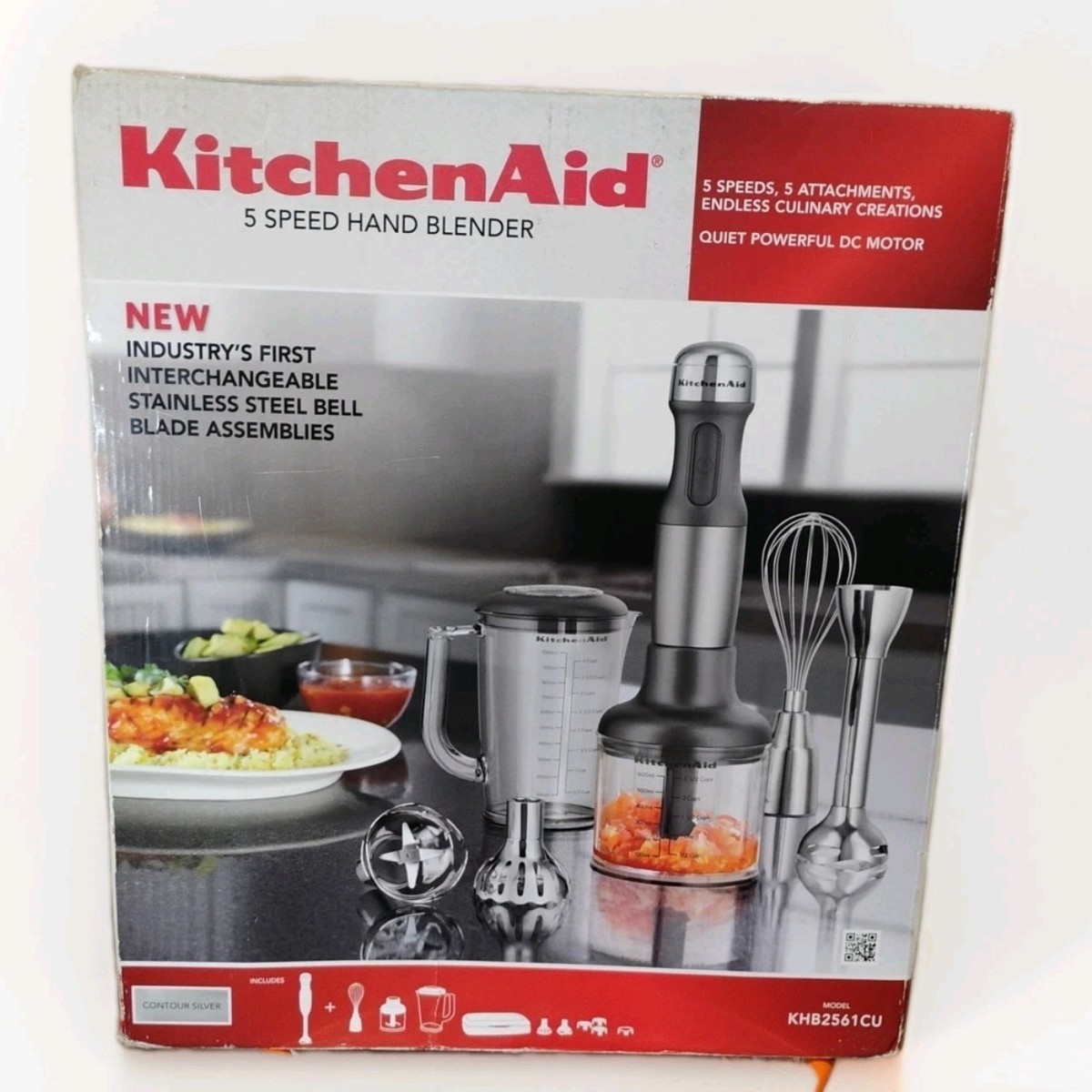
If you own a KitchenAid mixer and are thinking about adding a blender pitcher, you might wonder: Are KitchenAid mixer blender pitchers interchangeable? You want to make sure your purchase fits perfectly and works smoothly with your existing mixer.
Imagine the frustration of buying the wrong pitcher or struggling to swap parts that just don’t match. You’ll discover exactly which KitchenAid blender pitchers fit your mixer and how to avoid costly mistakes. Keep reading, and you’ll gain the confidence to upgrade your kitchen gear without any guesswork.
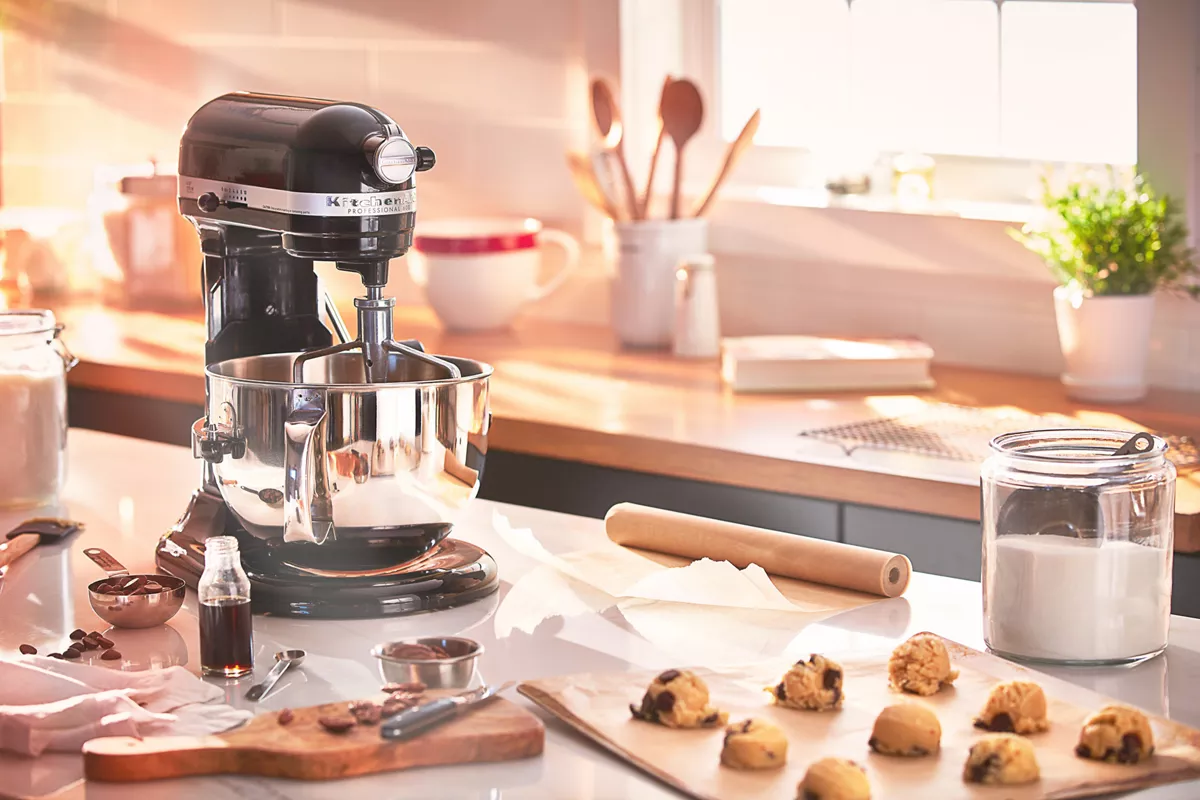
Credit: www.kitchenaid.in
Mixer And Blender Basics
Understanding the basics of mixers and blenders is essential before figuring out if their pitchers are interchangeable. Both are staples in many kitchens, but they serve different purposes and operate differently. Knowing these differences can help you make smarter choices about your kitchen tools and how to use them effectively.
Key Differences
Mixers are designed primarily for combining ingredients like dough, batter, and creams. They work with beaters or dough hooks to mix at various speeds without chopping or pureeing. Blenders, on the other hand, focus on breaking down solid ingredients into liquids or smooth textures using sharp blades and high speed.
Think about what you usually prepare: Are you whipping up cakes and breads, or making smoothies and soups? This matters because mixer pitchers are often shallow and wide to accommodate mixing, while blender pitchers are taller and narrower to ensure proper blending and circulation.
Common Features
Both mixers and blenders typically come with removable pitchers or bowls for easy cleaning. They also have multiple speed settings to give you control over the process. Most are built with durable materials like glass, plastic, or stainless steel to handle frequent use.
Despite their differences, both appliances aim to make food preparation faster and more efficient. You might find that some Kitchen Aid attachments or pitchers look similar at first glance, but their design supports very specific functions. Have you ever tried using a mixer bowl on a blender base? It usually doesn’t fit or work properly, highlighting the importance of using the right pitcher for the right appliance.

Credit: www.amazon.com
Pitcher Compatibility
Understanding pitcher compatibility is crucial if you want to get the most out of your KitchenAid mixer blender. Not all pitchers fit every model, which can lead to frustration if you try to swap parts without checking compatibility first. Knowing the differences in models and how attachments connect will save you time and prevent damage to your mixer or pitcher.
Model Variations
KitchenAid offers a range of mixer models, each designed with specific pitcher sizes and shapes in mind. For instance, the Classic series usually supports smaller pitchers, while the Professional and Artisan lines accommodate larger ones. Even subtle design changes between model years can affect whether a pitcher fits correctly.
Have you ever bought an accessory only to find it doesn’t fit your mixer? That’s often due to these variations. Always check the model number before purchasing a new pitcher to avoid compatibility issues.
Attachment Mechanisms
The way pitchers attach to KitchenAid mixers varies and impacts interchangeability. Some pitchers use a twist-lock system, while others rely on a simple snap-on mechanism. This means a pitcher from one model might physically fit but won’t lock in place securely on another.
Knowing your mixer's attachment style helps you choose the right pitcher. It’s a detail many overlook, but it makes a big difference in how stable and safe your blender setup feels during use. Have you ever had a pitcher wobble or come loose? That’s a sign your attachment mechanism isn’t compatible.
Interchangeability Factors
Understanding whether KitchenAid mixer blender pitchers are interchangeable depends on a few key factors. These factors affect how well different pitchers fit and work with your mixer base. Paying attention to these details can save you from buying incompatible parts and make your kitchen tasks smoother.
Size And Shape
The size and shape of the pitcher play a huge role in interchangeability. KitchenAid offers pitchers in various capacities and designs, and not all of them fit every mixer model. If the pitcher is too large or has a different shape, it might not lock properly or could throw off the balance during use.
Think about the pitcher’s base diameter and height. Does it match your mixer’s attachment hub? If not, you could end up with a pitcher that wobbles or won’t connect securely. Checking these measurements before buying can prevent frustration.
Motor Power
Your mixer’s motor power affects which pitchers you can safely use. Heavier or larger pitchers require more motor strength to blend efficiently. Using a large pitcher on a mixer with lower motor power might strain the machine and reduce its lifespan.
Have you noticed your mixer struggling with thick ingredients? That’s often a sign the pitcher size or the motor power isn’t compatible. Matching your pitcher to your mixer’s wattage or horsepower rating ensures smooth operation and protects your investment.
Safety Locks
Safety locks are essential for pitcher interchangeability. KitchenAid designs specific locking mechanisms that secure the pitcher to the mixer base. If the pitcher’s lock system doesn’t align with your mixer, it simply won’t attach or could detach during use, which is dangerous.
Always verify the lock type before swapping pitchers. Sometimes, even small design changes between models affect how the lock functions. Have you ever had a pitcher come loose mid-blend? That’s a clear sign the safety lock system wasn’t compatible.
Popular Kitchenaid Pitchers
KitchenAid mixers are beloved in many kitchens. Their versatility and durability are unmatched. But how do their pitchers compare? Let's explore popular KitchenAid pitchers. We'll see how they enhance your culinary experience. Understanding these pitchers helps in making the right choice. Discover the features of each type below.
Standard Mixer Bowls
Standard mixer bowls are essential for baking. They come in various sizes. Stainless steel is common for its durability. Glass bowls are also available for aesthetic appeal. Some have measurement markings. This helps in precise ingredient measurement. These bowls are easy to clean.
Blender Jars
Blender jars handle smoothies and soups with ease. They are built for high-speed blending. Most are made of BPA-free plastic or glass. This ensures safety and durability. Their design allows easy pouring. Some jars come with measurement marks. This helps in mixing accurate proportions. They are dishwasher safe for convenience.
Food Processor Bowls
Food processor bowls are great for slicing and dicing. They offer different capacities. Most are made from sturdy plastic. This resists wear and tear. They come with lids to prevent spills. Some models include additional blades. This adds versatility to your tasks. These bowls are easy to assemble and clean.
Tips For Swapping Pitchers
Swapping Kitchen Aid mixer blender pitchers can be a simple task if you pay close attention to a few key points. Understanding the right way to handle your pitchers not only extends their lifespan but also keeps your kitchen safe. Here are some essential tips to help you switch pitchers smoothly and confidently.
Checking Compatibility
Not all Kitchen Aid mixer blender pitchers fit every model. Before you try swapping, check if your mixer and pitcher are designed to work together. Look at the model numbers or consult the user manual to confirm compatibility.
Using an incompatible pitcher can cause poor performance or even damage your mixer. Have you ever tried fitting a pitcher only to find it wobbles or doesn’t lock in place? That’s usually a sign of incompatibility.
Avoiding Damage
Handling your pitchers with care is crucial. Avoid forcing the pitcher onto the base if it doesn’t fit easily; this can crack the plastic or damage the locking mechanism. Instead, check for any obstructions or misalignments.
Also, never use a cracked or chipped pitcher, as this can be unsafe during blending. Think about how a small chip can worsen over time with vibrations—it's better to replace than risk a mess or injury.
Proper Installation
To install the pitcher correctly, place it gently onto the mixer base, aligning the tabs or notches as indicated in your manual. Twist or lock it into place firmly but without excessive force.
Make sure the pitcher feels stable and secure before you start blending. If it moves or feels loose, remove it and try again. Have you noticed how a secure fit makes blending quieter and more efficient? That’s a good sign your pitcher is properly installed.
Troubleshooting Common Issues
Facing issues with your Kitchen Aid mixer blender pitchers can be frustrating, especially when you're ready to prepare a meal. Troubleshooting common problems quickly can save you time and prevent damage. Let’s look at some typical issues and how you can fix them effectively.
Pitcher Won't Fit
If your pitcher doesn't fit onto the mixer base, check if you’re using the correct model. Kitchen Aid offers various pitcher sizes and shapes, and not all are interchangeable. Sometimes, debris or leftover food residue in the locking mechanism can block proper attachment.
Try cleaning the base and pitcher edges thoroughly. Also, ensure the pitcher is aligned correctly before twisting it into place. Have you noticed any recent changes in your mixer setup that might explain this fit problem?
Motor Overload
The motor can overload if the pitcher is too full or if you're blending tough ingredients. Overloading causes the mixer to slow down or shut off to protect itself. To avoid this, add ingredients gradually and avoid blending large quantities at once.
If your mixer frequently overheats, give it time to cool down before restarting. Listening to how your mixer handles different loads can help you adjust your blending routine and extend its life.
Unusual Noises
Strange sounds like grinding or rattling often indicate that something isn’t aligned or lubricated properly. It could be the pitcher not seated correctly or a worn-out part inside the mixer. Ignoring these noises might lead to bigger mechanical problems.
Start by removing and reattaching the pitcher securely. If the noise persists, inspect the blades and motor housing for any visible damage. Have you checked if your mixer’s parts need maintenance or replacement recently?
Maintenance And Care
Keeping your Kitchen Aid mixer blender pitchers in good shape requires simple yet consistent maintenance. Proper care not only preserves their performance but also extends their lifespan. Small changes in how you clean, store, and handle your pitchers can make a big difference over time.
Cleaning Guidelines
After each use, rinse your pitcher immediately to prevent residue from drying and sticking. Use warm, soapy water and a soft sponge to clean the blades and the inside thoroughly. Avoid abrasive scrubbers that can scratch the surface and affect the pitcher’s durability.
Some pitchers are dishwasher-safe, but double-check your model’s instructions first. Hand washing is often gentler and helps maintain the pitcher’s finish longer. Don’t forget to clean the lid and gasket separately to stop mold or odors from building up.
Storage Tips
Store your blender pitcher in a dry place with the lid off or loosely placed on top. This prevents moisture buildup and keeps the pitcher smelling fresh. Avoid stacking heavy items on it to prevent cracks or warping.
If you have multiple pitchers, label them or keep them in designated spots to avoid confusion and accidental damage. You might also consider storing blades separately if your model allows it, reducing wear and tear from constant assembly and disassembly.
Extending Pitcher Life
Handle your pitcher with care, especially when attaching or detaching it from the mixer base. Avoid overfilling it to prevent leaks or strain on the seals. Using the right speed settings for your ingredients also minimizes stress on the blades and motor.
Think about how often you use each pitcher and rotate their usage if possible. This balanced approach prevents any single pitcher from wearing out too quickly. Have you noticed a pitcher that feels less sharp or doesn’t seal well? Addressing small issues early can save you from costly replacements later.
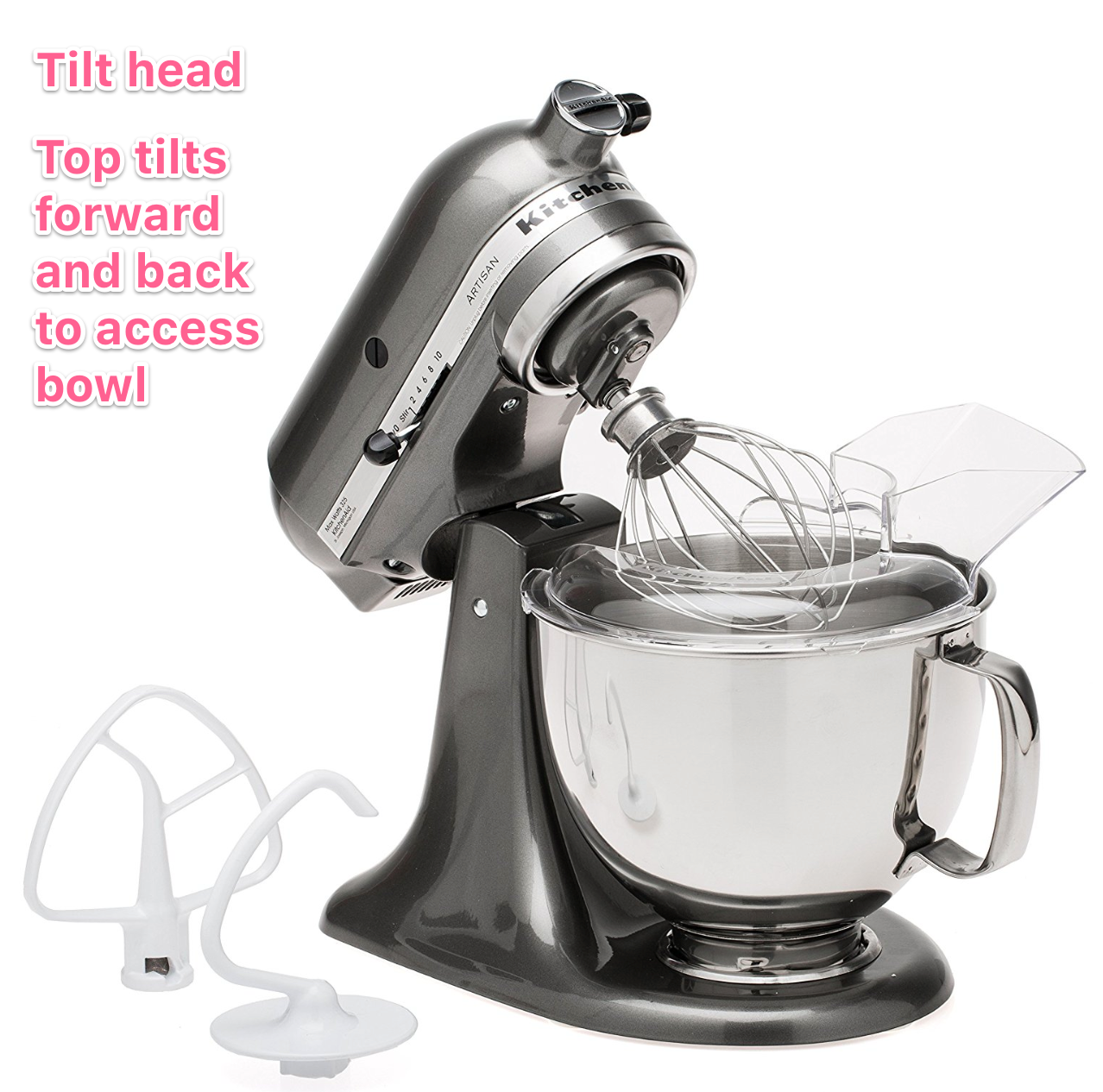
Credit: medium.com
Frequently Asked Questions
Are Kitchen Aid Mixer And Blender Pitchers Interchangeable?
No, Kitchen Aid mixer and blender pitchers are not interchangeable. Mixers use attachments, while blenders have built-in blades. Their designs and functions differ significantly, so swapping pitchers may cause damage or improper operation.
Can I Use Any Kitchen Aid Pitcher On My Mixer?
No, not all Kitchen Aid pitchers fit every mixer model. Pitchers are designed for specific models and purposes. Always check compatibility before purchasing to ensure proper fit and performance.
What Makes Kitchen Aid Blender Pitchers Unique?
Kitchen Aid blender pitchers have built-in blades for blending tasks. They are made of durable materials and designed to fit specific blender bases. This design differs from mixer attachments that rely on external blades.
How To Know If Kitchen Aid Pitchers Are Compatible?
Check the product manual or Kitchen Aid’s official website for compatibility charts. Verify model numbers and pitcher types before buying. This ensures safe use and optimal performance.
Conclusion
Kitchen Aid mixer blender pitchers are not always interchangeable. Different models have unique designs and sizes. Mixing parts may fit one model but not another. Always check your mixer's manual before swapping pitchers. Using the wrong pitcher can cause damage or poor performance.
Choose the right pitcher for your specific mixer model. This helps ensure safety and better results. Knowing this saves time and avoids frustration. Keep your Kitchen Aid working well by using correct parts. Simple steps make your kitchen tasks easier and safer.