
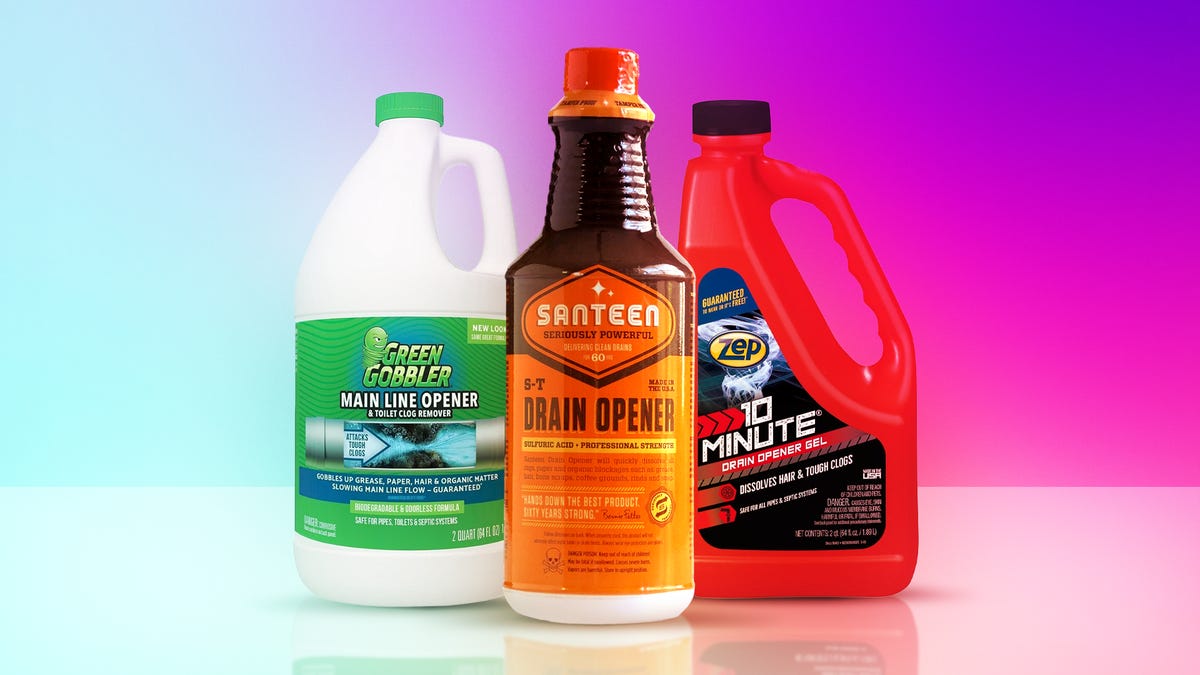
What is the Best Kitchen Drain Cleaner. Is your kitchen sink slow to drain or starting to smell unpleasant? You’re not alone.
A clogged drain can turn your daily routine into a frustrating chore. Finding the best kitchen drain cleaner can save you time, money, and stress. But with so many options out there, how do you know which one really works?
You’ll discover simple, effective solutions to clear your drain fast and keep it flowing smoothly. Keep reading—you’re just a few steps away from saying goodbye to that stubborn clog for good.
Common Kitchen Drain Problems
Kitchen drains face many common problems that disrupt daily chores. These issues cause slow drainage, unpleasant odors, and even backups. Understanding these problems helps in choosing the best kitchen drain cleaner. Knowing the causes and signs of drain troubles saves time and money on repairs.
Causes Of Clogs
- Food scraps like grease, oil, and coffee grounds block pipes.
- Soap scum mixes with debris to form sticky clogs.
- Hair and dirt accumulate inside the drain over time.
- Small objects accidentally dropped into the sink cause blockages.
- Hard water leaves mineral deposits that narrow pipes.
Signs Of Drain Issues
- Water drains slowly or pools around the sink area.
- Foul odors come from the drain or nearby pipes.
- Gurgling sounds occur when water is draining.
- Water backs up into the sink or dishwasher.
- Frequent need to use a plunger or drain cleaner.

Credit: www.cnet.com
Types Of Drain Cleaners
Choosing the right kitchen drain cleaner can save you time, money, and frustration. Different types of cleaners work in different ways, and understanding these options helps you pick the best one for your specific problem. Let’s break down the main types of drain cleaners and how they operate.
Chemical Cleaners
Chemical drain cleaners use strong substances like lye or acid to dissolve clogs. They work fast and are often effective against grease, hair, and soap buildup. However, they can be harsh on your pipes and harmful if not handled carefully.
If you’ve ever poured a chemical cleaner down your drain, you know it can clear a blockage quickly—but it might leave a strong smell or cause pipe damage if overused. Always follow the instructions and wear gloves to protect your skin.
Natural Cleaners
Natural drain cleaners use common household ingredients like baking soda, vinegar, and hot water. They are safer for your pipes and the environment but may take longer to work on tough clogs. These cleaners are great for routine maintenance and mild blockages.
Have you tried mixing baking soda and vinegar for a fizzy drain cleaner? It’s a simple trick that can clear minor slowdowns without chemicals. Plus, it’s budget-friendly and easy to do with things already in your kitchen.
Enzyme-based Cleaners
Enzyme-based cleaners use natural bacteria or enzymes to break down organic material like food scraps and grease. They work slower than chemical cleaners but are gentle on pipes and eco-friendly. This type is perfect for ongoing drain care and preventing future clogs.
If you want a product that supports your plumbing’s health over time, enzyme cleaners are worth considering. They don’t create harsh fumes and can keep your drains running smoothly with regular use.
Top Chemical Drain Cleaners
Chemical drain cleaners are a popular choice for quickly clearing clogged kitchen drains. These products use powerful formulas designed to break down hair, grease, and food buildup. But with so many options available, knowing which one suits your needs can be tricky.
Features And Benefits
Chemical drain cleaners offer fast action, often clearing blockages within minutes. Many contain enzymes or strong alkaline substances that dissolve organic matter effectively. Some products also prevent future clogs by leaving behind a protective layer inside your pipes.
Look for cleaners that specify compatibility with your plumbing type to avoid damage. Products with a gel formula stick better to clogs, increasing their effectiveness. Plus, several brands come in eco-friendly versions, reducing harsh chemical exposure.
Safety Considerations
Handling chemical drain cleaners requires caution. Always wear gloves and avoid inhaling fumes during application. Mixing different chemical products can cause dangerous reactions, so stick to one cleaner at a time.
Ask yourself: Is a chemical cleaner safe for your home's pipes, especially if you have older plumbing? Some formulas can corrode metal pipes or damage septic systems. Reading labels carefully and following instructions is essential to protect both your home and health.
Best Natural Drain Cleaners
Blocked drains are a common kitchen issue. Many people seek natural solutions for this problem. Natural drain cleaners are both effective and safe for the environment. They avoid harsh chemicals and keep your kitchen eco-friendly. Let's explore some top natural drain cleaning options.
Eco-friendly Options
Eco-friendly drain cleaners use simple ingredients. Common choices include baking soda and vinegar. These ingredients break down clogs without harming pipes. They are non-toxic and safe for septic systems. Other natural options are lemon juice and salt. They clean and deodorize your drains efficiently.
Effectiveness And Usage
Natural cleaners work well for minor clogs. To use baking soda and vinegar, pour half a cup of baking soda down the drain. Follow it with half a cup of vinegar. Let it sit for about 30 minutes. Then, flush with hot water. Lemon juice and salt can be used similarly. They tackle grease and food residue effectively.
Enzyme Cleaners For Ongoing Maintenance
Enzyme cleaners offer a natural way to keep kitchen drains clear. They work gently but effectively on organic waste. Using these cleaners regularly prevents clogs and bad smells. They are safe for pipes and the environment. Perfect for ongoing maintenance, enzyme cleaners help avoid harsh chemicals.
How Enzyme Cleaners Work
Enzyme cleaners use natural bacteria and enzymes to break down waste. These enzymes eat through grease, food scraps, and other organic materials. This process turns clogs into liquid that flows easily. Enzyme cleaners do not harm pipes or septic systems. They work slowly but keep drains clean over time. Regular use stops buildup before it becomes a problem.
Recommended Products
- Bio-Clean Drain Septic Bacteria:A trusted enzyme cleaner that targets organic waste and grease.
- Green Gobbler Drain Clog Dissolver:Uses natural enzymes to clear slow drains and prevent blockages.
- Earthworm Family Safe Drain Cleaner:Safe for all pipes and septic tanks, great for regular use.
- Zep Enzyme Cleaner:Effective for ongoing maintenance, breaks down organic matter gently.

Credit: drano.com
Tips For Choosing A Drain Cleaner
Choosing the right kitchen drain cleaner can save you time, money, and frustration. Not every product works well for all types of drains or clogs, so understanding key factors before buying is essential. Here are some practical tips to help you pick a cleaner that matches your needs perfectly.
Assessing Drain Type
First, identify what kind of drain you have. Is it made of PVC, metal, or cast iron? Some chemical cleaners can damage certain materials, so knowing your drain’s composition helps avoid costly repairs.
Also, consider the clog type. Is it grease buildup, hair, or food particles? Specific cleaners target different blockages more effectively. For example, enzyme-based cleaners work well on organic matter but might be slow on grease.
Evaluating Product Ingredients
Look closely at the ingredients list. Harsh chemicals like sulfuric acid or lye act fast but can be dangerous to handle and harmful to pipes if overused. If you have kids or pets, safety should be a priority.
Natural enzymes or bacteria-based cleaners take longer but offer a gentler, safer approach. Have you ever tried a cleaner that left a bad smell or irritated your skin? That’s a sign to choose products with milder ingredients.
Considering Environmental Impact
Drain cleaners can affect more than just your pipes—they impact the environment too. Biodegradable and eco-friendly options reduce pollution and protect water systems.
Think about how often you need to use the cleaner. Frequent use of toxic chemicals can build up in the environment. Would you rather pick a product that cleans effectively without harming the planet?
Preventing Future Drain Clogs
Preventing future drain clogs is key to keeping your kitchen running smoothly. Clogs cause slow drains, bad smells, and costly repairs. Simple habits and careful use reduce buildup and blockages. A little effort today saves time and money later.
Regular Maintenance Habits
Cleaning drains regularly helps stop clogs before they form. Pour hot water down the drain weekly to clear grease and soap. Use a drain strainer to catch food and debris. Avoid harsh chemicals that can damage pipes. Instead, try natural cleaners like baking soda and vinegar. Schedule periodic checks to spot early signs of blockages. These small actions keep water flowing freely and pipes healthy.
Avoiding Common Mistakes
Many clogs come from simple mistakes in daily kitchen use. Avoid pouring grease or oil down the drain; it hardens and blocks pipes. Do not flush coffee grounds, eggshells, or large food bits. These materials stick and cause buildup. Be careful with chemical drain cleaners; overuse can weaken pipes. Teach everyone in the home about safe drain habits. Preventing problems starts with smart daily choices.

Credit: drano.com
Frequently Asked Questions
What Is The Best Kitchen Drain Cleaner For Tough Clogs?
The best kitchen drain cleaner for tough clogs is an enzymatic or bacterial formula. It breaks down grease and food particles effectively without harming pipes.
Are Natural Drain Cleaners Effective For Kitchen Drains?
Yes, natural drain cleaners like baking soda and vinegar work well for minor clogs. They are safe, eco-friendly, and prevent harsh chemical damage.
How Often Should I Use A Kitchen Drain Cleaner?
Using a kitchen drain cleaner once a month helps prevent buildup. Regular use keeps drains clear and reduces the chance of slow drainage.
Can Chemical Drain Cleaners Damage Kitchen Pipes?
Yes, harsh chemical drain cleaners can corrode pipes over time. Use them sparingly and consider safer alternatives like enzymatic cleaners.
Conclusion
Choosing the best kitchen drain cleaner helps keep your pipes clear and fresh. Regular cleaning stops clogs and bad smells. Use the cleaner that fits your needs and safety. Always follow the instructions on the product label. Simple care keeps your kitchen drain working well longer.
Clean drains mean less hassle and fewer repairs. A good drain cleaner saves time and money. Try one today and see the difference yourself.