
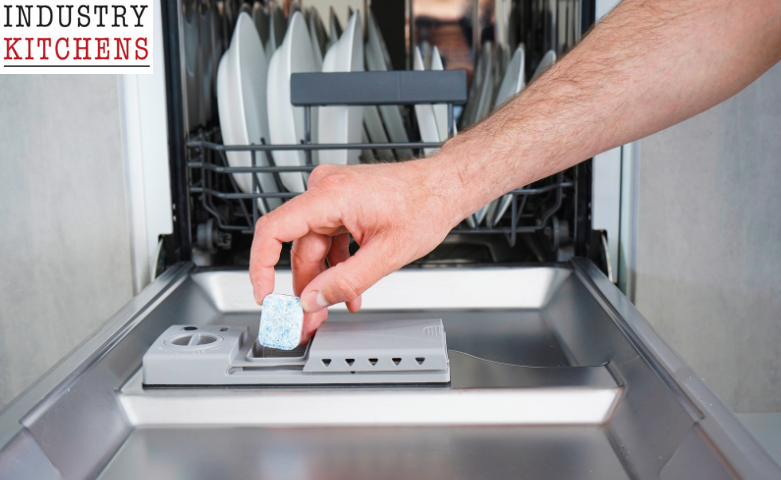
You might be wondering if using dish detergent in your Kitchen Aid dishwasher is a smart idea. After all, it seems like a quick fix when you run out of dishwasher soap.
But could this simple choice actually harm your dishwasher? If you want to protect your appliance and avoid costly repairs, it’s important to understand what really happens when you use dish detergent in a dishwasher. Keep reading to learn the surprising truth and how to keep your Kitchen Aid running smoothly for years to come.

Credit: www.industrykitchens.com.au
Why Dish Detergent Differs From Dishwasher Detergent
Understanding why dish detergent differs from dishwasher detergent is essential before using either in your Kitchen Aid dishwasher. These two products may look similar, but they serve very different purposes and contain distinct ingredients. Using the wrong type can lead to poor cleaning results or even damage your dishwasher.
Chemical Composition
Dish detergent, meant for handwashing, contains ingredients that create a lot of suds to help loosen food particles. It often includes harsh surfactants designed to cut through grease quickly. Dishwasher detergent, on the other hand, has a different chemical makeup that focuses on breaking down food without producing excessive foam.
The chemicals in dishwasher detergent are carefully balanced to work with the appliance's water pressure and temperature. Using dish detergent in a dishwasher can cause too many suds, which may overflow and damage internal components. Have you ever noticed your dishwasher filling with bubbles after a cycle? That’s a sign of the wrong detergent at work.
Foaming Properties
Foam is good when washing dishes by hand because it traps and lifts dirt away. However, in a dishwasher, too much foam disrupts the cleaning process. Dishwasher detergents are formulated to produce minimal suds, allowing water jets to spray dishes effectively without interference.
Using regular dish detergent can result in an overflow of foam, leading to leaks and potential mechanical problems. Think about the last time you accidentally used dish soap in the dishwasher—did you see bubbles everywhere? That’s exactly why foam control matters.
Designed Usage
Dish detergents are designed for quick rinsing by hand, meaning they rinse off easily and don’t require long cycles to work. Dishwasher detergents are made to perform in a high-temperature, long-cycle environment where enzymes and other ingredients break down stubborn residues.
Using dish detergent in your Kitchen Aid dishwasher means you risk poor cleaning and machine damage because it won’t dissolve or rinse properly during the cycle. Your dishwasher expects a detergent that complements its mechanics—using the right product ensures efficient, thorough cleaning without harm.
What Happens When You Use Dish Detergent In A Dishwasher
Using regular dish detergent instead of dishwasher detergent in your KitchenAid dishwasher might seem harmless, but it can cause some serious issues. The two types of detergents are formulated differently, and your dishwasher’s design expects a specific kind. What happens inside your machine when you swap the right detergent for the wrong one can affect both its operation and lifespan.
Excessive Suds And Overflow
Dish detergent creates a lot more suds than dishwasher detergent. These suds don’t rinse away easily and can overflow from the dishwasher door or vents. Have you ever noticed bubbles spilling onto the kitchen floor after a wash cycle? That’s a clear sign of excessive sudsing caused by the wrong detergent.
Excess suds can trigger your dishwasher’s sensors to stop the cycle abruptly, leaving your dishes wet and dirty. Worse, the overflow can damage your kitchen floor or cabinetry if not cleaned up quickly. You might think a little extra foam means better cleaning, but it actually spells trouble.
Potential Damage To Internal Parts
The thick foam can get inside components like the pump, motor, and drain system. Over time, this can lead to clogs or wear and tear that your warranty won’t cover. I once heard from a reader who had to replace their dishwasher’s circulation pump after repeatedly using dish detergent. It’s an expensive mistake that’s easy to avoid.
Dish detergents also aren’t designed to break down in the dishwasher environment, so residue can build up on parts. This buildup reduces efficiency and can cause leaks or mechanical failure. Your KitchenAid dishwasher needs the right kind of detergent to keep its internal parts working smoothly.
Impact On Cleaning Performance
You might expect your dishes to come out cleaner with regular dish soap, but the opposite usually happens. The heavy suds prevent the spray arms from rotating properly, which means water doesn’t reach all surfaces. Have you ever found spots or film on your plates after a cycle?
Using the wrong detergent can leave food particles and grease behind, making your dishwasher less effective. It’s frustrating to spend time loading and running the dishwasher only to have to wash some items by hand afterward. Sticking to dishwasher detergent ensures your KitchenAid cleans thoroughly every time.
Risks Specific To Kitchen Aid Dishwashers
KitchenAid dishwashers have specific risks related to using dish detergent incorrectly. Their design and technology make them sensitive to certain cleaning agents. Using the wrong detergent can lead to damage or poor performance.
Understanding these risks helps avoid costly repairs and keeps the dishwasher working well. Below are key points about the unique risks tied to KitchenAid models.
Unique Features And Vulnerabilities
KitchenAid dishwashers use advanced sensors and special wash cycles. These features rely on proper detergent formulas. Dish detergent made for handwashing can create excess suds. Suds can trigger overflow or sensor errors. This may cause the dishwasher to stop mid-cycle or leak water.
The stainless steel tubs in KitchenAid models resist stains but can get scratched by harsh chemicals. Some detergents contain additives that wear down these surfaces faster. This reduces the lifespan of the dishwasher’s interior.
Warranty Concerns
KitchenAid warranties often exclude damage from improper detergent use. Using dish detergent instead of dishwasher detergent may void the warranty. Repairs from detergent-related damage might not be covered. This leads to higher out-of-pocket costs for owners.
Always follow KitchenAid’s guidelines for detergent types. This helps keep warranty protection intact and avoids unexpected expenses.
Common User Mistakes
- Using regular dish soap instead of dishwasher detergent.
- Adding too much detergent, causing suds and leaks.
- Mixing detergents from different brands or types.
- Ignoring error messages related to detergent or sensors.
These mistakes cause mechanical issues and poor cleaning results. Users should read the manual carefully and use recommended products only.

Credit: www.industrykitchens.com.au
Signs Your Dishwasher Might Be Damaged
Spotting damage in your Kitchen Aid dishwasher early can save you hassle. Look out for these key signs that might indicate something is wrong. Catching these symptoms early can prevent further damage.
Unusual Noises
If your dishwasher makes strange sounds, something could be wrong. Grinding, thumping, or banging noises aren't normal. These sounds may mean parts are loose or damaged. Listen closely during the wash cycle. Any unusual noise might signal a need for inspection.
Poor Cleaning Results
Are your dishes still dirty after a wash? This can indicate an issue. Check if food particles stick to plates or glasses. Poor cleaning often points to a problem with the spray arms or filters. Your dishwasher should leave items spotless. Anything less is a red flag.
Leaks And Water Damage
Water pooling around the dishwasher is a serious sign. Leaks might stem from a faulty door seal or a cracked hose. Check for damp spots or water stains nearby. Water damage can extend beyond the dishwasher, affecting floors and cabinets. Address any leaks immediately to prevent further harm.
Steps To Take If Dish Detergent Was Used
Using regular dish detergent in your KitchenAid dishwasher can lead to a sudsy mess and potential damage. If this happens, acting quickly can save your appliance from long-term issues. Here’s what you should do right away and how to care for your dishwasher afterward.
Immediate Actions
First, stop the dishwasher immediately to prevent more suds from overflowing. Open the door carefully to avoid suds spilling onto your floor. Use a towel or sponge to soak up as much sudsy water as possible.
Next, scoop out any remaining suds or water from the bottom of the dishwasher. You might want to use a small container or cup for easier cleanup. Avoid running the dishwasher again until the suds are fully cleared.
Cleaning And Maintenance Tips
After removing the suds, rinse out the dishwasher’s interior with plain water to wash away any detergent residue. Wipe down the door seals and edges with a damp cloth to prevent buildup.
Run a rinse cycle using just water or a dishwasher-safe rinse aid to flush out remaining soap. If suds return, repeat the rinsing until no more bubbles form. This helps protect the dishwasher’s pump and filters from damage.
When To Call A Professional
If suds continue to appear after multiple rinses or if you notice leaks and strange noises, it might be time to call a technician. Persistent issues could indicate internal damage or clogging that requires expert attention.
Don’t wait too long to seek help; ignoring these signs can lead to costly repairs or replacement. Have your dishwasher inspected if you’re unsure whether it’s safe to use again.

Credit: www.kitchenaid.ca
Preventing Dishwasher Damage In The Future
Protecting your KitchenAid dishwasher from damage starts with simple, smart habits. Avoiding the use of dish detergent made for hand washing is essential, but there are other key steps you can take to keep your machine running smoothly. Let’s dive into practical tips that help you prevent costly repairs and extend your dishwasher’s lifespan.
Choosing The Right Detergent
Using the correct detergent is the easiest way to avoid damage. Dish detergents designed for hand washing create excessive suds that can overflow and harm internal parts. Instead, always select detergents labeled specifically for dishwashers.
You might be tempted to save money by using regular dish soap, but think about the potential repair costs. Have you ever noticed a sudden flooding or strange noises after a wash? This could be a sign detergent choice is causing harm.
Proper Dishwasher Loading
How you load your dishwasher impacts its efficiency and safety. Overloading blocks water jets and prevents proper cleaning, while underloading wastes water and energy. Place items so that water sprays reach all surfaces without obstruction.
Sharp utensils should face downward to avoid damage to the racks and prevent injuries when unloading. Avoid nesting bowls or stacking items tightly, as this can trap food particles and lead to clogs or mechanical issues.
Regular Maintenance Practices
Routine care keeps your dishwasher in top shape and catches problems early. Clean the filter monthly to prevent buildup that strains the motor and reduces cleaning power. Wipe down seals and spray arms to remove debris and mineral deposits.
Running an empty cycle with white vinegar once a month helps dissolve grease and mineral buildup inside the machine. Have you checked your dishwasher’s drain hose recently? Ensuring it’s clear prevents water backup and potential damage.
Frequently Asked Questions
Can Dish Detergent Damage A Kitchen Aid Dishwasher?
Yes, using dish detergent in a Kitchen Aid dishwasher can cause excessive suds. This may lead to leaks, poor cleaning, or mechanical damage over time. Always use dishwasher-specific detergent to avoid these issues and maintain your appliance's performance.
What Happens If I Use Dish Soap In A Dishwasher?
Dish soap creates too many suds in a dishwasher. This can cause water to overflow and damage internal parts. It also reduces cleaning efficiency. Use dishwasher detergent designed to work with your machine for optimal results.
Is It Safe To Clean A Dishwasher With Dish Detergent?
No, dish detergent is not safe for cleaning dishwashers. It produces excessive foam that can harm the appliance. Use dishwasher cleaner products specifically made for this purpose to keep your Kitchen Aid dishwasher running smoothly.
Can Dish Detergent Void Kitchen Aid Dishwasher Warranty?
Yes, using improper detergents like dish soap may void your Kitchen Aid dishwasher warranty. Manufacturers require dishwasher-specific detergents to prevent damage. Always follow the user manual to maintain warranty coverage and appliance longevity.
Conclusion
Using dish detergent in a KitchenAid dishwasher can cause serious damage. It creates too many suds that harm the machine’s parts. Always use dishwasher detergent made for these machines. This keeps your dishwasher working well for a long time. Avoid costly repairs by choosing the right cleaner.
Protect your investment with simple care steps. Remember, small actions save big money later. Keep your dishwasher safe and running smoothly every day.