
Are you thinking about adding a countertop convection oven to your kitchen but aren’t sure if it’s really worth it? You probably want to know if it will save you time, improve your cooking, or just take up extra space.
Imagine having a handy appliance that cooks your meals faster, uses less energy, and gives you that perfect crispy finish every time. Sounds great, right? Keep reading to find out how a countertop convection oven could change the way you cook—and whether it’s the right fit for your kitchen and lifestyle.

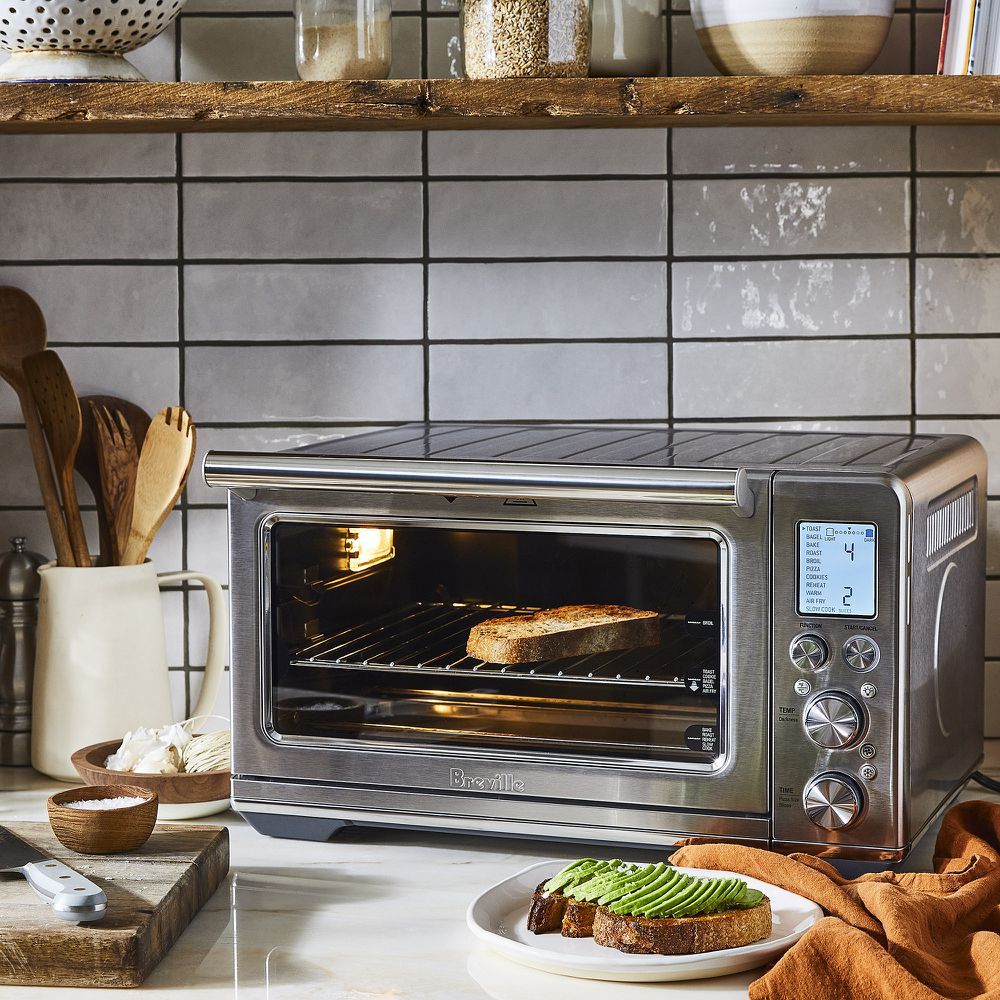
Credit: food52.com
Countertop Convection Oven Basics
Understanding the basics of countertop convection ovens is essential before deciding if one fits your kitchen needs. These compact appliances offer a different cooking experience compared to traditional ovens. Knowing how they operate and what features to expect can help you make an informed choice.
How They Work
Countertop convection ovens use a fan and exhaust system to circulate hot air evenly around the food. This circulation speeds up cooking and helps achieve a crispy, golden finish without drying out your dishes.
Unlike regular ovens that heat from the bottom or top, these ovens maintain a consistent temperature throughout. This means you can cook multiple dishes at once without worrying about uneven results.
Have you noticed how your baked goods brown faster and more evenly in a convection oven? That’s the fan doing its job, creating a uniform heat environment that reduces cooking time and energy use.
Key Features
- Size and Portability:Most countertop models are compact, making them perfect for small kitchens or limited counter space.
- Temperature Control:Precise temperature settings help you cook a variety of foods with accuracy.
- Multiple Cooking Modes:Many come with presets for baking, roasting, toasting, and broiling, offering versatility.
- Timer and Auto Shut-Off:Safety features like timers and auto shut-off prevent overcooking and accidents.
- Easy Cleaning:Removable trays and non-stick interiors simplify cleanup, saving you time after cooking.
Think about how often you reheat leftovers or toast bread—these features can make your daily cooking faster and more convenient. Could a countertop convection oven be the tool that changes your kitchen routine for the better?
Benefits Of Countertop Convection Ovens
Countertop convection ovens offer many benefits that improve everyday cooking. They save time, use less energy, and cook food evenly. These ovens also fit well in small kitchens and handle various recipes. Their practical features make them a smart kitchen tool for many households.
Faster Cooking Times
Convection ovens cook food quicker than traditional ovens. A fan circulates hot air around the food. This speeds up heat transfer and reduces cooking time. Faster cooking means less waiting and more meals served quickly.
Even Heat Distribution
The fan inside spreads heat evenly across the oven. Food cooks uniformly without hot or cold spots. This helps bake, roast, or toast food perfectly every time. Even cooking improves texture and flavor of dishes.
Energy Efficiency
Countertop convection ovens use less energy than large ovens. Their smaller size requires less power to heat up. Quicker cooking times also lower electricity use. Energy savings help reduce utility bills and environmental impact.
Versatility In Cooking
These ovens cook a wide range of foods well. They can bake, roast, broil, and toast with ease. Many models offer multiple temperature settings and timers. This versatility allows for experimenting with new recipes.
Space-saving Design
Compact size fits easily on kitchen counters. Ideal for small kitchens or limited countertop space. They free up room compared to full-sized ovens. Portable design lets users move or store them conveniently.
Comparing To Traditional Ovens
When deciding if a countertop convection oven is a good fit for your kitchen, it’s important to see how it stacks up against a traditional oven. Both have unique strengths and weaknesses that can affect your cooking experience. Understanding these differences can help you decide which appliance suits your lifestyle and cooking habits best.
Size And Portability
Countertop convection ovens are much smaller and lighter than traditional ovens. This makes them easy to move around or store away when you need extra counter space. If you often cook in small kitchens or like the idea of taking your oven on the go—for camping or a second home—a countertop model offers clear advantages.
Traditional ovens, on the other hand, are fixed installations. They take up more space but provide a larger cooking area. This is great if you regularly prepare meals for many people or need to cook multiple dishes at once.
Performance Differences
Convection ovens use fans to circulate hot air evenly, which often leads to faster and more consistent cooking. This means your food can brown nicely and cook through without hot spots. I noticed my cookies bake more evenly in my countertop convection oven compared to my old traditional oven.
Traditional ovens rely on radiant heat from the top and bottom. This can sometimes cause uneven cooking, especially if your oven has hot or cold spots. However, they excel at baking large items like turkeys or multiple trays of food at once, something a smaller countertop unit may struggle with.
Cost Considerations
Countertop convection ovens generally cost less upfront than built-in traditional ovens. You can find quality models at a fraction of the price, which is great if you want to upgrade without a big investment. Plus, they consume less energy since they heat smaller spaces, potentially lowering your utility bills.
Traditional ovens tend to be more expensive, especially if you’re installing a new built-in unit. The higher price often reflects their size, power, and durability. Think about how often you’ll use the oven and whether the extra cost matches your cooking needs.
Credit: www.youtube.com
Choosing The Right Model
Choosing a model depends on size, features, and cooking needs. Smaller ovens save space, while larger ones offer more cooking options. Consider ease of use and cleaning before buying.
Choosing the right countertop convection oven model can be a challenge. With various options, understanding key features is essential. This guide will help you make an informed decision.
Capacity And Size
Consider the space available on your countertop. Measure the area to ensure a good fit. Think about your cooking needs. A larger oven suits big families. Smaller models work for singles or couples.
Temperature Settings
Look for models with adjustable temperature settings. These offer more cooking flexibility. Some ovens have preset cooking functions. These can simplify meal preparation.
Additional Features
Check for useful additional features. Some ovens include timers and auto shut-off. Others offer rotisserie functions or steaming options. Choose features that align with your cooking habits.
Maintenance And Durability
Maintenance and durability are key factors to consider before bringing a countertop convection oven into your kitchen. These appliances offer convenience, but their long-term value depends heavily on how well they hold up and how easy they are to maintain. Understanding what it takes to keep your oven in top shape can save you time, money, and frustration down the road.
Cleaning Tips
Keeping your countertop convection oven clean is simpler than you might think. Wipe down the interior after each use to prevent grease buildup, which can affect cooking performance and cause unpleasant odors.
- Use a damp cloth with mild soap for routine cleaning.
- Remove and wash trays and racks separately to avoid residue sticking.
- Avoid harsh chemicals that could damage the oven’s interior coating.
Regular cleaning not only keeps your oven looking fresh but also extends its lifespan. Have you noticed how a clean oven heats more evenly?
Common Issues
Countertop convection ovens are generally reliable, but some issues can arise with regular use. One common problem is uneven heating, often caused by dirty fans or clogged air vents.
- Check and clean the fan regularly to ensure proper air circulation.
- Watch out for malfunctioning door seals that can leak heat.
- Heating element failures may occur but are usually easy to replace.
Addressing small issues early can prevent bigger repairs. Have you ever ignored a minor problem that ended up costing more later?
Lifespan Expectations
Most countertop convection ovens last between 5 to 10 years with proper care. The quality of materials and how often you use the oven play big roles in its durability.
Buying from a reputable brand and following maintenance guidelines can push your oven toward the upper end of that range. Think about how often you cook—would investing in a more durable model pay off for your lifestyle?
Credit: therestaurantwarehouse.com
Real User Experiences
Real user experiences shed light on the true value of countertop convection ovens. These accounts provide practical insights beyond product descriptions. They reveal how these ovens fit into everyday cooking routines and highlight common benefits and challenges. Understanding these perspectives helps decide if a countertop convection oven suits your kitchen.
Pros From Home Cooks
- Even cooking results with less time than traditional ovens.
- Compact size saves space in small kitchens.
- Energy-efficient compared to larger ovens, reducing electricity use.
- Easy to preheat, allowing for quicker meal preparation.
- Versatile for baking, roasting, and reheating leftovers.
- Simple controls make it user-friendly for all skill levels.
- Less heat output keeps the kitchen cooler in summer.
Cons To Watch For
- Limited capacity, which may not suit large families.
- Some models produce noise during operation.
- Learning curve in adjusting cooking times and temperatures.
- Cleaning can be tricky if crumb trays are small or absent.
- Not all foods cook evenly without rotating trays.
- Higher price for premium features may deter budget buyers.
- Requires countertop space, which could clutter small kitchens.
Frequently Asked Questions
What Are The Benefits Of Countertop Convection Ovens?
Countertop convection ovens cook food faster and more evenly. They save energy and space. These ovens offer versatile cooking options and enhance flavor through efficient heat circulation.
How Do Countertop Convection Ovens Save Kitchen Space?
These ovens are compact and fit easily on countertops. They eliminate the need for bulky traditional ovens. Their small size makes them ideal for kitchens with limited space.
Are Countertop Convection Ovens Energy Efficient?
Yes, countertop convection ovens use less energy by cooking quickly. Their efficient heat circulation reduces cooking time. This leads to lower electricity bills and a smaller environmental footprint.
Can Countertop Convection Ovens Replace Traditional Ovens?
They can replace traditional ovens for many tasks. However, they may not suit large meal preparations. For everyday cooking and baking, they are a practical alternative.
Conclusion
Countertop convection ovens save time and cook food evenly. They fit well in small kitchens and use less energy than large ovens. Cleaning them is simple and quick. These ovens offer versatility for baking, roasting, and reheating meals. They provide good value for everyday cooking needs.
Think about your kitchen space and cooking habits before buying. A countertop convection oven can be a helpful tool for many homes. Worth considering if you want convenience without much hassle.