
Have you ever stopped to think about what’s really going on in your kitchen? It’s where you prepare meals for yourself and your loved ones, but if it’s not clean, it can become a hidden danger.
Kitchen sanitation isn’t just about keeping things looking tidy—it’s about protecting your health and the health of everyone who eats your food. Imagine avoiding food poisoning, harmful bacteria, and costly health problems just by following a few simple steps. You’ll discover why kitchen sanitation matters more than you might realize and how it can make a real difference in your daily life.
Keep reading to find out how you can create a safer, cleaner kitchen starting today.
Health Risks Of Poor Kitchen Hygiene
Poor kitchen hygiene can lead to serious health problems. Contaminated food and unclean surfaces create risks for everyone. Understanding these dangers helps keep kitchens safe and healthy.
Foodborne Illnesses
Foodborne illnesses come from eating contaminated food. Germs like Salmonella and E. coli cause stomach pain, vomiting, and diarrhea. Some illnesses can be severe and require hospital care. Clean kitchens reduce these risks greatly.
Cross Contamination
Cross contamination happens when germs spread from one item to another. Raw meat touching vegetables or unwashed hands spreading bacteria are common examples. This can infect food that seems safe. Proper cleaning stops cross contamination in its tracks.
Bacterial Growth
Bacteria grow fast on dirty surfaces and leftovers left out too long. Warm and moist places are perfect for germs to multiply. This growth can make food unsafe to eat. Keeping the kitchen clean and food stored properly slows bacterial growth.
Benefits Of A Clean Kitchen
Keeping your kitchen clean goes beyond just appearance. It directly impacts your health, the taste of your meals, and how long your food lasts. Understanding the benefits of a clean kitchen can change the way you approach daily chores and food preparation.
Preventing Disease
A clean kitchen is your first defense against harmful bacteria and viruses. These germs thrive in leftover food scraps, dirty surfaces, and wet sponges. By regularly cleaning countertops, utensils, and appliances, you reduce the risk of foodborne illnesses that can cause serious health problems.
Think about the last time you got sick after eating at home—could a simple cleaning habit have stopped it? Keeping your kitchen sanitary protects you and your family from infections that are often preventable.
Enhancing Food Quality
Food tastes better when prepared in a clean environment. Dirt, old food residues, and cross-contamination can alter flavors and textures. Washing your hands and cleaning your cutting boards between tasks ensures each ingredient shines in your dish.
Have you ever noticed a strange taste or smell in your meal? Cleaning eliminates unwanted residues and keeps flavors fresh, making your cooking more enjoyable.
Extending Food Shelf Life
Proper sanitation slows down spoilage by limiting bacteria growth on your food and storage areas. When your fridge and pantry are clean, food stays fresh longer, reducing waste and saving money. Wiping spills and organizing your kitchen regularly helps you spot expired items before they cause contamination.
How much food do you throw away each week? A cleaner kitchen can help you keep your groceries safe and fresh, stretching your budget further.
Key Sanitation Practices
Maintaining proper kitchen sanitation is essential for a healthy cooking environment. Key sanitation practices help reduce the risk of foodborne illnesses. They keep harmful bacteria and germs away from food and kitchen tools. Clean kitchens ensure food stays fresh and safe to eat.
Proper Handwashing
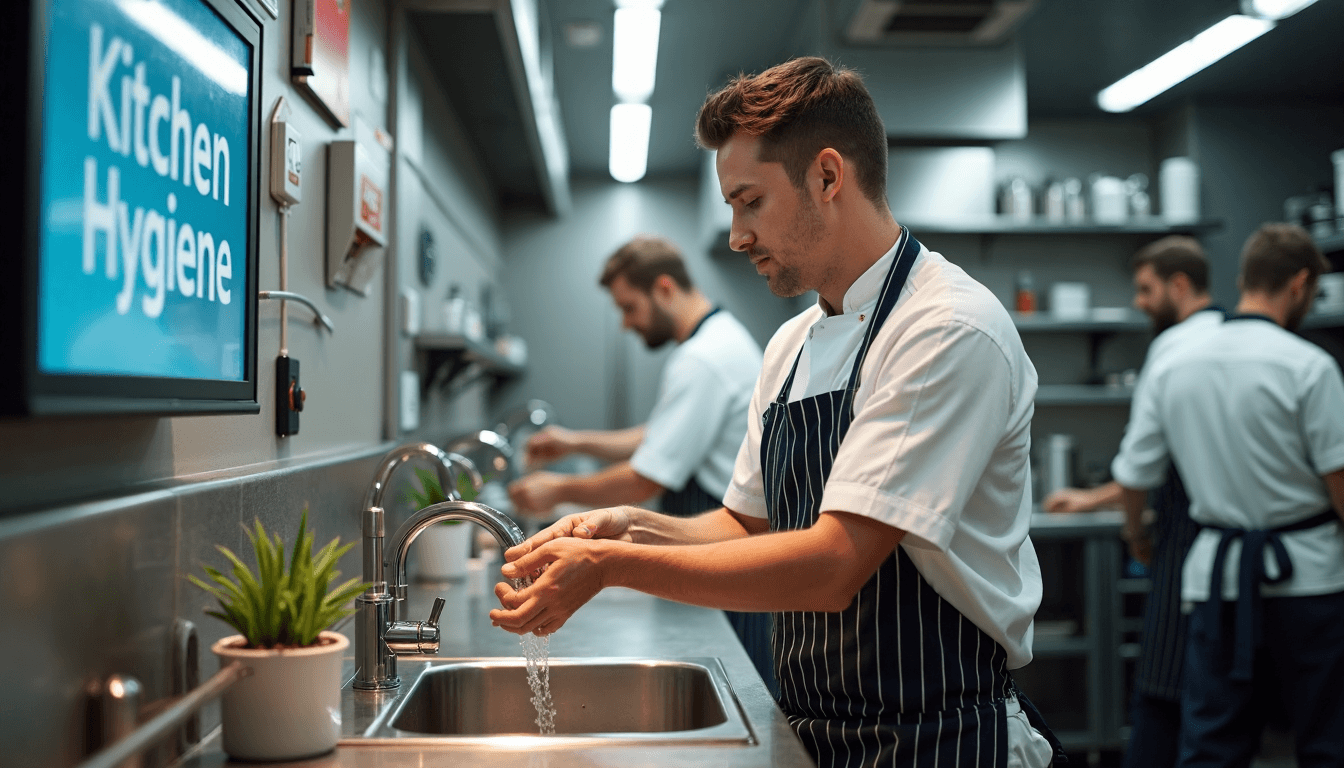
Washing hands correctly removes dirt and germs. Use warm water and soap. Rub hands together for at least 20 seconds. Clean under nails and between fingers. Dry hands with a clean towel or air dryer. Always wash hands before handling food and after touching raw ingredients.
Cleaning And Disinfecting Surfaces
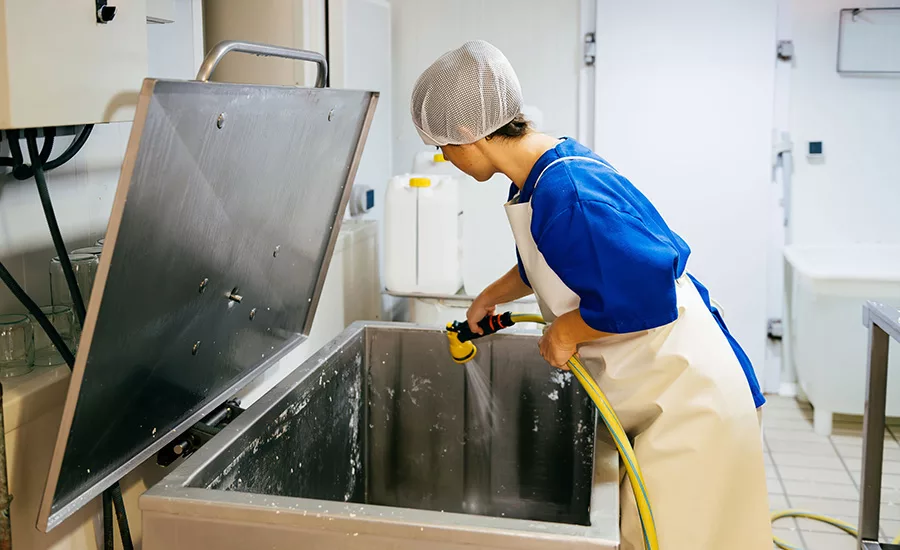
Kitchen surfaces can harbor germs. Clean surfaces with hot, soapy water first. Use a disinfectant to kill bacteria afterward. Wipe cutting boards, countertops, and utensils regularly. Change dishcloths and sponges often. Keep cleaning tools dry to prevent bacterial growth.
Safe Food Storage
Store food at proper temperatures to stop bacteria growth. Keep raw meat separate from other foods. Use airtight containers to preserve freshness. Label leftovers with dates and consume them soon. Clean the refrigerator regularly to avoid spills and odors.

Credit: www.food-safety.com
Effective Cleaning Tools
Clean tools remove germs and food dirt that cause sickness. Proper kitchen sanitation keeps your family safe and healthy. Using effective cleaning tools makes this job easier and more thorough.
Effective cleaning tools are the backbone of a sanitary kitchen. They not only help maintain hygiene but also ensure that the food you prepare is safe for consumption. A clean kitchen reflects your commitment to health and safety, making it crucial to choose the right tools for the job.
Choosing The Right Cleaning Agents
Selecting the proper cleaning agents can make a world of difference. Look for products that are specifically designed for kitchen use, as they are often more effective in cutting through grease and grime. Consider eco-friendly options if you're concerned about the impact of chemicals on your health and the environment.
Using Sanitizers
Sanitizers are essential for eliminating bacteria and viruses that regular cleaning might miss. Use them on surfaces that come into contact with raw food, such as cutting boards and countertops. Remember to follow the instructions on the label to ensure maximum effectiveness. Have you ever thought about how frequently you actually sanitize your kitchen surfaces?
Maintaining Cleaning Equipment
Your cleaning tools need care too. Regularly wash sponges, brushes, and cloths to prevent the buildup of bacteria. Replace them frequently to maintain their cleaning effectiveness. Keeping your cleaning equipment in top shape not only enhances their performance but also ensures your kitchen remains a safe place. These tools and strategies are not just about cleanliness—they're about safeguarding the health of everyone who steps into your kitchen. What's your go-to cleaning tool for keeping your kitchen spotless?
Tips For Maintaining Kitchen Cleanliness
Maintaining kitchen cleanliness is essential for a healthy and efficient cooking environment. Simple habits can make a big difference in preventing germs and keeping your space inviting. Here are practical tips to help you keep your kitchen spotless every day.
Daily Cleaning Routines
Start each day by wiping down countertops with a disinfectant spray. Clean surfaces regularly to stop bacteria from spreading. Don’t forget to sweep the floor to remove crumbs and dirt that attract pests.
After meals, wash dishes promptly instead of letting them pile up. This habit keeps your sink area clean and reduces odors. You’ll find cooking more enjoyable when your kitchen feels fresh.
Handling Spills And Waste
Spills can happen anytime, but how quickly you clean them affects kitchen safety. Always grab a cloth or paper towel and clean spills immediately to avoid slips and stains. Have a dedicated spot for wiping cloths so you always know where to find one.
When it comes to waste, use a trash bin with a lid to keep smells contained. Empty it regularly, especially after food prep sessions. Composting organic waste is another way to reduce kitchen mess and help the environment.
Regular Appliance Maintenance
Appliances like refrigerators and ovens need regular care to work well and stay clean. Defrost your fridge periodically and wipe down shelves to avoid bad odors and mold. Check your oven for food residue and clean it after heavy use.
Don’t ignore small appliances either; coffee makers and blenders can harbor bacteria if left dirty. Running a cleaning cycle or scrubbing removable parts ensures they perform better and last longer.
Credit: probeit.ca
Role Of Kitchen Sanitation In Food Safety
Kitchen sanitation plays a vital role in food safety. It helps keep harmful germs away from food and surfaces. Clean kitchens reduce the chance of foodborne illnesses. Proper sanitation protects everyone who eats the food. It also supports a healthy cooking environment.
Reducing Contamination Risks
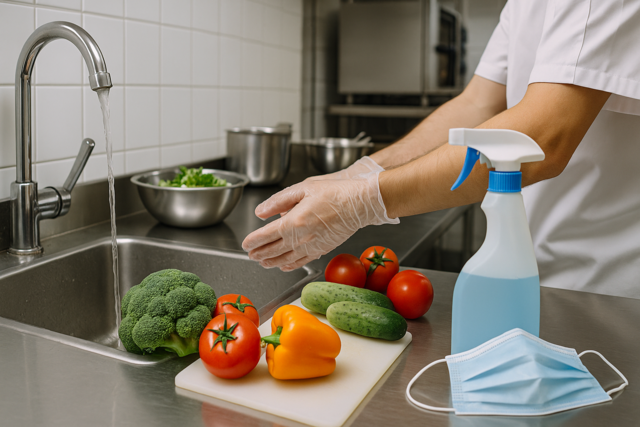
Sanitation lowers the risk of food contamination. Cleaning and disinfecting surfaces remove bacteria and viruses. Proper handwashing stops germs from spreading. Using separate tools for raw and cooked food prevents cross-contamination. These steps keep food safe to eat.
Compliance With Health Standards
Following sanitation rules meets health department requirements. Clean kitchens pass inspections more easily. This avoids fines and closures. Proper sanitation shows respect for food safety laws. It builds trust with customers and health officials.
Protecting Vulnerable Groups
Sanitation is crucial for protecting children, elderly, and sick people. These groups have weaker immune systems. They are more likely to get sick from contaminated food. Clean kitchens reduce their risk of illness. Safe food helps keep them healthy.
Credit: www.universalclass.com
Frequently Asked Questions
Why Is Kitchen Sanitation Crucial For Health?
Kitchen sanitation prevents harmful bacteria growth, reducing foodborne illness risks. Clean kitchens ensure safe food preparation and protect family health effectively.
How Does Kitchen Sanitation Prevent Food Contamination?
Proper sanitation kills germs and removes food residues. This stops cross-contamination and keeps food safe from harmful pathogens.
What Are The Key Steps In Kitchen Sanitation?
Key steps include regular cleaning, disinfecting surfaces, washing hands, and proper food storage. These maintain hygiene and prevent disease spread.
Can Poor Kitchen Sanitation Cause Food Poisoning?
Yes, poor sanitation allows bacteria to thrive on surfaces and food. This increases the chances of food poisoning and health issues.
Conclusion
Keeping your kitchen clean protects your health and food safety. Germs and bacteria can cause sickness easily. Clean surfaces and tools stop germs from spreading. Regular cleaning saves money by preventing food waste. Safe kitchens create a better place to cook and eat.
Everyone benefits from good kitchen habits every day. A clean kitchen means peace of mind and good health. Simple steps can make a big difference in safety. Don’t ignore kitchen sanitation—it matters more than you think.