
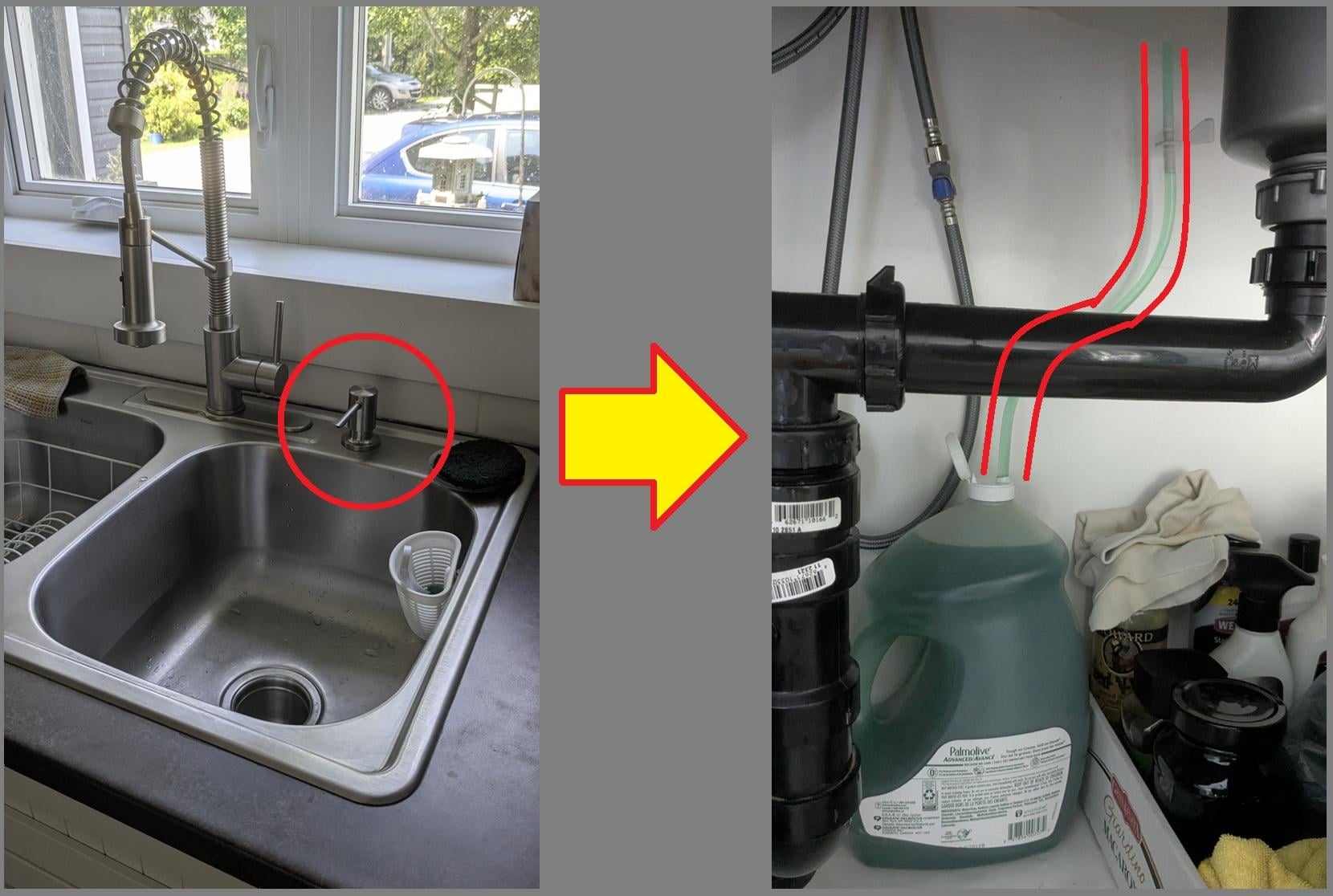
Have you ever tried to remove your kitchen soap dispenser, only to find it stuck fast, refusing to budge no matter how hard you pull? It’s frustrating, isn’t it?
Whether you need to refill, clean, or replace it, a stuck dispenser can quickly turn a simple task into a real headache. But don’t worry—you’re not alone, and there are easy ways to solve this problem. Keep reading, and you’ll learn step-by-step tips to get that stubborn dispenser off without damaging your sink or wasting time.
Your kitchen will be back in smooth working order before you know it!

Credit: www.amazon.com
Why Kitchen Soap Dispensers Get Stuck
Kitchen soap dispensers often get stuck due to several common issues. These problems can make removing or using the dispenser difficult. Understanding why a dispenser jams helps in fixing it faster. It also prevents damage to the sink or dispenser parts.
Soap residue and dirt build-up inside the dispenser. Over time, this causes the pump mechanism to seize. Sometimes, the dispenser’s threads get clogged or corroded. This makes twisting or pulling it off nearly impossible. Temperature changes can cause plastic parts to expand or contract, tightening the dispenser in place.
Common Causes
- Soap residue hardens around the pump and threads.
- Rust or mineral deposits form inside metal parts.
- Plastic parts warp from heat or cold exposure.
- Dispenser threads become misaligned or damaged.
- Excessive force during use causes internal jams.
Signs Of A Jammed Dispenser
- The pump does not press down smoothly.
- Soap does not come out after pressing.
- Dispenser top feels stuck and does not twist off.
- Visible soap crust or buildup around the base.
- Unusual noises when trying to press or remove it.
Tools You’ll Need
Before you try to remove a stuck kitchen soap dispenser, gathering the right tools can save you time and frustration. Having what you need on hand helps you work efficiently and avoid damaging your sink or dispenser. Let’s look at the basic items you might already have, and the specialized tools that can make the job easier.
Basic Household Items
- Screwdriver:A standard or Phillips head screwdriver can help you loosen any screws holding the dispenser in place.
- Wrench or Pliers:These are useful for gripping and turning parts beneath the sink, especially the dispenser nut.
- Dish Soap and Warm Water:Sometimes, a little lubrication goes a long way in loosening stuck parts.
- Towel or Rag:Keep your workspace clean and dry to avoid slipping or accidental damage.
Have you checked if these basic tools are already in your kitchen drawer? Often, the solution starts with what’s nearby.
Specialized Tools
- Adjustable Basin Wrench:This tool reaches tight spaces under the sink where your hands can’t easily fit.
- Pipe Wrench:Provides strong grip and leverage for stubborn nuts that resist turning.
- Lubricant Spray (like WD-40):Penetrates rust or buildup that causes parts to stick.
- Utility Knife:Useful for cutting away any sealant or caulk holding the dispenser in place.
Not every kitchen repair calls for these tools, but having them ready can turn a tricky removal into a quick fix. Which tool do you think will tackle your stuck dispenser best?
Quick Steps To Remove The Dispenser
Removing a stuck kitchen soap dispenser can be frustrating, especially when it seems glued in place. Knowing a few straightforward techniques can save you time and prevent damage to your sink. Here are practical steps to get that dispenser off with ease.
Loosening The Pump Head
Start by trying to loosen the pump head itself. Sometimes, soap residue or hardened particles hold it tight. Turn the pump head counterclockwise gently but firmly to break any seal formed by dried soap.
If the pump head doesn't budge, try applying a warm, damp cloth around it for a few minutes. This softens any stuck soap and makes twisting easier. Have you noticed how warmth can loosen even the toughest grips?
Twisting And Pulling Techniques
Once the pump head is loose or removed, focus on the base of the dispenser under the sink. Reach underneath and locate the retaining nut that holds the dispenser in place.
Use your hand or a wrench to twist this nut counterclockwise. If it’s too tight, try tapping it gently with a rubber mallet to break the grip. After loosening, pull the dispenser straight up from the sink.
- If it still won’t come off, wiggle it slightly side to side while pulling up.
- Check for any hidden clips or screws that might be securing it.
- Remember, patience and small adjustments often work better than force.
Dealing With Stubborn Dispensers
Dealing with a kitchen soap dispenser that won’t budge can be frustrating. These dispensers often get stuck due to dried soap or mineral buildup. Removing them carefully prevents damage to your sink or the dispenser itself. Patience and the right approach make a big difference.
Using Warm Water
Warm water softens dried soap and loosens grime around the dispenser. Run warm water over the base for a few minutes. Soak a cloth in warm water and wrap it around the dispenser’s base. Let it sit for 10 to 15 minutes. This softens hardened soap and makes the dispenser easier to twist off. Avoid using boiling water to protect your sink’s finish.
Applying Lubricants Safely
Lubricants reduce friction and help free stuck parts. Use a small amount of cooking oil or silicone spray. Apply it around the dispenser’s base with a cotton swab or cloth. Let the lubricant sit for 5 to 10 minutes. Gently try turning the dispenser again. Avoid harsh chemicals that can damage your sink or dispenser. Use only safe, kitchen-friendly lubricants for the best results.
Preventing Future Stuck Dispensers
Preventing your kitchen soap dispenser from getting stuck saves time and frustration. Regular care keeps it working smoothly for a long time. Small habits help avoid buildup and damage. Follow these tips to keep your dispenser easy to use every day.
Regular Cleaning Tips
Clean the dispenser every two weeks to prevent soap buildup. Use warm water and mild soap to wash the pump and bottle. Rinse thoroughly to remove all soap residue. Dry parts before reassembling to stop rust and mold. Wipe around the dispenser base to avoid sticky spots. Check for clogs in the nozzle and clear gently with a toothpick if needed.
Proper Usage Practices
Use only the recommended soap type for your dispenser. Avoid thick or solid soaps that can clog the pump. Press the pump gently to prevent breaking or jamming. Refill the dispenser before it runs completely dry to keep the pump moist. Avoid overfilling the soap bottle to prevent leaks and pressure buildup. Store the dispenser in a dry area to reduce rust risk.
Credit: www.diychatroom.com
When To Replace The Dispenser
Determining the right time to replace your kitchen soap dispenser can save you from unnecessary frustration and ensure your kitchen remains both functional and stylish. Often, we overlook the small details in our kitchen until they become a nuisance. A non-functional soap dispenser is one such detail that can quickly become a daily annoyance. But when do you know it's time to swap out your old dispenser for a new one?
Signs It’s Time For A New One
Is your soap dispenser constantly getting stuck or requiring more force than usual to pump? This is a common sign that the internal mechanisms are wearing out. Another telltale indicator is visible rust or corrosion, which not only looks unsightly but also poses a risk of contaminating your soap.
If you notice soap leaking from unexpected places, such as the base or seams, it's time to consider a replacement. This leakage often indicates that seals are failing, which can lead to mess and waste. Consider the age of your dispenser as well. If it's been in use for several years, wear and tear might have taken its toll.
Choosing A Durable Model
When selecting a new soap dispenser, durability should be at the top of your list. Look for models made from stainless steel or high-quality plastic, as these materials tend to withstand daily use better than others. Researching user reviews can provide valuable insights into the longevity and reliability of different models.
Consider the style and design that will complement your kitchen. While aesthetics are important, ensure that the design doesn't compromise functionality. Opt for dispensers with simple mechanisms that are easy to refill and clean, reducing the chances of future complications.
Have you ever faced the frustration of a malfunctioning kitchen tool? By choosing a durable and reliable soap dispenser, you can minimize such disruptions in your kitchen routine. Take the time to select a model that not only matches your kitchen's style but also offers longevity and ease of use.

Credit: www.foreverhomefix.com
Frequently Asked Questions
Why Can't I Remove My Kitchen Soap Dispenser?
The dispenser may be stuck due to dried soap, corrosion, or tight mounting. Cleaning and gentle twisting usually helps.
How Do I Loosen A Stuck Kitchen Soap Dispenser?
Try soaking the base with warm water. Use a rubber grip or pliers carefully to twist it off without damage.
Can Soap Buildup Cause Dispenser Removal Issues?
Yes, hardened soap and residue can glue parts together, making removal difficult. Regular cleaning prevents this problem.
Is It Safe To Use Tools On Soap Dispensers?
Yes, but use non-abrasive tools like rubber grips or adjustable pliers. Avoid excessive force to prevent damage.
Conclusion
Removing a stuck kitchen soap dispenser can feel tricky. Start with simple tools and gentle force. Warm water or vinegar often helps loosen parts. Remember to protect your sink from scratches. Patience is key; rushing may cause damage. With steady effort, the dispenser will come off.
These steps save time and avoid frustration. Keep your kitchen working smoothly without stress. Try these tips next time you face this issue.