
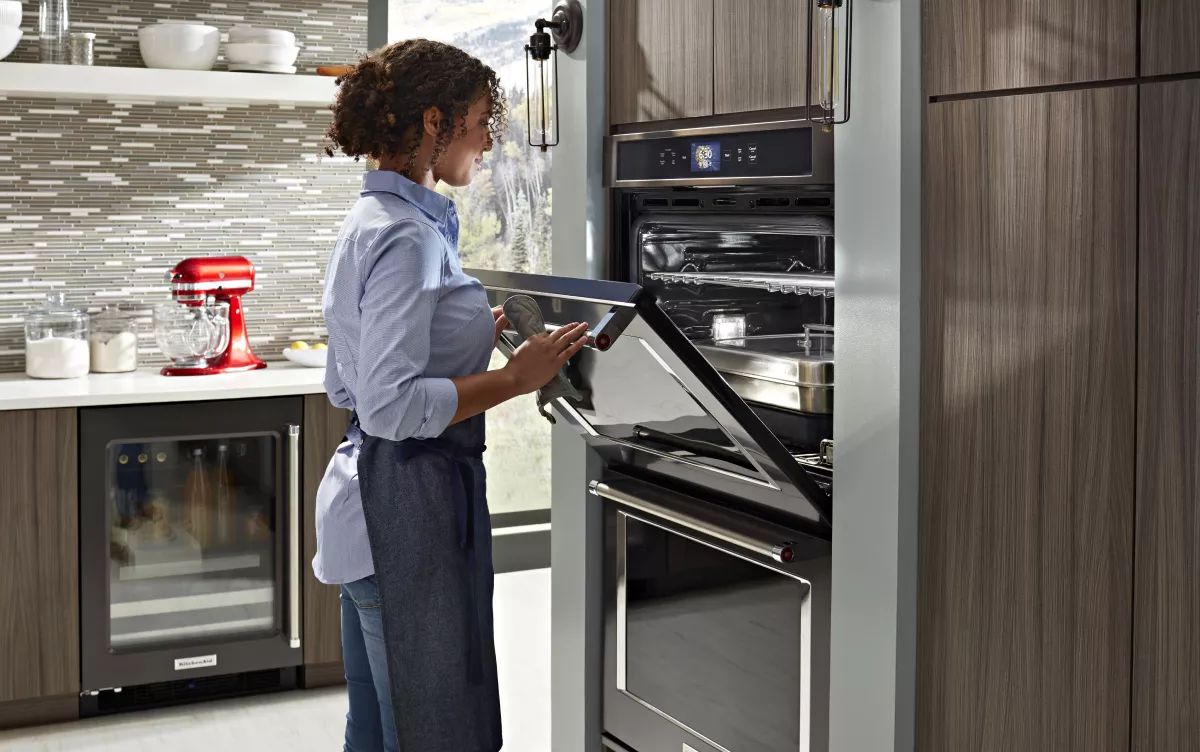
Have you ever wondered if your new oven is secretly turning your kitchen into a sauna? You’re not alone.
Many people worry that using a modern oven will make their kitchen unbearably hot, especially during warm months. But is this really the case? Understanding how ovens affect your kitchen temperature can help you cook comfortably and keep your home cool.
Keep reading, and you’ll discover surprising facts that can change the way you use your oven—and enjoy your kitchen.
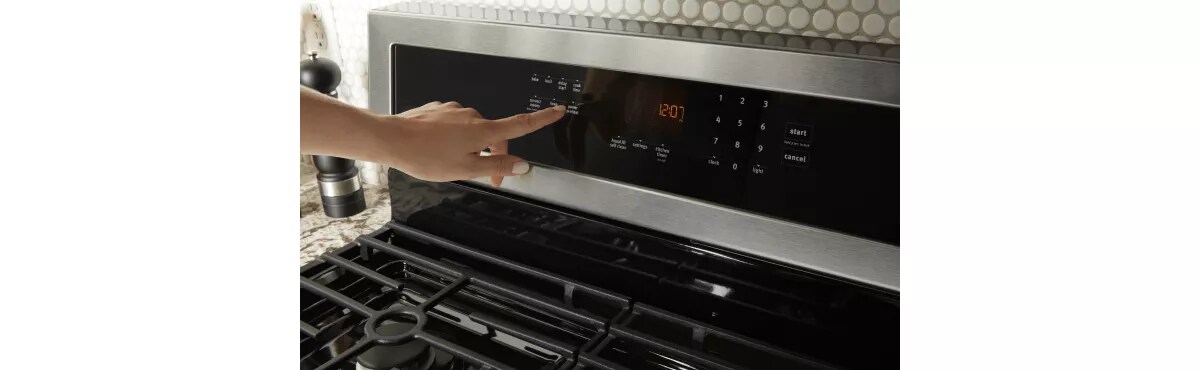
Credit: www.maytag.com
Heat Generation In Modern Ovens
Understanding how modern ovens generate heat can help you manage your kitchen’s temperature better. New ovens are designed to cook food efficiently, but they inevitably produce heat that can warm up your kitchen. Knowing where this heat comes from and how ovens have improved can help you control your cooking environment.
How Ovens Produce Heat
Ovens generate heat through electric heating elements or gas burners. These components convert energy into heat, which cooks your food. The heat then radiates inside the oven cavity, but some of it escapes into your kitchen.
The amount of heat that escapes depends on the oven’s insulation and how often you open the door. Have you noticed how the kitchen feels warmer when you bake for a long time? That’s because heat leaks out during cooking and door openings.
Energy Efficiency Improvements
Modern ovens are built with better insulation materials that reduce heat loss. This means less heat escapes into your kitchen, keeping the surrounding area cooler. Some models even use double or triple-pane glass doors to trap heat inside.
Energy-efficient ovens also cook faster by using improved heating technology like convection fans. These fans circulate hot air evenly, allowing you to cook at lower temperatures or shorter times. Have you tried a convection oven? It often means less heat released and a cooler kitchen.
Choosing an energy-efficient oven can help you save on electricity bills and keep your kitchen more comfortable. Would you consider upgrading your oven if it meant less heat buildup during summer months?
Impact On Kitchen Temperature
The impact of a new oven on your kitchen's temperature is a common concern. Ovens generate heat by design, but how much of that heat actually warms your kitchen depends on several factors. Understanding these can help you manage your cooking space better and avoid unwanted heat buildup.
Heat Transfer Mechanisms
Heat from an oven spreads through three main ways: conduction, convection, and radiation. Conduction happens when heat moves through solid surfaces, like the oven walls. Convection circulates warm air around the kitchen, especially when the oven's fan is on.
Radiation sends heat in straight lines from the oven’s hot surfaces to nearby objects. This means your cabinets, walls, and even you can feel the warmth directly. Knowing how these work helps you predict how your kitchen temperature might rise during cooking.
Factors Affecting Kitchen Warmth
Several things decide how warm your kitchen gets when you use a new oven. The oven’s insulation quality plays a big role; better insulation means less heat escapes. Also, the kitchen size matters—small kitchens heat up faster than large, open ones.
Ventilation is crucial too. If your kitchen has good airflow or an exhaust fan, it will stay cooler. The oven’s cooking mode impacts heat output; baking at high temperatures produces more heat than slow cooking. Have you noticed how your kitchen feels different when roasting versus simmering?
Comparing Old And New Ovens
Comparing old and new ovens helps to understand how kitchen heat changes. Old ovens often release more heat into the room. New ovens focus on efficiency and reducing excess heat. This comparison reveals how cooking affects your kitchen temperature.
Heat Output Differences
Old ovens lose more heat during cooking. The heat escapes through poor insulation and vents. This makes the kitchen warmer and less comfortable. New ovens have better insulation to keep heat inside. They use energy more efficiently and reduce heat loss. This lowers the kitchen temperature while cooking.
Technological Advances
New ovens use modern technology to control heat better. Features like convection fans spread heat evenly inside the oven. This allows faster cooking at lower temperatures. Some models include cooling systems to reduce external heat. Digital controls keep temperature steady and avoid overheating. These advances help keep kitchens cooler than older ovens.
Ventilation And Heat Control
When you think of a new oven, you might picture a sleek appliance that promises efficiency and style. But what about the heat it generates? While modern ovens are designed to be more energy-efficient, they still produce heat that can warm up your kitchen. Effective ventilation and heat control become crucial in maintaining a comfortable cooking environment. Let's explore how to manage this heat effectively, so your kitchen remains a place of culinary delight rather than discomfort.
Role Of Kitchen Ventilation
Kitchen ventilation is your first line of defense against heat build-up. It helps remove hot air and steam generated by your oven, keeping the kitchen cool. A good ventilation system also prevents odors from lingering. You may have noticed how a kitchen with poor ventilation feels stuffy and uncomfortable, especially during those long cooking sessions.
Consider installing a range hood or exhaust fan if you don't have one. These are designed to pull out hot air effectively. You can also open windows or doors to allow fresh air to circulate. Proper airflow can make a noticeable difference in reducing kitchen heat.
Tips To Minimize Heat Build-up
- Use the Oven During Cooler Times:If possible, plan to use your oven early in the morning or late in the evening when the temperatures are lower. This simple timing adjustment can significantly reduce the heat impact.
- Utilize Other Appliances:Consider using smaller appliances like a toaster oven or microwave for quick meals. They generate less heat compared to a full-sized oven.
- Preheat Efficiently:Only preheat your oven when absolutely necessary. Most modern ovens heat up quickly, and preheating for too long can unnecessarily warm up your kitchen.
- Limit Oven Opening:Every time you open the oven door, it loses heat, forcing it to work harder to maintain temperature. This not only heats up your kitchen but also consumes more energy.
Have you ever felt like your kitchen becomes a sauna every time you bake a batch of cookies? By implementing these strategies, you can keep your kitchen cool and comfortable, even when you're busy creating culinary masterpieces.
User Experiences And Myths
User experiences often shape how people think about new ovens and kitchen heat. Many believe that all ovens make the kitchen unbearably hot. Some of these ideas come from old ovens or poor ventilation. It is important to separate fact from fiction. Real stories from users help reveal what really happens when using modern ovens.
Common Misconceptions
- New ovens produce the same heat as old models.
- Ovens heat the entire kitchen, not just the inside.
- Keeping the oven door open cools the kitchen.
- Electric ovens always run hotter than gas ovens.
These beliefs are not always true. New ovens are designed to keep heat inside. Many have better insulation and controls. The kitchen temperature rises less than expected during cooking. Opening the oven door actually lets hot air escape, raising room temperature.
Real-life Kitchen Scenarios
Many users report that new ovens heat up the kitchen only slightly. The increase depends on kitchen size and ventilation. Small kitchens with no windows feel warmer faster. Larger kitchens with good airflow stay comfortable.
- One user said their kitchen stayed cool with a modern electric oven.
- Another noted that gas ovens cause more noticeable heat in small spaces.
- Several users mentioned using exhaust fans to reduce heat buildup.
Ventilation plays a key role in managing heat. Using a range hood or open windows helps. Cooking longer meals may raise room temperature more. Short cooking times cause minimal heat increase.
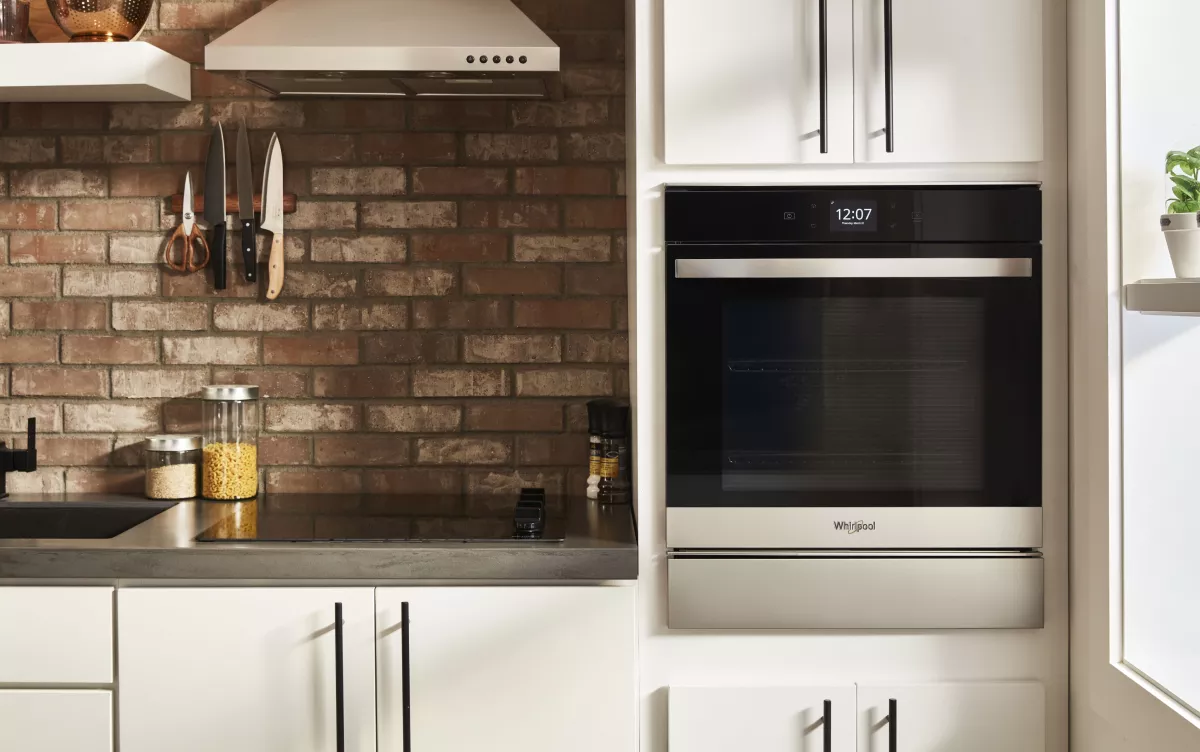
Credit: www.whirlpool.com

Credit: www.consumerreports.org
Frequently Asked Questions
Do New Ovens Heat Up The Kitchen More Than Old Ones?
New ovens are designed to be more energy-efficient and insulated. They emit less heat into the kitchen than older models. However, some heat still escapes, slightly warming the kitchen during use.
How Much Heat Does An Oven Release Into A Kitchen?
An oven releases a small percentage of its heat outside the cooking chamber. This heat can raise kitchen temperature by a few degrees, depending on oven type and ventilation.
Can Convection Ovens Reduce Kitchen Heat Buildup?
Yes, convection ovens circulate hot air efficiently. This reduces cooking time and heat leakage, minimizing heat buildup in the kitchen compared to conventional ovens.
Does Oven Placement Affect Kitchen Temperature Rise?
Oven placement near walls or vents impacts heat dispersion. Proper installation with good ventilation helps reduce heat accumulation in the kitchen during cooking.
Conclusion
New ovens do add some heat to your kitchen space. The amount depends on the oven type and kitchen size. Electric ovens often produce less heat than gas ovens. Good ventilation helps keep the kitchen cooler while cooking. Using the oven during cooler times can also reduce warmth.
Small kitchens feel hotter faster, so plan accordingly. Overall, new ovens heat the kitchen but smart steps can manage it well. Cooking stays comfortable with proper care and simple changes.