
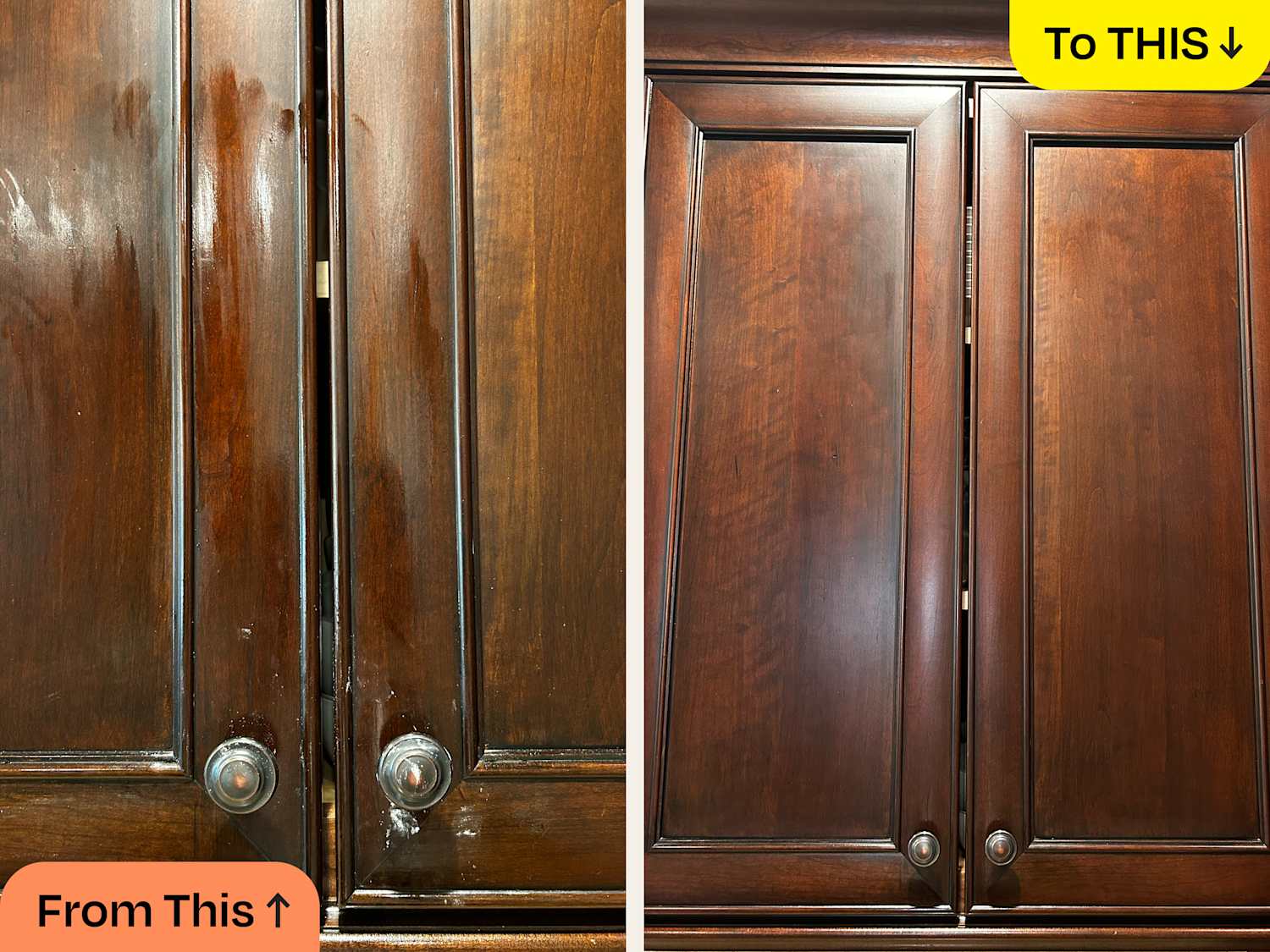
Are your kitchen cabinets looking dull or grimy? You might be wondering if steam cleaning is the right way to bring back their shine without causing damage.
If you’ve been searching for a quick, effective method to refresh your cabinets, this article is for you. You’ll discover the truth about steam cleaning kitchen cabinets, what to expect, and how to do it safely. Keep reading to find out if this cleaning hack is the answer you’ve been looking for.

Credit: www.aol.com
Benefits Of Steam Cleaning
Steam cleaning kitchen cabinets offers several benefits that make it a smart choice for maintaining a fresh and clean kitchen. It tackles tough grime and bacteria without harsh chemicals, preserving the cabinets’ finish and your health. You might be surprised how steam can simplify your cleaning routine while being gentle on surfaces.
Effective Grease Removal
Grease buildup on kitchen cabinets can be stubborn and unattractive. Steam cleaning uses high-temperature vapor to break down and lift away grease effortlessly. Unlike scrubbing with harsh chemicals, steam loosens grime in hard-to-reach corners without damaging the cabinet surface.
Have you ever noticed how wiping down with just a cloth doesn’t fully remove sticky residues? Steam penetrates deeper to leave your cabinets truly clean.
Sanitizing Without Chemicals
Steam naturally kills bacteria, mold, and other germs, which is especially important in a kitchen environment. You don’t need to rely on chemical cleaners that can leave residues or irritate your skin and eyes. This makes steam cleaning a safer option for households with kids and pets.
Imagine sanitizing your cabinets with just water and heat—no toxins involved. That peace of mind is hard to beat.
Eco-friendly Cleaning
Using steam means cutting back on chemical cleaners and disposable wipes, which benefits the environment. It reduces plastic waste and harmful substances entering your water system. Plus, steam cleaning saves water compared to traditional wet cleaning methods.
Would you consider a cleaning method that’s good for your home and the planet? Steam cleaning offers a practical way to do both.
Types Of Kitchen Cabinets
Kitchen cabinets come in various types, each with unique features. Knowing the type helps decide if steam cleaning is safe. Some materials handle moisture well, while others do not.
Understanding the cabinet material is key to avoid damage during cleaning. Below are common kitchen cabinet types and how they respond to steam cleaning.
Wood Cabinets
Wood cabinets offer a classic and warm look. They can be solid wood or wood veneer over a core. Wood is sensitive to moisture and heat. Steam can cause warping, swelling, or cracking. Avoid steam cleaning on wood cabinets unless sealed well and tested first.
Laminate Cabinets
Laminate cabinets have a plastic coating over particleboard or MDF. They resist stains and scratches better than wood. The surface is less porous and can handle light moisture. Still, steam can loosen edges or cause bubbles. Use steam cleaning cautiously on laminate cabinets.
Thermofoil Cabinets
Thermofoil cabinets have a vinyl film covering MDF or particleboard. They are smooth and easy to wipe. Steam may cause the vinyl to peel or bubble. Avoid steam cleaning on thermofoil cabinets to keep the finish intact.
Metal Cabinets
Metal cabinets are durable and water-resistant. They handle steam well without damage. Steam cleaning can remove grease and grime effectively. Metal cabinets are the safest for steam cleaning in the kitchen.
Preparing Cabinets For Steam Cleaning
Preparing your kitchen cabinets for steam cleaning is important for the best results. This process helps protect the cabinet surfaces and hardware. Proper preparation also makes cleaning easier and safer.
Removing Hardware
Start by taking off all knobs, handles, and hinges. Use a screwdriver to remove screws carefully. Place the hardware in a container to keep them safe. Removing hardware prevents damage during steam cleaning.
Clearing Dirt And Debris
Wipe the cabinet surfaces with a dry cloth to remove loose dust. Use a soft brush to clean corners and edges. Removing dirt helps the steam cleaner work better. It prevents dirt from spreading during cleaning.
Checking Cabinet Condition
Look for any cracks, peeling paint, or loose panels. Avoid steam cleaning damaged areas to prevent further harm. Fix small problems before cleaning or choose a gentler method. Well-maintained cabinets respond better to steam cleaning.
Safe Steam Cleaning Techniques
Steaming your kitchen cabinets can be a game-changer, offering an effective way to remove grime and bacteria without harsh chemicals. However, to ensure you don’t damage the finish or material of your cabinets, it’s crucial to use safe steam cleaning techniques. By carefully selecting the right tools and settings, you can achieve a sparkling clean kitchen with minimal effort.
Choosing The Right Steam Cleaner
Not all steam cleaners are created equal, and selecting the right one can make all the difference. Look for a steam cleaner designed specifically for household cleaning. It should be lightweight for easy maneuverability and come with various attachments to cater to different surfaces. A model with adjustable settings allows for more control, ensuring you won’t accidentally damage your cabinets.
Adjusting Temperature And Pressure
High temperature and pressure can be too harsh for some cabinet finishes. It’s vital to start with the lowest setting and gradually increase as needed. Keep in mind that a lower setting can still effectively remove dirt while being gentle on your cabinets. Always test a small, inconspicuous area first to ensure the settings won’t damage the surface.
Using Proper Nozzles And Attachments
The right nozzle or attachment can greatly enhance the efficiency of your steam cleaning. Use a narrow nozzle for corners and detailed areas, ensuring every inch is cleaned. For larger flat surfaces, a wider attachment can help cover more area quickly. Remember to wipe down the cabinets with a clean cloth after steaming to remove any remaining moisture and debris.
Precautions To Avoid Damage
Cleaning kitchen cabinets with steam can be highly effective, but it also carries risks if you don’t take the right precautions. Steam introduces heat and moisture, both of which can damage certain finishes or materials. Paying close attention to how you apply steam will help you protect your cabinets and keep them looking fresh.
Avoiding Excess Moisture
Too much moisture is the biggest threat when steam cleaning cabinets. Wood and laminate surfaces can warp or peel if they absorb water. Use short bursts of steam instead of holding the nozzle on one spot for too long.
After steaming, immediately wipe the area with a dry microfiber cloth to remove any remaining moisture. Do you ever notice water spots or swelling after cleaning? That’s a clear sign moisture wasn’t controlled well.
Testing In Hidden Areas
Before steaming the entire cabinet, test a small hidden spot. This helps you see how your cabinets react without risking visible damage. Choose a spot inside the cabinet door or behind an appliance where it won’t be noticed.
Apply steam gently and check for changes in color, texture, or finish. If you spot any issues, adjust your technique or avoid steam cleaning that surface altogether.
Protecting Sensitive Surfaces
Some cabinet materials are more delicate than others. Veneer, painted finishes, and certain laminates may not handle steam well. Identify these areas and avoid direct steam contact.
Use protective barriers like thin cloths between the steam nozzle and your cabinets. This simple step reduces heat intensity and moisture contact, preserving sensitive surfaces. Have you ever ruined a finish by being too aggressive with cleaning? Taking it slow with delicate areas prevents costly mistakes.
Step-by-step Steam Cleaning Process
Steam cleaning your kitchen cabinets can be an efficient way to remove grime and bacteria without harsh chemicals. The process is straightforward but requires attention to detail to avoid damage. Let’s break down the steps so you can get your cabinets sparkling clean safely and effectively.
Setting Up The Steam Cleaner
Begin by filling your steam cleaner’s reservoir with clean water. Avoid adding any cleaning solutions unless your device’s manual specifically allows it, as pure steam is usually enough for kitchen cabinets.
Attach the appropriate nozzle or brush designed for delicate surfaces. You want gentle steam pressure to prevent peeling or warping of the cabinet finish.
Plug in the machine and let it heat up fully. Waiting for the steam to reach the right temperature ensures maximum cleaning power and safety.
Cleaning Cabinet Surfaces
Hold the steam cleaner a few inches away from the cabinet surface. Move it slowly across the area, allowing the steam to loosen dirt and grease.
For stubborn spots, use a soft microfiber cloth to gently wipe after steaming. This combination often removes residue without scrubbing hard or using chemicals.
Check corners and edges carefully—these spots tend to collect the most grime. You might need to go over them twice but always keep the steam moving to avoid damage.
Drying And Ventilation Tips
After steaming, wipe the cabinets with a dry cloth immediately. Excess moisture can lead to swelling or damage, so quick drying is crucial.
Open windows or turn on fans to improve airflow in your kitchen. Proper ventilation helps your cabinets dry faster and prevents mold growth.
Have you noticed any lingering damp spots after cleaning? Use a hairdryer on a low setting to gently dry those areas. It’s a quick fix that protects your cabinets from moisture damage.
Alternative Cleaning Methods
Steam cleaning isn't the only way to refresh your kitchen cabinets. Sometimes, gentler or more accessible methods work better for your specific cabinet material or finish. Exploring alternative cleaning options helps you maintain your cabinets without risking damage from high heat or moisture.
Using Mild Soaps
Mild soaps offer a safe and effective way to clean kitchen cabinets. You can simply mix a few drops of dish soap with warm water and use a soft cloth to wipe down surfaces.
This method removes grease and dirt without harsh chemicals. It’s perfect for regular maintenance and keeps your cabinets looking fresh. Have you noticed how a gentle soap solution can brighten your kitchen without any special tools?
Homemade Cleaning Solutions
Homemade cleaners are easy to make and often use ingredients you already have at home. A popular mix is equal parts white vinegar and water, which cuts through grime and deodorizes.
Adding a few drops of essential oil can improve the scent and provide additional cleaning power. Just remember to test a small area first to avoid damaging delicate finishes. What natural ingredients have you found effective in your cleaning routine?
When To Call Professionals
Sometimes, DIY cleaning isn’t enough—especially if your cabinets have stubborn stains, water damage, or delicate finishes. Professional cleaners have the right tools and expertise to handle tough jobs safely.
They can also advise on restoration or refinishing options if your cabinets need more than just a good clean. If you’re unsure about how to proceed, asking an expert might save you time and money in the long run. Would you consider professional help to protect your kitchen investment?

Credit: www.youtube.com
Maintaining Cabinets After Cleaning
Maintaining kitchen cabinets after steam cleaning is key to keeping them fresh and durable. Clean cabinets look great and last longer with simple care. Follow easy habits to protect your cabinets from damage and dirt buildup.
Regular Dusting
Dust your cabinets often to prevent grime buildup. Use a soft cloth or microfiber duster. Gently wipe all surfaces, including corners and edges. Regular dusting reduces the need for harsh cleaning later. It keeps your cabinets looking neat and smooth.
Avoiding Harsh Chemicals
Skip strong chemicals that can harm cabinet finishes. Choose mild soap and water for daily cleaning. Harsh cleaners may strip paint or varnish, causing damage. Test any new cleaner on a small spot first. Gentle products protect the cabinet’s look and material.
Periodic Deep Cleaning
Deep clean your cabinets every few months to remove tough dirt. Use warm water with a mild detergent. Apply with a soft cloth, then dry immediately. Avoid soaking wood surfaces to prevent warping. Deep cleaning refreshes cabinets and keeps them hygienic.

Credit: www.bissell.com
Frequently Asked Questions
Can I Use A Steam Cleaner On Kitchen Cabinets?
Yes, steam cleaners can be used on kitchen cabinets. However, avoid excessive moisture to prevent damage, especially on wood surfaces.
Are Steam Cleaners Safe For Wooden Cabinets?
Steam cleaning wooden cabinets is safe if done carefully. Use low steam settings and avoid prolonged exposure to prevent warping or peeling.
How Often Should I Steam Clean Kitchen Cabinets?
Steam clean kitchen cabinets every few months or as needed. Regular cleaning helps remove grease and grime without harming the finish.
What Precautions Are Needed When Steam Cleaning Cabinets?
Always test a small area first, use low steam, and wipe dry immediately. Avoid soaking the wood to maintain cabinet integrity.
Conclusion
Steam cleaning kitchen cabinets can be a safe and effective choice. Always check your cabinet material before using steam. Wood cabinets may need extra care to avoid damage. Steam helps remove grease and grime without harsh chemicals. It saves time and makes cleaning easier.
Use a gentle steam cleaner and keep it moving. Avoid staying too long in one spot. Clean cabinets look fresh and help your kitchen feel brighter. Try steam cleaning carefully to keep your cabinets in good shape.