

When you step into your kitchen, safety and cleanliness might not be the first things on your mind. But imagine how much easier and more enjoyable cooking would be if you never had to worry about accidents or germs.
Kitchen safety and sanitation are about protecting you and everyone you cook for from harm and illness. Knowing the simple steps to keep your kitchen safe and clean can save you from costly mistakes and keep your food fresh and healthy.
Keep reading, and you’ll discover easy tips that make your kitchen a safer, cleaner place—so you can focus on what matters most: creating great meals for yourself and your loved ones.
Kitchen Safety Basics
Understanding kitchen safety basics is crucial for anyone who spends time cooking or working in the kitchen. Your kitchen can be full of hidden dangers if you don’t take simple precautions. Knowing how to handle common risks keeps you and your family safe while making meal prep more enjoyable.
Common Kitchen Hazards
Sharp objects, hot surfaces, and slippery floors are some of the most common hazards. These risks can cause cuts, burns, or falls if you’re not careful. Identifying where these dangers are in your kitchen helps you avoid accidents before they happen.
Think about the last time you almost dropped a knife or slipped on a wet floor. What could you have done differently to prevent that? Spotting hazards early is the first step in creating a safer kitchen environment.
Safe Handling Of Knives
Knives are essential but can be dangerous when handled improperly. Always cut away from your body and keep your fingers clear of the blade. Use a stable cutting board to prevent slips while chopping.
Store knives in a knife block or magnetic strip rather than loose in a drawer. This simple habit reduces the risk of accidental cuts when reaching for tools. Have you ever grabbed a knife quickly and felt the blade? That moment is a clear sign to improve your storage method.
Preventing Slips And Falls
Wet floors and clutter create slip and fall hazards in the kitchen. Wipe spills immediately and use non-slip mats where water or grease tends to accumulate. Keep pathways clear of bags, toys, or other items that could trip you up.
Regularly check your shoes for good grip, especially if you spend a lot of time cooking. Have you noticed how easy it is to lose your footing when rushing around? Slowing down and paying attention can be a big help.
Fire Safety Tips
Kitchen fires often start from unattended cooking or grease buildup. Never leave food cooking unattended on the stove and keep flammable items like towels away from burners. Clean your stove regularly to prevent grease fires.
Keep a fire extinguisher nearby and know how to use it. If a fire starts, do you know whether to smother it or use water? Understanding fire response can save lives and property.
Childproofing The Kitchen
If you have young children, the kitchen requires extra attention. Use cabinet locks to keep dangerous items like cleaning supplies and sharp tools out of reach. Install stove knob covers to prevent accidental burner activation.
Consider creating a safe zone where kids can be nearby but away from hazards. How do you currently keep children safe in your kitchen? Small changes can prevent serious injuries and give you peace of mind.
Credit: www.universalclass.com
Sanitation Essentials
Sanitation is the backbone of a safe kitchen. It protects you and your loved ones from foodborne illnesses and keeps your cooking space clean and welcoming. Focusing on sanitation essentials helps you maintain a healthy environment where delicious meals can come to life without worry.
Proper Handwashing Techniques
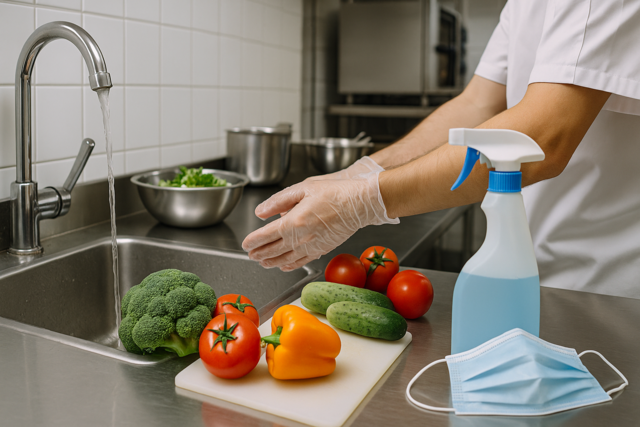
Clean hands are your first defense against germs. Use warm water and soap, scrubbing all parts of your hands—including between fingers and under nails—for at least 20 seconds.
Think about how often you touch your face or food—each time, clean hands reduce the risk of spreading bacteria. Dry hands with a clean towel or air dryer to avoid recontamination.
Cleaning And Disinfecting Surfaces
Surfaces like countertops, cutting boards, and utensils can harbor harmful bacteria. Clean them with soap and water first, then disinfect with a solution safe for food areas.
Don’t forget high-touch spots like fridge handles and light switches. Regular cleaning prevents buildup and keeps your kitchen safe.
Safe Food Storage
Proper storage slows down bacterial growth and preserves food quality. Store raw meat, poultry, and seafood on the bottom shelf of the fridge to prevent drips onto other foods.
Keep leftovers in airtight containers and label them with dates. Have you checked your fridge recently for expired items? This simple habit can save you from food poisoning.
Avoiding Cross-contamination
Cross-contamination happens when bacteria transfer from one food to another. Use separate cutting boards and knives for raw meats and fresh produce.
Wash utensils and surfaces thoroughly after handling raw foods. Are you confident your prep routine keeps foods separate enough to avoid contamination?
Handling Raw Foods Safely
Raw foods, especially meats, can carry harmful bacteria. Thaw frozen items in the fridge, not on the counter, to keep them at safe temperatures.
Cook foods to the recommended internal temperatures and never reuse marinades used on raw meat unless boiled first. These steps protect you from unseen dangers lurking in raw ingredients.
Appliance Safety
Appliance safety is a key part of kitchen safety and sanitation. Using appliances correctly helps prevent accidents and keeps the kitchen clean. Proper care extends the life of your kitchen tools. It also reduces risks like electric shock, fires, or gas leaks.
Using Electrical Appliances Safely
Always check cords for damage before use. Plug appliances into grounded outlets. Keep them away from water to avoid electric shock. Turn off and unplug appliances after use. Never use wet hands while handling electrical devices. Follow the manufacturer's instructions carefully. Keep small appliances out of children's reach.
Maintaining Kitchen Equipment
Clean appliances regularly to avoid bacteria buildup. Remove food debris from blades and surfaces. Check for loose parts and fix them quickly. Schedule professional inspections for big equipment. Store appliances in dry places to stop rust. Use the right cleaning tools to protect appliance surfaces.
Safe Use Of Gas Stoves
Always check for gas leaks before cooking. Use stove burners with proper ventilation. Never leave the stove unattended while on. Turn off gas valves after cooking. Keep flammable items away from open flames. Use stove knobs carefully to control heat. Clean burners often to avoid clogging and fire hazards.
Waste Management
Kitchen safety and sanitation focus on keeping cooking areas clean and free from hazards. Proper waste management helps prevent contamination and keeps the kitchen safe for everyone. Clean surfaces and correct trash disposal reduce the risk of foodborne illnesses.
Managing waste effectively is a vital part of kitchen safety and sanitation. It ensures that your kitchen remains a clean, healthy, and efficient environment. Let's explore the crucial aspects of waste management in the kitchen.
Proper Disposal Of Food Waste
Disposing of food waste correctly is essential in avoiding unpleasant odors and preventing pests. It's important to separate food scraps from other waste and use designated bins for organic waste. Consider composting vegetable peels and fruit scraps, turning them into valuable nutrients for your garden instead of adding to landfill.
Managing Kitchen Garbage
A well-organized garbage system can make a significant difference in maintaining kitchen hygiene. Keep your garbage bins covered with a tight-fitting lid to prevent attracting insects. Regularly empty the bins and clean them to avoid bacteria buildup and maintain a fresh-smelling kitchen.
Recycling Tips
Recycling can significantly reduce your kitchen's environmental footprint. Have separate bins for plastic, glass, and cardboard, ensuring each item is cleaned before recycling. Are you aware of your local recycling guidelines? Following them can ensure that your efforts contribute positively to the environment. Embracing these waste management practices not only enhances kitchen safety but also contributes to a more sustainable lifestyle. What steps will you take today to improve your kitchen's waste management?
Emergency Preparedness
Emergency preparedness in the kitchen is about being ready for unexpected situations that can happen while cooking. It means having the right tools, knowledge, and plans in place to handle accidents quickly and safely. Knowing what to do can prevent small problems from turning into serious dangers.
First Aid For Kitchen Injuries
Kitchen injuries like cuts, burns, and slips happen more often than you might think. Keep a first aid kit stocked with bandages, antiseptic wipes, and burn cream within easy reach. If you cut yourself, rinse the wound with clean water, apply pressure to stop bleeding, and cover it to avoid infection.
For burns, cool the area under running water for at least 10 minutes. Avoid using ice or greasy ointments. Knowing these simple steps can reduce pain and speed up healing.
Fire Extinguisher Use
Fires can start quickly in the kitchen, but you can stop them if you're prepared. A fire extinguisher designed for kitchen use (Class K or multipurpose ABC) should always be nearby. Make sure you know how to use it: remember the PASS technique—Pull the pin, Aim at the base of the fire, Squeeze the handle, and Sweep side to side.
Have you checked your fire extinguisher recently? Expired or empty extinguishers won’t help in emergencies. Practice using it so you feel confident if a fire breaks out.
Emergency Contact Information
Keep emergency phone numbers visible and easy to find. This includes local fire departments, poison control centers, and your family doctor. Posting these numbers near your phone or on the refrigerator can save precious seconds during a crisis.
Have you shared this information with everyone in your household? Make sure everyone knows who to call and what to say when emergencies happen. Clear communication can make all the difference.

Credit: www.food-safety.com
Credit: www.studocu.com
Frequently Asked Questions
What Is Kitchen Safety And Sanitation?
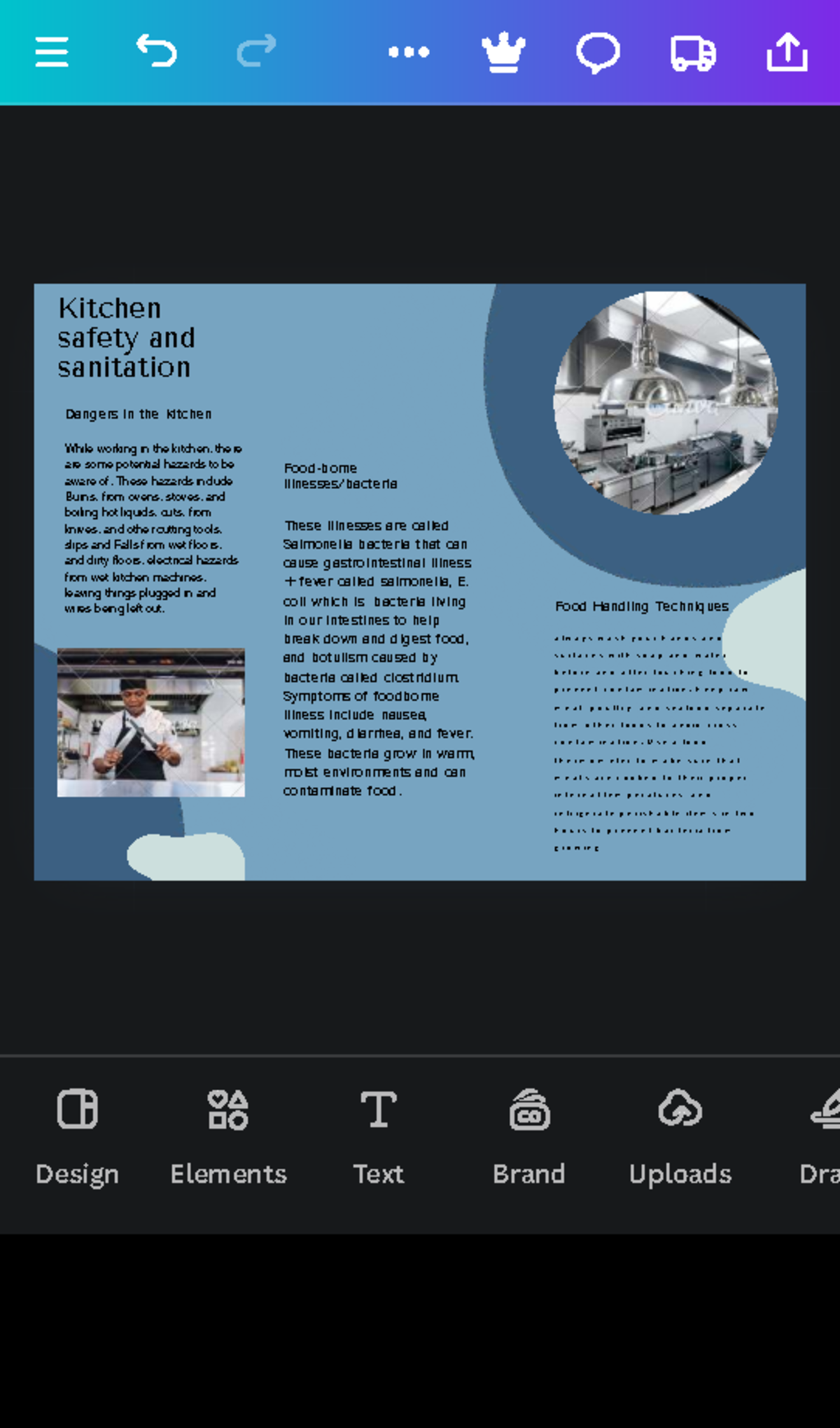
Kitchen safety and sanitation involve practices that prevent accidents and maintain cleanliness. These habits reduce foodborne illnesses and injuries while ensuring a healthy cooking environment.
Why Is Kitchen Sanitation Important?
Kitchen sanitation prevents harmful bacteria growth and cross-contamination. It ensures food safety, protects health, and maintains hygiene in food preparation areas.
How Can I Improve Kitchen Safety?
Improve kitchen safety by keeping floors clean, using sharp knives carefully, and storing chemicals properly. Always follow safety guidelines and use protective gear when needed.
What Are Common Kitchen Hazards?
Common kitchen hazards include cuts, burns, slips, and chemical exposure. Identifying and addressing these risks helps prevent injuries and promotes a safer cooking space.
Conclusion
Kitchen safety and sanitation protect you and your family from illness. Clean hands and surfaces stop germs from spreading. Safe food storage keeps meals fresh and tasty. Using knives carefully prevents cuts and injuries. Always check food for signs of spoilage before cooking.
Small steps in the kitchen make a big difference. Stay alert and follow simple rules every time you cook. Healthy habits in the kitchen create a safer home for all.