
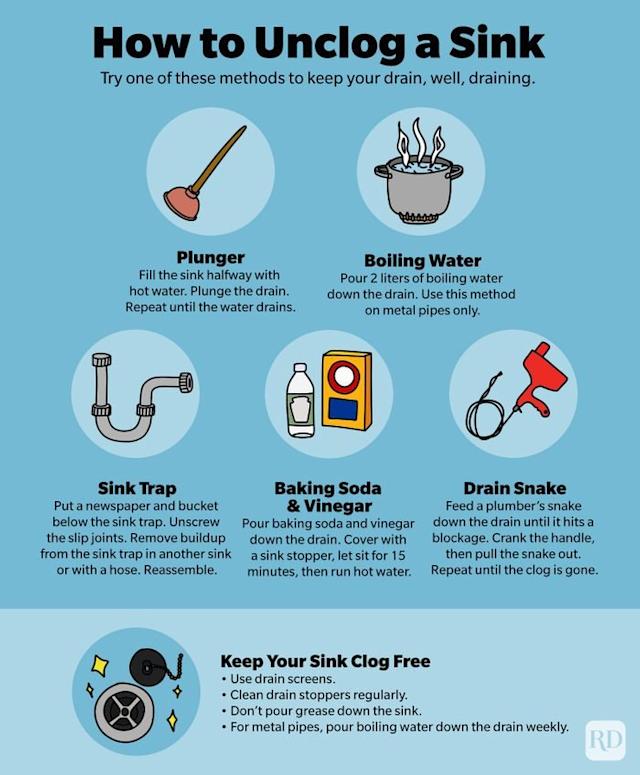
Have you ever wondered if pouring boiling water down your kitchen sink is a good idea? Maybe you’re trying to clear a clog or clean your drain quickly.
It sounds simple and effective, but is it really safe for your pipes? What could happen if the water is too hot? Keep reading to find out the surprising truth about boiling water and your kitchen sink—knowing this could save you from costly repairs and keep your plumbing running smoothly.
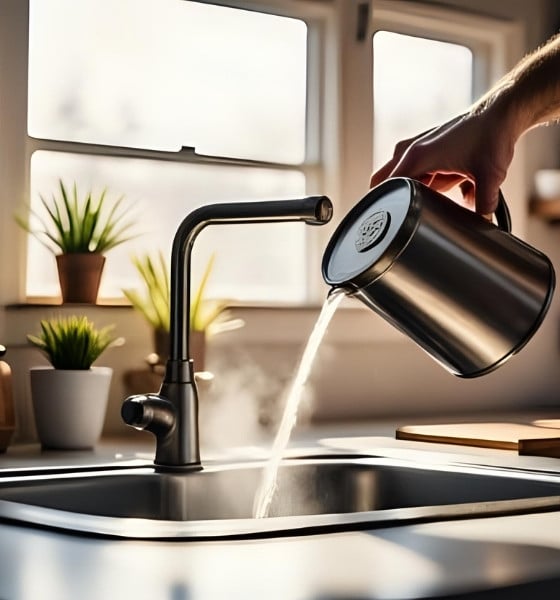
Credit: plumbingandelectrical.net.au
Effects On Sink Materials
Boiling water can affect different sink materials in various ways. Knowing how heat interacts with pipes and seals helps protect your plumbing. Damage to these parts may cause leaks or costly repairs. Understanding the effects on materials helps you avoid common plumbing issues.
Plastic Pipes And Heat Exposure
Plastic pipes are common in many homes. They can soften or warp if exposed to boiling water. Repeated heat exposure weakens their structure over time. This may cause cracks or leaks. PVC and PEX pipes have different heat tolerances. PEX can handle higher temperatures but still risks damage from boiling water. Avoid pouring boiling water directly into plastic pipes to protect them.
Metal Pipes And Temperature Tolerance
Metal pipes are more heat resistant than plastic. Copper and galvanized steel can handle boiling water without damage. They expand slightly but return to their original shape. Metal pipes rarely crack from hot water alone. However, extreme or sudden temperature changes may cause stress. Continuous exposure to boiling water is safer with metal pipes.
Impact On Drain Seals And Joints
Drain seals and joints connect pipes and prevent leaks. Heat from boiling water can weaken rubber or plastic seals. These materials may shrink, crack, or lose flexibility. Damaged seals lead to leaks and water damage. Metal or silicone seals handle heat better but still risk wear over time. Protect seals by avoiding direct pouring of boiling water into drains.
Benefits Of Pouring Boiling Water
Pouring boiling water down your kitchen sink can be a simple yet effective way to maintain your plumbing. This easy practice offers several benefits that go beyond just clearing blockages. Understanding these benefits can help you decide when and how to use boiling water to keep your sink in top shape.
Clearing Minor Clogs
Boiling water can help dissolve grease and soap buildup that often cause minor clogs. When you pour it slowly, the hot water softens the debris, making it easier to flush away. Have you noticed how a slow drain sometimes clears up after a cup of boiling water? That’s the science at work.
Sanitizing The Drain
Hot water kills many types of bacteria and germs lurking in your drain. Pouring boiling water regularly can reduce the risk of harmful buildup and keep your sink cleaner. Think of it as a natural way to disinfect without harsh chemicals.
Reducing Odors
Stale smells often come from trapped food particles and bacteria in the drain. Boiling water helps wash away these odor-causing agents, leaving your kitchen smelling fresher. If your sink smells bad, would you try boiling water before reaching for expensive deodorizers?
Risks And Potential Damage
Pouring boiling water down your kitchen sink might seem like a quick fix for clearing clogs or cleaning drains. However, this simple act carries several risks that could lead to costly repairs or safety issues. Understanding these potential dangers helps you decide when it’s safe to use boiling water and when alternative methods are better.
Cracking Pipes
Boiling water can cause certain types of pipes, especially PVC or plastic ones, to crack or warp. These materials aren’t designed to handle extreme heat, and repeated exposure may weaken their structure over time.
Metal pipes may handle heat better, but sudden temperature changes can still cause expansion and contraction, increasing the risk of leaks. Have you checked what material your pipes are made of before pouring boiling water?
Worsening Certain Blockages
Boiling water may dissolve grease clogs temporarily but can also make some blockages worse. For example, melted fats can cool and solidify further down the pipe, creating a tougher blockage.
Hair clumps and soap scum don’t always break down with hot water alone. Sometimes, boiling water pushes debris deeper into the plumbing, making future clogs harder to remove.
Safety Hazards
Handling boiling water around your sink poses a burn risk. A slip or splash can cause serious injuries, especially if you’re dealing with a tight or awkward space.
Pouring boiling water too quickly might also damage your sink’s surface, particularly if it’s made of porcelain or composite materials. Are you prepared to manage hot water safely in a busy kitchen setting?

Credit: www.drano.com
Alternatives To Boiling Water
Pouring boiling water down the kitchen sink is a common practice. But it may not always be the best option for your pipes. High temperatures can damage certain types of plumbing, leading to costly repairs. Luckily, there are safer and effective alternatives to maintain your drains.
Using Baking Soda And Vinegar
Baking soda and vinegar create a natural cleaning duo. Sprinkle one cup of baking soda into the drain. Follow with one cup of vinegar. This mixture will fizz and break down clogs. Let it sit for at least 15 minutes. Then, rinse with warm water. Repeat if necessary for stubborn clogs.
Chemical Drain Cleaners
Chemical drain cleaners are widely available. They dissolve tough clogs with powerful ingredients. Use them sparingly to avoid pipe damage. Always follow the instructions on the package. Ensure proper ventilation during use.
Mechanical Methods
Mechanical methods are effective for clearing blockages. Use a plunger to dislodge debris. Plunge vigorously over the drain opening. A drain snake is another tool for the job. Insert it into the drain and twist to clear clogs. These tools can be found at most hardware stores.
Best Practices For Sink Maintenance
Maintaining your kitchen sink properly can save you from unexpected plumbing headaches. Simple daily habits keep your sink running smoothly and prevent stubborn clogs. Let’s look at some practical ways you can care for your sink and avoid common issues.
Regular Cleaning Tips
Cleaning your sink regularly helps prevent grime and bacteria buildup. Wipe down the basin with mild soap and warm water at least once a day. Avoid harsh chemicals that can damage pipes or finishes.
Every week, pour a mix of baking soda and vinegar down the drain. Let it fizz for a few minutes before flushing with hot water. This natural method clears minor blockages and keeps odors away.
Preventing Clogs
Think about what goes down your drain before you pour or flush. Grease, coffee grounds, and food scraps are the biggest culprits behind clogs. Instead of rinsing grease with hot water, collect it in a container and throw it in the trash.
Use a drain strainer to catch solids before they enter your pipes. Empty it frequently to avoid buildup. If you notice water draining slowly, don’t ignore it—address it quickly before it turns into a bigger problem.
When To Call A Professional
Sometimes, even the best care can’t fix persistent sink problems. If your sink backs up regularly or you hear gurgling sounds, it might be time to get expert help. Professional plumbers have tools and skills to diagnose deep blockages or pipe damage.
Don’t wait until a minor clog becomes a flood. Calling a professional early can save you money and stress down the line. Have you ever tried fixing a stubborn clog only to make it worse? Knowing when to step back is just as important as trying to solve the problem yourself.
Credit: meticulousplumbing.com
Frequently Asked Questions
Can Boiling Water Damage Kitchen Sink Pipes?
Boiling water can damage some sink pipes, especially PVC or plastic ones. Metal pipes usually handle heat better. Always check pipe material before pouring boiling water to avoid damage or leaks.
Is Boiling Water Effective For Unclogging Drains?
Boiling water can help dissolve grease and soap clogs in kitchen drains. However, it may not clear severe blockages. Use with caution and combine with other methods for best results.
Can Pouring Boiling Water Kill Kitchen Sink Bacteria?
Yes, boiling water helps kill bacteria and sanitize the kitchen sink drain. It is a natural and chemical-free way to reduce germs. Use boiling water regularly for better hygiene.
Should I Avoid Boiling Water With Garbage Disposals?
Avoid pouring boiling water directly into garbage disposals. It can damage disposal parts and pipes. Use warm water instead to clean and flush the disposal safely.
Conclusion
Pouring boiling water down the kitchen sink can be safe in some cases. It helps clear grease and minor clogs in metal pipes. Avoid doing this if you have plastic pipes or fragile plumbing. Always check your sink’s material before trying it.
Use boiling water carefully to protect your pipes and home. Small steps keep your kitchen sink working well. Stay cautious and keep your plumbing in good shape.