
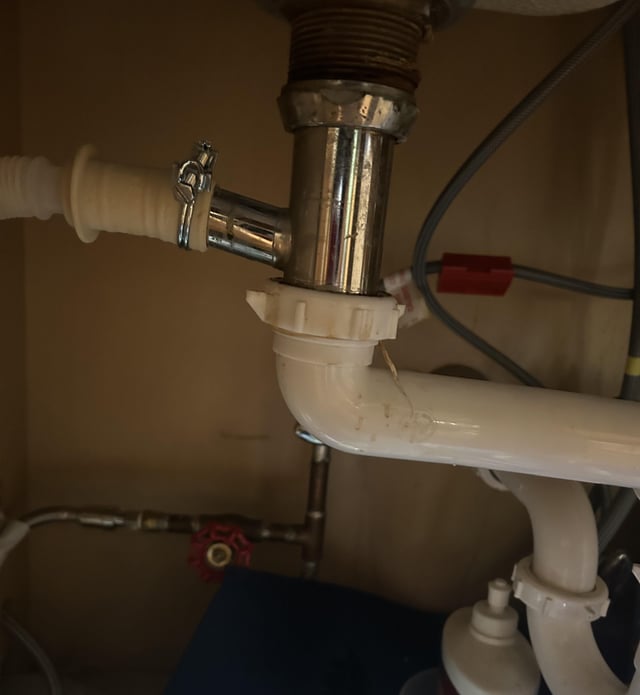
Are you wondering if you can hook a dishwasher up to your kitchen sink? It’s a common question that many homeowners have when trying to save time and money on installation.
Knowing the right way to connect your dishwasher not only ensures it works properly but also prevents leaks and damage to your kitchen. You’ll discover simple steps and expert tips that make the process clear and easy to follow. Keep reading to find out how you can get your dishwasher up and running without any hassle.
Credit: www.diychatroom.com
Dishwasher Connection Basics
Understanding the basics of connecting a dishwasher to your kitchen sink can save you time, money, and frustration. It’s not just about hooking up a hose; it involves knowing how your dishwasher drains, the role your sink plays, and the right plumbing parts you’ll need. Let’s break down these essentials so you feel confident tackling the installation or troubleshooting any issues.
How Dishwashers Drain
Your dishwasher removes dirty water through a drain hose that must be properly connected to ensure smooth water flow. The water is pumped out after each wash cycle, and if the drain isn’t set up correctly, water can back up into the dishwasher or the sink.
Have you noticed water pooling in your sink or dishwasher? That’s often a sign of a drainage problem. Proper drainage keeps everything flowing away from your dishwasher and prevents odors or clogs.
Role Of The Kitchen Sink
The kitchen sink often acts as the main drainage point for your dishwasher. Many dishwashers connect to the sink’s drain or garbage disposal to channel wastewater safely out of your home. This setup works because the sink’s plumbing is already designed to handle water flow and waste.
But be careful: if your sink drain is clogged or slow, it can affect your dishwasher’s performance. Have you checked if your sink’s drain pipe is clean before hooking up the dishwasher? It’s a small step that can save you from bigger headaches.
Necessary Plumbing Components
To connect your dishwasher correctly, you’ll need a few key parts:
- Dishwasher drain hose:Carries water from the dishwasher to the drain or disposal.
- Air gap or high loop:Prevents dirty water from flowing back into the dishwasher.
- Dishwasher connector tee fitting:Joins the dishwasher drain hose to the sink drain or disposal.
- Hose clamps:Secure the hose to prevent leaks.
Missing any of these can cause leaks or drainage issues. Have you gathered these parts before starting your installation? Being prepared with the right tools makes the process smoother and avoids unexpected trips to the hardware store.

Credit: www.reddit.com
Tools And Materials Needed
Setting up a dishwasher to the kitchen sink requires specific tools and materials. Having the right items makes the process smooth and safe. This section covers essential equipment you need before starting the hookup.
Plumbing Tools
- Adjustable wrench for tightening fittings
- Pipe wrench for gripping pipes
- Slip-joint pliers to hold parts firmly
- Phillips and flathead screwdrivers
- Tube cutter for cutting hoses cleanly
- Bucket to catch water spills
- Flashlight for better visibility under the sink
Hoses And Fittings
- Dishwasher drain hose to carry waste water
- Water supply hose to connect to hot water
- Hose clamps to secure hoses tightly
- Dishwasher inlet valve to control water flow
- Y-connector or T-connector for splitting water supply
- Drain adapter to link drain hose to sink drain
Sealing Supplies
- Plumber’s tape (Teflon tape) to seal threaded joints
- Silicone sealant to prevent water leaks
- Pipe joint compound for extra sealing strength
- Rags or towels to clean up excess sealant
Step-by-step Hookup Process
Hooking up a dishwasher to your kitchen sink might seem tricky at first, but breaking the process into clear steps makes it manageable. Each step focuses on safety and proper connection, ensuring your dishwasher runs smoothly without leaks or electrical hazards. Let’s walk through the essential actions you need to take to get your dishwasher hooked up right.
Turning Off Water And Power
Before you start, it’s crucial to turn off the water supply to avoid any flooding. Locate the shutoff valve under your sink and close it completely. Don’t forget to cut the power to the dishwasher by switching off the circuit breaker or unplugging the appliance to prevent electrical accidents.
Have you ever rushed this part and ended up with a dripping faucet or worse? Taking a moment here saves you from a watery mess and keeps you safe.
Attaching The Drain Hose
Next, connect the dishwasher’s drain hose to its designated outlet. Make sure the hose is free from kinks or cracks, which can block water flow. Use a clamp or a zip tie to secure the hose firmly onto the dishwasher’s drain port to prevent leaks during operation.
Think of the drain hose as your dishwasher’s exit route; if it’s blocked or loose, water won’t drain properly, leading to standing water inside the machine.
Connecting To The Sink Drain Or Garbage Disposal
Now, attach the other end of the drain hose to the sink drain or the garbage disposal unit. If connecting to the garbage disposal, check if the knockout plug inside the disposal’s inlet is removed to allow water flow. Use a hose clamp to tightly secure the hose to prevent any disconnections or leaks.
Does your sink drain have a dishwasher inlet? If not, you may need a Y-connector or an adapter to create one. This step ensures the wastewater from your dishwasher flows directly into your home’s drainage system without issues.
Securing The Hose And Checking For Leaks
Once everything is connected, fasten the drain hose to the cabinet wall or other sturdy surfaces using clips or brackets. This prevents the hose from sagging or getting damaged during use. Turn the water and power back on, then run a short cycle to check for any leaks around the connections.
If you spot drips, tighten the clamps or reposition the hose. Catching leaks early protects your kitchen from water damage and keeps your dishwasher running efficiently.
Common Issues And Fixes
Hooking a dishwasher to your kitchen sink can save space and simplify plumbing, but it’s not without challenges. Understanding common issues and their fixes helps you avoid frustration and costly repairs. Let’s look at typical problems you might face and how you can tackle them effectively.
Leaks And Drips
Leaks often happen at connection points between the dishwasher hose and the sink drain or water supply. These leaks can cause water damage under your sink if unnoticed. Tightening hose clamps or replacing worn washers usually stops drips quickly.
Sometimes, the hose itself might develop cracks or holes. Check the hose regularly, especially if it feels brittle or discolored. Replacing damaged hoses is a simple fix that prevents bigger messes.
Drainage Problems
Slow or incomplete drainage is a common headache. Food debris or soap scum can clog the drain hose or the air gap. Cleaning these parts with a brush or running a vinegar solution through the hose can restore proper flow.
If your dishwasher water backs up into the sink, check whether the drain hose is installed with a proper loop above the sink drain. This “high loop” prevents water from flowing backward, which is a common mistake many make during installation.
Backflow Prevention
Backflow happens when dirty water flows from the sink back into the dishwasher, creating hygiene issues and unpleasant odors. Installing an air gap or a check valve on the dishwasher drain hose prevents this problem. These devices allow water to flow out but block it from coming back in.
Have you noticed foul smells or dirty water pooling in your dishwasher? That could be a sign your backflow prevention isn’t working. Checking and maintaining these components regularly keeps your dishwasher running clean and fresh.
When To Call A Professional
Knowing when to call a professional is key to a smooth dishwasher installation. Some tasks require expert skills to avoid damage and ensure everything works correctly. Handling plumbing can be tricky and might lead to costly repairs if done wrong.
Calling a professional can save time and stress. They have the right tools and knowledge to fix issues quickly. They also ensure the installation meets all safety and legal standards.
Complex Plumbing Setups
Complex plumbing systems need expert handling. Multiple water lines, drains, or older pipes may cause problems. Professionals understand how to connect the dishwasher without disturbing existing plumbing. They prevent leaks and water damage by using the correct fittings and methods.
Code Compliance
Plumbing codes vary by location and must be followed strictly. A professional knows local rules for dishwasher hookups. They ensure the installation meets all regulations. This avoids fines and ensures your home insurance stays valid.
Ensuring Safety
Water and electricity near each other require caution. Professionals ensure all connections are safe and secure. They reduce risks of electric shock and flooding. Proper installation protects your home and family from hazards.
Tips For Dishwasher Maintenance
Hooking a dishwasher to the kitchen sink drain is possible with the right connector and proper installation. Ensure the connection has a high loop to prevent backflow and leaks. Regular checks help keep your dishwasher running smoothly and avoid clogs.
Maintaining your dishwasher effectively is crucial for its longevity and performance. A well-maintained dishwasher not only ensures sparkling clean dishes but also helps avoid unexpected repairs. Here are some actionable tips to keep your dishwasher in top shape.
Regular Cleaning
Regular cleaning is essential to keep your dishwasher running efficiently. Wipe down the door seals with a damp cloth to prevent mold and mildew buildup. You might be surprised at how much residue can accumulate, affecting the appliance's performance. Using a cup of white vinegar on the top rack and running a hot cycle can effectively remove grease and odors. Add this simple routine to your monthly cleaning schedule. It takes minimal effort but offers significant benefits.
Inspecting Connections
Ensuring your dishwasher's connections are secure can prevent leaks and water damage. Check the water supply and drain hoses periodically for any signs of wear or leaks. A quick visual inspection once a month can save you from a costly repair bill. Imagine hosting a dinner party only to find your kitchen flooded because of a loose hose. Tightening a connection takes seconds but avoids such disasters. Make it a habit to glance at these connections during your regular cleaning.
Preventing Clogs
Clogs can be a major headache, but they're often preventable. Scraping off excess food from your dishes before loading them into the dishwasher can make a big difference. This small step can prevent food particles from clogging the filter and spray arms. Consider using a commercial dishwasher cleaner every few months to tackle mineral deposits and buildup. It’s an easy way to maintain water flow and ensure your dishwasher is working at full capacity. Have you ever noticed a decline in cleaning performance? It might be time for a deep clean. By incorporating these maintenance tips, you can ensure your dishwasher remains a reliable kitchen companion for years to come.

Credit: www.reddit.com
Frequently Asked Questions
Can I Connect A Dishwasher To My Kitchen Sink Drain?
Yes, you can connect a dishwasher to the kitchen sink drain. It requires installing a dishwasher drain hose and a proper air gap or high loop to prevent backflow. This setup ensures efficient drainage and prevents contamination.
Do I Need Special Plumbing To Hook Up A Dishwasher?
Typically, you need a dishwasher drain hose, a shutoff valve, and a branch tailpiece. The plumbing should comply with local codes. If unsure, consulting a professional plumber is recommended to ensure a safe and code-compliant installation.
Is It Safe To Use The Kitchen Sink Water Line For Dishwasher?
Yes, dishwashers commonly use the hot water line under the kitchen sink. Make sure the connection uses proper fittings and the water pressure matches the dishwasher’s requirements to avoid leaks and ensure optimal performance.
What Tools Are Required To Hook Up A Dishwasher To Sink?
You will need a screwdriver, adjustable wrench, pliers, plumber’s tape, and a drain hose. These tools help secure connections and prevent leaks. Having them on hand makes the installation process easier and safer.
Conclusion
Hooking a dishwasher to the kitchen sink drain is possible and common. It saves space and uses existing plumbing. Make sure to use the right parts and follow instructions carefully. Avoid leaks by checking connections well. If unsure, ask a professional to help.
A properly hooked dishwasher works smoothly and keeps your kitchen clean. Simple steps lead to great results.