
Have you ever wondered if your air fryer is secretly warming up your entire kitchen? You might love how quick and easy it makes cooking, but does it come with a hidden heat cost?
If your kitchen feels warmer after using your air fryer, you’re not alone. Understanding how much heat your air fryer produces can help you cook more comfortably and keep your kitchen cool. Keep reading to find out the truth about air fryers and kitchen heat, so you can enjoy your meals without sweating it out.

Credit: www.mirror.co.uk
How Air Fryers Work
Understanding how air fryers work helps explain if they heat the kitchen. These appliances cook food by circulating hot air rapidly. This method creates a crispy layer without deep frying. The cooking process is fast and efficient, using less oil than traditional frying. Let’s explore the technology behind air fryers and their heat generation.
Rapid Air Technology
Air fryers use rapid air technology to cook food evenly. A powerful fan circulates hot air around the food at high speed. This air movement cooks the food’s surface quickly, creating a crispy texture. The hot air reaches all sides, ensuring even cooking. This technology mimics frying but with less oil and less mess.
Heat Generation Process
An electric heating element produces the heat inside an air fryer. The heating element warms the air around it to a high temperature. The fan then pushes this hot air into the cooking chamber. The constant flow of hot air cooks the food rapidly and thoroughly. Most heat stays inside the air fryer, limiting heat escape to the kitchen.
Heat Output Compared To Ovens
Understanding how much heat air fryers produce compared to ovens helps decide kitchen use. Both appliances cook food by heating air, but their heat output varies. This difference affects kitchen temperature and energy use.
Air Fryers Vs Conventional Ovens
Air fryers are compact and use rapid hot air circulation. They heat up quickly and cook food faster. Most air fryers reach temperatures around 400°F (204°C).
Conventional ovens are larger and heat a bigger space. They take more time to preheat and maintain temperature. Oven temperatures can range from 200°F to 500°F (93°C to 260°C).
Because air fryers cook smaller amounts of food, they release less heat into the kitchen. Ovens often run longer and emit more heat, warming the surrounding area more noticeably.
Energy Efficiency Differences
Air fryers use less energy due to smaller size and shorter cooking times. Their efficient heat circulation reduces wasted energy.
Ovens consume more electricity or gas to heat a large cavity. This larger heat output can raise kitchen temperatures significantly.
Choosing an air fryer can keep your kitchen cooler, especially in warm weather. It also lowers energy bills by using less power during cooking.
Impact On Kitchen Temperature
Air fryers are popular for their convenience and health benefits. But do they heat up the kitchen? Understanding their impact on kitchen temperature can help you manage your cooking environment better.
Heat Dissipation During Cooking
Air fryers use rapid air circulation to cook food. This method creates less external heat compared to traditional ovens. The heat is mostly contained within the appliance. This means less heat escapes into the kitchen.
Some heat still radiates from the fryer’s exterior. But the effect on room temperature is minor. This makes air fryers a good choice for keeping your kitchen cooler.
Factors Affecting Kitchen Warmth
Several factors influence how much warmth an air fryer adds to your kitchen. The size and model of the air fryer play a role. Larger models may emit more heat.
Cooking time also affects warmth. Longer cooking periods can lead to more heat dissipation. The kitchen's ventilation system impacts temperature changes too. Good ventilation helps maintain a cooler environment.
Consider these factors when using an air fryer. They can help you minimize temperature increases in your kitchen.
Ventilation And Heat Management
Ventilation and heat management play a key role in how much air fryers heat the kitchen. These appliances use rapid hot air circulation to cook food quickly. This process generates heat that may affect the kitchen temperature. Understanding how air fryers manage airflow and heat helps minimize unwanted warmth in the kitchen. Proper ventilation ensures the heat escapes efficiently, keeping the cooking area comfortable.
Airflow Design In Air Fryers
Air fryers have built-in fans that circulate hot air around the food. This design helps cook food evenly and fast. The airflow moves heat away from the heating element and food, reducing heat buildup inside the fryer. Most air fryers have vents on the sides or back to release hot air safely. This venting system prevents excessive heat from staying inside the machine. Good airflow design lowers the chance of the kitchen getting too hot during cooking.
Tips To Minimize Kitchen Heat
- Place the air fryer near a window or under a kitchen hood for better ventilation.
- Avoid using the air fryer in small, closed spaces without airflow.
- Turn on a fan or exhaust system to help remove warm air from the kitchen.
- Run the air fryer for shorter periods to reduce heat buildup.
- Keep the air fryer’s vents clean and unblocked for optimal heat release.
- Use the air fryer during cooler parts of the day to balance kitchen temperature.
User Experiences And Myths
Many people wonder if air fryers heat up the kitchen while cooking. Users often share different views on this. Some say their kitchens feel warm after using air fryers. Others believe the heat is minimal and not a problem. Myths about air fryers causing a hot kitchen also spread online.
Common Misconceptions
- Air fryers produce a lot of heat like ovens.
- They increase kitchen temperature significantly.
- Using air fryers is uncomfortable during summer.
- Air fryers require special ventilation to avoid heat.
These ideas come from confusing air fryer heat with oven heat. Air fryers use rapid air circulation, which cools down quickly. They also have insulated walls that keep heat inside the unit. This design limits heat escaping into the kitchen.
Real-life Kitchen Heat Reports
Many users report little to no increase in kitchen temperature. Some say the air fryer feels warm only near the appliance. Others mention a slight heat rise but nothing compared to ovens. Users note that air fryers cook faster, so heat exposure is shorter.
Here is a summary of typical user experiences:
| User Experience | Heat Level in Kitchen |
|---|---|
| Small kitchen, air fryer used for 20 minutes | Minimal heat, felt close to the device only |
| Medium kitchen, multiple dishes cooked | Light warmth, lower than oven cooking |
| Large kitchen, air fryer used with ventilation | No noticeable heat increase |
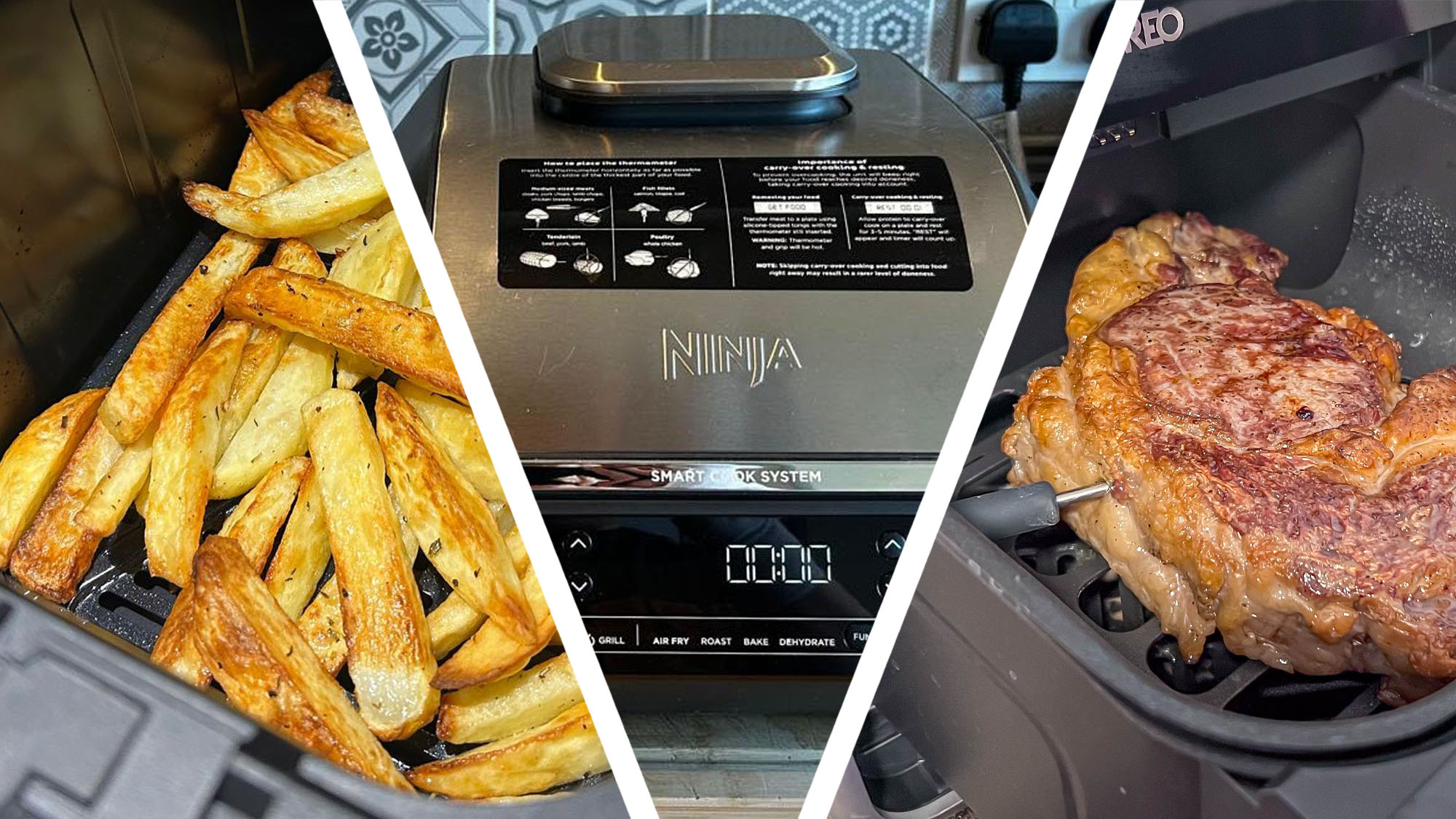
Credit: www.techradar.com
Alternatives For Cooler Cooking
Cooking can raise kitchen temperatures, making the space uncomfortable. Alternatives for cooler cooking help keep the room fresh. These options use less heat or direct heat away from the kitchen. They make meal prep easier during hot days.
Using Microwave Ovens
Microwave ovens cook food quickly without heating the whole kitchen. They use electromagnetic waves to warm food from inside out. This means less heat escapes into the air. Microwaves are ideal for reheating and simple cooking tasks.
They save time and energy. They also keep the kitchen cooler than traditional ovens or stovetops. Using a microwave reduces the need to turn on large heating appliances. This is helpful in small or poorly ventilated kitchens.
Choosing Low-heat Appliances
Low-heat appliances include slow cookers, electric grills, and induction cooktops. These devices produce less ambient heat while cooking food efficiently. Slow cookers use low temperatures over a longer time, avoiding extra heat release.
Induction cooktops heat only the pan, not the air around it. Electric grills often have built-in fans to reduce heat. Choosing these tools helps maintain a cooler kitchen environment. They work well for steady, controlled cooking without overheating.
:max_bytes(150000):strip_icc()/faw-detail-instant-pot-vortex-4-1-2qt-mini-oven-combo-air-fryer-wdickey-181-498046ce953047dfb467e0476c120501.jpeg)
Credit: www.foodandwine.com
Frequently Asked Questions
Do Air Fryers Increase Kitchen Temperature Significantly?
Air fryers emit some heat but do not significantly raise kitchen temperature. They use rapid air circulation, which cools quickly. Compared to ovens, air fryers produce less ambient heat, making them more kitchen-friendly for temperature control.
How Much Heat Does An Air Fryer Release?
An air fryer releases moderate heat primarily from its exhaust vent. The heat dissipates quickly into the surrounding air. It is less than traditional ovens, ensuring the kitchen stays cooler during cooking.
Can Air Fryers Replace Ovens To Reduce Kitchen Heat?
Yes, air fryers can replace ovens to reduce kitchen heat. They use less energy and produce less radiant heat. This makes cooking more comfortable in warm environments.
Do Air Fryers Cause Kitchen Discomfort In Summer?
Air fryers cause minimal kitchen discomfort during summer. Their compact size and efficient design limit heat release. Using them can help keep kitchens cooler than using conventional ovens.
Conclusion
Air fryers do produce some heat, but it is usually small. They do not heat the kitchen like ovens or stoves. The heat mostly stays inside the air fryer. This makes cooking easier in warm spaces. Using an air fryer can keep your kitchen cooler.
It also saves energy and time. So, air fryers are a good choice for quick, less hot cooking. You can enjoy tasty meals without making your kitchen too warm. Simple and smart cooking!