
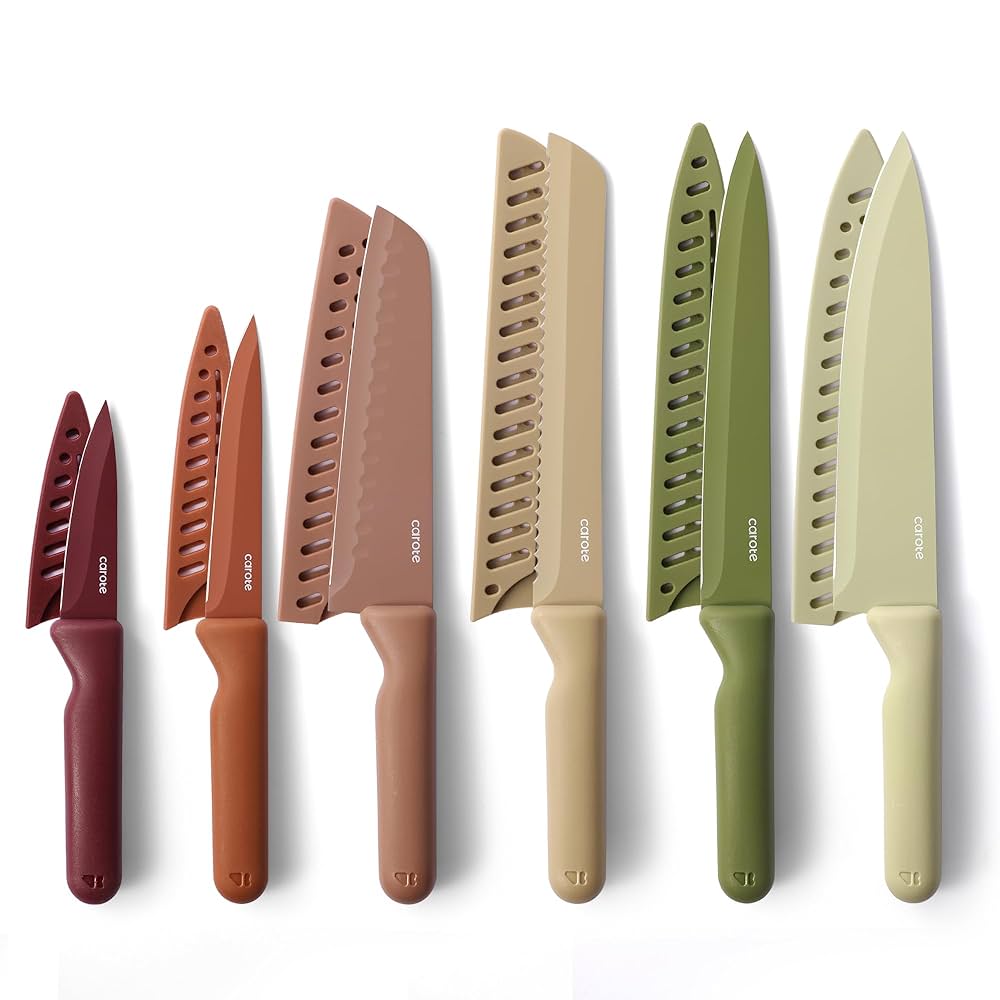
Are you wondering if you can toss your kitchen knives into the dishwasher for a quick clean? It sounds convenient, right?
But before you do, it’s important to know how this choice could affect your knives—and your safety. You’ll discover the surprising truth about dishwasher use for your kitchen knives, why it matters, and what you should do instead. Keep reading to protect your knives and keep them sharp for years to come.

Credit: www.amazon.com
Dishwasher Effects On Knives
Dishwashing may seem like a convenient way to clean your kitchen knives, but it can have some surprising effects on them. Understanding how the dishwasher impacts various parts of your knives helps you decide whether this cleaning method is safe or risky. Let’s break down the main concerns you should know about.
Blade Damage Risks
Dishwashers can cause your knife blades to chip or dull faster than hand washing. The high-pressure water jets and the constant banging against other utensils create small nicks along the edge. Have you noticed your knives losing sharpness quickly after a few dishwasher cycles? That’s a common sign of blade damage.
Also, the heat inside the dishwasher can weaken the metal over time. This repeated exposure may change the blade’s hardness, making it less effective for cutting. If you want your knives to stay sharp longer, consider washing them by hand instead.
Handle Material Concerns
Not all knife handles tolerate the dishwasher environment well. Wooden handles, in particular, absorb water and heat, causing them to crack or warp. Plastic handles might seem more durable but can still discolor or become brittle after frequent dishwasher use.
Metal handles can withstand the dishwasher better, but they might get hot and uncomfortable to hold immediately afterward. Have you ever pulled a knife out of the dishwasher only to find the handle feels different? That’s a sign the dishwasher is affecting its material.
Corrosion And Rust Issues
Exposure to water and detergents in the dishwasher increases the risk of rust and corrosion on your knives. Even stainless steel blades are not immune if the protective layer wears off. This can lead to unsightly spots and reduced knife lifespan.
Leaving knives in a wet dishwasher for too long only makes corrosion worse. Drying your knives immediately after washing, especially if you use a dishwasher, helps prevent rust. But if you want to avoid this hassle, hand washing might be the safer choice.
Safe Knife Types For Dishwashers
Not all kitchen knives handle the dishwasher well. Certain types are built to withstand its harsh environment. Knowing which knives are safe helps protect your tools and keeps them sharp longer.
Dishwashers use hot water and strong detergents. These can damage some blades or handles. Choosing knives made from durable materials is key for dishwasher use. Here are common safe knife types.
Stainless Steel Knives
Stainless steel knives resist rust and corrosion. Their blades stay strong despite dishwasher heat. Most stainless steel knives have sturdy handles too. They can usually go in the dishwasher without damage.
Still, repeated dishwasher cycles may dull the blade faster. Hand washing is gentler but stainless steel is the safest choice if you prefer dishwasher cleaning.
Ceramic Knives
Ceramic knives do not rust or corrode. They are lightweight and sharp for a long time. These knives handle dishwasher heat well without damage. However, their blades are brittle and can chip or break.
Place ceramic knives carefully in the dishwasher. Avoid stacking or banging them against other items. They are safe but require gentle treatment.
High-end Chef Knives
High-end chef knives often use premium stainless steel. They may have protective coatings or special finishes. Some brands design knives specifically to tolerate dishwasher cycles.
Check manufacturer guidelines before washing these knives in the dishwasher. Proper care preserves blade sharpness and handle integrity. Many chefs still prefer hand washing to maintain quality.
Best Practices For Cleaning Knives
Cleaning kitchen knives properly keeps them sharp and safe to use. It also helps knives last longer and look good. Using the right cleaning methods prevents damage to the blade and handle. Follow these best practices to care for your knives every day.
Hand Washing Techniques
Use warm water and mild dish soap to clean knives by hand. Avoid soaking knives in water for a long time. Gently scrub the blade with a soft sponge or cloth. Keep the sharp edge away from your fingers. Rinse the knife under running water to remove soap. Never put knives in the dishwasher as it can dull blades and ruin handles.
Proper Drying Methods
Dry knives immediately after washing to stop rust and stains. Use a soft, clean towel to wipe the blade and handle. Hold the knife carefully to avoid cuts. Do not air dry knives because water spots and rust can form. Make sure the knife is completely dry before storing it.
Storage Tips To Maintain Sharpness
Store knives in a way that protects the blade and keeps it sharp. Use a knife block, magnetic strip, or knife sheath for safe storage. Avoid tossing knives in a drawer where they can hit other utensils. Keep blades separated to stop chipping and dulling. Store knives out of reach of children for safety.
Credit: www.victorinox.com
Alternatives To Dishwashing
Dishwashers can dull and damage kitchen knives over time. Hand washing with mild soap protects the blade and handle better. Using a soft sponge helps keep knives sharp and safe.
If you've ever wondered whether tossing your kitchen knives into the dishwasher is a good idea, you're not alone. Many of us have been tempted by the convenience, but the potential damage to your knives might not be worth it. Luckily, there are several alternatives to dishwashing that can keep your knives in top-notch condition.
Using Knife Blocks And Sheaths
Storing your knives properly can drastically increase their lifespan. Knife blocks and sheaths are excellent options for storage. They prevent the blades from dulling and protect you from accidental cuts. Imagine reaching into a drawer and accidentally grazing a sharp edge. A knife block or sheath can prevent such mishaps. Plus, they keep your kitchen organized and your knives readily accessible.
Professional Knife Sharpening
Have you ever tried slicing a tomato with a dull knife? Frustrating, right? Professional knife sharpening services can restore your knives to their former glory. Many culinary stores offer this service, ensuring your knives remain sharp and effective. A sharp knife not only makes cooking easier but also safer, as it requires less force and offers more control.
Regular Maintenance Routines
Taking a few minutes after each use can make a significant difference. Hand wash your knives with warm, soapy water and dry them immediately. This simple routine prevents rust and keeps the blades sharp. Consider setting a regular schedule for deeper maintenance, like oiling the blades to prevent corrosion. Maintaining your knives doesn't have to be a chore. It can be a quick and easy part of your cooking routine.
Common Myths About Dishwasher Use
Many people believe kitchen knives can safely go in the dishwasher. This idea comes from convenience and dishwasher labels. Myths about dishwasher use often lead to damaged knives and wasted money. Understanding these myths helps protect your knives and keeps them sharp longer.
Dishwasher Safe Labels Explained
Some knives have dishwasher safe labels. These labels can be confusing. A label does not always mean the knife will stay sharp. It often means the handle can survive dishwasher heat and water. The blade might still dull or rust after washing.
Dishwashers use hot water and strong detergents. These can damage knife edges and handles. Even stainless steel blades can lose sharpness. Handles made from wood or some plastics may crack or fade.
Misconceptions About Knife Durability
Many think kitchen knives are tough and can handle any cleaning. Knives are sharp tools and need careful care. Dishwasher sprays can cause blades to bump and scratch each other. This leads to dull edges and small chips.
High heat and moisture can cause rust on metal parts. Repeated dishwasher cycles speed up this process. Proper hand washing and drying protect knives better. This keeps them sharper and looking new for longer.

Credit: 945maxcountry.com
Frequently Asked Questions
Can Dishwasher Damage Kitchen Knives?
Yes, dishwashers can damage knives. High heat and harsh detergents cause blade dulling and handle corrosion over time.
Are Dishwasher-safe Knives Truly Safe?
Some knives are labeled dishwasher-safe, but repeated washing still risks dulling and rust. Hand washing is safer.
How To Properly Clean Kitchen Knives?
Hand wash knives with mild soap and warm water. Dry immediately to prevent rust and maintain sharpness.
Will Dishwasher Affect Knife Sharpness?
Yes, dishwasher detergents and water pressure can dull knife edges quickly. Regular sharpening is needed if dishwashed.
Conclusion
Putting kitchen knives in the dishwasher can damage their blades. The heat and water can dull knives quickly. Hand washing keeps them sharp and lasts longer. Dry knives right after washing to stop rust. Careful cleaning helps your knives stay safe and strong.
Choose the best way to clean based on your knives’ material. Protect your knives to enjoy better cooking every day.