
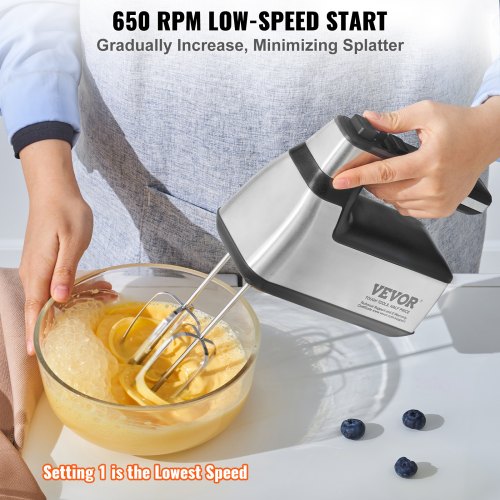
Are you wondering if your kitchen hand mixer can handle chapati flour? You’re not alone.
Many home cooks ask this question when trying to save time and effort in the kitchen. Using the right tool can make a big difference in how smooth and soft your chapati dough turns out. But can a hand mixer really do the job without ruining the texture?
Keep reading to discover the surprising answer and learn how to get the best results every time you make chapatis. Your kitchen skills are about to get a serious upgrade!

Credit: www.vevor.com
Kitchen Hand Mixer Basics
A kitchen hand mixer is a versatile tool that many home cooks rely on daily. Understanding its basics helps you decide how it fits into your cooking routine, especially when working with different types of flour like chapati flour. Knowing what your mixer can and cannot do will save you time and effort in the kitchen.
Types Of Hand Mixers
Hand mixers come in a few common types, each designed for specific tasks:
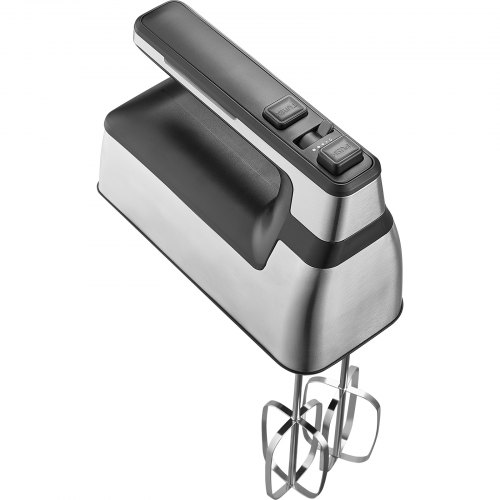
- Standard Hand Mixer:Lightweight and portable, perfect for mixing batters and doughs of moderate thickness.
- Stand Mixer with Hand Attachment:Offers more power and stability but can be used as a hand mixer for quick jobs.
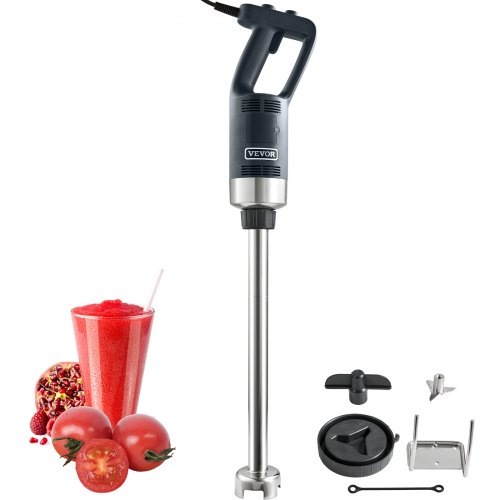
- Immersion Blender with Mixing Attachments:Multipurpose but less effective for heavier doughs.
Choosing the right type depends on what you cook most often. For chapati flour, a standard hand mixer might struggle with the dense dough, but it works well for blending ingredients before kneading.
Common Uses In The Kitchen
Hand mixers excel at tasks that require quick and even mixing. They are great for whipping cream, beating eggs, and mixing cake batters.
When it comes to dough, their use is usually limited to lighter doughs like pancake or waffle batter. Mixing chapati flour into dough can be tricky because the dough is thicker and stickier, which can strain the mixer’s motor.
Have you ever tried mixing chapati dough with your hand mixer? You might find it easier to combine ingredients first using the mixer, then finish kneading by hand for the best texture.
Chapati Flour Characteristics
Understanding the characteristics of chapati flour is essential if you're considering using a kitchen hand mixer for your dough preparation. Chapati flour, also known as whole wheat flour or atta, has unique properties that affect how it behaves during mixing and kneading. Knowing these traits can help you decide whether your kitchen hand mixer is suitable for the task and how to use it effectively.
Texture And Composition
Chapati flour is finely ground whole wheat flour with a slightly coarse texture compared to all-purpose flour. It contains the bran, germ, and endosperm of the wheat grain, which adds fiber and nutrients but also affects dough elasticity.
This flour absorbs water differently, making the dough a bit stiffer and less stretchy than dough made from refined flours. When you mix chapati flour, it’s important to achieve the right hydration without overworking the dough, which can make chapatis tough.
How It Differs From Other Flours
Unlike all-purpose or bread flour, chapati flour has a lower gluten content and a higher fiber level. This difference impacts how the dough rises and stretches during cooking.
- Chapati flour dough doesn’t require extensive kneading like bread dough.
- The flour’s coarser particles influence the texture, giving chapatis their characteristic chewiness.
- Its moisture absorption rate differs, so water quantity must be adjusted carefully.
Have you ever noticed how chapati dough feels different under your hands compared to pizza dough? This is because of these flour differences. Knowing this helps you avoid overusing a mixer that might not be designed for such dough, saving you time and effort.
Using A Hand Mixer With Chapati Flour
Using a hand mixer with chapati flour might seem like a convenient shortcut to save time and effort. However, chapati dough requires a specific texture and consistency that differs from typical cake or batter mixes. Understanding how a hand mixer interacts with chapati flour can help you decide if it’s the right tool for your kitchen.
Suitability For Mixing Dough
Hand mixers are designed primarily for softer batters and lighter doughs. Chapati dough, on the other hand, is dense and requires firm kneading to develop gluten properly.
You can use a hand mixer with dough hooks to initially combine the flour and water. It can speed up the mixing process and reduce the mess. But once the dough starts coming together, you’ll likely need to switch to hand kneading for the best results.
Think about the last time you made chapati: did the dough feel right after just mixing? A hand mixer can’t always replicate the pressure and stretch your hands provide. Your hands give you the control needed to judge dough softness and elasticity, which machines might miss.
Potential Challenges
One major challenge is the risk of overworking or underworking the dough. A hand mixer may mix too fast or unevenly, leading to inconsistent texture.
Another issue is the strain on the mixer’s motor. Chapati dough is stiff, and prolonged use could overheat or damage less powerful mixers. You might notice the mixer struggling or slowing down, which is a sign to stop.
Cleaning can also be tricky. Dough tends to stick to the hooks and bowl, making cleanup more time-consuming than hand mixing. It’s important to consider if the effort saved in mixing is worth the extra cleanup time.
Have you tried using a hand mixer for chapati dough? What was your experience with texture and ease? Your insight can help others decide if this tool fits their cooking style.
Expert Tips For Mixing Chapati Dough
Mixing chapati dough with a kitchen hand mixer can be convenient. The right technique ensures a smooth and elastic dough. Here are expert tips to perfect your chapati dough using a hand mixer.
Choosing The Right Attachments
Select the dough hooks for mixing chapati dough. These hooks imitate hand kneading. They help in forming a consistent dough. Avoid using whisk or beater attachments. They are not suitable for dense dough.
Mixing Techniques
Start mixing at a low speed. This prevents flour from scattering. Gradually increase the speed as dough forms. Mix until the dough is smooth and slightly sticky. This ensures elasticity and softness.
Adjusting Consistency
Check dough consistency during mixing. Add water if dough is too dry. Add flour if it feels too wet. The dough should be soft but not sticky. Aim for a balance that feels pliable and easy to roll.
Alternatives To Hand Mixers
If you’re wondering about alternatives to using a kitchen hand mixer for chapati flour, there are some great options that can make your dough preparation easier and even better. Hand mixers can be convenient, but sometimes, traditional methods or other kitchen appliances might suit your needs more effectively. Let’s look at a couple of alternatives that can help you achieve the perfect chapati dough.
Manual Kneading Benefits
Kneading dough by hand gives you complete control over the texture and consistency. You can feel the dough change, ensuring it’s soft but not sticky, which is crucial for good chapatis.
Plus, manual kneading is a good workout for your hands and helps you connect with the cooking process. Have you noticed how the dough feels different after a few minutes of kneading? That tactile feedback is something machines can't replicate.
Also, there’s no need for electricity or gadgets. You just need a clean surface and a bit of patience. This method can be especially satisfying if you enjoy hands-on cooking.
Other Kitchen Appliances
If manual kneading isn’t your thing or you want to save time, other kitchen appliances can help. A stand mixer with a dough hook attachment is a popular choice. It mixes and kneads the dough evenly, saving your hands from tiring out.
Food processors with dough blades are another option. They work quickly and give you consistent results, but be careful not to overwork the dough.
Have you tried using a bread machine? Many models have a dough setting that can handle chapati dough. It’s a set-it-and-forget-it solution that frees you up for other tasks in the kitchen.
Credit: www.vevor.com
Maintenance And Care After Use
Taking care of your kitchen hand mixer after using it with chapati flour is crucial for its longevity and performance. Flour can be sticky and fine, which means residues may get trapped in the mixer’s crevices. Cleaning and maintaining it properly ensures your appliance stays ready for the next baking or cooking session without any issues.
Cleaning Tips
After mixing chapati dough, start by unplugging the mixer for safety. Remove the beaters or attachments and rinse them immediately under warm water to prevent flour from hardening.
Use a soft brush or cloth to clean any flour stuck in small parts or around the beater shaft. Avoid immersing the mixer’s main body in water; instead, wipe it down with a damp cloth.
Dry all parts thoroughly before reassembling. Have you noticed how letting moisture sit can cause rust or damage? Keeping everything dry helps avoid that.
Preventing Wear And Tear
Chapati flour can be dense, so don’t overload the mixer. Using it in short bursts rather than continuous operation reduces strain on the motor.
Check your mixer regularly for any loose parts or unusual noises. Tightening screws and lubricating moving parts when recommended by the manufacturer can extend the mixer’s life.
How often do you inspect your kitchen tools? A little attention now prevents costly repairs later.
Credit: www.vevor.com
Frequently Asked Questions
Can A Kitchen Hand Mixer Knead Chapati Dough Effectively?
Yes, a kitchen hand mixer with dough hooks can knead chapati dough well. It saves time and effort compared to manual kneading. However, ensure the mixer is sturdy enough for thick dough. Overmixing should be avoided to maintain dough texture.
Is It Safe To Use Hand Mixers For Chapati Flour Dough?
Using a hand mixer for chapati flour dough is safe if the appliance is designed for heavy dough. Avoid overloading the mixer to prevent motor strain. Always follow the manufacturer’s instructions for dough kneading to ensure safety and appliance longevity.
Will A Hand Mixer Affect Chapati Dough Texture?
A hand mixer can produce smooth chapati dough if used properly. Overmixing may make the dough too soft or sticky. Proper kneading time ensures elasticity and softness, leading to better chapati quality. Hand mixing can also help incorporate ingredients evenly.
Can I Replace A Traditional Rolling Method With A Hand Mixer?
No, a hand mixer cannot replace the traditional rolling of chapatis. It is used only for dough preparation. Rolling requires manual skill to achieve the perfect thinness and round shape of chapatis. Use the mixer to save time on kneading only.
Conclusion
A kitchen hand mixer can help mix chapati flour and water quickly. It saves time and effort in kneading dough by hand. Make sure to use the right speed and avoid over-mixing. The dough should feel soft and smooth for good chapatis.
This tool works well for small batches of dough. It may not replace traditional kneading completely but is a handy option. Try it out to see if it fits your cooking style. Simple, easy, and effective for everyday use.