
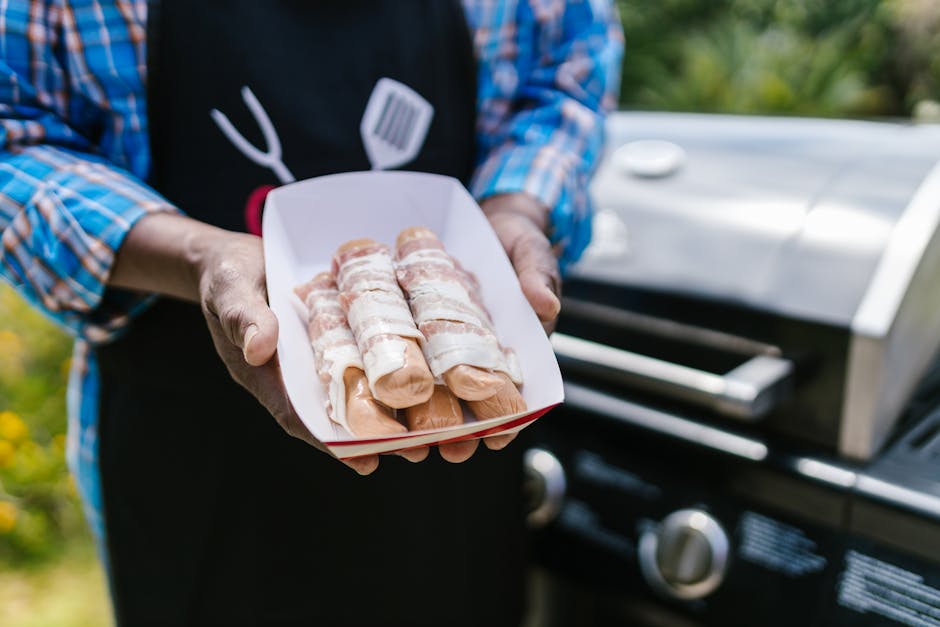
Are you ready to turn your backyard into the ultimate cooking spot? Installing a grill in your outdoor kitchen is a game-changer.
Imagine sizzling your favorite meals while enjoying fresh air and good company. But where do you start? This guide will walk you through every step, making the process simple and stress-free. By the end, you’ll have the confidence to create a perfect grilling space that fits your style and needs.
Keep reading—you’re about to upgrade your outdoor cooking experience like never before.

Credit: pbphomerepair.com
Choosing The Right Grill
Choosing the right grill is a key step in creating an outdoor kitchen that fits your cooking style and space. The grill you pick will shape how you prepare meals and how often you use your outdoor setup. Think about what matters most to you—flavor, convenience, or maybe versatility—and keep that in mind as you explore your options.
Types Of Grills
There are several grill types, each offering unique benefits. Gas grills heat up quickly and are easy to control, making them great for everyday cooking. Charcoal grills provide that smoky flavor many people love but require more time and effort to manage.
Electric grills work well if your space has limited ventilation or restrictions on open flames. Pellet grills combine convenience and flavor by using wood pellets, offering a hands-off smoking experience. Consider which type fits your cooking preferences and outdoor kitchen layout.
Size And Fuel Options
How much cooking space do you need? A small grill might suit a couple or a small family, but larger gatherings call for bigger grills with multiple burners. Measure your outdoor kitchen area carefully to ensure your grill fits comfortably without crowding other elements.
Fuel choice impacts both performance and cost. Propane and natural gas are popular for their ease and steady heat. Charcoal and wood add rich flavors but require more cleanup. Ask yourself: Do you prefer quick meals or slow-cooked flavors?
Budget Considerations
Grills come in a wide price range, from budget-friendly models to high-end luxury options. Set a clear budget before you start shopping to avoid overspending. Remember, a higher price often means better materials and longer durability, but there are reliable grills available at reasonable prices too.
Think about future costs, such as fuel, maintenance, and accessories. Sometimes investing a bit more upfront saves money down the road. What’s your balance between cost and quality?
Planning Your Outdoor Kitchen Layout
Planning your outdoor kitchen layout is the first step to a smooth grill installation. A well-thought layout makes cooking enjoyable and efficient. It helps avoid mistakes that could cost time and money later. Focus on space, location, and safety to create a perfect outdoor cooking area.
Selecting The Location
Choose a flat, stable area for your outdoor kitchen. It should be close to your home for easy access but far enough to avoid smoke entering your house. Consider the sun’s path and wind direction to keep the space comfortable. Pick a spot with enough room for cooking and socializing.
Measuring Space Requirements
Measure the available space carefully before buying a grill. Allow extra room around the grill for heat and movement. Plan space for countertops, storage, and seating. Use a tape measure and sketch the layout on paper. This helps visualize how everything fits together.
Considering Safety And Ventilation
Safety is crucial when installing a grill outdoors. Keep the grill away from flammable materials like wood or dry plants. Ensure good ventilation to prevent smoke buildup. Open areas or vents help fresh air flow. Follow local codes for grill placement and fire safety.
Gathering Necessary Tools And Materials
Before you begin installing your grill in the outdoor kitchen, gathering the right tools and materials is crucial. Having everything on hand not only speeds up the process but also reduces frustration. It’s easy to overlook small items that can make a big difference in the quality of your installation.
Essential Tools
Make sure you have a reliable set of basic tools ready. A cordless drill with various bits is a must-have for drilling and securing screws. Adjustable wrenches and pliers help with tightening bolts and fittings, while a level ensures your grill sits perfectly flat.
- Cordless drill and drill bits
- Adjustable wrench
- Pliers
- Level
- Measuring tape
- Screwdrivers (Phillips and flathead)
- Utility knife
Having these tools ready can save you unexpected trips to the hardware store. What tools have you found indispensable in your past projects?
Installation Materials
Gathering the correct materials is just as important as the tools. Your grill’s installation will require mounting brackets or hardware, gas line fittings, and possibly a concrete adhesive or sealant to secure parts. Check your grill’s manual for any specific parts you might need.
- Mounting brackets or hardware kit
- Gas line and fittings (if applicable)
- Concrete adhesive or sealant
- Stainless steel screws or bolts
- Heat-resistant insulation material
Skipping or substituting materials might affect your grill’s safety or longevity. Have you checked if your grill brand recommends special components?
Safety Gear
Your safety should never take a backseat during installation. Gloves protect your hands from sharp edges and hot surfaces. Safety glasses shield your eyes from flying debris, and a dust mask can prevent inhalation of dust or fumes.
- Protective gloves
- Safety glasses
- Dust mask
- Ear protection (if using loud power tools)
Remember, a small injury can halt your project and add unexpected costs. What safety equipment do you always keep nearby when working on outdoor projects?
Preparing The Installation Area
Clear the space where the grill will sit, ensuring it is level and stable. Check for proper ventilation and keep the area free of flammable materials. Measure carefully to fit the grill securely in your outdoor kitchen setup.
Preparing your outdoor kitchen for a grill installation is crucial. A well-prepared space ensures safety and efficiency. Before you start, plan the layout carefully. Consider the grill size and placement. Follow these steps to get the area ready for your grill.
Clearing And Cleaning The Space
Clear the designated area of all debris and obstacles. Remove any plants, furniture, or tools. Ensure the ground is level and stable. Sweep the area clean of dirt and dust. A clean surface prevents hazards and ensures smooth installation.
Building The Support Structure
Construct a strong support structure for your grill. Use durable materials like brick or stone. Ensure the structure is level and secure. This foundation will hold the grill safely. Double-check measurements to fit your grill's dimensions.
Ensuring Proper Ventilation
Good ventilation is vital for safety. Ensure the grill has enough space around it. Leave gaps for air to flow freely. Avoid enclosed areas that trap heat and smoke. Proper ventilation keeps the cooking area safe and comfortable.
Installing The Grill
Installing the grill is a crucial part of setting up your outdoor kitchen. It’s where your cooking experience begins, so getting it right matters. Pay close attention to how you position, secure, and connect the grill to ensure safety and functionality.
Positioning The Grill
Choose a spot that allows easy access while cooking and serving. Make sure there’s enough space around the grill for ventilation and safety. Avoid placing it too close to walls or overhanging structures to prevent fire hazards.
Think about your workflow. Position the grill near prep surfaces and storage areas for convenience. Have you considered how sunlight or wind direction might affect your cooking?
Securing The Grill In Place
Once positioned, the grill needs to be firmly secured to prevent movement. Use bolts or brackets designed for your grill model to anchor it to the countertop or base.
This step is vital, especially if you live in a windy area. A loose grill can be dangerous and affect cooking performance. Check the manufacturer’s instructions for recommended hardware and torque settings.
Connecting Gas Or Electrical Lines
Proper connection of gas or electrical lines is essential for safe operation. If your grill uses propane or natural gas, ensure the gas line is leak-free by testing with soapy water before lighting.
For electric grills, confirm that the power source matches the grill’s voltage requirements. Use a dedicated circuit if possible to avoid overloads. When in doubt, hiring a licensed professional is a smart move for your safety.
Testing And Final Adjustments
After installing your grill in the outdoor kitchen, testing and making final adjustments is essential to ensure safety and optimal performance. This phase helps you catch any issues early and fine-tune the grill for your cooking style. Skipping these steps can lead to problems that are harder to fix later on.
Checking For Leaks
Start by inspecting all gas connections for leaks. Use a soap and water solution, applying it around the hose and fittings. If you see bubbles forming, that’s a sign of a leak that needs tightening or replacing.
Never ignore even a tiny leak—it can be dangerous. Take your time and double-check every joint. Are you certain your connections are completely secure?
Testing Ignition And Burners
Next, test the ignition system to see if it lights up smoothly. Press the ignition button and watch for a quick and steady flame. If the grill struggles to ignite, clean the igniter or check the battery if applicable.
Once lit, observe each burner individually. They should all produce an even flame with no flickering or uneven spots. Uneven flames can cause hot and cold spots, affecting your cooking results.
Adjusting Grill Settings
Finally, adjust the temperature controls to match your cooking preferences. Experiment with different heat levels and note how quickly the grill responds. This helps you understand its heating patterns and improve your grilling techniques.
Don’t hesitate to tweak burner valves or air shutters if flames appear too high or low. Getting these settings right can make your outdoor kitchen feel like a professional setup. How will you customize your grill to suit your favorite recipes?
Maintaining Your Outdoor Grill
Maintaining your outdoor grill keeps it working well and safe to use. Regular care extends its life and improves cooking results. Simple tasks done often prevent big problems later. Here are key tips to keep your grill in top shape.
Cleaning Tips
- Clean the grill grates after each use with a wire brush.
- Remove grease and food bits to avoid flare-ups.
- Empty the grease tray regularly to stop buildup.
- Wipe down the exterior with mild soap and water.
- Check burners for clogs and clean them gently.
Seasonal Maintenance
- At season start, inspect gas connections for leaks.
- Deep clean all parts before heavy use.
- Cover the grill with a waterproof cover when not in use.
- Store propane tanks outside and away from heat.
- Check ignition systems and replace batteries if needed.
Troubleshooting Common Issues
- Uneven heat? Clean burners and check gas flow.
- Ignition not working? Test the igniter and replace it if broken.
- Flare-ups? Keep the grill clean and trim fat from meats.
- Low flame? Check propane tank level and hose for leaks.
- Rust spots? Sand lightly and apply heat-resistant paint.

Credit: woodlarkgardenluxury.co.uk

Credit: woodlarkgardenluxury.co.uk
Frequently Asked Questions
What Tools Are Needed To Install An Outdoor Kitchen Grill?
You need a drill, level, measuring tape, screwdrivers, and a wrench. These tools ensure accurate installation and secure mounting of your grill. Always check your grill’s manual for any additional specific tools required.
How Do I Connect The Grill To The Gas Supply Safely?
Turn off the main gas valve before connecting. Use a flexible gas line and check for leaks with soapy water. Ensure connections are tight and comply with local codes for safety.
Can I Install An Electric Grill In An Outdoor Kitchen?
Yes, but ensure proper weatherproof electrical outlets. Hire a licensed electrician to install the wiring. Use outdoor-rated cords and outlets to prevent electrical hazards.
What Is The Best Location For An Outdoor Kitchen Grill?
Place the grill in a well-ventilated area away from flammable materials. Ensure it’s accessible but not in high-traffic zones. Consider wind direction to avoid smoke blowing towards seating.
Conclusion
Installing a grill in your outdoor kitchen can be simple and fun. Follow the steps carefully for safety and success. Choose the right spot and tools before you start. Connect the grill securely to avoid leaks or damage. Test everything once installation is complete.
Enjoy cooking outside with your new setup. This small project can improve your outdoor space a lot. Ready to grill? Your outdoor kitchen awaits!