
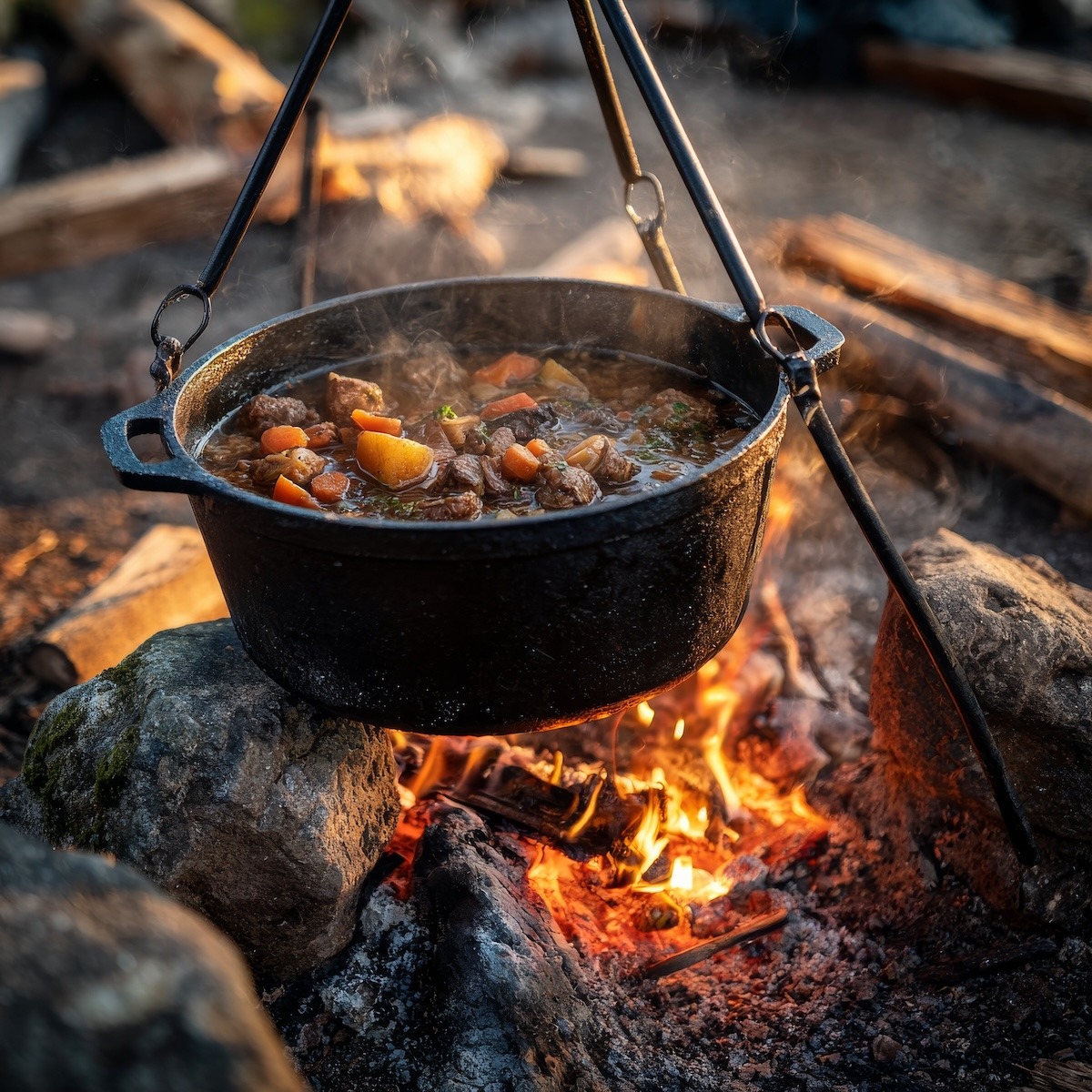
Have you ever wondered if your trusty kitchen Dutch oven can handle the rugged heat of a campfire? If you love cooking both at home and outdoors, this question might have crossed your mind.
Using your Dutch oven over an open flame could open up a world of flavors and convenience—but is it safe? You’ll discover the surprising truth about taking your kitchen Dutch oven camping. By the end, you’ll know exactly how to use it, what to watch out for, and how to make the most of your campfire cooking experience.
Ready to turn your outdoor meals into something extraordinary? Keep reading!

Credit: www.reddit.com
Dutch Oven Basics
Understanding the basics of a Dutch oven is key before you decide to use it over a campfire. These versatile pots have been kitchen staples for centuries, known for their durability and ability to evenly cook food. But what exactly makes a Dutch oven suitable for different cooking environments, including open flames?
Types Of Kitchen Dutch Ovens
There are several types of Dutch ovens, each designed for specific uses. The most common kitchen Dutch ovens are:
- Cast Iron Dutch Ovens: Heavy and durable, perfect for slow cooking and baking.
- Enameled Cast Iron Dutch Ovens: Coated with enamel to prevent rust and eliminate the need for seasoning.
- Aluminum Dutch Ovens: Lightweight but less common, with faster heat conduction.
You might wonder which one holds up best over campfire flames? Cast iron models, especially those without enamel, are often preferred for outdoor cooking.
Materials And Construction
Most kitchen Dutch ovens are made from cast iron, prized for its strength and heat retention. Cast iron can handle high temperatures and is nearly indestructible with proper care.
Enameled versions have a smooth coating that prevents sticking and rust but can chip if dropped on hard surfaces—something to consider when cooking outdoors.
Think about how you handle your Dutch oven. Do you want something rugged enough to withstand rough campfire use or more delicate for home kitchen use?
Heat Retention Properties
One of the standout features of Dutch ovens is their excellent heat retention. Cast iron absorbs heat slowly and distributes it evenly, which helps avoid hot spots in your cooking.
This property is why Dutch ovens excel at simmering stews or baking bread, whether on a stove or in a campfire.
Have you noticed how your food cooks differently in a Dutch oven compared to a regular pot? That even heat makes a big difference in flavor and texture.
Campfire Cooking Essentials
A kitchen Dutch oven works well over a campfire for cooking stews, soups, and even baking. Its heavy cast iron holds heat evenly and can handle direct flames. Just be sure to clean and season it properly after use.
Cooking over a campfire brings out the adventurous spirit in all of us, merging the joy of cooking with the beauty of nature. A Dutch oven can be your best companion in this rustic setting, offering versatility and durability. Imagine preparing a hearty stew or baking fresh bread right in the heart of nature. But before you dive into campfire cooking, it’s essential to understand the basics.
Campfire Heat Characteristics
Campfire heat is not as controllable as your kitchen stove. Flames flicker, winds blow, and wood burns at varying rates. You must learn to adjust the distance between your Dutch oven and the fire. The heat can be intense at times and mild at others. Pay attention to the color of the coals; red hot coals are ideal for steady cooking. Mastering these nuances can transform your campfire cooking experience.
Safety Tips For Campfire Cooking
Safety should be your top priority while cooking over a campfire. Always have a bucket of water or a fire extinguisher nearby. Loose clothing can catch fire easily; wear fitted clothes and keep a safe distance from the flames. Remember to check the local regulations for campfire permissions. Never leave the fire unattended, and make sure it's fully extinguished before you leave. A safe cooking environment ensures everyone has a great time.
Essential Tools For Outdoor Cooking
Your Dutch oven is just one part of the campfire cooking puzzle. Bring along long-handled tongs to manage hot coals and adjust the pot. A sturdy pair of heat-resistant gloves can save your hands from burns. Consider packing a lid lifter, especially designed for Dutch ovens. It allows you to check on your meal without risking burns. A simple tripod or a cooking grate can provide stability, making your cooking experience much more convenient. Thinking of trying out your Dutch oven over a campfire? With the right tools and knowledge, you can elevate your outdoor culinary adventure.
Using Kitchen Dutch Ovens On Campfires
Using kitchen Dutch ovens on campfires opens a world of cooking possibilities, blending the comfort of home cookware with the rustic charm of outdoor cooking. You might wonder if your trusty kitchen Dutch oven can handle the direct heat and unpredictable flames of a campfire. The good news is, with the right preparation and techniques, it can become your versatile campfire companion.
Suitability Of Kitchen Dutch Ovens For Campfire
Not all kitchen Dutch ovens are built the same. Most kitchen Dutch ovens have enamel coatings that can crack or discolor under direct flame, so check your oven’s material before using it on a campfire. Cast iron Dutch ovens without enamel are more durable and handle the heat better, but even enamel-coated ones can work if you use indirect heat.
Think about how your oven behaves on your stovetop—if it heats evenly and retains heat well, it can perform similarly on a campfire with some care. However, avoid sudden temperature changes to prevent cracking. Have you noticed your Dutch oven’s weight? Heavier ones usually mean thicker cast iron, which stands up better to campfire heat.
Preparing The Oven For Campfire Use
Before you place your Dutch oven on the campfire, clean and season it properly. If it’s a bare cast iron oven, applying a thin layer of oil and heating it will help build a protective layer that prevents rust and food sticking. For enamel ovens, avoid using soap, and wipe them down to remove any dirt or debris.
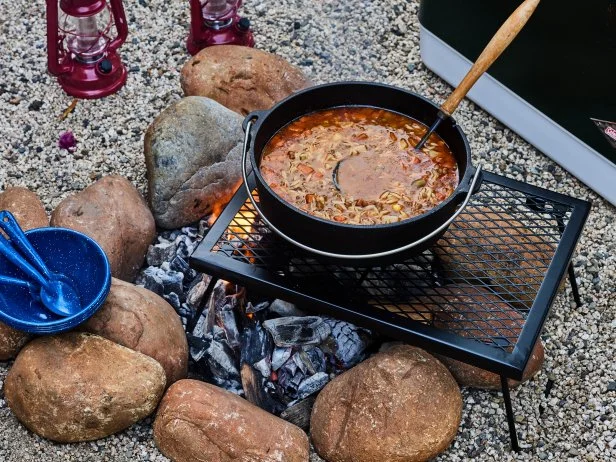
Consider the size of your Dutch oven in relation to your campfire setup. Smaller ovens heat faster, which can be an advantage or a challenge depending on your recipe. Make sure your campfire has a stable base, like flat rocks or a grill grate, to keep the oven steady and avoid accidents.
Techniques For Campfire Cooking With Dutch Ovens
Campfire cooking requires patience and attention to heat control. Use hot coals rather than open flames whenever possible to avoid damaging your oven and burning your food. Placing coals under and on top of the lid creates an oven effect, perfect for baking or slow cooking.
- Rotate the oven regularly to ensure even cooking.
- Use a lid lifter or sturdy gloves to handle the hot lid safely.
- Adjust coal placement to control temperature—more coals mean higher heat.
Have you tried layering coals on one side for roasting or one side with fewer coals for simmering? Experimenting with these techniques helps you master campfire cooking with your kitchen Dutch oven. It’s all about learning how your oven reacts to the campfire’s heat and adjusting accordingly.
Care And Maintenance After Campfire Use
Using a Dutch oven over a campfire is a rewarding experience, but caring for it afterward is crucial to keep it in top shape. Proper care ensures your pot lasts for years and performs well each time you use it outdoors. Neglecting maintenance can lead to rust, damage, and a loss of seasoning, which affects cooking quality.
Cleaning Tips
After cooking, let your Dutch oven cool slightly but don’t let food dry and harden inside. Use warm water and a stiff brush to remove stuck-on food—avoid soap as it can strip the seasoning. If food is stubborn, simmer water inside the pot to loosen residue, then scrape gently.
Dry the pot thoroughly after washing to prevent rust. Never put your Dutch oven in a dishwasher or soak it for hours; this can ruin the seasoning layer you’ve worked hard to build.
Preventing Rust And Damage
Rust is the enemy of cast iron. After cleaning, apply a thin layer of cooking oil to the entire surface, inside and out, while the pot is still warm. This seals the pores of the metal and keeps moisture out.
Check your Dutch oven for cracks or chips before and after each use. Using it over intense campfire heat can sometimes cause damage, so handle with care. If you notice rust spots, scrub them off with steel wool and reseason immediately.
Storage Recommendations
Store your Dutch oven in a dry place with the lid slightly ajar to allow air circulation. This prevents moisture buildup inside, which causes rust. Placing a paper towel between the pot and lid can absorb any leftover moisture and keep it fresh.
Think about where you keep your cast iron—does your storage spot have fluctuating humidity or temperature? A stable environment helps maintain the seasoning and overall condition of your Dutch oven for your next campfire adventure.
Recipes Ideal For Campfire Dutch Oven Cooking
Cooking with a Dutch oven over a campfire opens up a world of delicious possibilities. This versatile pot can handle a variety of recipes that bring warmth and flavor to the great outdoors. Whether you’re craving something hearty, sweet, or simple, certain dishes shine when made in a campfire Dutch oven.
Hearty Stews And Soups
Stews and soups are perfect for campfire Dutch ovens because they simmer slowly, allowing flavors to deepen. Think of a classic beef stew with tender chunks of meat, potatoes, and carrots that soak up the smoky fire aroma. You can also try a spicy chili or a vegetable-packed minestrone that warms you up after a long hike.
Have you ever noticed how a slow-cooked stew tastes better outdoors? The campfire’s gentle heat adds a unique twist you won’t get from your kitchen stove.
Breads And Desserts
Baking bread or desserts in a Dutch oven over a campfire might sound tricky, but it’s incredibly rewarding. Try baking a rustic no-knead bread with a crispy crust that rivals bakery loaves. For dessert, cobblers and brownies are crowd-pleasers, especially when topped with a scoop of ice cream after cooling.
Imagine pulling a warm, golden loaf out of the coals—doesn’t that make you want to try baking outdoors?
One-pot Meals
One-pot meals are the ultimate camping convenience. You can toss in protein, veggies, and grains all at once and let the Dutch oven do the work. A chicken and rice dish or a pasta bake are filling options that save you from hauling multiple pots and pans.
Do you enjoy meals that require less cleanup without sacrificing taste? These recipes will keep your camp kitchen simple and satisfying.

Credit: culinarycrafts.com
Common Challenges And Solutions
Using a kitchen Dutch oven over a campfire can be rewarding but comes with its own set of challenges. These issues often revolve around managing heat, preventing food from sticking or burning, and ensuring safe handling around open flames. Understanding these challenges and applying practical solutions will make your outdoor cooking experience much smoother and more enjoyable.
Temperature Control Issues
Controlling the heat from a campfire is tricky because flames and coals fluctuate constantly. Unlike a stove with precise settings, campfire heat can spike unexpectedly, leading to uneven cooking.
One way to manage this is by using a bed of hot coals rather than direct flames. You can move the Dutch oven around to find cooler or hotter spots. Also, placing some coals on the lid helps maintain consistent heat from above.
Have you tried adjusting the height of your Dutch oven above the fire? Raising it with a tripod or rocks can lower the heat intensity and give you better control.
Avoiding Food Burning
Burning food is a common frustration when using kitchen Dutch ovens outdoors. Thin-bottomed pots heat unevenly, causing hotspots that scorch your meal.
Stir your food frequently and use recipes that tolerate slower, steady cooking. Adding a bit of liquid early on prevents sticking and burning, especially with thicker dishes like stews or chili.
Sometimes, patience is key—lowering the heat and cooking longer avoids burning while improving flavors. Have you noticed how slow-cooked campfire meals often taste richer?
Handling And Safety Concerns
Handling a heavy Dutch oven around a campfire requires caution to avoid burns or accidents. The pot and lid get extremely hot, so always use thick gloves or mitts designed for high temperatures.
Make sure your cooking area is stable and clear of tripping hazards. Using long-handled tools helps you lift the lid safely without getting too close to the fire.
Have you ever experienced a sudden flare-up while lifting a hot lid? Standing back and lifting the lid away from your face can prevent burns from escaping steam or flames.
Credit: www.foodnetwork.com
Frequently Asked Questions
Can A Kitchen Dutch Oven Be Used Over A Campfire?
Yes, many kitchen Dutch ovens made of cast iron can be used over campfires. Ensure it has no plastic or wooden parts. Season the oven properly to prevent rust and stickiness. Always handle it carefully as it gets very hot.
What Precautions Are Needed Using Dutch Oven On Campfire?
Use heat-resistant gloves to handle the Dutch oven safely. Avoid sudden temperature changes to prevent cracking. Place the oven on stable fireproof surfaces. Clean and season it after use to maintain its condition.
Will Campfire Damage A Kitchen Dutch Oven?
A well-maintained cast iron Dutch oven typically withstands campfire heat without damage. However, excessive direct flames or thermal shock may cause cracks. Proper use and care prevent damage and extend the oven's lifespan.
How To Clean A Dutch Oven After Campfire Use?
Let the Dutch oven cool slightly, then scrub with warm water and a brush. Avoid soap to preserve seasoning. Dry thoroughly and apply a thin layer of oil to prevent rust. Store in a dry place.
Conclusion
A kitchen Dutch oven can handle campfire cooking well. Cast iron holds heat evenly and lasts long. Just avoid sudden temperature changes to prevent cracks. Clean it carefully after each use to keep it in good shape. Campfire meals taste great when cooked in a Dutch oven.
Try it on your next outdoor trip for a simple, tasty experience. A little care goes a long way with this tool. Enjoy cooking outside with your kitchen Dutch oven!