
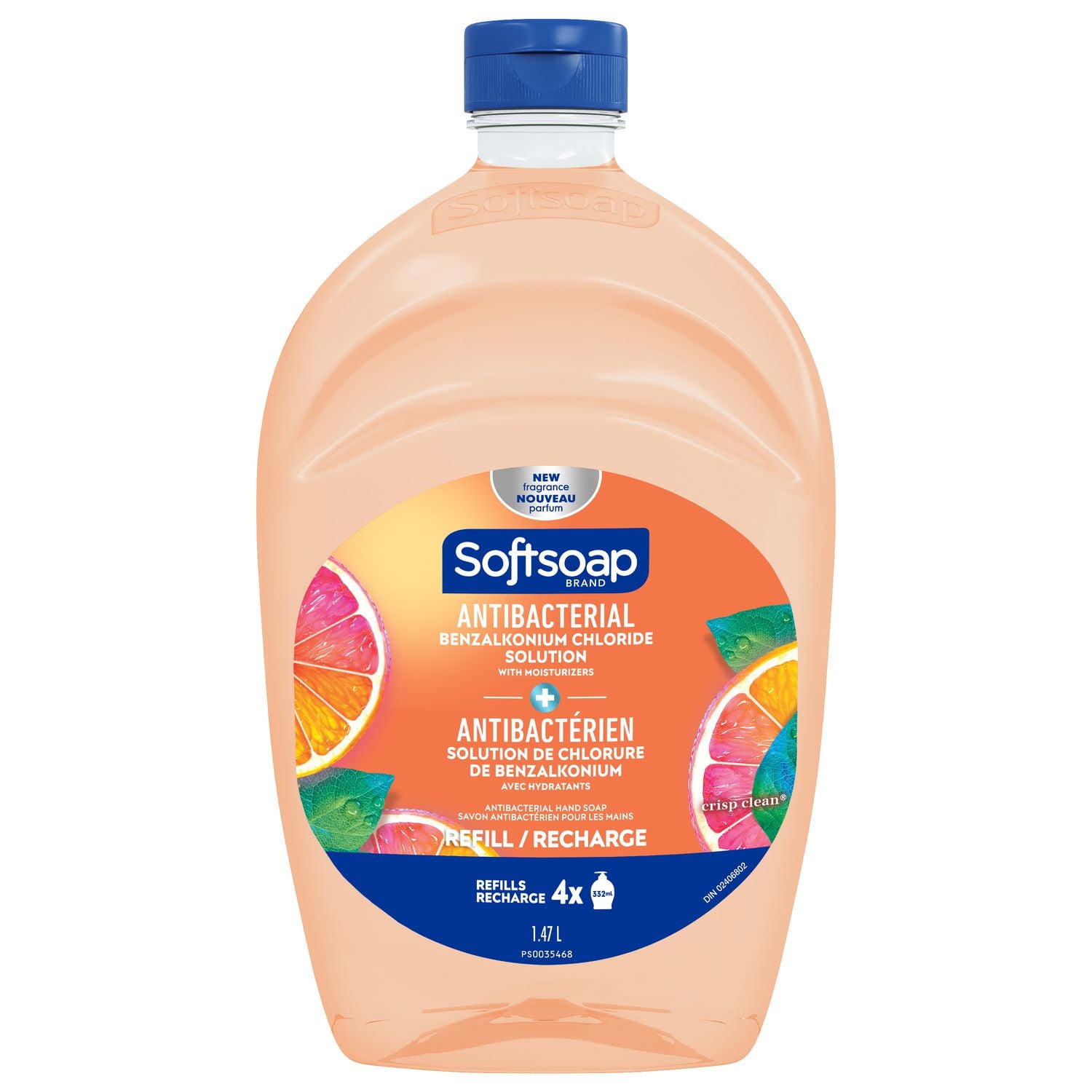
Are you wondering if you can use Walmart antibacterial kitchen hand soap to wash your dishes? It’s a question many people ask when they run out of dish soap or want to keep things simple.
You want to make sure your dishes are clean and safe without risking damage or leftover chemicals. You’ll discover the truth about using hand soap on your dishes, what experts say, and the best choices for keeping your kitchen truly clean.
Keep reading to avoid common mistakes and protect your family’s health.

Credit: www.walmart.ca
Walmart Antibacterial Kitchen Hand Soap Features
Understanding the features of Walmart Antibacterial Kitchen Hand Soap can help you decide if it’s suitable for washing dishes. This soap is designed with specific ingredients and antibacterial properties meant for hand cleaning in the kitchen environment. Let’s break down what makes this hand soap unique and whether it aligns with your dishwashing needs.
Ingredients Breakdown
The soap contains active antibacterial agents like triclosan or benzalkonium chloride, which target bacteria on your skin. Alongside these, there are surfactants that help remove grease and dirt, plus moisturizers to keep your hands from drying out. It usually has fragrance and preservatives to maintain freshness and shelf life.
These ingredients are balanced for skin safety, not for tough grease or food residue on dishes. You might notice it lathers well and feels gentle, but it’s not formulated to cut through stubborn grime like dedicated dish soaps.
Antibacterial Claims
Walmart’s hand soap emphasizes killing common kitchen bacteria on your hands, reducing the risk of cross-contamination. This antibacterial claim is backed by specific ingredients proven to eliminate germs effectively on skin surfaces.
However, antibacterial effectiveness doesn’t necessarily translate to better cleaning power on dishes. You may wonder if relying on this soap for dishes risks leaving behind grease or residues that dish soaps are designed to tackle.
Intended Usage
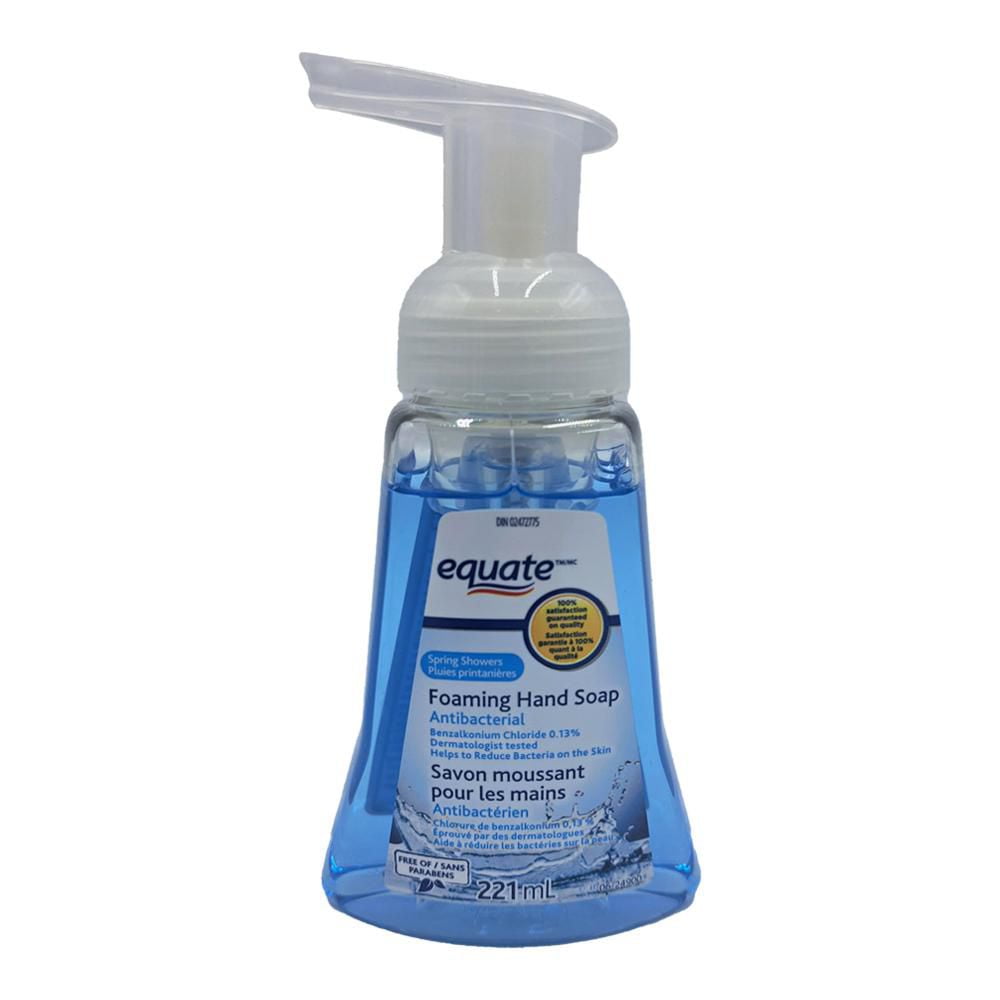
This product is clearly marked for hand washing, not for cleaning dishes or cookware. Hand soaps focus on skin health, avoiding harsh chemicals that might irritate your hands during frequent use.
Using hand soap on dishes might leave behind a soapy film or not remove oils thoroughly, which can affect taste and cleanliness. Have you ever felt that your plates still looked greasy after using hand soap? That’s a sign it’s better to stick with dish-specific detergents for your kitchenware.
Credit: www.walmart.ca
Effectiveness On Dishes
Wondering if Walmart Antibacterial Kitchen Hand Soap can effectively clean your dishes? It's a common question since both hand soaps and dish soaps handle grease and grime. But how well does this hand soap perform when tackling dirty plates and cookware?
Cleaning Power
Walmart Antibacterial Kitchen Hand Soap is designed primarily to remove germs and dirt from your hands. It contains antibacterial agents that kill bacteria effectively, which is great for hygiene. However, its grease-cutting ability is usually milder compared to dish soaps, meaning it might struggle with tough food residues.
In my experience, using it on lightly soiled dishes can work in a pinch. But for oily pans or baked-on food, you’ll likely need more scrubbing or an additional cleaner. Would you want to spend extra time scrubbing when a dedicated dish soap can do the job faster?
Comparison With Dish Soaps
Dish soaps are formulated to break down oils and food particles quickly. They create more foam and contain surfactants specifically aimed at dissolving grease. Hand soaps, even antibacterial ones, focus more on sanitizing skin rather than cutting through food residues.
If you compare Walmart Antibacterial Kitchen Hand Soap with a typical dish soap, the latter will usually leave your dishes cleaner with less effort. Saving a few cents on hand soap might cost you time and elbow grease later. How much do you value efficiency in your kitchen cleanup?
Residue Concerns
One concern with using hand soap on dishes is residue. Hand soaps may leave behind a film or scent that isn’t meant to be ingested. Even if you rinse thoroughly, traces might linger, potentially affecting taste or safety.
Dish soaps are formulated to rinse off completely and safely, considering food contact. If you use hand soap, make sure to rinse multiple times and check for any slippery or soapy feeling. Is the risk of residue worth it when you have products made specifically for dishes?
Safety Considerations
Using Walmart Antibacterial Kitchen Hand Soap on your dishes might seem convenient, but safety should be your top concern. Understanding how this soap interacts with food, your skin, and overall toxicity is crucial before making it part of your dishwashing routine. Let’s break down what you need to know to keep your family safe and your kitchen clean.
Chemical Safety For Food Contact
Hand soaps like Walmart’s antibacterial formula often contain ingredients designed to kill germs on your skin, but not all are safe for food contact surfaces. Residues left on dishes can transfer chemicals to your food, which could lead to ingestion of harmful substances.
Unlike dish soaps, hand soaps don’t always fully rinse away food-safe detergents or use food-safe fragrances. Do you really want your dinner plate to carry traces of antibacterial agents not meant for ingestion? It’s best to stick with soaps specifically labeled for dishwashing to avoid chemical contamination.
Skin Sensitivity Issues
While antibacterial hand soaps are formulated to be gentle on skin, some people experience dryness or irritation, especially with frequent use. Washing dishes with these soaps might increase skin exposure to harsh chemicals, leading to redness or itching.
If you have sensitive skin, using hand soap on dishes could worsen these issues due to extended contact and repeated rinsing. Have you noticed your hands feeling tight or uncomfortable after dishwashing? That might be a sign to switch to a milder, dish-specific soap.
Toxicity Risks
Antibacterial soaps often contain triclosan or other active ingredients that raise concerns about long-term health effects. Even small amounts left on dishes may increase your family’s exposure to these chemicals.
Children and pets are especially vulnerable to toxicity risks from residues on dishes and utensils. Are you willing to take that chance when safer alternatives exist? Choosing dish soaps formulated to minimize toxicity helps protect everyone in your household.
Proper Use Tips
Walmart Antibacterial Kitchen Hand Soap is not made for washing dishes. Use dish soap instead to clean plates and utensils safely. Hand soap may leave residue and is not designed to remove grease from dishes.
Proper use of Walmart Antibacterial Kitchen Hand Soap on dishes ensures cleanliness without compromising safety. It’s essential to understand how to use it correctly to maximize its benefits while minimizing any potential downsides. While this soap is designed for hand washing, knowing how to dilute, rinse, and avoid contamination will help you make the most of it in your kitchen.
Dilution Recommendations
When using antibacterial hand soap for dishes, diluting it can be a wise choice. Add a small amount of soap to a bowl of warm water. This helps in reducing soap residue on your dishes and makes rinsing easier. Remember, a little goes a long way.
Rinsing Procedures
Rinsing thoroughly is crucial when using hand soap on dishes. Make sure to rinse each dish under running water until no soap remains. This prevents any soapy taste from lingering on your tableware.
Avoiding Cross-contamination
Cross-contamination can sneak up on you if you're not careful. Always use separate sponges or cloths for dishes and surfaces. This simple practice keeps your kitchen hygienic and safe. Have you ever considered how small changes can lead to a healthier kitchen environment?
Alternatives For Dishwashing
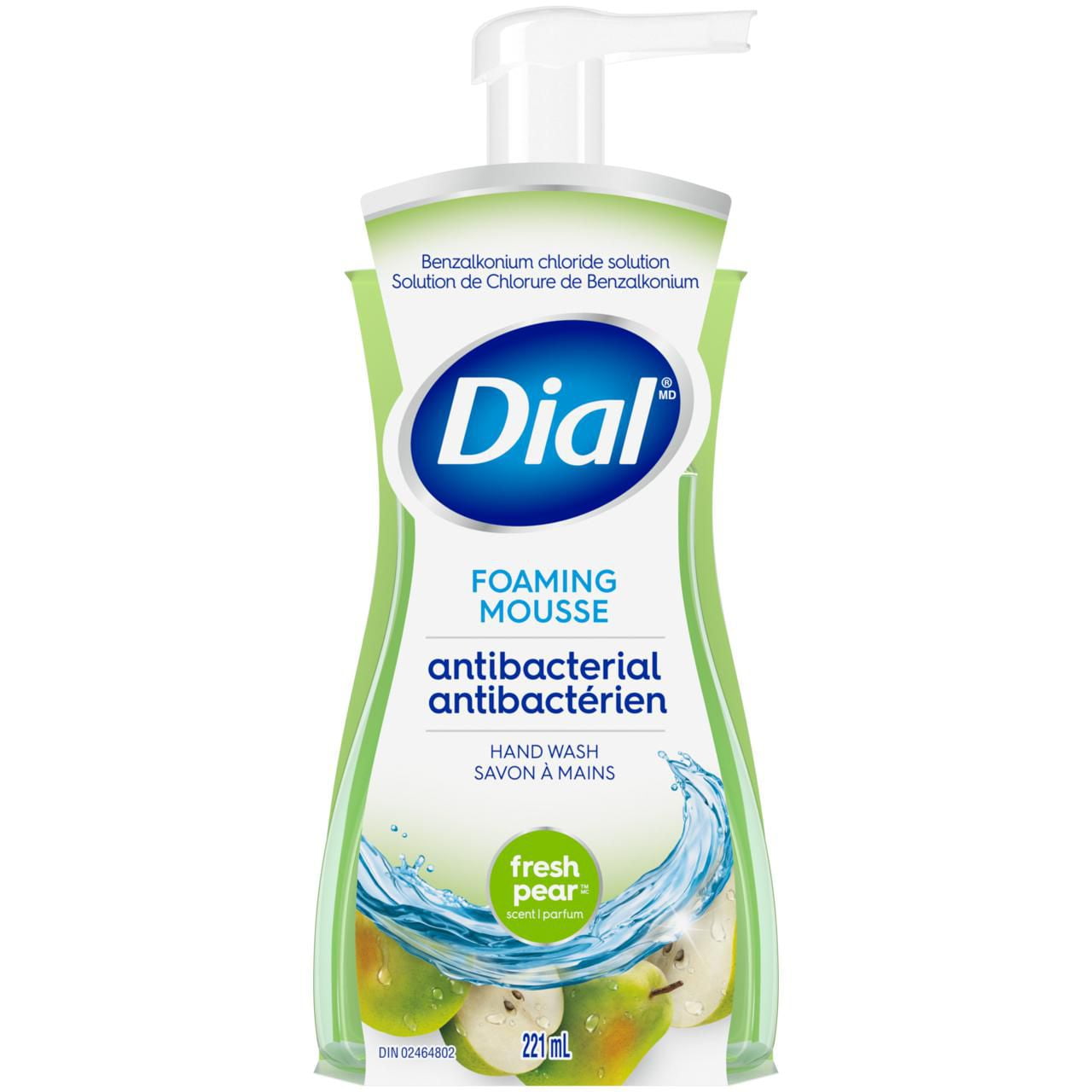
Using the right product for washing dishes matters a lot. Many people wonder if antibacterial hand soap is safe for dishes. The answer is usually no, because hand soaps have ingredients not meant for food contact. Luckily, there are many good alternatives designed to clean dishes safely and effectively.
These alternatives remove grease, food residue, and germs without harming your dishes or health. Choosing the correct soap helps keep your kitchen safe and clean. Below are some great options to consider.
Best Dish Soap Options
- Dish soaps made specifically for kitchen use
- Brands like Dawn, Palmolive, and Ajax offer strong grease removal
- Formulas designed to rinse off easily without leaving residue
- Affordable and widely available in stores and online
Natural Cleaning Solutions
- Baking soda and vinegar mix can clean lightly soiled dishes
- Lemon juice cuts grease and adds a fresh scent
- Castile soap is a gentle, plant-based liquid soap for dishes
- These options avoid harsh chemicals and are safe for sensitive skin
Eco-friendly Choices
- Biodegradable dish soaps reduce harm to the environment
- Products with natural ingredients and no synthetic fragrances
- Packaging made from recycled materials or refillable containers
- Look for certifications like EPA Safer Choice or EcoLogo
Credit: www.walmart.ca
Consumer Experiences
Consumer experiences offer valuable insight into using Walmart Antibacterial Kitchen Hand Soap on dishes. Many people share their thoughts online, giving a clear picture of its effectiveness and safety. These experiences help others decide if this soap fits their needs for dishwashing.
User Reviews
Several users mention trying the soap on dishes out of convenience. They appreciate the antibacterial properties and the fresh scent. Some note that it removes grease well, making dishes feel clean. Others point out it lathers easily, which helps with washing.
Common Complaints
Some consumers report that the soap leaves a residue on dishes. A few find it harder to rinse off compared to regular dish soap. Others mention their hands feel dry after use. A small number worry about the soap's safety for food contact items.
Positive Feedback
Many users praise the soap for killing germs effectively. They say it works well for light dishwashing tasks. Some enjoy its pleasant fragrance and mild formula. A group finds it handy when they run out of dish soap but still need clean dishes quickly.
Frequently Asked Questions
Can Walmart Antibacterial Kitchen Hand Soap Clean Dishes Safely?
Walmart antibacterial kitchen hand soap is formulated for hands, not dishes. It may not effectively remove grease or food residues. For best results, use dish soap designed for cleaning dishes and utensils.
Is Walmart Antibacterial Soap Safe For Dishwashing?
Walmart antibacterial soap is safe on skin but not ideal for dishes. It can leave residues harmful if ingested. Always use dishwashing liquid specifically made for cleaning cookware and tableware.
What Happens If I Use Hand Soap On Dishes?
Using hand soap on dishes can leave a slippery film and unpleasant taste. It may not remove oils properly, risking bacteria growth. Dish soap is recommended for thorough cleaning and safe food contact.
Can Antibacterial Hand Soap Kill Germs On Kitchenware?
Antibacterial hand soap kills germs on skin but may not fully sanitize dishes. Dish soaps contain agents that break down food and grease effectively. Use proper dish detergent for hygienic kitchenware cleaning.
Conclusion
Walmart Antibacterial Kitchen Hand Soap is made for washing hands, not dishes. Using it on dishes may leave soap residue or not clean well. Dish soaps are designed to cut grease and rinse off easily. For safe and clean dishes, choose a soap made for dishwashing.
This keeps your dishes free of germs and soap taste. Remember, keeping your kitchen clean is important for health. Use the right products for each task to get the best results. Clean hands and clean dishes both matter. Choose wisely.