
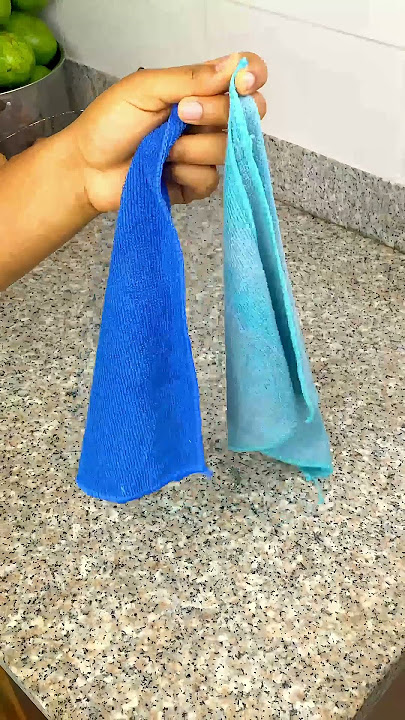
Are your kitchen towels looking dull or smelling less fresh than they should? You might not realize it, but regular washing isn’t always enough to keep them truly clean and germ-free.
Boiling your kitchen towels is a simple, effective way to kill bacteria and remove stubborn stains. In this guide, you’ll learn exactly how to boil your kitchen towels safely and easily, so they come out fresh, bright, and ready for your next cooking adventure.
Keep reading—you’ll be surprised how quick and powerful this method can be!

Credit: shopping.yahoo.com
Why Boil Kitchen Towels
Boiling kitchen towels is a simple way to clean them deeply. It removes germs and tough stains. This method uses only water and heat, no harsh chemicals.
Kitchen towels often hold bacteria from raw food and spills. Washing alone may not kill all bacteria. Boiling kills harmful germs, making towels safer to use.
Boiling also brightens towels. It helps remove strong odors and stubborn stains. Towels look fresher and last longer after boiling.
Sanitizes Towels Effectively
Heat from boiling destroys bacteria and viruses. It cleans towels better than regular washing. This prevents illness from dirty kitchen towels.
Removes Stains And Odors
Boiling breaks down food stains and grease. It eliminates bad smells trapped in fibers. Towels smell clean and look bright.
Extends Towel Life
Boiling keeps towel fabric strong. It removes buildup that weakens fibers. Towels stay soft and durable for longer use.
Uses Simple Ingredients
Boiling requires only water and heat. No need for chemicals or special detergents. It is an easy and natural cleaning method.
Materials Needed
Boiling kitchen towels is a simple way to clean and sanitize them deeply. Before you start, gather all the materials needed. Having everything ready makes the process smooth and efficient.
Use common household items that help remove stains and kill germs. The right materials protect the fabric while cleaning thoroughly.
Kitchen Towels
- Choose towels made of cotton or linen for best results.
- Avoid towels with synthetic fibers as they may melt or get damaged.
- Check for any delicate prints or decorations that might fade.
Large Pot Or Basin
- Use a pot or basin big enough to hold towels and water comfortably.
- Ensure it can withstand boiling temperatures safely.
Water
- Use clean tap water for boiling.
- Fill enough water to cover the towels completely.
Cleaning Agents
- Plain baking soda or white vinegar works well to remove odors.
- A mild detergent can help lift dirt and stains.
- Optional: a small amount of bleach for white towels only.
Heat Source
- A stove or electric kettle to boil water.
- Ensure stable heat control to keep water boiling steadily.
Protective Gloves
- Wear gloves to protect your hands from hot water and cleaning agents.
- Use heat-resistant gloves if possible for safe handling.
Preparing Towels For Boiling
Preparing your kitchen towels properly before boiling is key to getting them thoroughly clean and fresh. It’s not just about throwing them into hot water; certain steps help protect the fabric and improve the cleaning process. Taking a moment to prep your towels can make a big difference in how well they come out after boiling.
Sorting Towels By Color And Fabric Type
Separate your towels into groups based on color—whites, darks, and colors. Mixing them can cause colors to bleed and stain your whites. Also, check the fabric type; thicker cotton towels handle boiling well, but delicate blends might get damaged.
Removing Loose Debris And Stains
Shake out any crumbs or loose dirt before boiling. If you spot stubborn stains, treat them with a bit of detergent or stain remover first. This pre-treatment gives boiling a better chance to fully clean your towels.
Checking Care Labels For Boiling Suitability
Always look at the care labels on your towels. Some fabrics can shrink or lose color when boiled. If the label advises against high temperatures, consider alternative cleaning methods to avoid ruining your towels.
Gathering Necessary Supplies
Before you start, make sure you have everything ready: a large pot, water, and optionally, some white vinegar or baking soda. These additions can boost cleaning power and help keep towels soft. Having your supplies ready makes the process smoother and faster.
Step-by-step Boiling Process
Boiling kitchen towels is a simple way to clean and sanitize them deeply. Follow this clear process to ensure your towels come out fresh and germ-free. Each part of the process is important for the best results.
Filling The Pot
Choose a large pot that fits your towels comfortably. Fill it with enough water to cover the towels completely. Use hot tap water to save time heating.
Adding Towels
Place the kitchen towels gently into the pot. Avoid overcrowding; towels need space for water to circulate. This helps remove dirt and bacteria effectively.
Boiling Time
Put the pot on the stove and bring water to a full boil. Let the towels boil for 10 to 15 minutes. This time kills germs and loosens stains.
Cooling Down
Turn off the heat and let the pot cool down slightly. Use tongs to remove towels carefully—they will be hot. Spread towels out to dry in a clean area.
Alternative Cleaning Additives
Alternative cleaning additives can boost the power of boiling kitchen towels. These additives help remove stains, odors, and bacteria. They also keep the fabric soft and fresh. Using natural and safe ingredients makes the process eco-friendly and gentle on your towels.
Using Baking Soda
Baking soda is a mild alkaline substance. It lifts dirt and neutralizes odors effectively. Add half a cup of baking soda to the boiling water. This helps break down grease and grime on the towels. It also brightens white fabrics without harsh chemicals.
Adding Vinegar
White vinegar is a natural fabric softener and disinfectant. Pour one cup of vinegar into the boiling water. Vinegar cuts through soap residue and removes tough odors. It helps keep towels soft and absorbent after boiling. Avoid mixing vinegar with bleach to prevent harmful fumes.
Disinfectant Options
Disinfectants kill germs and bacteria on kitchen towels. Use oxygen-based bleach or hydrogen peroxide as safer alternatives to chlorine bleach. Add the disinfectant according to product instructions. These options preserve towel fibers and reduce harsh chemical use. They ensure towels are hygienic and ready for use.
Drying And Storing Towels
Boiling kitchen towels can help remove stubborn stains and bacteria. Use a large pot of water and bring it to a boil. Add towels carefully and let them soak for 10 minutes. After boiling, thoroughly dry the towels to prevent mold.
Store them in a cool, dry place to maintain freshness.
Drying and storing your kitchen towels correctly can make a huge difference in their longevity and hygiene. Once you've boiled your towels, it's essential to dry them thoroughly to prevent mildew and maintain their freshness. The way you store them afterward also plays a crucial role in keeping them clean and ready for the next use.
Drying Techniques For Kitchen Towels
After boiling, lay your towels flat on a clean, dry surface. This helps in reducing wrinkles and allows them to dry evenly. If you have access to a clothesline, hang them outside for a fresh, sun-kissed aroma. The sun's natural UV rays also help kill any remaining bacteria. Alternatively, you can use a dryer set to a low heat. Over-drying in high temperatures can damage the fibers. Tossing a few dryer balls in can help fluff them up, leaving your towels soft and absorbent.
Optimal Storage Solutions
Once completely dry, fold your towels neatly to save space and prevent creases. Consider rolling them if you have limited storage, as it keeps them tidy and easily accessible. Store them in a dry, cool place, ideally away from direct sunlight which can fade colors over time. Use a dedicated drawer or basket to keep them organized and separate from other linens.
Maintaining Freshness
To maintain their freshness, avoid storing wet or damp towels. Ensure they are completely dry before putting them away. You might also consider adding a sachet of lavender or a cedar block to the storage space for a natural fresh scent. Have you ever noticed how fresh towels can elevate your kitchen experience? Keeping them well-maintained ensures they remain a reliable and hygienic part of your kitchen routine. By putting a little thought into drying and storing, you extend their life and keep your kitchen running smoothly.
Safety Tips During Boiling
Boiling kitchen towels is a great way to sanitize them, but it comes with some risks if you’re not careful. Heat, steam, and hot water can cause burns or accidents in your kitchen. Paying attention to safety during boiling keeps the process effective and accident-free.
Use A Sturdy Pot With A Lid
Choose a pot that is large enough to hold your towels without overcrowding. A sturdy pot prevents tipping over when you lift it. Using a lid helps contain steam and heat, but keep it slightly ajar to avoid pressure buildup.
Handle Hot Water With Care
Boiling water can cause serious burns. Always use oven mitts or thick towels when handling the pot. Avoid sudden movements and place the pot on a stable surface away from children or pets.
Keep Your Workspace Clear
Clear the area around your stove before you start boiling towels. Clutter increases the chance of accidents, like knocking over the pot. Make sure there’s nothing flammable nearby to avoid fire hazards.
Don’t Leave The Pot Unattended
Stay in the kitchen while the towels are boiling. Leaving the pot unattended increases the risk of water boiling dry or overheating. Set a timer to remind yourself when the towels are ready.
Cool Towels Safely Before Handling
After boiling, towels will be extremely hot. Let them cool in the pot off the heat or transfer them carefully to a heat-safe container. Touch them only when they’re warm enough to handle comfortably.
Use Appropriate Cleaning Additives
If you add detergents or disinfectants, make sure they are safe to boil and won’t produce harmful fumes. Avoid bleach or harsh chemicals unless you know they’re suitable for boiling. Safety starts with knowing what goes into your boiling water.
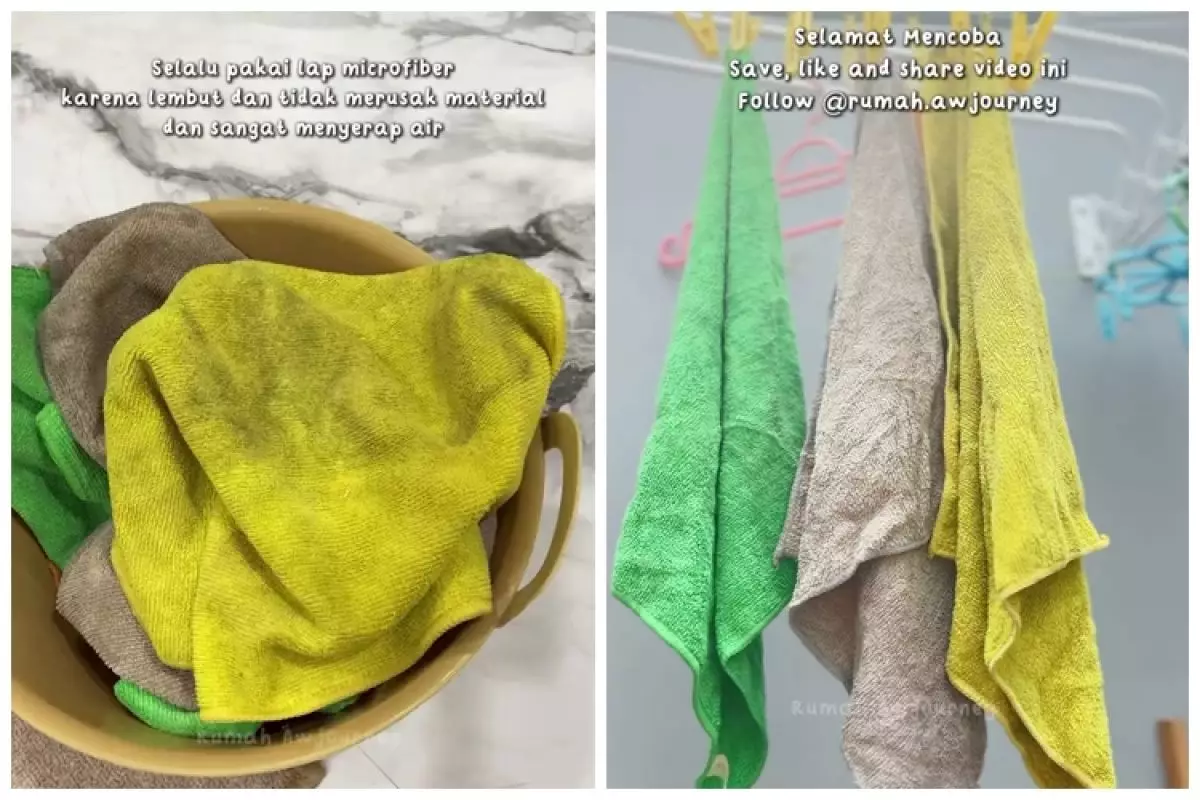
Credit: en.brilio.net
How Often To Boil Towels
Boiling kitchen towels helps kill germs and remove tough stains. Knowing how often to boil them keeps your kitchen clean and safe. It depends on how often you use the towels and what you use them for.
Boil Towels Used Daily
Towels used every day need boiling more often. Boil these towels at least once a week. This stops bacteria from building up and keeps towels fresh.
Boil Towels Used For Heavy Cleaning
Towels used to clean grease or raw meat should be boiled after each use. Boiling kills harmful bacteria and stops cross-contamination. It is a good habit to keep your kitchen safe.
Boil Towels Used Lightly
Towels used lightly, like drying hands or dishes, need boiling less often. Boil these towels every two weeks to keep them clean. Regular washing also helps reduce germs.
Signs Towels Need Boiling
- Strong odors that soap cannot remove
- Visible stains that stay after washing
- Towels feeling rough or sticky
These signs mean it is time to boil the towels. Boiling restores softness and removes germs effectively.

Credit: www.reddit.com
Frequently Asked Questions
How Do You Properly Boil Kitchen Towels?
To boil kitchen towels, use a large pot with water. Add towels, bring to a boil, and simmer for 10-15 minutes. This kills bacteria and removes odors effectively. After boiling, rinse towels with clean water and air dry.
Why Should I Boil Kitchen Towels Regularly?
Boiling kitchen towels kills germs, bacteria, and mold. It helps keep towels hygienic and odor-free. Regular boiling prevents cross-contamination in the kitchen. It extends the lifespan of your towels by deep cleaning.
Can I Use Bleach When Boiling Kitchen Towels?
Yes, adding a small amount of bleach can enhance disinfection. Use bleach carefully, following the label instructions. Avoid using bleach on colored towels to prevent fading. Boiling with bleach ensures towels are sanitized thoroughly.
How Often Should Kitchen Towels Be Boiled?
Boil kitchen towels at least once a week. Frequent boiling is essential if towels are heavily used. It ensures high hygiene standards and prevents bacterial buildup. For less frequent use, boil every two weeks.
Conclusion
Boiling kitchen towels helps keep them clean and fresh. It kills germs and removes stains well. Use enough water and boil for about 10 minutes. Let towels dry completely before using again. This simple step saves money on replacing towels often.
Try this easy method to keep your kitchen towels safe and hygienic. Clean towels make cooking and cleaning more pleasant every day. Give boiling a try and see the difference it makes. Your kitchen stays healthier with just a little effort.