
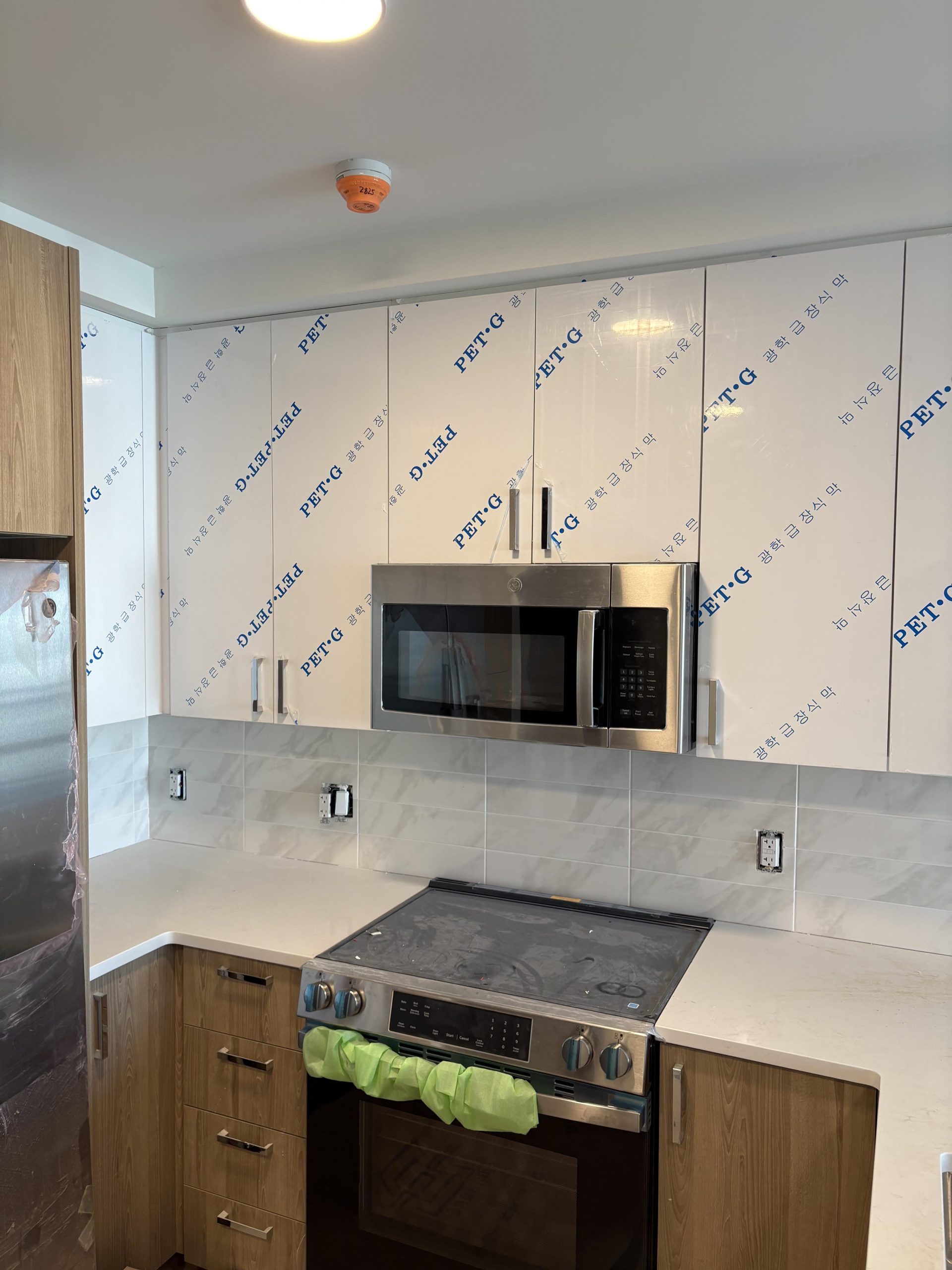
When it comes to keeping your kitchen safe, knowing where to place a heat detector can make all the difference. You might think any spot will do, but the right location can mean the difference between early warning and disaster.
You’ll discover exactly where your heat detector should go to protect your home without triggering false alarms. Keep reading to learn the simple steps that could save your kitchen—and your peace of mind.
Credit: www.fireangel.co.uk
Heat Detector Basics
Understanding heat detector basics helps keep kitchens safe. These devices sense temperature changes to alert you about fires. Kitchens have unique conditions, so choosing the right heat detector matters. Knowing how they work and which types fit kitchens improves safety.
How Heat Detectors Work
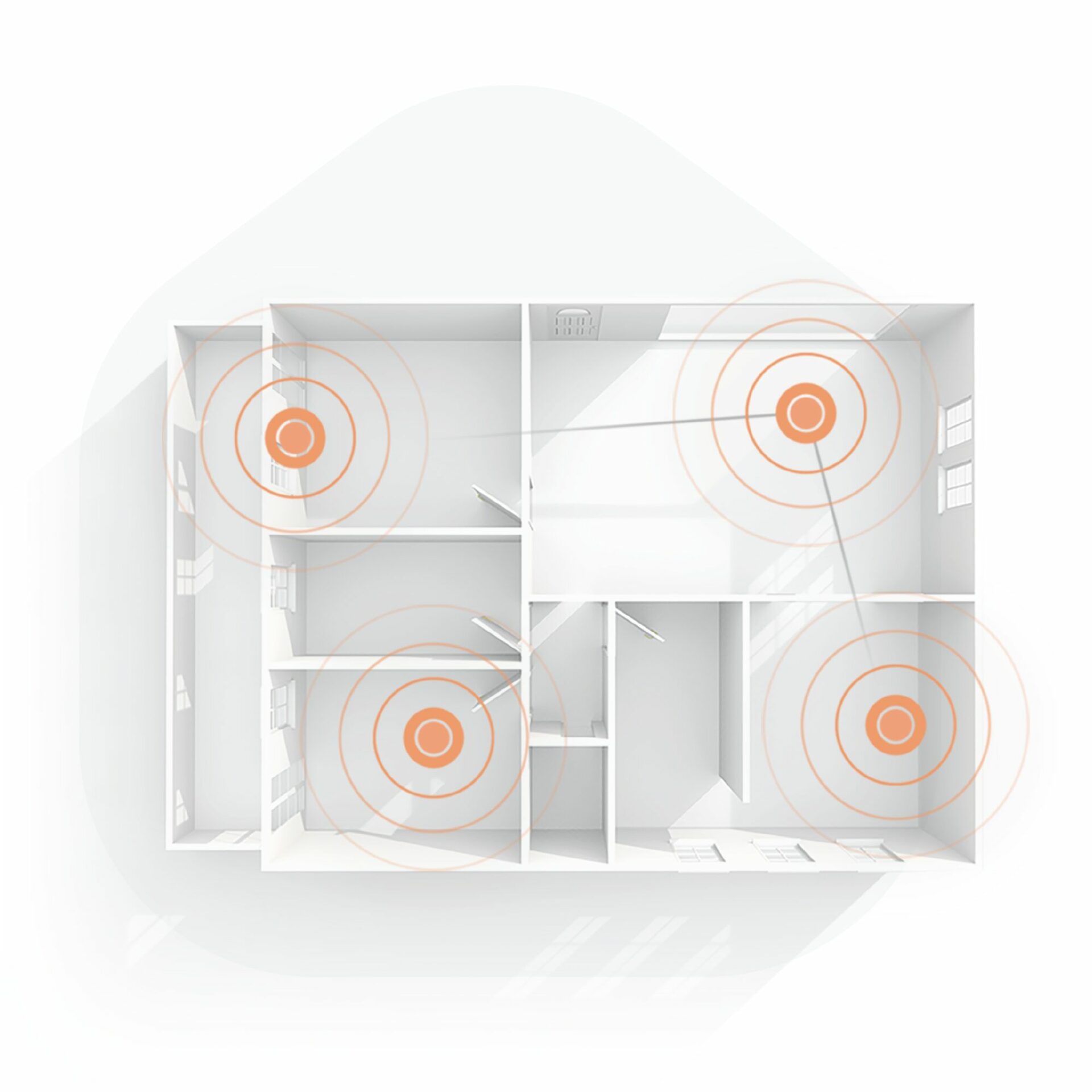
Heat detectors sense temperature rise in the area. They react when heat exceeds a set point or rises quickly. The detector then triggers an alarm to warn about fire. They do not respond to smoke or steam, reducing false alarms in kitchens.
Two main heat detection methods exist:
- Fixed temperature detectors:Alarm when temperature hits a fixed point.
- Rate-of-rise detectors:Alarm when temperature quickly increases.
Types Suitable For Kitchens
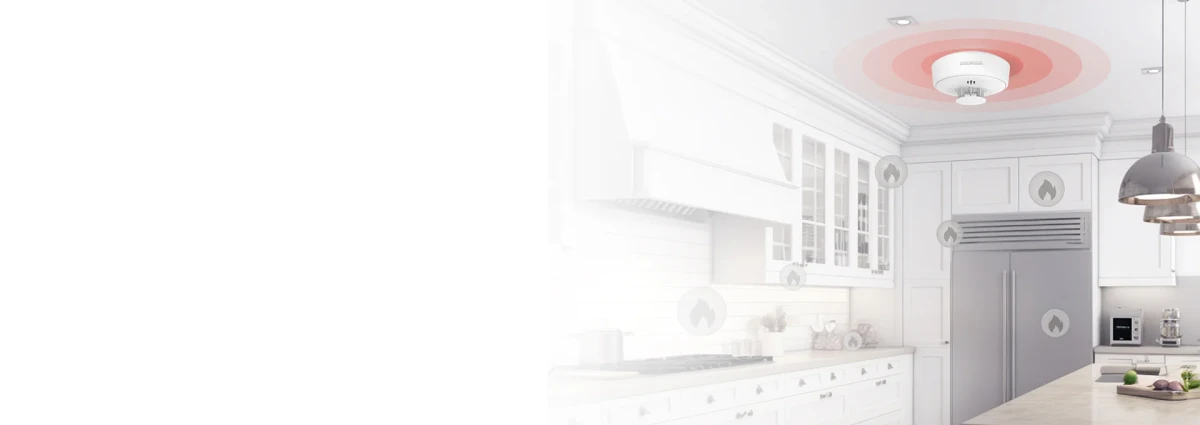
Kitchens produce smoke, steam, and heat. Smoke detectors often cause false alarms here. Heat detectors work better in this environment.
- Fixed temperature heat detectors:Good for kitchens with steady cooking heat.
- Rate-of-rise heat detectors:Detect fast temperature spikes, useful near ovens.
- Combination detectors:Some models combine heat and smoke sensing but choose carefully to avoid false alarms.
Choose detectors designed for kitchen use. They withstand humidity and cooking conditions well. Proper placement and type choice improve early fire detection.
Credit: www.firedetectionshop.co.uk
Ideal Locations In The Kitchen
Choosing the right spot for a heat detector in your kitchen is crucial for safety and effectiveness. The kitchen is full of heat sources, so placing the detector in the best location ensures it catches dangerous temperature rises without triggering false alarms. Let’s look at the ideal places where your heat detector will work best.
Ceiling Placement
The ceiling is often the best place for a heat detector because heat naturally rises. Installing the detector near the center of the kitchen ceiling allows it to sense temperature changes quickly.
Make sure the detector is at least 4 inches away from any walls or corners to avoid dead spots. Avoid placing it near air vents or ceiling fans, as airflow can interfere with its accuracy.
Wall Placement
If ceiling installation isn’t possible, mounting the detector on a wall is an alternative. Place it high on the wall, about 4 to 6 inches below the ceiling.
The detector should be away from corners and at a spot where it can sense heat rising from the cooking area. Make sure it’s not near windows or doors where drafts might affect its performance.
Distance From Cooking Appliances
Placing the heat detector too close to stoves, ovens, or other cooking appliances can cause frequent false alarms. A good rule is to keep the detector at least 3 feet away from any heat-producing devices.
Think about your kitchen layout. If your stove is next to a wall, avoid placing the detector right above it. Instead, position it where it can monitor the overall kitchen temperature without reacting to regular cooking heat spikes.
Common Placement Mistakes
Common placement mistakes can reduce a heat detector’s effectiveness in the kitchen. Incorrect positioning may cause false alarms or leave areas unprotected. Understanding these errors helps keep your kitchen safe.
Avoiding False Alarms
Placing heat detectors too close to cooking appliances often triggers false alarms. Smoke and steam from cooking can confuse the sensor. Avoid installing detectors directly above stoves or ovens.
Keep detectors away from vents and fans. Airflow can carry heat fluctuations, causing unnecessary alerts. Choose locations where heat changes relate to real fire risks.
Preventing Blind Spots
Heat detectors should cover the entire kitchen area without gaps. Placing detectors only in one corner creates blind spots. Fires can start in any part of the kitchen.
Mount detectors on the ceiling near the center or near potential fire sources. This ensures better heat detection coverage. Use multiple detectors in large kitchens to avoid missing hot spots.
Installation Tips
Proper installation of a heat detector in the kitchen is vital for safety. Correct placement helps the detector sense heat quickly and avoid false alarms. Follow these tips to install the detector effectively and ensure it works when needed.
Height Considerations
Place the heat detector on the ceiling, as heat rises naturally. Install it at least 4 inches away from walls or corners. Avoid placing it too close to the stove or oven to prevent false alarms. The ideal height is usually between 7 to 12 inches below the ceiling surface. This position helps the detector sense rising heat early.
Avoiding Airflow Obstructions
Do not install the detector near vents, fans, or air conditioners. Airflow can cool the heat and delay detection. Keep the area around the detector clear from cabinets or light fixtures. Obstructions may block heat from reaching the sensor. Choose a spot where the air flows naturally, without strong drafts.
Maintenance For Reliability
Maintaining heat detectors in the kitchen ensures they work correctly during emergencies. Regular upkeep keeps them sensitive to heat changes and reduces false alarms. Proper care extends the detector’s life and protects your home effectively.
Regular Testing
Test heat detectors once a month to confirm they respond properly. Use the test button on the device to check the alarm sound. If the alarm does not sound, replace the batteries or the detector immediately. Keep a schedule or reminder for testing to avoid forgetting.
Cleaning And Replacement
Dust and grease can block heat sensors, causing failures. Clean detectors gently with a dry cloth or soft brush every few months. Avoid water or cleaning sprays, which can damage the device. Replace heat detectors every 10 years or as recommended by the manufacturer for best performance.
Additional Kitchen Safety Measures
Place heat detectors away from cooking appliances to avoid false alarms. Mount them on the ceiling, at least 10 feet from stoves or ovens. This ensures quick detection of real fires without frequent triggering from normal cooking heat.
Additional Kitchen Safety MeasuresEnsuring your kitchen is equipped with a heat detector is just one step towards a safer cooking environment. There are several other measures that can enhance your kitchen's safety. Let's dive into some practical ways to bolster your kitchen's defense against fire hazards.
Combining Heat And Smoke Detectors
Pairing a heat detector with a smoke detector can significantly increase your kitchen's safety. While a heat detector senses rapid temperature changes, a smoke detector picks up on smoke particles. This dual protection ensures you're alerted to potential fires at the earliest possible moment. Consider installing the smoke detector away from the stove to prevent false alarms. The combination of these two devices can provide comprehensive coverage and peace of mind. Are you ready to enhance your kitchen's safety with this powerful duo?
Fire Extinguisher Placement
Having a fire extinguisher is crucial, but where you place it makes all the difference. It should be easily accessible, ideally mounted on the wall near the kitchen exit. This placement allows you to grab it quickly if needed, while also ensuring you have an escape route. Make sure everyone in your household knows where it is and how to use it. Regularly check that the extinguisher is charged and in working order. Are you prepared to act swiftly in case of a kitchen fire emergency?
Credit: firealarm.com
Frequently Asked Questions
Where Is The Best Spot To Install A Kitchen Heat Detector?
The best spot is on the ceiling, at least 12 inches away from walls. Avoid placing it near cooking appliances to prevent false alarms.
How Far Should A Heat Detector Be From Kitchen Appliances?
A heat detector should be at least 3 feet away from stoves and ovens. This prevents false alarms caused by normal cooking heat.
Can Heat Detectors Work Near Kitchen Vents Or Fans?
Avoid installing heat detectors near vents or fans. Airflow can delay heat detection and reduce the device’s effectiveness.
Should Heat Detectors Be Installed On Kitchen Walls Or Ceilings?
Heat detectors work best on ceilings because heat rises. Wall installation is less effective and not recommended for kitchens.
Conclusion
Placing a heat detector correctly keeps your kitchen safe from fire risks. Install it near cooking areas but away from steam and smoke sources. This helps avoid false alarms while ensuring early fire detection. Regularly test and maintain the detector for best performance.
Safety starts with smart choices. Protect your home and loved ones by placing heat detectors wisely.