
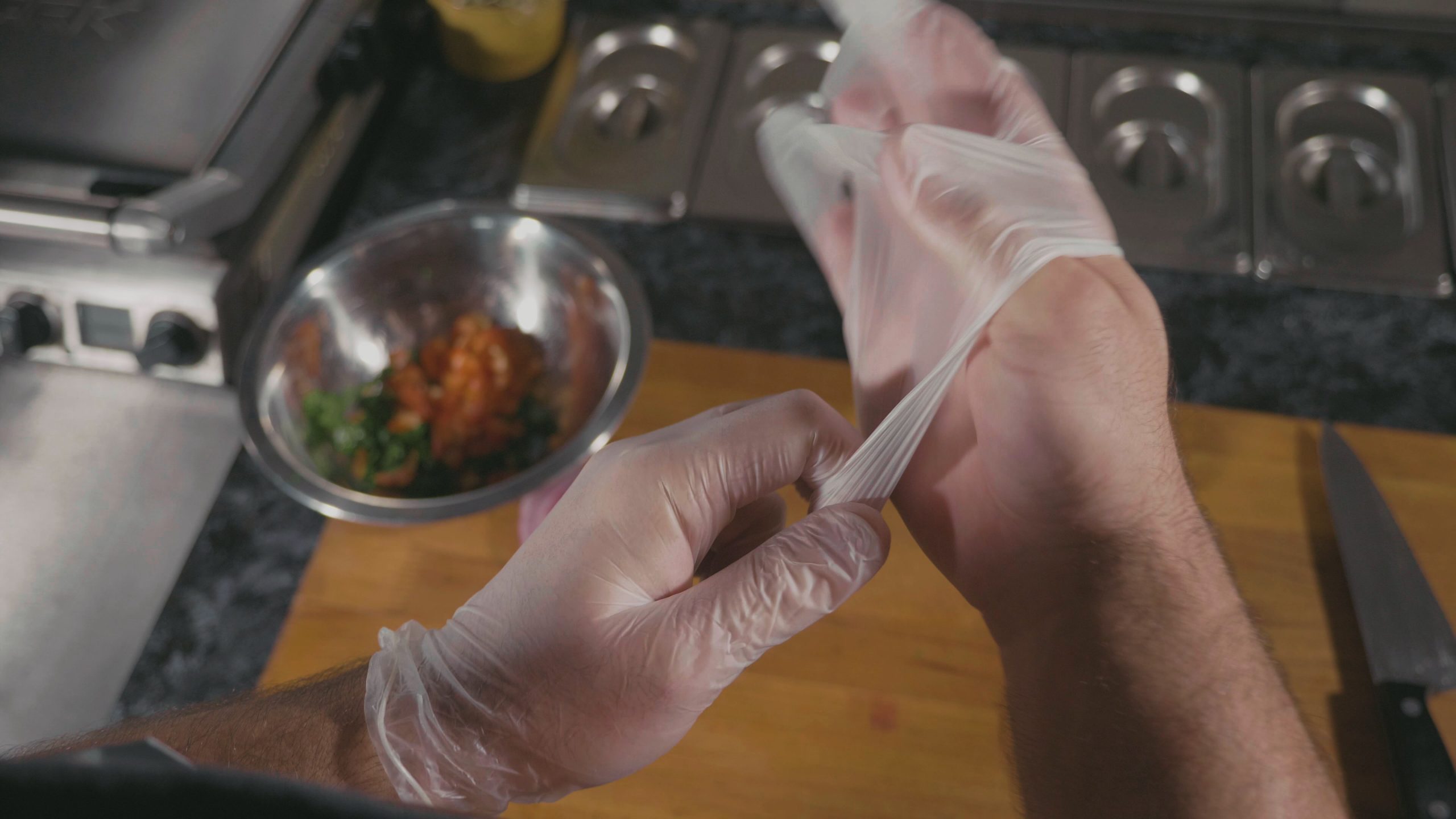
You might think wearing gloves in the kitchen keeps everything safe and clean. But do you know exactly when you should change them?
Using the same gloves too long can actually spread germs instead of stopping them. If you want to protect yourself, your food, and everyone you cook for, learning the right time to switch gloves is a game-changer. Keep reading, and you’ll discover simple tips that make your kitchen safer and your meals healthier.
Don’t let a small mistake ruin your hard work—your gloves could be the key.
Credit: foodhandler.com
Reasons To Change Gloves
Knowing when to change gloves in the kitchen is just as important as wearing them. Gloves can quickly become a source of contamination if not replaced at the right moments. Understanding the reasons to change gloves helps you maintain food safety and protect your customers’ health.
Preventing Cross-contamination
Cross-contamination happens when harmful bacteria transfer from one surface or food to another. Changing gloves regularly stops this from spreading.
For example, after touching raw meat, you should remove gloves before handling vegetables or ready-to-eat items. Have you ever thought about how many surfaces you touch in a busy kitchen? Each contact is a chance for germs to travel.
Handling Raw And Cooked Foods
Raw and cooked foods require different levels of care because raw items often carry bacteria that can be killed during cooking. Once you touch raw food, you must change gloves before touching cooked food to avoid contamination.
This habit is essential to keep cooked meals safe for your customers. Think about how a small slip-up could spoil an entire dish — changing gloves helps you avoid that risk.
Avoiding Allergens
Allergens like nuts, dairy, or shellfish can cause severe reactions in some people. If you switch tasks without changing gloves, you risk transferring allergens to other foods.
Changing gloves when moving between allergen-containing and allergen-free foods protects those with allergies. Are you confident your kitchen prevents allergen cross-contact effectively?
Managing Glove Damage
Gloves can tear, puncture, or become dirty during use, which compromises their protective barrier. Always inspect gloves and replace them if you notice any damage.
Wearing damaged gloves defeats the purpose of using them and can expose food to contamination. Have you checked your gloves carefully today?
Key Moments To Switch Gloves
Knowing when to change gloves in the kitchen is essential for food safety and preventing contamination. Gloves can carry bacteria and other harmful substances from one surface or food item to another if not replaced at the right times. Recognizing these key moments helps keep your kitchen hygienic and your meals safe.
After Touching Raw Meat
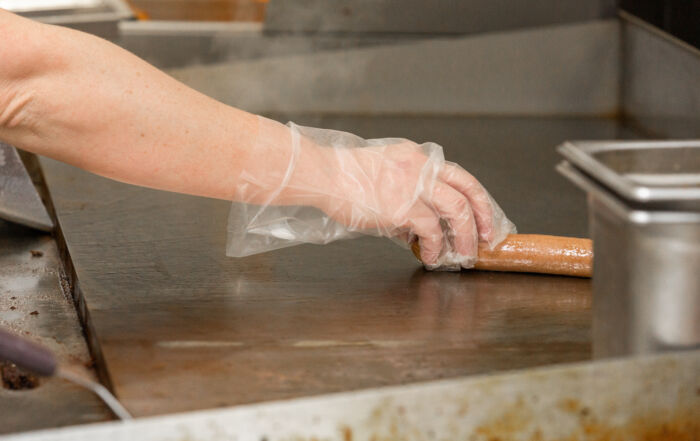
Raw meat often contains harmful bacteria like salmonella or E. coli. Once you've handled it, your gloves are contaminated even if you don’t see any visible residue. Changing gloves immediately after touching raw meat stops these bacteria from spreading to other foods or surfaces.
Have you ever reached for a utensil or touched a cutting board after raw meat without changing gloves? That’s a common mistake that can cause cross-contamination. Always swap gloves before moving on to anything else.
Before Handling Ready-to-eat Items
Ready-to-eat foods like salads, fruits, or cooked dishes shouldn’t come into contact with gloves that touched raw ingredients or dirty surfaces. Even a small amount of contamination can lead to foodborne illness.
Changing gloves before touching these items acts as a barrier, ensuring your food remains safe. Think of it as giving your hands a fresh start before handling something that won’t be cooked again.
Following Waste Disposal
Throwing away food scraps or packaging exposes your gloves to germs and dirt. If you don’t change gloves after waste disposal, you risk transferring these contaminants back to your workspace or ingredients.
It’s easy to forget, but swapping gloves after taking out the trash keeps your kitchen cleaner. Ask yourself: are you really comfortable touching fresh produce with gloves that just handled waste?
After Using Cleaning Chemicals
Cleaning chemicals can leave residues on your gloves that aren’t safe to ingest. Using the same gloves after cleaning and food prep can contaminate your dishes with harmful substances.
Always change gloves after handling cleaning products to protect both your health and the taste of your food. This small step prevents chemical exposure and keeps your cooking environment safe.
Proper Glove Removal Techniques
Proper glove removal techniques are essential to prevent contamination in the kitchen. Removing gloves the right way stops germs from spreading to your hands or food. It helps keep the kitchen clean and safe for everyone.
Avoiding Hand Contamination
Start by pinching the outside of one glove near the wrist. Pull the glove away from your hand, turning it inside out. Hold the removed glove in the gloved hand. Slide your fingers under the wrist of the remaining glove. Avoid touching the outside surface. Peel off the second glove inside out, trapping the first glove inside. This method keeps your hands clean and avoids contact with germs.
Disposing Gloves Safely
Dispose of used gloves in a trash bin immediately. Do not leave gloves on counters or tables. Use a bin with a lid to keep germs contained. Wash your hands with soap and water after glove removal. This ensures any germs left on your skin are removed. Proper disposal protects everyone in the kitchen from contamination.
Credit: www.food-safety.com
Choosing The Right Gloves
Choosing the right gloves for your kitchen tasks is more than just picking any pair off the shelf. The right gloves protect your hands, keep your food safe, and make your work easier. Knowing the differences in materials, fit, and any allergy risks can help you avoid common kitchen mishaps.
Material Types And Their Uses
Not all gloves are created equal. Some are better for handling raw meat, while others suit baking or dishwashing.
- Latex:Offers great flexibility and sensitivity, perfect for delicate tasks like decorating cakes. However, it’s not ideal if you have latex allergies.
- Nitrile:Durable and resistant to oils and chemicals, making it great for handling raw meat or cleaning tasks.
- Vinyl:A budget-friendly option for light tasks, though less durable and less resistant to punctures.
- Rubber or Neoprene:Best for heavy-duty cleaning and washing dishes where you need protection from harsh detergents.
Think about what you do most in your kitchen. Which material will give you the best protection without slowing you down?
Sizing And Fit
Gloves that don’t fit well can cause frustration and even accidents. Too tight, and they restrict your movement. Too loose, and they might slip off or reduce your grip.
Try on gloves before buying if you can. Your fingers should move freely, and you should be able to pick up small items easily.
Remember, the right fit helps maintain hygiene by reducing the risk of tears or contamination. Have you ever struggled with gloves that felt like a straitjacket?
Allergy Considerations
Allergic reactions to gloves are more common than you might think. Latex allergies can cause itching, redness, or even more severe reactions.
If you or someone in your kitchen has sensitive skin, consider hypoallergenic options like nitrile or vinyl gloves. Always check the packaging for allergy warnings.
It’s worth asking yourself: Are your gloves protecting you without causing new problems?
Additional Kitchen Safety Tips
Ensuring kitchen safety involves more than just changing gloves regularly. Following additional safety tips can protect food and staff. Below are crucial guidelines for maintaining a clean and safe kitchen environment.
Hand Washing Best Practices
Proper hand washing is vital. Use warm water and soap. Scrub hands for at least 20 seconds. Focus on all hand parts, including between fingers. Rinse thoroughly and dry with a clean towel. Handwashing before glove use is essential.
Combining Gloves With Hygiene Protocols
Gloves are a barrier but not a substitute for cleanliness. Always wear gloves when handling ready-to-eat food. Change gloves after handling raw meat or seafood. Combine glove use with regular handwashing. This reduces contamination risks.
Training Staff On Glove Use
Proper training ensures effective glove use. Educate staff on when to change gloves. Highlight the importance of handwashing before and after glove use. Conduct regular training sessions. Reinforce hygiene practices consistently.
Credit: www.performancefoodservice.com
Frequently Asked Questions
When Should You Change Gloves In The Kitchen?
Change gloves after handling raw food to prevent cross-contamination. Also, replace them when switching tasks or if gloves tear or become dirty.
How Often Do Kitchen Gloves Need Replacing?
Replace gloves immediately after each task or if they become contaminated. Frequent changes ensure food safety and maintain hygiene standards in the kitchen.
Can You Reuse Gloves In Food Preparation?
No, gloves must not be reused. Using fresh gloves each time prevents bacteria spread and ensures safe food handling.
Why Is Changing Gloves Important In The Kitchen?
Changing gloves prevents cross-contamination between different foods. It protects both food quality and customer health by maintaining strict hygiene.
Conclusion
Changing gloves often keeps food safe and kitchens clean. Always switch gloves after handling raw meat or fish. Change gloves when touching different foods to avoid germs. Never use the same gloves for long tasks. Clean hands before putting on new gloves.
This simple habit helps stop food poisoning. Staying careful with gloves protects everyone who eats your food. Keep these tips in mind for safer cooking every day.