
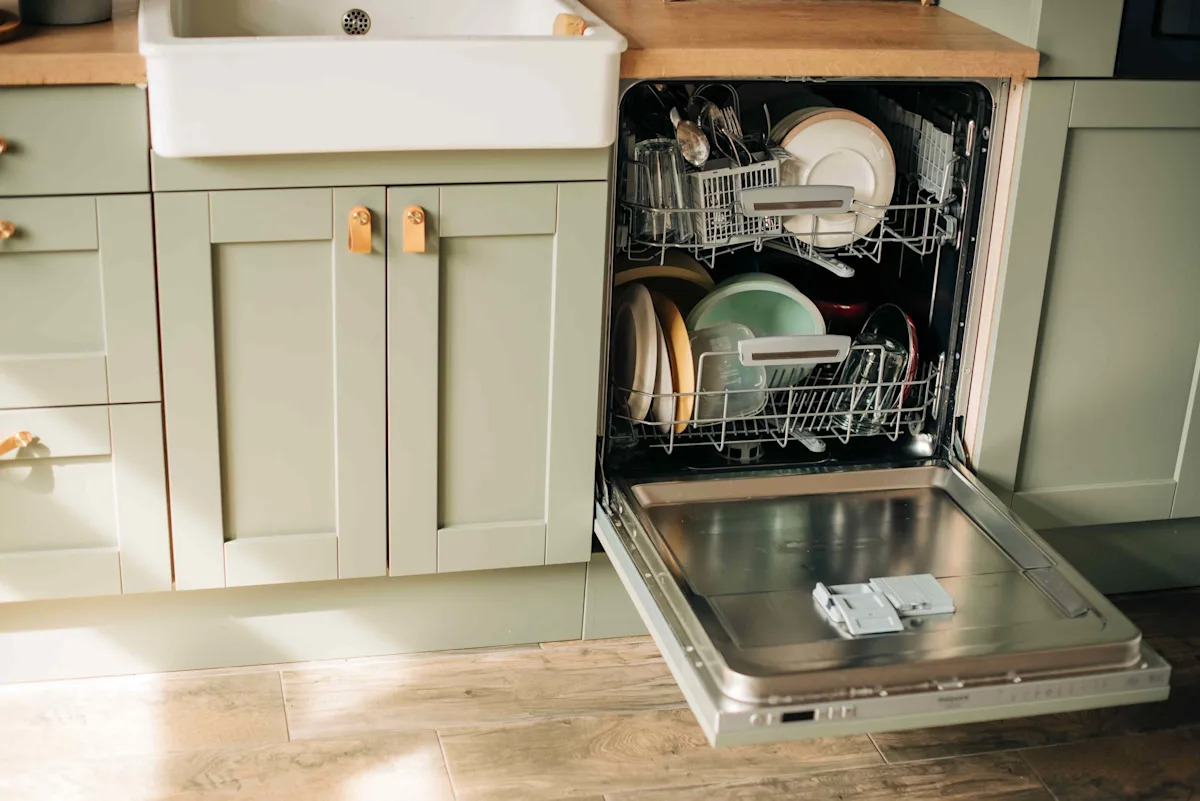
Can’t seem to keep your kitchen clean without a dishwasher? You’re not alone.
Piles of dirty dishes, sticky countertops, and cluttered sinks can make your kitchen feel overwhelming and stressful. But what if there were simple ways to stay on top of the mess without relying on a dishwasher? You’ll discover easy tips and smart habits that can help you maintain a sparkling kitchen every day.
Ready to make your kitchen a cleaner, more enjoyable space? Let’s dive in.
Common Kitchen Cleaning Challenges
Keeping your kitchen clean without a dishwasher can feel like a constant uphill battle. The challenges pile up quickly and make it hard to maintain a tidy space. Understanding these common kitchen cleaning struggles can help you find smarter ways to manage your kitchen daily.
Messy Dishes Pileup
Dirty dishes stack up faster than you think, especially after cooking or a busy day. Without a dishwasher to handle the load, it’s easy to feel overwhelmed by the growing pile.
Leaving dishes out can attract pests and create unpleasant odors. Have you noticed how quickly a single meal can turn your sink into a mountain of plates and pots?
Limited Drying Space
Air-drying dishes without a dishwasher means you need extra counter space for drying racks. Most kitchens aren’t designed with large drying areas, making it tough to find room for everything.
Wet dishes left on counters can drip water, causing messes and potential damage to surfaces. How do you manage to dry your dishes without turning your kitchen into a soggy zone?
Greasy Surfaces
Cooking creates grease that settles on counters, stove tops, and backsplash areas. Without regular deep cleaning, these greasy spots build up and become harder to remove.
Grease attracts dirt and makes your kitchen look messy even if you wipe it down daily. What quick tricks do you use to keep surfaces spotless when you don’t have a dishwasher to ease the load?
Time-consuming Cleanup
Hand washing dishes can take up a significant chunk of your day, especially if you cook frequently. The process can feel repetitive and tiring, leaving little time for other tasks.
Without a dishwasher, cleanup becomes a major chore instead of a quick routine. How do you carve out time for cleaning without it taking over your entire day?
Smart Dishwashing Alternatives
Keeping your kitchen clean without a dishwasher can feel tough. Smart dishwashing alternatives make this task easier. These methods save water, reduce mess, and speed up drying. They help maintain a neat kitchen even with limited tools. Try these techniques to improve your dishwashing routine.
Hand Washing Techniques
Use warm water and soap for effective cleaning. Scrub dishes with a soft sponge or brush to avoid scratches. Wash plates and cups first, then pots and pans. Rinse thoroughly to remove all soap. Change dishwater when it becomes dirty to keep dishes clean.
Soaking Strategies
Soak tough stains and stuck-on food in warm, soapy water. Use a container or the sink for soaking dishes. Let them sit for 10 to 20 minutes to soften debris. This reduces scrubbing time and effort. Empty and refill soaking water if it cools down.
Using Minimal Water
Fill the sink halfway with water instead of running the tap. Wash dishes in batches to save water. Use a spray bottle for rinsing to control water flow. Turn off the faucet while scrubbing dishes. These habits reduce water use and lower utility bills.
Quick Drying Tips
Place washed dishes on a drying rack with good airflow. Use a clean towel to dry items faster by hand. Avoid stacking dishes to prevent moisture build-up. Open windows or use a fan to speed up drying. Dry dishes quickly to keep your kitchen tidy and prevent odors.
Organizing For Easy Cleaning
Organizing your kitchen can make cleaning much easier and faster. Keeping things in order helps avoid messes and clutter. With a well-organized kitchen, you spend less time tidying up and more time enjoying your space.
Decluttering Countertops
Clear countertops create a clean and open look. Remove items you do not use daily. Store appliances like toasters or blenders inside cabinets. Keep only essential items, such as a coffee maker or knife block, on the counter. This frees space for cooking and cleaning.
Smart Storage Solutions
Use storage that fits your kitchen size and needs. Install shelves or racks to hold pots, pans, and dishes. Use drawer dividers for utensils to avoid mess. Store food in clear containers to see what you have. Label containers to save time finding ingredients.
Keeping Cleaning Tools Handy
Place cleaning supplies where you need them most. Keep dish soap, sponges, and towels near the sink. Store a small broom and dustpan in the kitchen for quick cleanups. Having tools within reach encourages regular cleaning. It stops dirt from building up and keeps the kitchen fresh.

Credit: www.reddit.com
Daily Habits For A Cleaner Kitchen
Keeping a kitchen clean without a dishwasher can feel overwhelming. But establishing daily habits can make it manageable. Simple routines help maintain order and cleanliness. Here are some daily habits to ensure your kitchen stays spotless.
Wiping As You Go
Keep a cloth handy to wipe surfaces immediately after use. Spills and crumbs are easier to clean when fresh. Quick wipes prevent stains and reduce cleaning time later.
Make it a habit to wipe down counters after each meal. Clean surfaces discourage pests and keep your kitchen inviting.
Routine Sink Maintenance
Clear the sink after every use to avoid buildup. Rinse dishes and utensils before stacking them. This prevents food particles from sticking and keeps odors at bay.
Use a gentle cleaner on the sink daily. A clean sink makes washing dishes less of a chore.
Managing Trash Efficiently
Empty the trash bin daily to prevent odors. Use a bin with a lid to contain smells and deter pests.
Separate recyclables to reduce waste and promote a cleaner environment. This habit keeps your kitchen tidy and organized.
Eco-friendly Cleaning Hacks
Keeping a kitchen clean without a dishwasher takes effort and smart choices. Eco-friendly cleaning hacks help reduce waste and protect the environment. These simple tips use natural ingredients and clever habits to keep your kitchen spotless and green.
Natural Cleaning Agents
Use natural items like vinegar, baking soda, and lemon to clean dishes and surfaces. These agents break down grease and grime effectively. They are safe for your health and the planet.
Vinegar cuts through tough stains and disinfects. Baking soda works as a gentle scrub. Lemon adds a fresh scent and removes odors.
Reusing Kitchen Water
Save water by reusing rinse water for plants or cleaning floors. Collect water from washing vegetables or soaking dishes. This habit lowers water waste and saves money.
Keep a bucket near the sink to catch water. Use it quickly to avoid odors and bacteria growth.
Reducing Plastic Waste
Switch to reusable dishcloths and sponges instead of disposable ones. Avoid single-use plastic wraps and bags in the kitchen. Choose products with minimal or recyclable packaging.
Buy cleaning supplies in bulk to cut plastic use. Store homemade cleaners in glass bottles for safety and reuse.

Credit: www.thegreencompany.online
Time-saving Cleaning Tools
Cleaning the kitchen without a dishwasher can feel overwhelming. Time-saving cleaning tools help reduce effort and speed up the process. Using the right tools keeps your kitchen neat and manageable.
Microfiber Cloths
Microfiber cloths pick up dirt and grease quickly. They dry fast and can be used wet or dry. These cloths are gentle on surfaces and reusable. They save time by cleaning without harsh scrubbing.
Scrub Brushes
Scrub brushes reach into corners and scrub tough stains. They come in various sizes and shapes. Using a brush makes washing pots and pans easier. Brushes reduce the time spent on stubborn grime.
Portable Drying Racks
Portable drying racks help organize dishes after washing. They fit easily on countertops and fold for storage. These racks speed up drying and keep counters clutter-free. They allow air to circulate, making drying faster and cleaner.
/https%3A%2F%2Fprod.static9.net.au%2Ffs%2F833f3cc7-2632-47ff-8b10-6146497cfe9b)
Credit: honey.nine.com.au
Frequently Asked Questions
Why Is My Kitchen Messy Without A Dishwasher?
Without a dishwasher, dirty dishes pile up quickly. Handwashing takes more time, leading to cluttered sinks and counters. This makes it harder to maintain a clean kitchen throughout the day.
How Can I Keep My Kitchen Clean Without A Dishwasher?
Wash dishes immediately after use to prevent buildup. Use a dish rack for quick drying. Clean counters and sink regularly to avoid mess. Organize kitchen tools to reduce clutter.
What Are The Benefits Of Using A Dishwasher?
Dishwashers save time and water compared to handwashing. They sanitize dishes effectively and reduce kitchen clutter. This makes it easier to maintain a consistently clean kitchen environment.
Are There Dishwashing Alternatives For Small Kitchens?
Yes, countertop dishwashers are compact and efficient. Handwashing with minimal dishes helps too. Using dish racks and drying mats can also optimize small kitchen spaces.
Conclusion
Keeping a kitchen clean without a dishwasher can feel tough. Washing dishes by hand takes time and effort. Small habits like cleaning as you cook help a lot. Using drying racks keeps counters clear and dry. Regularly wiping surfaces stops dirt from building up.
Staying consistent makes cleaning easier every day. A dishwasher is helpful but not the only way. Simple steps can keep your kitchen neat and fresh. You can enjoy cooking without the mess piling up. Clean spaces make cooking more fun and less stressful.