
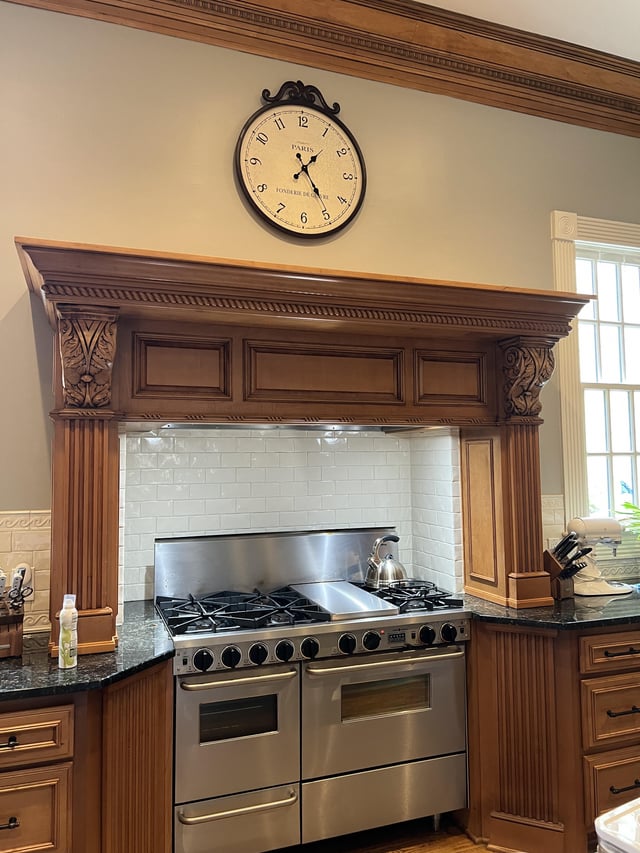
Are you thinking about placing wood right next to your kitchen oven? It’s a common idea because wood looks warm and stylish in a kitchen.
But is it safe? Could it cause problems you haven’t thought about? Before you make a costly mistake or risk damage, you need to understand what really happens when wood meets heat. Keep reading to discover the facts that will protect your kitchen and give you peace of mind.
Heat Risks Near Ovens
Heat risks near ovens are a major concern when designing or updating your kitchen. Placing wood too close to your oven might seem convenient, but it can lead to safety hazards and damage over time. Understanding how heat behaves around ovens can help you make safer choices for your kitchen layout.
How Ovens Emit Heat
Ovens generate heat mainly through electric elements or gas burners, which warm the interior for cooking. However, this heat doesn't stay inside; it escapes through the oven walls, door, and vents.
This escaping heat can raise the temperature of nearby surfaces, including any wood cabinetry or trim. The heat transfer happens through radiation, convection, and conduction—meaning the wood can get quite warm even if it's not directly touching the oven.
Impact On Nearby Materials
Wood is sensitive to heat. When exposed to high temperatures for long periods, it can dry out, warp, or even ignite if the heat is intense enough.
Placing wood immediately next to an oven risks discoloration and cracking. Over time, this weakens the wood’s structure, potentially leading to costly repairs or replacements.
Think about your own kitchen: Have you noticed wood cabinets near your oven getting warmer or showing signs of wear faster? This is a clear sign of heat damage.
To protect your kitchen, consider installing heat-resistant barriers or maintaining a safe gap between the oven and wood surfaces. Have you checked your kitchen layout recently to see if your wood is at risk?
Wood Properties And Heat
Wood is a common material in kitchens for cabinets and furniture. Understanding how wood reacts to heat is important for safety. The properties of wood determine if it can be placed near a kitchen oven. Heat from an oven can affect wood’s durability and safety.
Combustibility Of Wood
Wood is combustible, meaning it can catch fire. The risk increases with high heat exposure. Different types of wood have varying levels of combustibility. Softwoods like pine ignite faster than hardwoods such as oak. The moisture content in wood also affects how quickly it burns. Dry wood ignites easier than moist wood. Placing wood too close to an oven can cause it to overheat. This may lead to charring or even fire hazards.
Heat Resistance Levels
Wood has limited heat resistance compared to metal or stone. It can withstand low to moderate heat without damage. Prolonged exposure to high heat softens wood fibers. This leads to warping, cracking, or discoloration. Protective coatings improve wood’s heat resistance slightly. Heat shields or barriers can prevent direct heat contact. Keeping wood at a safe distance from the oven is crucial. This distance depends on the oven’s heat output and wood type.
Building Codes And Regulations
Understanding building codes and regulations is crucial before placing wood immediately next to your kitchen oven. These rules exist to protect your home and family from fire hazards and ensure proper installation. Ignoring them can lead to costly repairs or dangerous situations.
Fire Safety Standards
Fire safety standards set the minimum requirements to prevent kitchen fires. Wood is a combustible material, so placing it too close to an oven can increase the risk of ignition. Building codes often require materials near ovens to be heat-resistant or properly insulated.
For example, many local codes mandate the use of fire-retardant barriers when wood is used near heat sources. You might think your oven’s insulation is enough, but heat can transfer through convection and conduction, affecting nearby wood surfaces. Have you checked if your kitchen design meets these safety rules?
Recommended Clearance Distances
Clearance distances specify how far wood surfaces should be from your oven to prevent heat damage. These distances vary depending on the oven type and local regulations but usually range from 6 to 12 inches. Keeping this gap ensures your wood won’t overheat or pose a fire risk.
Here’s a quick overview of typical clearance distances:
| Oven Type | Minimum Clearance |
|---|---|
| Electric Oven | 6 inches (15 cm) |
| Gas Oven | 12 inches (30 cm) |
These distances may seem inconvenient, but they protect your home and ensure your oven works efficiently. Have you measured the space around your oven to confirm it meets these guidelines?
Safe Installation Practices
Installing wood near a kitchen oven requires careful planning. Ensuring safety is key to preventing fire hazards. This section outlines safe installation practices. Let's explore effective techniques and tools.
Proper Spacing Techniques
Maintain a safe distance between wood and the oven. A minimum of 12 inches is recommended. This gap reduces the risk of heat damage. Ensure clear airflow around the oven. Adequate spacing prevents heat buildup. It also helps maintain proper ventilation.
Use Of Heat Shields
Heat shields are essential for safety. They protect wood from direct heat exposure. Install them between the oven and wood surfaces. Heat shields should be non-combustible materials. Stainless steel or ceramic tiles work well. They effectively deflect heat away from wood. Regularly inspect and clean heat shields. This ensures they function properly over time.
Alternative Materials To Wood
Wood might look warm and inviting in your kitchen, but placing it right next to an oven is risky. Fortunately, there are alternative materials that can handle the heat better while still complementing your kitchen’s style. These options can protect your walls and cabinets without sacrificing the look you want.
Heat-resistant Options
Materials like stainless steel, ceramic tiles, and tempered glass can withstand high temperatures without warping or catching fire. Stainless steel offers a sleek, modern look and is easy to clean, making it a favorite for busy kitchens. Ceramic tiles come in endless colors and patterns, allowing you to add personality while keeping safety intact.
Tempered glass is another smart choice. It handles heat well and reflects light, which can make your kitchen feel brighter and more open. If you’ve ever cooked with a stainless steel backsplash or tiled wall, you know how practical and durable these materials are.
Durability And Aesthetics
Beyond heat resistance, durability is key. Stone surfaces like granite or quartz are tough and resist scratches, stains, and heat. They add a natural elegance that pairs well with wood accents, offering a balanced look that’s both functional and beautiful.
You might wonder if these materials can match the cozy feel of wood. Many manufacturers create wood-look tiles and laminates that bring warmth without the fire risk. This means you can enjoy the appearance of wood while keeping your kitchen safe and durable.

Credit: lifehacker.com
Maintenance Tips For Kitchen Safety
Maintaining safety in the kitchen is crucial, especially around heat sources like ovens. Proper maintenance helps avoid accidents and keeps your kitchen safe and functional. Simple actions can reduce risks and protect your home.
Regular Inspections
Check the area around your oven often. Look for any signs of heat damage on nearby wood or cabinets. Inspect the oven’s seals and wiring for wear or damage. Clean grease and food spills regularly to avoid buildup. Make sure ventilation is working properly to keep heat away from flammable materials.
Preventing Fire Hazards
Keep flammable items away from the oven. Avoid placing wooden objects directly next to the oven without proper heat protection. Use heat-resistant barriers or materials if wood is near the oven. Never leave the oven unattended while cooking. Store kitchen towels, paper, and plastics at a safe distance to reduce fire risks.
Common Mistakes To Avoid
Placing wood near a kitchen oven seems convenient but carries risks. Many people make common mistakes that can cause damage or danger. Avoiding these errors keeps your kitchen safe and your wood intact.
Placing Flammable Items Close
Wood is flammable and can catch fire if too near heat. Avoid putting wooden cabinets or shelves directly beside the oven. Keep a safe distance to prevent heat damage or fire hazards.
Other flammable items like paper, cloth, or plastic should also be kept away. Heat can cause these materials to ignite quickly. Always check the space around the oven for anything that might burn.
Ignoring Manufacturer Guidelines
Every oven comes with safety instructions. These guidelines explain how close materials can be safely placed. Ignoring these rules risks voiding warranties or causing accidents.
Follow the manufacturer’s recommendations on distance and material types near the oven. These rules help keep your kitchen safe and your oven working properly. Always review the manual before installing wood near your oven.

Credit: www.organize-nashville.com

Credit: glenindia.com
Frequently Asked Questions
Can Wood Be Placed Right Next To A Kitchen Oven?
Placing wood immediately next to an oven is not recommended. Wood can absorb heat and potentially warp or catch fire. Maintain a safe gap or use heat-resistant barriers to protect wooden surfaces and ensure kitchen safety.
What Is The Safe Distance Between Wood And Oven?
A minimum distance of 6 inches is advised between wood and an oven. This gap prevents heat damage and reduces fire risk. Always check oven manufacturer guidelines for specific clearance requirements to ensure safety.
How To Protect Wood Near A Kitchen Oven?
Use heat shields or metal panels to protect wood near ovens. These barriers reflect heat and prevent wood from overheating. Proper ventilation and regular inspections help maintain the wood's condition and safety.
Why Is Wood Near Ovens A Fire Hazard?
Wood is combustible and can ignite if exposed to high oven heat. Heat causes wood to dry out and become more flammable. Keeping wood away from ovens minimizes fire risks and enhances kitchen safety.
Conclusion
Placing wood right next to a kitchen oven can be risky. Wood may catch fire or get damaged by heat. Always keep a safe gap between wood and heat sources. Use heat-resistant materials near your oven for safety. Proper kitchen design protects your home and family.
Think about safety first when choosing materials near ovens. Simple steps help avoid accidents and keep kitchens safe.