
Your kitchen sponge is one of the dirtiest items in your home, even dirtier than your toilet seat. If you’re like most people, you use it every day without thinking about how often it needs a deep clean.
But here’s the truth: a dirty sponge can spread harmful bacteria and make your kitchen less safe. You want to keep your family healthy and your kitchen fresh, right? You’ll discover simple, effective ways to sanitize your kitchen sponges quickly.
Keep reading to learn easy tips that can make a big difference in your home’s cleanliness.
Why Sanitize Kitchen Sponges
Sanitizing kitchen sponges is important for keeping your kitchen clean and safe. Sponges soak up food and moisture, creating a perfect home for germs. Without regular cleaning, these germs multiply quickly. This can lead to health problems and food contamination. Understanding why to sanitize sponges helps you protect your family from illness.
Common Germs Found On Sponges
Kitchen sponges hold many types of germs. Some common ones include:
- E. coli:Found in raw meat and can cause stomach sickness.
- Salmonella:Linked to poultry and eggs, causing food poisoning.
- Staphylococcus aureus:Causes skin infections and food poisoning.
- Fungi and mold:Grow in damp sponges and cause bad odors.
These germs survive because sponges stay wet and trap food particles.
Health Risks Of Dirty Sponges
Dirty sponges spread germs to kitchen surfaces and utensils. This leads to:
- Foodborne illnesses like diarrhea and vomiting.
- Cross-contamination between raw and cooked foods.
- Allergic reactions from mold and bacteria.
- Increased risk of infections in children and elderly.
Regular sanitation reduces these risks and keeps your kitchen safe. Clean sponges mean healthier meals and fewer germs around your home.
Best Methods To Sanitize Sponges
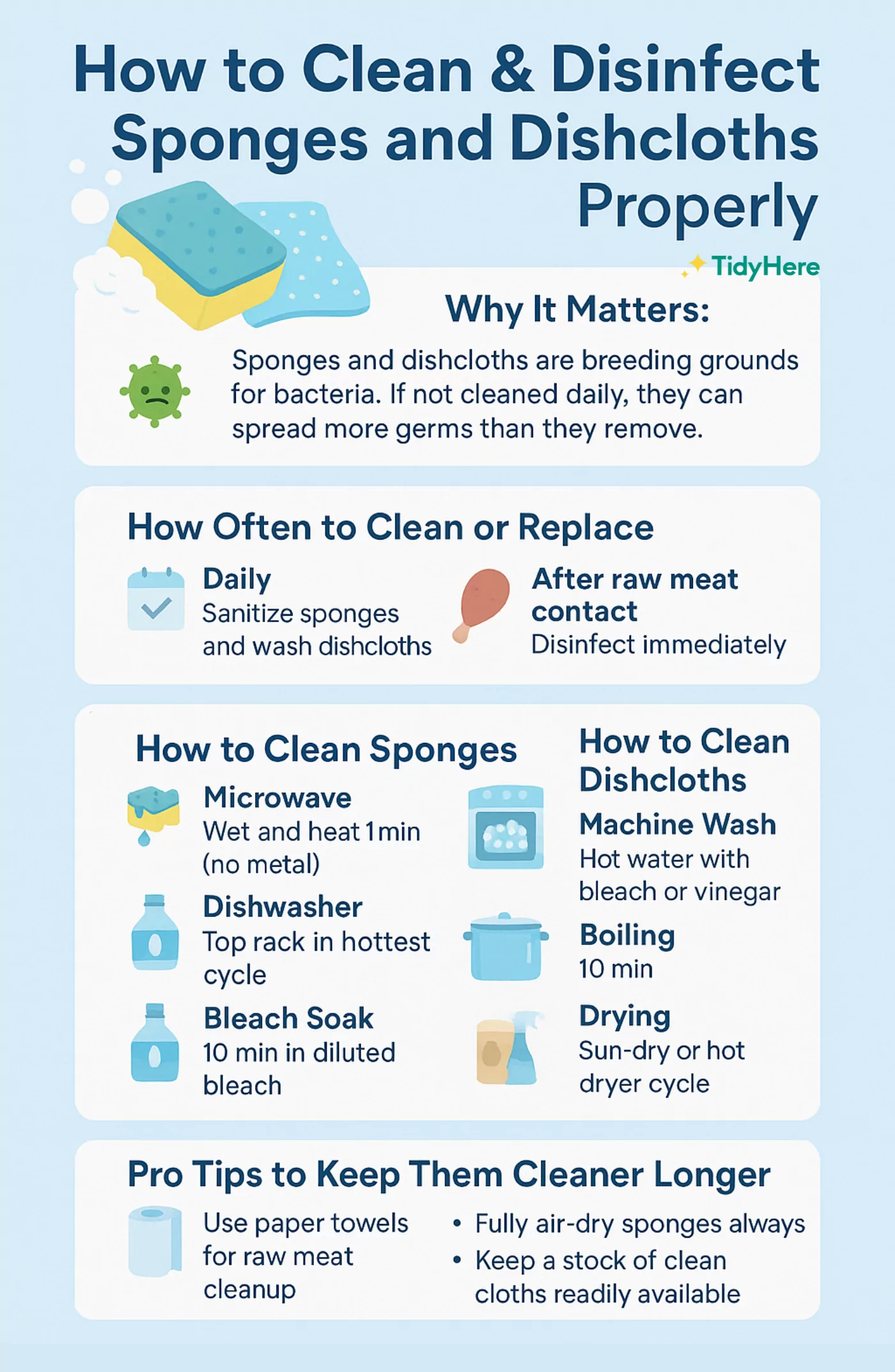
Keeping kitchen sponges clean is essential for a healthy kitchen. Sponges can hold bacteria and germs that cause illnesses. Regular sanitizing helps remove harmful microbes and keeps your sponge fresh. Several easy and effective methods can sanitize your sponges quickly. Choose the one that fits your routine and tools.
Microwave Technique
Wet the sponge completely before microwaving. Place it in the microwave on high power for about two minutes. This kills most bacteria and germs inside the sponge. Be careful when removing it; the sponge will be hot. Let it cool before use. Avoid using this method with sponges that have metal parts.
Dishwasher Method
Put the sponge in the dishwasher’s top rack. Run it through a full cycle with the heated dry option. The dishwasher’s heat and detergent clean and sanitize the sponge well. This method is easy and convenient if you run your dishwasher daily. Make sure the sponge is dishwasher safe before using this method.
Bleach Soak
Mix one tablespoon of bleach with one gallon of water. Soak the sponge in the solution for five minutes. Rinse the sponge thoroughly with clean water after soaking. Bleach kills a wide range of germs quickly. Use gloves and work in a ventilated area for safety. Do not use this method for sponges used on food surfaces.
Vinegar Soak
Fill a bowl with equal parts white vinegar and water. Soak the sponge for about five minutes in the solution. Vinegar is a natural disinfectant that reduces bacteria. Rinse the sponge well after soaking. This method is gentle and safe for most sponges. Use it regularly to keep your sponge fresh and clean.
How Often To Sanitize Sponges
Sanitizing kitchen sponges is essential to keep your kitchen clean and safe. Sponges can hold bacteria, so regular cleaning is a must. Knowing how often to sanitize sponges helps prevent germs from spreading to your dishes and surfaces.
Daily Maintenance Tips
Rinse sponges thoroughly after each use. Squeeze out excess water to reduce moisture. Store sponges in a dry spot to limit bacteria growth. Consider microwaving a damp sponge for one minute to kill germs. Another option is soaking sponges in a bleach solution for five minutes. These small steps keep sponges fresher between deep cleans.
When To Replace Sponges
Even with regular cleaning, sponges wear out. Replace sponges every one to two weeks, depending on use. Change sponges immediately if they smell bad or fall apart. Using old sponges can spread bacteria and cause illness. Keep extra sponges on hand for quick swaps to maintain hygiene.
Credit: household-tips.thefuntimesguide.com
Tips To Keep Sponges Dry And Fresh
Keeping kitchen sponges dry and fresh is essential for hygiene. Damp sponges can harbor bacteria and unpleasant odors. Follow these tips to ensure your sponges stay clean and ready for use.
Proper Sponge Storage
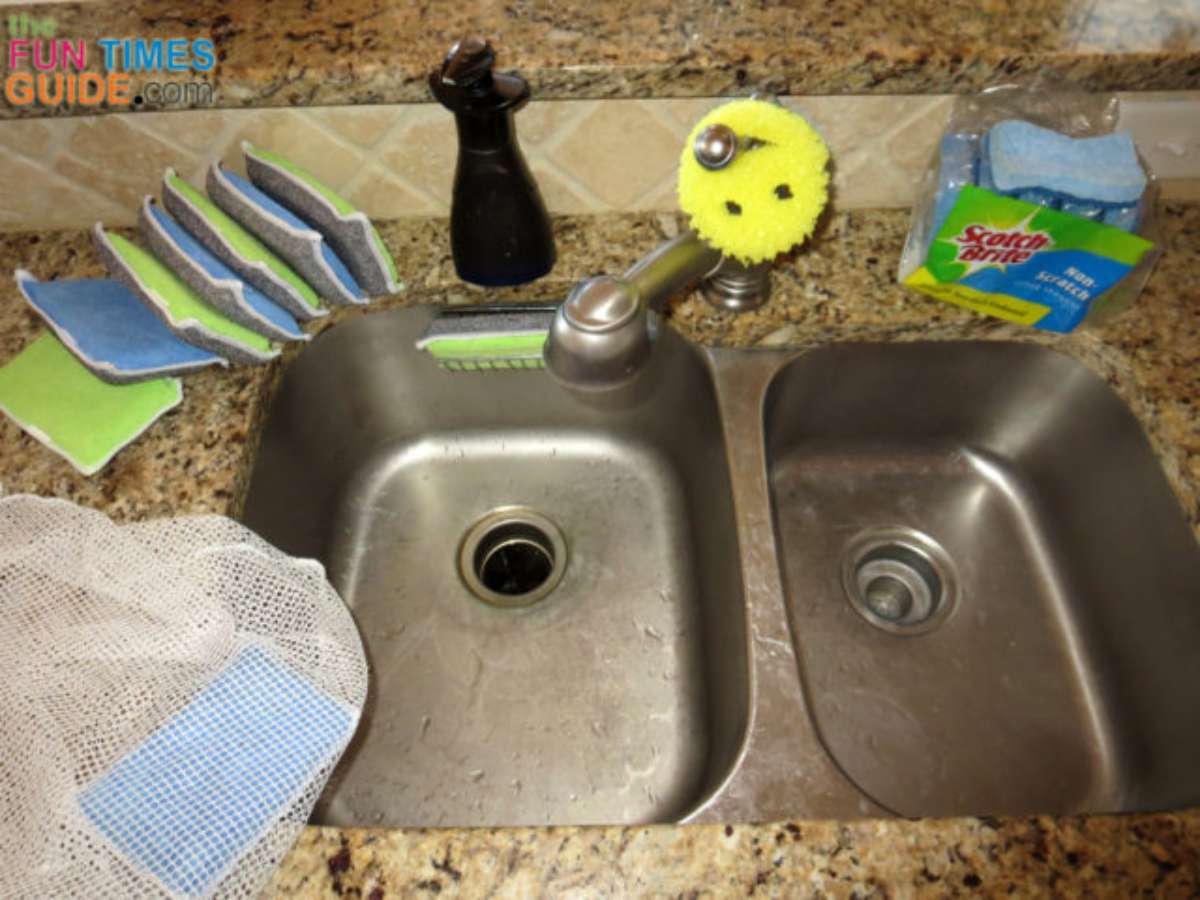
Store sponges in a well-ventilated area. Airflow helps them dry faster. Avoid placing sponges in enclosed spaces. Consider using a dish rack or sink edge for storage. Make sure they are not compressed under heavy items. This prevents moisture buildup and mold growth.
Using Sponge Holders
Use a sponge holder to elevate sponges. This allows water to drain away easily. Look for holders with drainage holes. They help remove excess water quickly. Place the holder in an area with good airflow. This setup keeps sponges dry and fresh.
Alternatives To Traditional Sponges
Consider alternatives to regular sponges. Microfiber cloths are a great choice. They dry faster and resist odors better. Silicone sponges are another option. They are non-porous and easy to clean. These alternatives can help maintain a cleaner kitchen environment.
Signs Your Sponge Needs Replacement
Knowing when to replace your kitchen sponge is as important as sanitizing it. Sponges can harbor harmful bacteria if left too long, even with regular cleaning. Paying attention to certain signs can help you avoid health risks and keep your kitchen hygienic.
Odor And Texture Changes
Have you noticed a sour or unpleasant smell coming from your sponge? That’s a clear sign bacteria are multiplying beyond what sanitizing can fix. Even after washing, if the sponge still smells bad, it’s time to toss it.
Texture matters too. If your sponge feels slimy, mushy, or unusually soft, it’s deteriorating. A sponge should be firm enough to scrub but not fall apart in your hand. When it loses its texture, it no longer cleans effectively and can spread germs instead of removing them.
Visible Wear And Tear
Look closely at your sponge's surface. Are there cracks, holes, or frayed edges? These imperfections trap food particles and bacteria, making sanitizing less effective. A sponge with visible damage is a breeding ground for germs.
Even if your sponge looks fine but has been in use for weeks, consider replacing it. Frequent use wears down its cleaning power, and worn-out sponges can harbor more bacteria than you realize. How often do you change your sponge? If you can't remember, it might be time for a new one.

Credit: tidyhere.com

Credit: www.yahoo.com
Frequently Asked Questions
How Often Should I Sanitize Kitchen Sponges?
You should sanitize kitchen sponges at least once a week. Frequent cleaning helps kill bacteria and prevent odors. Regular sanitizing extends the sponge's usability and maintains hygiene in your kitchen.
What Are The Best Methods To Sanitize Kitchen Sponges?
Microwaving, boiling, or using a dishwasher are effective methods. Each method kills most bacteria and germs in the sponge. Choose the method that fits your convenience and sponge type.
Can I Use Bleach To Sanitize Kitchen Sponges Safely?
Yes, diluted bleach can sanitize sponges effectively. Use one tablespoon of bleach per gallon of water. Soak the sponge for five minutes, then rinse thoroughly before use.
Will Sanitizing Kitchen Sponges Remove All Bacteria?
Sanitizing significantly reduces bacteria but may not remove all microbes. Regular replacement of sponges is still recommended for optimal kitchen hygiene.
Conclusion
Sanitizing kitchen sponges keeps your kitchen clean and safe. Regular cleaning stops germs from spreading. Use simple methods like microwaving or soaking in vinegar. Replace sponges often to avoid bacteria build-up. Clean sponges help prevent illness and keep dishes fresh.
Small steps make a big difference in hygiene. Keep your kitchen healthy with easy sponge care. Simple habits protect your family from harmful germs. Clean sponges, clean kitchen, peace of mind.