
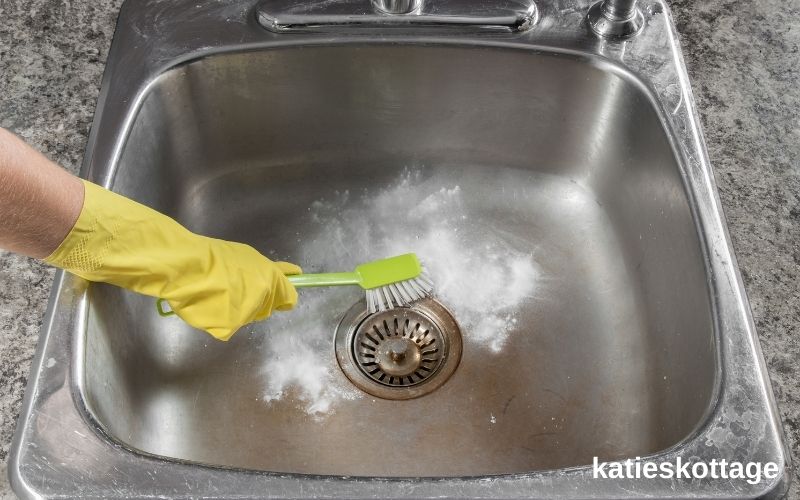
Have you ever wondered if the dishwashing liquid soap you use every day could be causing problems in your kitchen sink drain? It’s easy to assume that soap just washes away without a trace.
But what if that shiny bottle in your hand is slowly clogging your pipes? You might be surprised to learn how something as common as dish soap can affect your plumbing. Keep reading, because understanding this could save you from costly repairs and keep your kitchen running smoothly.
How Dishwashing Soap Works
Dishwashing soap is a common household item that cleans dirty dishes efficiently. It breaks down grease and food residue, making washing easier. Understanding how dish soap works helps explain whether it can clog your kitchen sink drain.
Ingredients In Dish Soap
Dish soap contains several key ingredients:
- Surfactants:These lower water surface tension to lift grease and dirt.
- Foaming agents:Create bubbles that trap grease and debris.
- Builders:Help soften water and enhance cleaning power.
- Fragrances and dyes:Add scent and color but do not affect cleaning.
- Preservatives:Prevent soap from spoiling over time.
Role In Cleaning
Surfactants in dish soap attach to both water and grease molecules.
This action breaks grease into smaller pieces. Then water washes them away.
Foam helps lift dirt from dishes, making it easier to rinse off.
Soap also helps prevent grease from sticking to surfaces again.

Credit: www.youtube.com
Common Causes Of Sink Clogs
Understanding the common causes of sink clogs can save you a lot of frustration and plumbing costs. Many people assume that dishwashing liquid soap is the main culprit, but often, other factors contribute more significantly to blockages. Recognizing these causes helps you take better care of your kitchen drain and avoid frequent clogs.
Food Particles And Grease
Food scraps and grease are major offenders in clogging kitchen sinks. Tiny bits of food can get trapped in the drain, gradually building up over time. Grease, on the other hand, might seem harmless when liquid, but it solidifies as it cools, sticking to the pipes and reducing water flow.
Have you ever noticed slow draining water after washing a greasy pan? That’s grease starting to coat your pipes. To prevent this, avoid pouring cooking oils or greasy leftovers down the sink. Instead, scrape food scraps into the trash and wipe greasy pans with paper towels before washing.
Hair And Soap Scum
Hair isn’t just a bathroom problem; it can clog kitchen drains too. Strands can combine with soap scum to create stubborn blockages. Soap scum forms when soap reacts with minerals in water, leaving behind a sticky residue that traps debris.
This combination can be surprisingly tough to remove. Regularly flushing your drain with hot water can help, but it’s also important to clean strainers and remove visible debris promptly. Do you check your drain covers regularly? This small habit can prevent larger issues down the line.
Can Dish Soap Cause Clogs?
Many people wonder if using dishwashing liquid soap can lead to clogged kitchen sink drains. While dish soap is designed to break down grease and food particles, it’s important to understand how it behaves in your drain system. Let’s look closely at whether dish soap itself can cause blockages and what factors might contribute to this problem.
Soap Residue Build-up
Dish soap is formulated to rinse away easily with water, but sometimes residue can stick to the inside of your pipes. Over time, this residue can mix with grease and food scraps, creating a sticky layer that narrows the drain passage.
You might not notice this build-up until water starts draining slowly or you smell unpleasant odors coming from the sink. Regularly flushing your drain with hot water can help prevent this residue from accumulating.
Interaction With Other Substances
Dish soap rarely clogs the drain on its own, but it can interact with other substances to create blockages. For example, soap can combine with fats, oils, and grease (often called FOG) to form a thick, gel-like substance that sticks to pipe walls.
Imagine pouring dish soap down a drain already filled with grease—this can cause a stubborn clog that’s hard to clear. Avoid pouring cooking oils or large food scraps down the drain along with soap to keep your pipes flowing freely.
When Dish Soap Helps Drain Cleaning
Dishwashing liquid soap can do more than clean dishes. It can also aid in clearing kitchen sink drains. This happens when the soap breaks down grease and grime that block pipes. Using the right approach with dish soap helps maintain a free-flowing drain. Understanding how dish soap works in drain cleaning prevents clogs and keeps your sink running smoothly.
Breaking Down Grease
Dish soap contains ingredients that cut through grease. Grease often causes drain blockages by sticking to pipe walls. Soap molecules surround grease particles, breaking them into smaller bits. These smaller bits wash away with water easily. This process helps clear oily buildup inside the drain.
Using Hot Water Effectively
Hot water enhances the grease-breaking power of dish soap. Warm water melts solid grease, making it easier for soap to act. Pouring hot water after dish soap flushes away loosened debris. This combination prevents grease from hardening again. It keeps pipes cleaner and reduces clog risks.
Preventing Kitchen Sink Clogs
Preventing kitchen sink clogs saves time and avoids costly repairs. A clean drain keeps water flowing smoothly. Small habits and regular care can stop blockages before they start.
Proper Disposal Habits
Never pour grease or oil down the drain. These substances harden and trap food particles. Use a container to collect grease and throw it in the trash.
Scrape food scraps into the garbage before washing dishes. Avoid rinsing coffee grounds, eggshells, and fibrous vegetables in the sink. These items build up and cause clogs over time.
Limit the use of dishwashing liquid soap to recommended amounts. Excess soap can mix with grease and create sticky residue. This residue sticks to pipes and slows water flow.
Regular Maintenance Tips
Run hot water after washing dishes to flush soap and grease. Hot water melts greasy buildup and keeps pipes clear. Let water run for at least 15 seconds after draining.
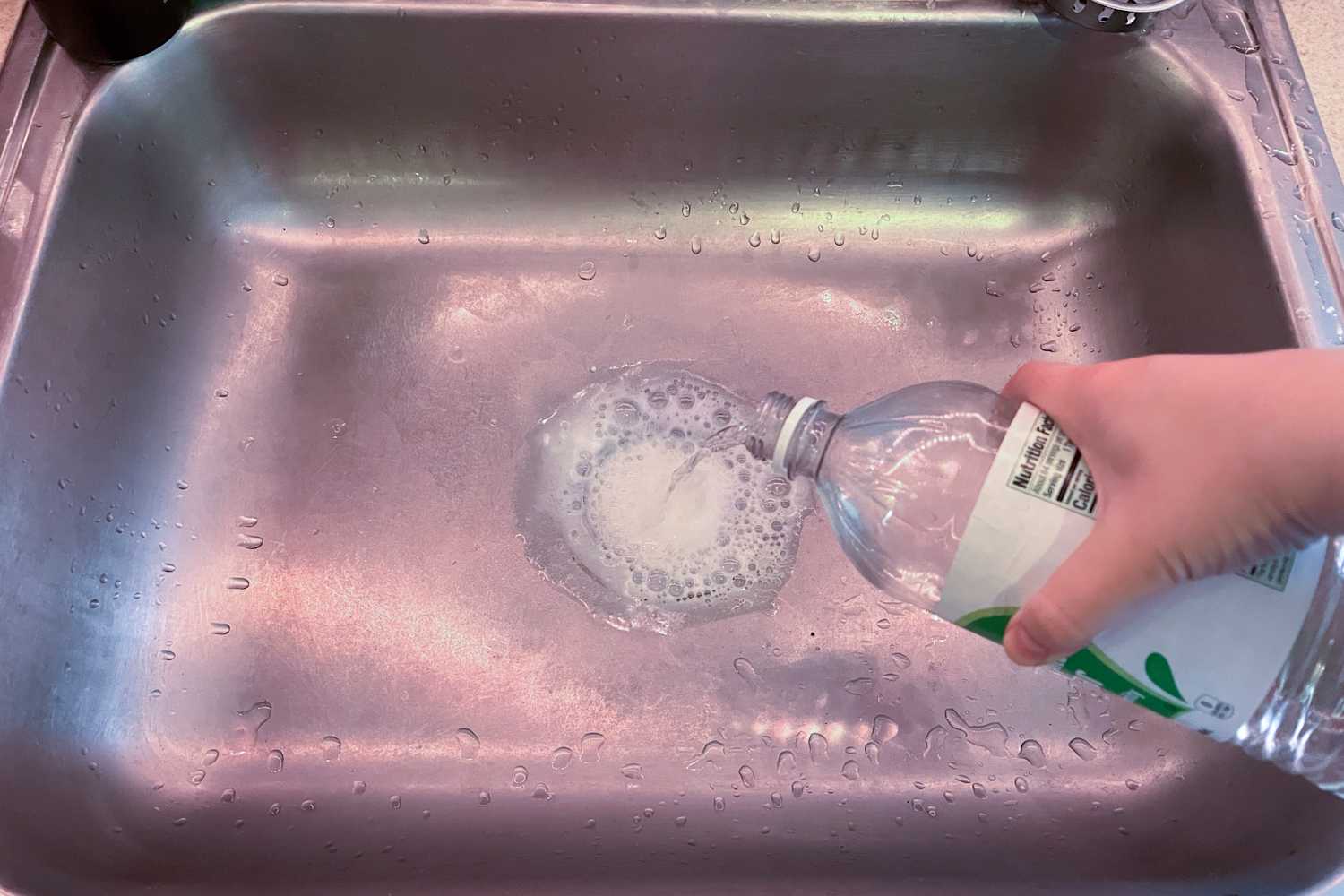
Use baking soda and vinegar monthly to clean the drain naturally. Pour half a cup of baking soda, then half a cup of vinegar. Wait 15 minutes and flush with hot water.
Check the drain and garbage disposal for trapped debris weekly. Remove visible particles by hand or with a brush. This simple step stops clogs before they form.
Credit: www.thekitchn.com
Signs Of A Clogged Sink Drain
Slow draining water and bad smells often signal a clogged kitchen sink. Soap buildup can mix with grease and food, causing blockages. Watch for gurgling sounds or water pooling around the drain.
A clogged kitchen sink can be a real headache, especially when you're in the middle of preparing a meal or cleaning up. But did you know that even something as seemingly harmless as dishwashing liquid soap can contribute to this problem? Understanding the signs of a clogged sink drain can help you take swift action before it turns into a bigger issue.
Slow Drainage
One of the first signs that your kitchen sink drain might be clogged is slow drainage. If you notice that water is taking longer than usual to go down the drain, it's time to pay attention. This could be caused by a buildup of soap residue, food particles, or grease that's narrowing the pipe. Have you ever experienced standing water while washing dishes? This is a clear indicator that the drainage system isn't functioning properly. Addressing this issue early can save you from more extensive plumbing problems down the line.
Unpleasant Odors
Another telltale sign of a clogged sink drain is unpleasant odors emanating from the sink. This often happens when organic matter like food particles get trapped and start decomposing. The smell can become quite strong, making your kitchen an unpleasant place to be. Have you ever walked into the kitchen and been hit by a foul odor? This could be your sink trying to tell you something. Regular cleaning and maintenance can help prevent these odors and keep your kitchen smelling fresh. By recognizing these signs early, you can prevent a minor inconvenience from becoming a major headache. Do you notice any of these symptoms in your kitchen sink? If so, it might be time to take action and clear your drains.
Safe Alternatives To Dish Soap For Cleaning Drains
Using dishwashing liquid soap to clean drains can sometimes cause blockages. Finding safe alternatives helps maintain clear pipes without harsh chemicals. Some options use natural ingredients to break down grease and grime gently. Others come from the store, designed specifically for drain cleaning. These alternatives protect your plumbing and keep your kitchen sink flowing smoothly.
Natural Solutions
Natural solutions use common household items to clear drains safely. They avoid harsh chemicals and reduce damage to pipes.
- Baking soda and vinegar: Mix baking soda with vinegar, pour down the drain, and let it fizz for 15 minutes. Then flush with hot water.
- Salt and hot water: Pour salt followed by boiling water to dissolve grease and debris.
- Lemon juice: Use lemon juice for its natural acid to break down buildup and leave a fresh scent.
- Enzyme cleaners: These use natural bacteria to eat away organic matter slowly and safely.
Commercial Drain Cleaners
Commercial drain cleaners are made to unclog sinks quickly and effectively. Choose products that label themselves as safe for pipes and septic systems.
- Enzyme-based cleaners: Use enzymes to digest grease and food waste without harsh chemicals.
- Non-corrosive formulas: These products work without damaging metal or plastic pipes.
- Grease-cutting liquids: Special liquids dissolve fatty buildup without thickening or clogging the drain.

Credit: www.snopes.com
Frequently Asked Questions
Can Dishwashing Liquid Soap Cause Sink Drain Clogs?
Dishwashing liquid soap alone rarely causes clogs. However, combined with grease and food particles, it may contribute to blockages. Regular cleaning helps prevent buildup and maintains smooth drainage.
How Does Dish Soap Affect Kitchen Sink Drains?
Dish soap breaks down grease and food debris, aiding in cleaning. Excess soap mixed with grease can solidify and slow drainage. Using moderate soap amounts and hot water reduces clog risks.
Is Dish Soap Safe For All Types Of Kitchen Drains?
Yes, dish soap is generally safe for all kitchen drains. It is designed to dissolve grease without harming pipes. Avoid pouring large soap quantities to prevent residue buildup in drains.
What Prevents Dish Soap From Clogging Kitchen Drains?
Using hot water flushes soap and grease residues effectively. Regularly cleaning the drain and avoiding food scraps down the sink also prevent clogs. Moderate soap use ensures smooth drainage.
Conclusion
Dishwashing liquid soap usually does not clog kitchen sinks. It breaks down grease and washes away food bits. Problems happen when too much soap mixes with grease or dirt. Regular cleaning helps keep drains clear and flowing well. Avoid pouring fats or thick grease down the drain.
Small habits protect your pipes from blockages. Using dish soap correctly keeps your sink working fine. Keep drains clean for a smooth kitchen routine. Simple care prevents costly plumbing troubles later.