
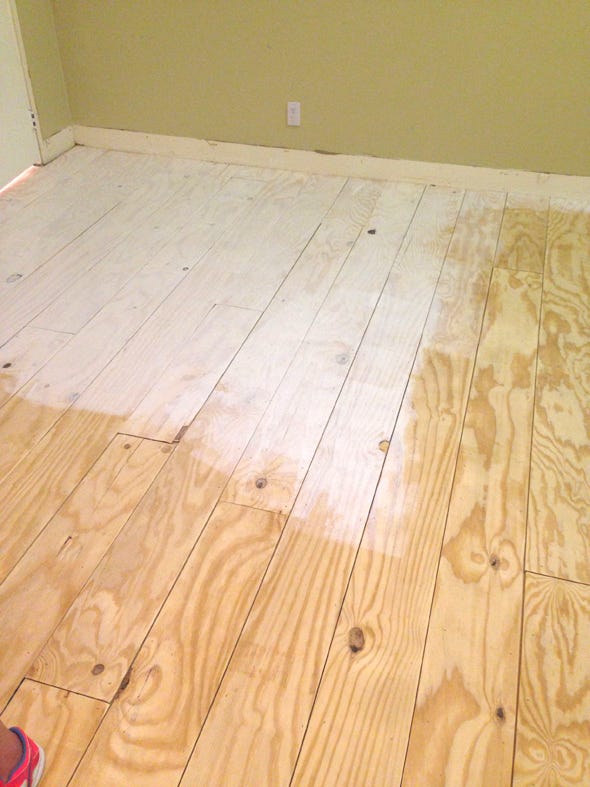
Are you thinking about giving your kitchen floor a fresh new look without spending a fortune? Covering your kitchen floor with plywood planks and paint might sound unusual, but it could be the creative solution you’re looking for.
Before you jump in, it’s important to know if this idea is practical, durable, and safe for your busy kitchen space. You’ll discover everything you need to decide if plywood planks and paint are the right choice for your kitchen floor makeover.
Keep reading to find out the pros, cons, and expert tips that will help you transform your kitchen with confidence.
Benefits Of Plywood Flooring
Plywood flooring offers several benefits that make it an attractive option for your kitchen. It’s not just about aesthetics; plywood planks bring practical advantages that suit various needs and budgets. Whether you’re a DIY enthusiast or looking for a quick update, plywood flooring might be the solution you didn’t consider.
Cost-effectiveness
Plywood is one of the most budget-friendly flooring materials available. Compared to hardwood or tile, plywood costs significantly less, making it a smart choice for kitchen floors without breaking the bank.
You can save even more if you’re willing to do the installation and painting yourself. This way, your kitchen gets a fresh look at a fraction of the price.
Ease Of Installation
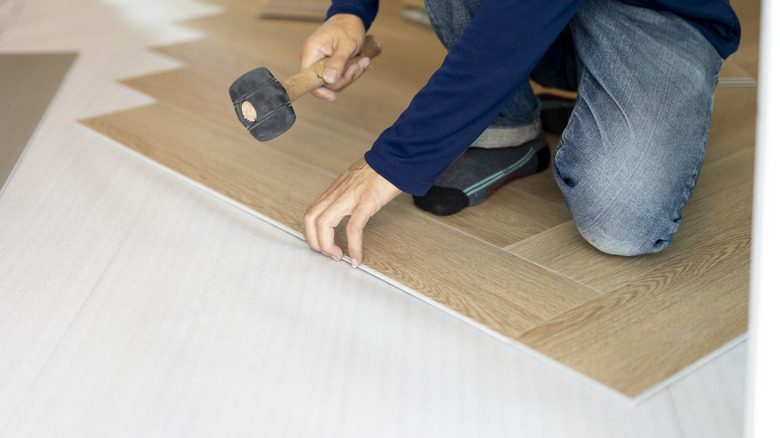
Installing plywood planks is straightforward, especially if you have some basic DIY skills. The planks are lightweight and easy to handle, which speeds up the process.
Unlike other flooring types that require special tools or professional help, plywood can be cut and fitted with simple equipment. Have you considered how much time you could save by choosing a material that’s easy to work with?
Customization Options
Plywood is incredibly versatile when it comes to design. You can paint the planks in any color or pattern to match your kitchen style perfectly.
Want a rustic look or a modern vibe? With plywood, you’re in control. You can even add stencils, textures, or sealants to make the floor uniquely yours and easy to maintain.
Credit: www.chowhound.com
Choosing The Right Plywood
Choosing the right plywood is key for a kitchen floor project. Not all plywood suits floors that get heavy use and spills. The right plywood ensures safety, comfort, and a long-lasting surface. Consider plywood types, thickness, and moisture resistance carefully before buying.
Types Of Plywood For Floors
Not all plywood is fit for flooring. Choose plywood with a smooth, strong surface veneer. Hardwood plywood like birch or maple offers good strength. Exterior-grade plywood has better glue for durability. Avoid softwood plywood; it may dent or warp easily. Flooring-grade plywood is designed to handle foot traffic well.
Thickness And Durability
Floor plywood should be thick enough to avoid bending. A thickness of at least 3/4 inch (18mm) is common. Thicker plywood stands up better to heavy kitchen appliances and foot traffic. It also reduces noise and adds stability. Thin plywood may flex and damage your painted surface.
Moisture Resistance
Kitchen floors face spills and humidity. Moisture-resistant plywood helps prevent warping and mold. Look for plywood labeled as marine or exterior grade for better resistance. Sealing edges and surfaces with paint or sealant boosts protection. Proper moisture resistance extends the life of your floor and paint.
Preparing The Kitchen Floor
Preparing your kitchen floor is key before laying plywood planks and paint. This step ensures the new surface stays strong and looks good for a long time. Proper preparation prevents problems like uneven floors, peeling paint, or water damage.
Start by making the floor clean, smooth, and dry. Each task in this stage helps the plywood and paint stick better and last longer. The goal is a flat, stable base ready for your new floor.
Cleaning And Leveling
Remove all dirt, dust, and grease from the floor. Sweep and mop well to get a clean surface.
Check for bumps or uneven spots. Sand or grind high areas to level the floor. Fill cracks or holes with a floor patch compound. A flat floor helps the plywood planks lie evenly and prevents damage later.
Removing Old Flooring
Strip away any old flooring materials like vinyl, tile, or carpet. Make sure no nails or glue remain. These can stop plywood planks from sitting flat and cause bumps.
Dispose of old materials safely. A clean base is critical for strong plywood attachment.
Addressing Moisture Issues
Check the floor for dampness or water stains. Moisture can ruin plywood and cause paint to peel.
Fix leaks or water problems before starting. Use a moisture barrier or sealant if needed. This step protects your floor and keeps it dry.
Credit: medium.com
Installing Plywood Planks
Installing plywood planks on a kitchen floor offers a budget-friendly way to upgrade your space. Plywood is strong and easy to work with. Proper installation ensures durability and a smooth finish. Follow these key steps to get the job done right.
Measuring And Cutting
Start by measuring the kitchen floor accurately. Use a tape measure to note the length and width. Mark the plywood sheets according to these measurements. Cut the planks with a saw, keeping edges straight. Check each cut plank fits the space perfectly before moving on.
Securing The Planks
Place the plywood planks on the floor, aligning edges tightly. Use screws or nails to fix the planks to the subfloor. Space fasteners evenly, about every 6 to 8 inches. Countersink screws slightly to prevent bumps. Make sure each plank stays flat and stable.
Filling Gaps And Seams
Inspect the floor for gaps between planks. Use wood filler or putty to fill these spaces. Smooth the filler with a putty knife for a level surface. Let it dry fully before sanding lightly. This step prevents moisture from seeping in and improves the final look.
Painting Plywood Floors
Painting plywood planks can brighten a kitchen floor and protect the wood. Proper preparation and the right paint ensure durability and a smooth finish. This option offers an affordable way to update your kitchen’s look.
Painting plywood floors offers a cost-effective way to refresh your kitchen. With the right techniques, you can achieve a beautiful and durable finish. Understanding the process is key to ensuring long-lasting results. Let's explore the essential steps involved in painting plywood floors.
Selecting The Right Paint
Choose paint suitable for floors with high traffic. Latex or acrylic paints work well. Look for a paint that resists scuffs and stains. Consider the color that complements your kitchen decor. Make sure the paint is durable and easy to clean.
Priming The Surface
Priming ensures the paint adheres properly. Use a primer designed for wood surfaces. Apply a thin, even coat and let it dry completely. This step prevents peeling and enhances paint durability.
Applying Paint Coats
Start with a thin first coat of paint. Use a roller for even coverage. Allow the first coat to dry before applying the next. Multiple thin coats are better than one thick layer. This approach ensures an even and smooth finish.
Sealing For Protection
Seal the painted floor to protect it from wear. Use a clear polyurethane sealant for best results. Apply at least two coats, allowing drying time in between. This step enhances durability and provides a glossy finish.
Maintenance Tips
Keeping your painted plywood kitchen floor looking fresh and durable requires some attention. Maintenance isn’t just about cleaning; it’s also about spotting small issues before they become big problems. Here are practical tips to help you care for your floor and keep it in great shape.
Cleaning Painted Plywood Floors
Start with gentle cleaning to avoid wearing down the paint. Use a soft broom or vacuum to remove dust and dirt daily. For mopping, choose a damp mop with mild soap, and avoid soaking the floor with water.
Harsh chemicals can damage the paint, so stick to pH-neutral cleaners. Have you noticed how some cleaners leave a dull film? Test new products on a small hidden spot first to be sure.
Touch-up And Repairs
Paint chips and scratches happen, but fixing them quickly prevents moisture from seeping into the plywood. Keep some leftover paint handy for quick touch-ups. Lightly sand the damaged area before repainting to ensure good adhesion.
If you spot deeper gouges or water damage, replace the affected plank to avoid spreading. Your timely response can save you from costly repairs down the line.
Extending Floor Lifespan
Place rugs or mats in high-traffic areas and near sinks to reduce wear and moisture exposure. Use furniture pads under chairs and tables to prevent scratches. Avoid dragging heavy objects across the floor.
Regularly check the floor for signs of peeling or bubbling paint. Would you rather deal with a quick fix or a full refinishing job? Small efforts now can keep your kitchen floor looking great for years.
Common Challenges
Covering your kitchen floor with plywood planks and paint can be a creative and budget-friendly idea. However, it comes with its own set of challenges that can affect the durability and appearance of your floor. Understanding these common issues helps you prepare better and maintain your floor for the long run.
Dealing With Moisture Damage
Kitchens are prone to spills and humidity, which can cause plywood to warp or swell. If moisture seeps into the wood, it can lead to bubbling or even mold growth. Sealing the plywood properly and using moisture-resistant paints can help protect your floor.
Think about how often water might splash or spill in your kitchen. Would a water-resistant sealant stand up to daily kitchen use? It's worth testing a small, hidden spot before tackling the entire floor.
Preventing Paint Peeling
Paint peeling is a frequent problem when plywood floors aren’t prepped correctly. Dirt, grease, or uneven surfaces prevent paint from sticking well. Sanding the surface thoroughly and cleaning it before painting are crucial steps.
Also, using a primer designed for wood can improve paint adhesion. How confident are you that your surface is clean and smooth enough for the paint to hold? Skipping this step often leads to frustration and extra work.
Handling Wear And Tear
Kitchens see heavy foot traffic, which can wear down painted plywood quickly. Scratches, scuffs, and chips might appear within weeks if the floor isn’t protected. Applying a durable topcoat or polyurethane layer can extend the life of your painted floor.
Consider what type of footwear and furniture movement happens in your kitchen daily. Would your chosen finish stand up to these stresses? Choosing the right protective layer is key to maintaining both look and function.

Credit: www.v4.co.uk
Frequently Asked Questions
Can Plywood Planks Be Used For Kitchen Flooring?
Yes, plywood planks can be used for kitchen flooring. They offer an affordable, customizable base. Proper sealing and finishing protect against moisture and wear.
How Do I Paint Plywood Kitchen Floors?
Clean and sand the plywood surface first. Apply a primer, then use durable floor paint. Finish with a clear sealer for protection and longevity.
Is Painted Plywood Durable For Kitchen Floors?
Painted plywood can be durable if sealed properly. Use high-quality paint and sealants to resist scratches, moisture, and daily kitchen traffic.
What Are The Benefits Of Plywood Flooring In Kitchens?
Plywood is cost-effective, easy to install, and customizable. It allows creative painting designs and can be refreshed with new paint over time.
Conclusion
Covering your kitchen floor with plywood planks and paint can work well. It offers a budget-friendly and creative way to refresh your space. Proper preparation and sealing are important for durability and moisture protection. Choose the right paint to ensure long-lasting results.
This method suits light to moderate kitchen use. Keep in mind, plywood may need extra care compared to other flooring options. Try this idea if you want a simple, stylish update without replacing the entire floor. It’s a practical choice for DIY lovers and those on a tight budget.