

Your kitchen is the heart of your home, where meals are made and memories are shared. But if it’s not clean and sanitized properly, it can become a hotspot for harmful germs that put your health at risk.
Imagine preparing your favorite dish on a surface that’s spotless and safe—wouldn’t that give you peace of mind? You’ll discover simple, effective steps to clean and sanitize your kitchen like a pro. Keep reading to protect your family and make your kitchen a healthier place to cook and enjoy.
Essential Cleaning Supplies
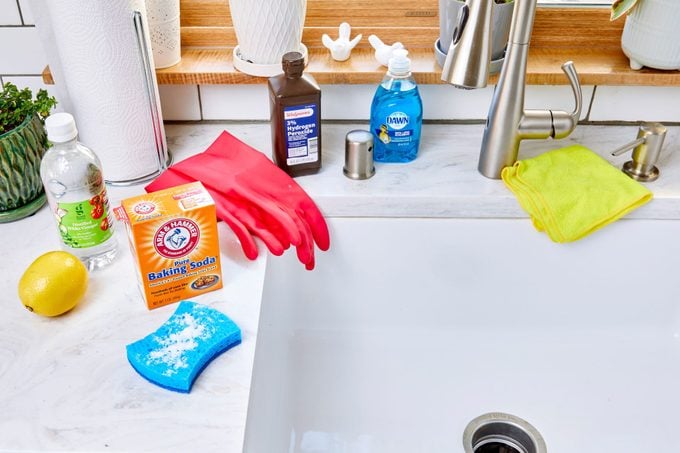
Keeping your kitchen clean and safe needs the right supplies. These supplies help remove dirt, grease, and germs. Choosing good tools and products makes cleaning easier and more effective.
Organizing essential cleaning supplies saves time and effort. Stocking up on these basics prepares you for daily kitchen care.
Must-have Tools
- Sponges and scrub brushes for scrubbing surfaces
- Microfiber cloths for wiping and polishing
- Spray bottles for applying cleaners evenly
- Rubber gloves to protect your hands
- Buckets for mixing cleaning solutions
- Bristle brushes for cleaning grout and corners
- Trash bags to dispose of waste safely
Effective Cleaning Agents
- All-purpose cleaner for general surface cleaning
- Degreaser to cut through tough grease and oil
- Baking soda as a natural scrub and deodorizer
- White vinegar for removing stains and odors
- Dish soap for washing dishes and surfaces
- Glass cleaner to keep windows and screens clear
Sanitizing Products
- Disinfectant sprays to kill germs on surfaces
- Bleach solutions for deep sanitizing tasks
- Alcohol-based sanitizers for quick surface cleaning
- Sanitizing wipes for easy, on-the-go use
- Food-safe sanitizers for cutting boards and utensils
Preparing Your Kitchen For Cleaning
Preparing your kitchen for cleaning sets the stage for a thorough and effective process. It helps make the task easier and faster. A well-prepared kitchen allows you to reach every corner and surface. It also prevents cross-contamination during cleaning and sanitizing.
Start by clearing the space and organizing your tools. This creates a smooth workflow and helps maintain hygiene. Planning your cleaning schedule ensures you stay consistent and cover all areas regularly.
Decluttering Surfaces
Remove all items from countertops and tables. Put away dishes, utensils, and small appliances. Clear the sink and stove area. This step helps you clean surfaces deeply without obstacles. It also makes it easier to spot dirt and grime.
Removing Food Residues
Scrape off leftover food from plates and counters. Wipe crumbs and spills with a damp cloth. Clean sticky spots with warm, soapy water. Removing residues prevents bacteria growth and bad odors. It also prepares surfaces for proper sanitizing later.
Organizing Cleaning Schedule
Create a weekly or monthly cleaning plan. Assign specific tasks to each day or week. Include daily wiping, weekly deep cleaning, and monthly appliance checks. Use a checklist to track progress and stay motivated. A schedule helps keep your kitchen healthy and fresh all the time.
Cleaning Countertops And Surfaces
Cleaning countertops and surfaces is essential for a safe kitchen. These areas collect dirt, food particles, and germs daily. Regular cleaning prevents bacteria growth and keeps your kitchen fresh. Different materials need special care to avoid damage. Learn the best ways to clean and sanitize these important spots.
Choosing The Right Cleaner
Select a cleaner based on your countertop type. Use mild soap and water for most surfaces. Avoid harsh chemicals on natural stone like granite or marble. Look for cleaners labeled safe for your specific material. Use disinfectants to kill germs but check if they are suitable.
Techniques For Different Materials
- Granite and Marble:Use a soft cloth and pH-neutral cleaner.
- Laminates:Clean with warm soapy water and a sponge.
- Stainless Steel:Wipe with a damp cloth and mild detergent. Dry to avoid streaks.
- Wood:Use a damp cloth and gentle cleaner. Avoid soaking wood to prevent warping.
Always wipe surfaces in a circular motion. Rinse with clean water and dry with a soft towel.
Dealing With Stubborn Stains
Apply baking soda paste for tough stains on most surfaces. Let it sit for 10-15 minutes before scrubbing gently. Use a soft brush or cloth to avoid scratching. For grease stains, try vinegar diluted in water. Test any cleaner on a small hidden area first. Repeat if needed but avoid harsh scrubbing to protect the surface.
Credit: foodsafetyworks.com
Sanitizing Kitchen Appliances
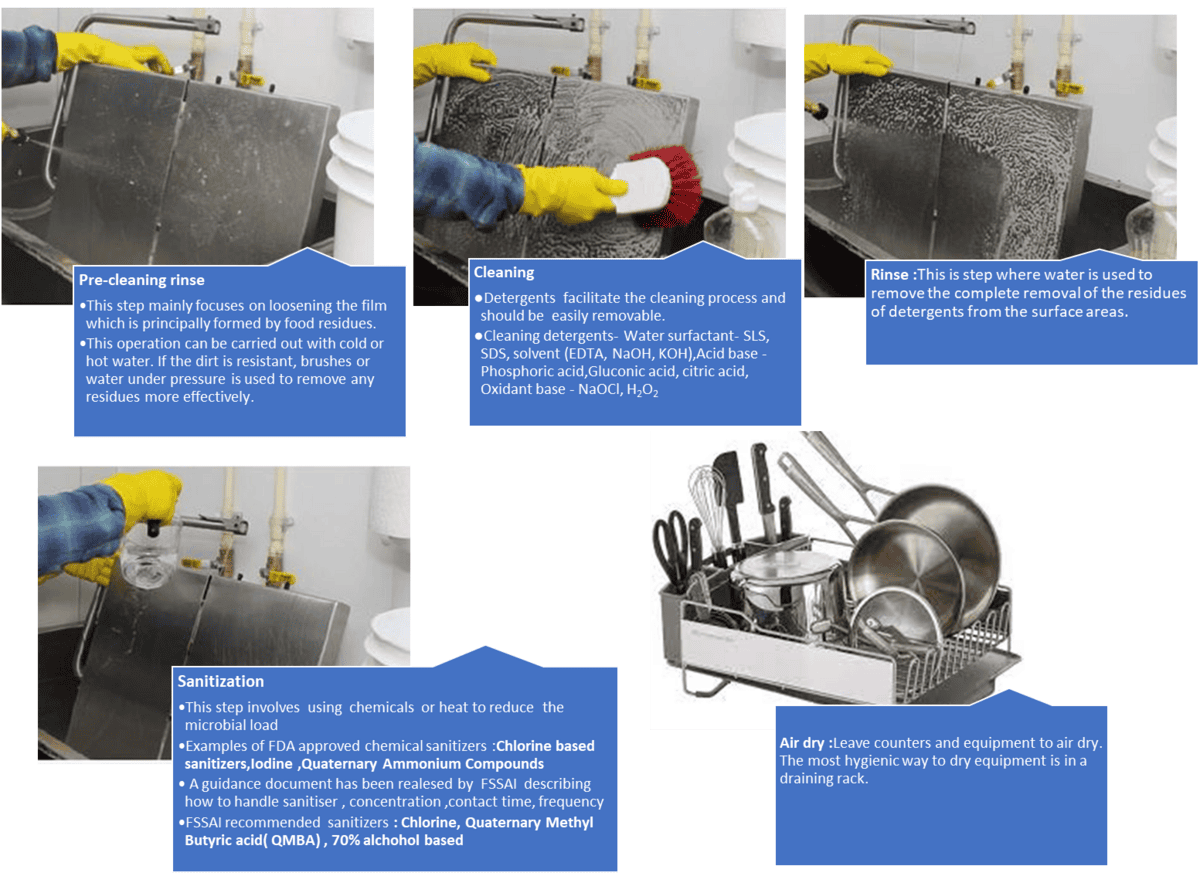
Sanitizing kitchen appliances removes germs and keeps your cooking safe. Use warm soapy water, then wipe with a disinfectant for best results. Regular cleaning prevents buildup and helps appliances work well longer.
Sanitizing kitchen appliances is crucial for a healthy cooking environment. Germs and bacteria can easily spread if appliances are not cleaned regularly. Focus on keeping your kitchen appliances spotless and germ-free.
Cleaning The Refrigerator
The refrigerator harbors unseen bacteria. Start by removing all food items. Toss expired or spoiled food. Use a mild soap solution to wipe down shelves and drawers. Pay special attention to corners and crevices. Rinse with clean water and dry thoroughly. Don't forget the refrigerator door seals. Wipe them with a damp cloth to remove grime.
Sanitizing The Microwave And Oven
Microwaves and ovens accumulate food splatters. Use a bowl of water with lemon slices. Microwave it until steam forms on the walls. Wipe down the interior with a clean cloth. For ovens, make a paste of baking soda and water. Apply it to oven surfaces, let it sit overnight. Wipe it clean with a damp cloth the next day.
Maintaining Small Appliances
Small appliances need regular attention too. For toasters, remove crumbs from the crumb tray. Use a brush to clean hard-to-reach areas. Blenders and mixers can harbor sticky residues. Disassemble parts and wash them with warm soapy water. Wipe the exteriors with a damp cloth. Keep appliance surfaces dry to prevent mold.
Scrubbing Sinks And Faucets
Your kitchen sink and faucets are among the most used surfaces in your home, making them hotspots for dirt, grime, and germs. Regular scrubbing not only keeps them looking fresh but also prevents buildup that can cause damage or odors. Let’s focus on practical ways to make your sinks and faucets sparkle while keeping them safe and hygienic.
Removing Limescale And Grime
Limescale and grime can quickly dull your sink’s finish and clog up faucets. Use a mixture of equal parts white vinegar and water in a spray bottle to tackle these deposits. Spray the solution generously, let it sit for 10-15 minutes, then scrub with a soft brush or sponge to avoid scratching.
For tougher spots, sprinkle baking soda on the surface before spraying vinegar to create a fizzing action that loosens buildup. Have you noticed stubborn rings around your sink? This combo often removes them without harsh chemicals.
Disinfecting The Drain Area
The drain area can harbor bacteria and unpleasant smells if neglected. Pour half a cup of baking soda down the drain, followed by one cup of white vinegar. Let it fizz and work for 10 minutes, then flush with boiling water to clear out debris and kill germs.
Use an old toothbrush dipped in disinfectant to scrub around the drain edges and the stopper. This small step can make a big difference in keeping your kitchen hygienic and odor-free.
Polishing Fixtures
After cleaning, polishing your faucets restores their shine and protects the finish. Use a microfiber cloth with a few drops of olive oil or a specialized metal polish. Buff in circular motions until the surface gleams.
Polishing also helps repel water spots and fingerprints, reducing how often you need to clean. Have you tried this simple trick? It’s a quick way to keep your kitchen looking professionally maintained every day.

Credit: www.bestonlinecabinets.com
Cleaning And Sanitizing Floors
Cleaning and sanitizing kitchen floors keeps your space healthy and safe. Dirt, spills, and germs hide in corners and cracks. Regular floor care removes these hazards and prevents illness. Proper cleaning also protects your floor’s surface and extends its life.
Sweeping And Vacuuming
Start by removing loose dirt and crumbs. Use a broom or vacuum cleaner designed for hard floors. Sweep or vacuum thoroughly, including under appliances and furniture. This step prevents dirt from spreading during mopping. Always empty the vacuum bag or canister after use.
Mopping Techniques
Choose a mop suitable for your floor type. Use warm water mixed with mild detergent. Wring the mop well to avoid excess water on floors. Mop in small sections, rinsing the mop frequently. Change water when it gets dirty to avoid spreading grime. Let floors air dry or dry with a clean cloth.
Using Floor-safe Disinfectants
Select disinfectants safe for your floor material. Follow the product instructions for dilution and contact time. Apply disinfectant evenly, using a mop or spray bottle. Allow the disinfectant to sit for several minutes to kill germs. Rinse the floor if the product requires it. Keep children and pets away until floors dry completely.
Maintaining Clean Cabinets And Drawers
Maintaining clean cabinets and drawers keeps your kitchen fresh and organized. Dirt and grease build up quickly in these areas. Regular cleaning stops stains and damage. It also helps prevent pests and bacteria growth. Clean cabinets and drawers make cooking and cleaning easier. Follow simple steps to keep these spaces spotless and well-arranged.
Wiping Exterior Surfaces
Start by wiping cabinet and drawer fronts. Use a soft cloth and mild cleaner. Avoid harsh chemicals that can damage finishes. Focus on handles and edges where dirt collects. Wipe gently to remove fingerprints and spills. Dry with a clean cloth to prevent streaks. Regular wiping keeps surfaces shiny and fresh.
Cleaning Interior Spaces
Empty cabinets and drawers before cleaning inside. Use a vacuum or brush to remove crumbs and dust. Wipe interiors with a damp cloth and mild soap. Pay attention to corners and shelves. Let surfaces dry completely before replacing items. Clean interiors prevent mold and unpleasant odors.
Organizing For Easy Access
Arrange items neatly inside cabinets and drawers. Group similar items together for quick finding. Use organizers or dividers to save space. Store frequently used items at the front. Label shelves or containers for clear identification. A tidy layout reduces clutter and saves time during cooking.
Credit: www.rd.com
Managing Trash And Recycling
Managing trash and recycling in the kitchen keeps the space clean and safe. Proper handling reduces germs and unpleasant smells. It also helps protect the environment by sorting waste correctly.
Proper Waste Disposal
Sort trash into categories: recyclables, compost, and landfill. Use separate bins for each type. Empty bins regularly to avoid overflow and mess. Keep bins away from food prep areas. Tie up garbage bags tightly before disposal.
Sanitizing Bins
Clean bins at least once a week. Use warm water and soap or a disinfectant spray. Scrub inside and outside with a brush or cloth. Let bins dry completely before putting liners back. This stops bacteria and mold from growing.
Reducing Odors
Sprinkle baking soda at the bottom of bins to absorb smells. Use scented liners or charcoal bags to keep freshness. Rinse food scraps before tossing to reduce rot. Store trash in a cool place to slow odor build-up.
Preventing Future Contamination
Keeping kitchen surfaces clean and dry helps stop germs from spreading. Regularly sanitize tools and counters to protect food safety. Store food properly to avoid cross-contamination and keep the kitchen fresh.
Preventing contamination in the kitchen is essential for health. Germs and bacteria thrive in this environment. By adopting good habits, you can keep your kitchen safe.
Daily Cleaning Habits
Create a routine for daily cleaning. Wipe down counters and tables after each meal. Use warm, soapy water for cleaning surfaces. Don't forget to sanitize cutting boards and utensils. Sweep the floor to remove crumbs and debris. Clean spills immediately to prevent stains and bacteria growth.
Safe Food Handling
Wash hands before and after touching food. Use separate cutting boards for raw meat and vegetables. Store raw meat on the bottom shelf of the fridge. This prevents juices from dripping onto other foods. Keep the refrigerator at the right temperature. Always cook meat to the recommended temperature.
Regular Deep Cleaning Tips
Schedule deep cleaning at least once a month. Clean inside the refrigerator and remove expired food. Wipe down shelves and drawers with a disinfectant. Scrub the oven and stovetop to remove burnt food. Clean behind appliances to remove hidden dirt and dust. Replace sponges and kitchen cloths frequently. They can harbor bacteria if not cleaned regularly.
Frequently Asked Questions
How Often Should I Clean And Sanitize My Kitchen?
You should clean daily and sanitize weekly to maintain hygiene. Regular cleaning removes dirt and food residues. Sanitizing kills harmful bacteria and prevents illness. High-touch areas need extra attention. This routine keeps your kitchen safe and fresh.
What Is The Best Way To Sanitize Kitchen Surfaces?
Use a solution of one tablespoon bleach per gallon of water. Apply it to surfaces after cleaning. Let it air dry for effective disinfection. Avoid mixing bleach with other cleaners. This method kills most germs quickly and safely.
Can I Use Natural Products To Clean My Kitchen?
Yes, vinegar and baking soda are effective natural cleaners. Vinegar cuts grease and disinfects surfaces. Baking soda removes stains and odors gently. These are safe alternatives to harsh chemicals. They keep your kitchen clean and eco-friendly.
How Do I Clean And Sanitize Cutting Boards Properly?
Wash cutting boards with hot, soapy water after each use. Sanitize with diluted bleach or vinegar solution. Rinse thoroughly and air dry completely. Use separate boards for raw meat and vegetables. This prevents cross-contamination and keeps food safe.
Conclusion
Cleaning and sanitizing the kitchen keeps your family safe and healthy. Regularly wipe down surfaces to stop germs from spreading. Use safe cleaners that kill bacteria but do not harm you. Pay close attention to sinks, counters, and cutting boards.
Clean spills right away to avoid sticky messes. Keep your kitchen tools and towels fresh by washing often. A clean kitchen feels good and helps prevent illness. Small daily steps make a big difference over time. Stay consistent, and your kitchen will stay fresh and safe.
Simple habits protect your home and loved ones every day.