
Have you ever wondered why keeping your kitchen clean is more important than just making it look nice? Kitchen sanitation is the secret to protecting your health and the health of everyone you cook for.
When your kitchen is truly clean, harmful germs and bacteria don’t stand a chance. But what exactly does kitchen sanitation mean, and how can you make sure you’re doing it right? You’ll discover simple, effective ways to keep your kitchen safe and sparkling.
Keep reading, because what you learn here could save you from foodborne illnesses and make cooking a more enjoyable experience every day.
Importance Of Kitchen Sanitation
Kitchen sanitation plays a key role in keeping everyone safe and healthy. A clean kitchen stops harmful bacteria and germs from spreading. It makes sure food stays fresh and safe to eat. Good sanitation lowers the risk of food poisoning and illness. Keeping your kitchen clean is a simple step with big benefits.
Health Risks Of Poor Sanitation
Poor kitchen sanitation leads to many health problems. Germs can cause food poisoning, stomach pain, and diarrhea. Some bacteria cause more serious infections. People with weak immune systems face higher risks. Cross-contamination spreads germs quickly between foods. Dirty surfaces and utensils increase the chance of illness.
Common Kitchen Germs
Many germs live in the kitchen if not cleaned properly. Salmonella hides in raw eggs and poultry. E. coli comes from undercooked meat and contaminated vegetables. Listeria grows in unwashed produce and soft cheeses. These germs cause severe sickness. Proper cleaning kills these harmful microorganisms.
Impact On Food Safety
Food safety depends on good kitchen sanitation. Clean counters stop germs from touching food. Washing hands prevents bacteria from spreading. Proper storage keeps food fresh and safe. Regular sanitation reduces the chance of contamination. Safe food protects health and prevents waste.

Credit: alsaedco.com
Key Areas To Sanitize
Keeping your kitchen clean goes beyond just wiping down surfaces. Understanding the key areas that need regular sanitation can make a big difference in preventing foodborne illnesses and maintaining a healthy cooking environment. Let’s look at the most critical spots you should focus on to keep your kitchen safe and hygienic.
Countertops And Surfaces
Countertops are where you prepare food, so they can quickly become a hotspot for bacteria. Always clean them with a suitable disinfectant before and after cooking, especially after handling raw meat or poultry.
Don’t forget less obvious spots like the edges and corners where crumbs and spills often hide. A quick wipe with a microfiber cloth can catch these sneaky areas.
Cutting Boards And Utensils
Cutting boards and utensils come into direct contact with food, so they need extra attention. Use separate boards for raw meat and vegetables to avoid cross-contamination.
After use, wash utensils and boards with hot soapy water and sanitize them regularly. Have you ever noticed how dull your knife gets after frequent washing? Keeping them sharp also reduces the chance of slipping and accidents while cooking.
Sink And Faucets
Your sink and faucets are breeding grounds for germs because of constant moisture. Clean these areas daily using disinfectant sprays or wipes to kill bacteria and mold.
Pay close attention to faucet handles and drain areas, where grime builds up unnoticed. A small brush can help scrub away buildup in hard-to-reach spots.
Appliances And Handles
Appliance surfaces and handles are often touched with dirty hands, passing germs around your kitchen. Wipe down fridge doors, microwave buttons, and oven handles frequently to reduce contamination.
Think about how often you open and close these devices during meal prep—each touch is a chance to spread bacteria. Keeping these areas clean is simple but highly effective in maintaining overall kitchen hygiene.
Effective Cleaning Methods
Effective cleaning methods are the backbone of kitchen sanitation. They ensure your cooking space remains safe from harmful bacteria and contaminants. Understanding how to clean properly can protect your health and improve the quality of your meals.
Choosing The Right Cleaning Agents
Not all cleaning agents are created equal. You need to pick products designed specifically for kitchen use, such as food-safe detergents and degreasers. These remove dirt and grease without leaving harmful residues.
Look for labels that mention antibacterial properties or are approved for food contact surfaces. Avoid harsh chemicals like bleach on surfaces where food is prepared, as they can be toxic if not rinsed properly. Have you checked what’s under your kitchen sink lately?
Proper Use Of Disinfectants
Disinfectants kill germs but only work if used correctly. Apply them on clean surfaces—dirt and grease can block their effectiveness. Let the disinfectant sit for the time recommended on the label before wiping or rinsing.
Using too much or too little can reduce its power. For instance, spraying a disinfectant and wiping immediately won't kill most bacteria. Are you giving your disinfectants enough time to do their job?
Safe Cleaning Practices
Safety matters while cleaning your kitchen. Always wear gloves to protect your skin from chemicals. Keep cleaning products away from children and pets.
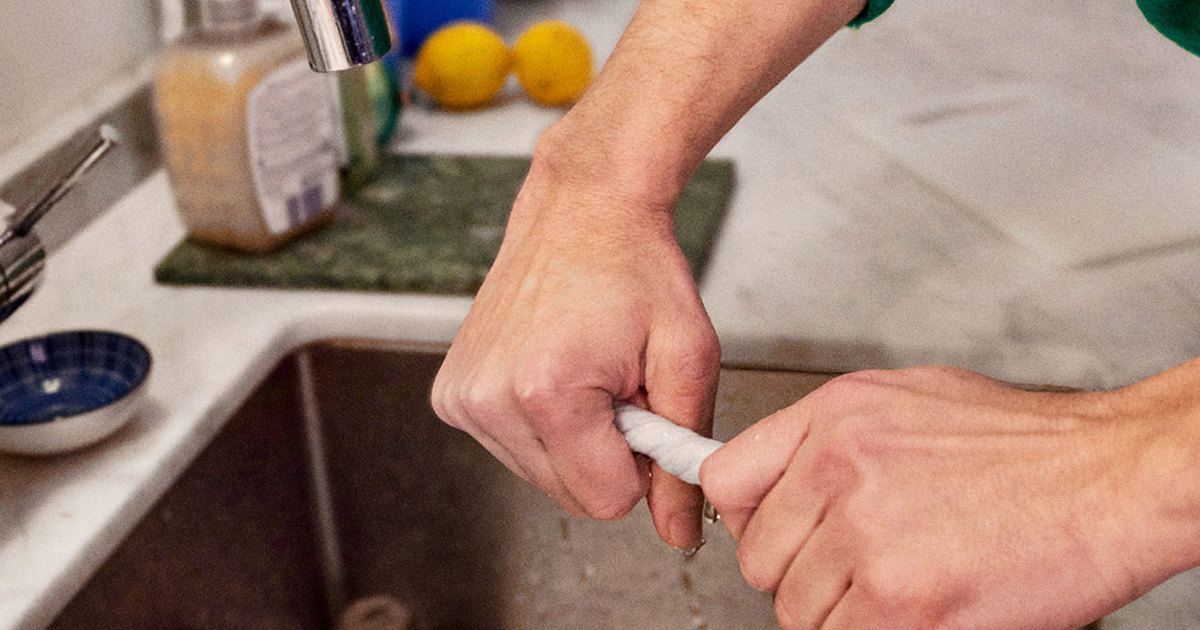
Use separate cloths or sponges for different areas to avoid cross-contamination—like one for dishes and another for the floor. Rinse and dry cleaning tools regularly to keep them hygienic. What’s your routine for keeping cleaning tools fresh?

Credit: www.food-safety.com
Daily Sanitation Habits
Daily sanitation habits in the kitchen are crucial for maintaining a safe and healthy environment. Consistent practices not only keep your kitchen sparkling clean but also protect your family from harmful bacteria and germs. Incorporating simple habits into your daily routine can make a significant difference.
Washing Hands Correctly
Washing your hands correctly is the first line of defense against spreading germs. Use warm water and soap, scrubbing your hands for at least 20 seconds. Don’t forget those often-missed spots like under your nails and between your fingers.
Have you ever counted how many times you touch your face while cooking? Each touch can transfer bacteria. Make it a habit to wash your hands frequently, especially after handling raw meat or using the restroom.
Regular Surface Wiping
Regularly wiping surfaces can prevent the build-up of bacteria and grime. Keep a disinfectant spray and a clean cloth or paper towels handy on the counter. Wipe down counters, cutting boards, and sinks after each use.
Consider this: how often do you clean the handles of your fridge and cabinets? These are high-touch areas that can easily harbor germs. Make sure to include them in your wiping routine.
Proper Food Storage
Proper food storage is essential to keep your food fresh and safe. Store perishable items in the refrigerator or freezer promptly. Use airtight containers to prevent cross-contamination and spoilage.
Have you ever found forgotten leftovers in the back of your fridge? Implement a system where newer items are placed behind older ones. This way, nothing goes to waste and everything remains fresh.
Preventing Cross-contamination
Preventing cross-contamination is a key part of kitchen sanitation that protects you and your loved ones from foodborne illnesses. It involves stopping harmful bacteria from moving between raw and cooked foods, utensils, and surfaces. Simple habits can make a big difference in keeping your kitchen safe.
Separating Raw And Cooked Foods
Always keep raw meats, poultry, and seafood separate from cooked foods. Use different containers or sections of your refrigerator to avoid any juices from raw items dripping onto ready-to-eat meals.
When preparing food, never place cooked food back on a plate that held raw ingredients. This small action can prevent dangerous bacteria from spreading and ruining your meal's safety.
Using Color-coded Tools
Color-coded cutting boards and utensils help you easily remember which tools are for raw foods and which are for cooked items. For example, assign red for raw meat, green for vegetables, and yellow for poultry.
This system reduces mistakes and makes cleaning more straightforward. Have you noticed how much easier it is to avoid mix-ups when everything has its own color?
Safe Handling Techniques
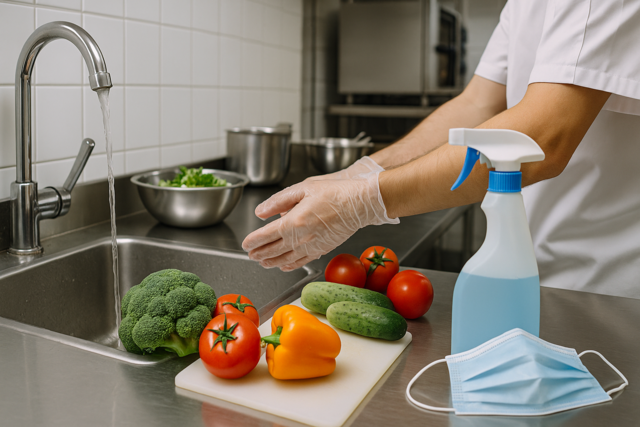
Wash your hands thoroughly before and after handling different foods. Use hot, soapy water to remove germs effectively.
Sanitize surfaces and utensils regularly, especially after contact with raw foods. Avoid touching your face or other kitchen items while handling raw meat to reduce contamination risks.
Credit: www.universalclass.com
Maintaining Kitchen Hygiene Tools
Maintaining kitchen hygiene tools is vital for a clean and safe cooking space. These tools can harbor germs if not cared for properly. Regular cleaning and replacing worn items prevent the spread of bacteria. Proper attention keeps the kitchen environment healthy and fresh.
Cleaning Sponges And Cloths
Sponges and cloths collect food particles and moisture. This makes them a breeding ground for bacteria. Wash cloths daily in hot water. Microwave wet sponges for one minute to kill germs. Replace them often to avoid contamination.
Sanitizing Trash Bins
Trash bins carry waste that attracts bacteria and odors. Clean bins weekly with soap and hot water. Use a disinfectant spray to kill germs. Dry bins thoroughly before use to prevent mold growth. Keep lids closed to reduce smells and pests.
Replacing Worn-out Items
Kitchen tools wear out with use. Cracked cutting boards and frayed cloths can hide bacteria. Inspect tools regularly for damage. Replace any worn-out items immediately. Fresh tools help maintain a hygienic kitchen environment.
Frequently Asked Questions
What Is Kitchen Sanitation And Why Is It Important?
Kitchen sanitation involves cleaning and disinfecting surfaces to prevent foodborne illnesses. It ensures food safety, reduces contamination risks, and maintains a healthy cooking environment.
How Often Should Kitchen Sanitation Be Performed?
Kitchen sanitation should be done daily, especially after food preparation. Regular cleaning keeps germs and bacteria at bay, ensuring a safe space for cooking and food storage.
What Are The Key Steps In Kitchen Sanitation?
Key steps include cleaning surfaces, washing utensils, disinfecting cutting boards, and proper waste disposal. These actions minimize bacteria growth and keep the kitchen hygienic.
Which Cleaning Agents Are Best For Kitchen Sanitation?
Use food-safe disinfectants like bleach solutions, vinegar, or commercial sanitizers. They effectively kill germs without leaving harmful residues on surfaces.
Conclusion
Keeping your kitchen clean helps stop germs and sickness. Clean counters, tools, and hands make food safe. Regular cleaning also keeps pests away. A tidy kitchen feels better and works well. Small steps each day protect your health. Everyone in the home should join in.
Safe food starts with good kitchen habits. Simple actions make a big difference. Stay safe, stay healthy with kitchen sanitation.