
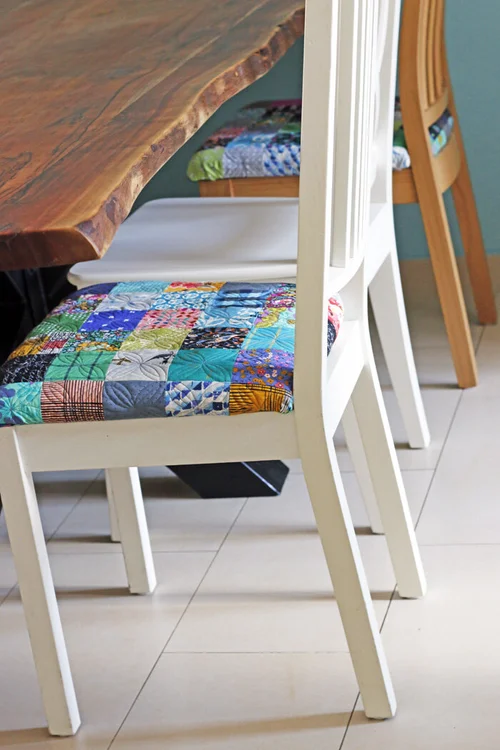
Is your kitchen chair cushion looking worn out or stained? You don’t have to buy a new one or replace your entire chair to refresh your space.
Covering your kitchen chair cushion is an easy and affordable way to give your chairs a fresh, stylish look. In this guide, you’ll discover simple steps to transform your cushions using materials you probably already have at home. By the end, you’ll feel confident to tackle this quick makeover that can brighten up your kitchen instantly.
Ready to bring new life to your chairs? Let’s get started!

Credit: www.youtube.com
Choosing The Right Fabric
Choosing the right fabric is key to a successful kitchen chair cushion cover. The fabric must be durable, comfortable, and easy to clean. It should match your kitchen style and last through daily use. Selecting the perfect material ensures your chair looks fresh and inviting for a long time.
Types Of Suitable Fabrics
Pick fabrics that resist stains and wear well. Cotton blends offer comfort and durability. Polyester is strong and easy to clean. Canvas provides a sturdy option with a casual look. Vinyl is water-resistant and simple to wipe down. Avoid delicate fabrics that stain or tear easily.
Measuring Your Cushion
Measure the width, length, and thickness of your cushion carefully. Add a few extra inches for seams and tucking. Note if the cushion has rounded corners or unusual shapes. Accurate measurements prevent fabric waste and fit issues. Use a flexible tape measure for best results.
Fabric Patterns And Colors
Choose patterns that hide stains and spills well. Small prints or textured fabrics mask dirt better than plain colors. Bright colors can brighten a dull kitchen space. Neutral tones blend easily with various decor styles. Think about your kitchen’s color scheme before selecting fabric.

Credit: www.mysocalledcraftylife.com
Gathering Materials And Tools
Before you dive into covering your kitchen chair cushions, gathering the right materials and tools is crucial. Having everything prepared saves you time and spares you from frustrating trips to the store. Plus, it ensures your project will look professional and last longer.
Essential Sewing Supplies
- Fabric:Choose a durable, washable fabric that matches your kitchen decor. Cotton canvas or upholstery fabric works great.
- Thread:Use strong polyester or cotton thread in a color that blends well with your fabric.
- Scissors:Sharp fabric scissors are a must for clean cuts.
- Measuring Tape:Accurate measurements help you cut fabric to the right size.
- Pins or Clips:These hold fabric pieces together while you sew.
- Needles:Hand-sewing needles or machine needles suitable for your fabric thickness.
- Elastic or Velcro (optional):For securing the cushion cover tightly around the cushion.
Optional Tools For Easier Work
- Sewing Machine:Speeds up sewing and provides even stitches, but hand sewing can work too.
- Seam Ripper:Handy for fixing mistakes without damaging fabric.
- Fabric Marker or Chalk:Makes marking cutting lines and seam allowances simple and precise.
- Iron and Ironing Board:Pressing fabric before and after sewing gives a polished look.
- Rotary Cutter and Cutting Mat:Useful for straight, clean cuts, especially on large fabric pieces.
Have you ever started a project only to realize you’re missing a key tool halfway through? Preparing your materials upfront not only prevents that but also makes the process more enjoyable. What’s one tool you think you couldn’t live without when sewing?
Removing The Old Cover
Removing the old cover from your kitchen chair cushion is a key step before refreshing it with new fabric. This process lets you inspect the cushion for any damage and ensures a smooth surface for the new cover. Taking your time here helps you avoid tearing the cushion or damaging the frame, setting you up for a successful reupholstery project.
Detaching The Cushion
Start by turning the chair upside down or on its side to get easy access to the cushion. Look for screws, clips, or staples holding the cushion to the chair frame. You might need a screwdriver or pliers—having these tools ready makes the job easier.
Gently remove the screws or unclip the cushion. If staples hold it, use a flathead screwdriver or staple remover to pull them out carefully. Patience is crucial here; forcing anything can break the frame or damage the cushion.
Taking Off The Existing Fabric
Once the cushion is free, examine how the fabric is attached. Staples usually secure the fabric to the back of the cushion. Use your staple remover or pliers to pull out each staple, working slowly to avoid ripping the fabric underneath.
As you remove the fabric, keep an eye on how it was attached—this will help you when you add the new cover. If the fabric is glued or sewn, you might need scissors or a seam ripper. Have you noticed any tricky spots that require extra care? Tackling these patiently prevents damaging the cushion foam or padding.
Cutting The New Fabric
Measure the cushion carefully before cutting the new fabric to ensure a perfect fit. Leave extra fabric around the edges for stapling or sewing. Cutting with sharp scissors helps achieve clean, straight lines for a neat finish.
Cutting the new fabric for your kitchen chair cushion is a crucial step. It demands attention to detail and precise execution. This process ensures a snug fit, enhancing the chair's appearance. Let’s delve into the steps of cutting fabric correctly.
Creating A Pattern Template
Start by making a pattern template. Use the old cushion cover as a guide. If that's not possible, measure the cushion's dimensions. Add extra inches for seams and any desired overhang. This template will guide your fabric cutting.
Cutting With Precision
Lay the fabric flat on a large surface. Place the template on top, securing it with pins or weights. Use a sharp fabric scissor for clean cuts. Cut along the edges of the template carefully. Ensure there are no frayed edges for a neat finish.
Sewing The Cushion Cover
Sewing the cushion cover is the heart of transforming your kitchen chair. It allows you to customize the look and feel while ensuring a perfect fit. Whether you’re new to sewing or have some experience, mastering a few basic techniques will make the process smoother and more enjoyable.
Basic Stitching Techniques
Start with a simple straight stitch for most seams. It’s strong and easy to control, giving your cover a clean finish. Remember to backstitch at the beginning and end to secure the thread and prevent unraveling.
For areas that need extra flexibility, try a zigzag stitch. This helps the fabric stretch slightly without breaking the thread. It’s especially useful if your cushion cover will be removed and washed frequently.
Don’t forget to press your seams open with an iron after sewing. This small step flattens the fabric, making the cover look professionally made. Have you tried stitching on scrap fabric first? It’s a great way to check tension and stitch length before working on your actual cushion.
Using A Sewing Machine Vs. Hand Sewing
A sewing machine speeds up the process and provides consistent stitches, perfect if you’re covering multiple cushions. It handles thick layers better, such as when sewing through padding or multiple fabric layers. If you have access to one, it’s worth using to save time and effort.
Hand sewing offers precision and control, especially for finishing touches like closing the last seam or sewing in tricky spots. It also lets you work quietly and without bulky equipment. Plus, hand stitching can be quite relaxing once you get the rhythm going.
- Sewing Machine:Faster, stronger seams, ideal for larger projects.
- Hand Sewing:Precise, portable, great for small details or repairs.
Think about your comfort level and available tools. Would you prefer the speed of a machine or the control of hand sewing? Both methods can deliver excellent results if you take your time and sew carefully.
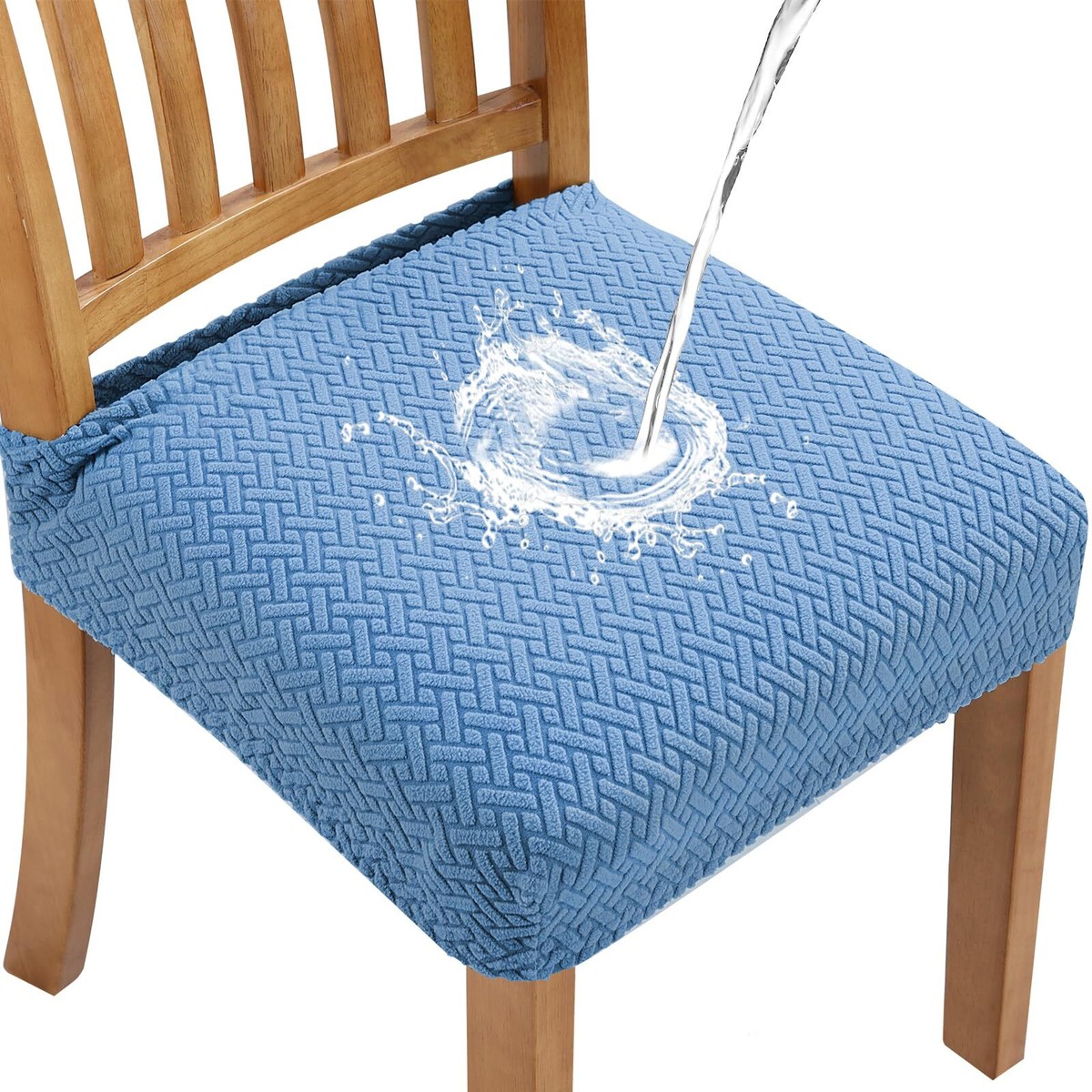
Credit: www.ebay.com
Fitting The Cover On The Cushion
Fitting the cover on your kitchen chair cushion is a key step that ensures your hard work looks neat and lasts longer. It’s not just about slipping fabric over the cushion; it’s about making sure it stays in place and looks smooth. Let’s dive into how you can secure the fabric perfectly and add the right fasteners or ties.
Securing The Fabric
Start by laying your fabric flat and placing the cushion on top. Pull the fabric tightly around the edges to avoid wrinkles and loose spots. You want the cover to fit snugly, like a second skin for the cushion.
Check all sides carefully. If the fabric is too loose, it will shift or bunch up when you sit. Too tight, and it might tear or look strained. Adjust the tension gradually, smoothing out any creases as you go.
Have you ever tried covering a cushion only to find the fabric slipping off? That usually means the fabric isn’t secured well enough underneath. This is where a few tricks come in handy to keep your cover in place.
Adding Fasteners Or Ties
Fasteners and ties make a huge difference in keeping your cushion cover stable and looking tidy. You can use staples, Velcro strips, or even sew on ties depending on the cushion’s design and your tools.
- Staples:Use a staple gun to attach the fabric to the underside of the cushion. This works best if your cushion has a wooden base. Be careful not to staple too close to the edges.
- Velcro:Attach Velcro strips to both the fabric and cushion surface. This allows you to remove the cover for washing easily, a great option for kitchen chairs.
- Ties:Sew fabric ties onto the cover corners. These can be tied around the chair frame to hold the cover firmly in place without damaging your cushion.
Which fastener you choose depends on how often you want to remove the cover and how secure you want it to be. Have you thought about how often you’ll wash your cover? That can help you decide between permanent staples or removable Velcro.
Maintaining Your New Cover
Maintaining your new kitchen chair cushion cover is key to keeping your seating fresh and inviting. A well-cared-for cover not only looks great but also lasts longer, saving you money and effort. Small actions in your daily routine can make a big difference in preserving the fabric’s texture and color.
Cleaning Tips
Check the care label before you clean your new cover. Different fabrics need different treatments, so knowing if your cover is machine washable or requires hand washing is crucial.
For machine washable covers, use a gentle cycle with cold water to avoid shrinking or fading. Avoid harsh detergents; instead, choose mild soaps that protect fabric fibers.
Spot clean stains immediately with a damp cloth and mild soap. Did you know that waiting too long can make stains harder to remove? Acting fast can save your cushion from permanent marks.
- Avoid bleach or strong chemicals that can weaken the fabric.
- Air dry covers instead of using a dryer to prevent damage or shrinkage.
- Brush off crumbs or dust regularly to keep the fabric looking neat.
Repair And Replacement Advice
Small tears or loose threads can be fixed easily at home. Sewing up minor damage right away prevents it from getting worse.
If you notice the cushion losing its shape or padding, consider replacing the foam inside rather than the entire cushion. This saves money and extends the life of your cover.
How often do you inspect your chair covers for wear and tear? Regular checks help you catch problems early and avoid costly replacements later.
- Keep a small sewing kit handy for quick fixes.
- Use fabric glue for minor rips if sewing isn’t an option.
- Replace worn-out covers with new ones that match your kitchen decor to refresh the space.
Frequently Asked Questions
How Do I Remove Old Fabric From A Kitchen Chair Cushion?
Carefully detach the cushion from the chair first. Use a staple remover or screwdriver to pull out staples or tacks. Remove old fabric slowly to avoid tearing or damaging the cushion. Clean the cushion before applying new fabric for best results.
What Materials Do I Need To Cover A Kitchen Chair Cushion?
You will need fabric, scissors, a staple gun, and a screwdriver or staple remover. Optional items include foam padding, a measuring tape, and spray adhesive. Choose durable, easy-to-clean fabric suitable for kitchen use.
How Do I Measure Fabric For A Kitchen Chair Cushion?
Measure the length, width, and thickness of the cushion. Add 3-4 inches to each side to allow for wrapping and stapling. This ensures full coverage and a neat finish without running short on fabric.
Can I Use Foam Padding To Improve Chair Cushion Comfort?
Yes, adding foam padding enhances comfort and support. Choose high-density foam for durability. Cut the foam to fit the cushion size before covering with fabric. Secure the foam with spray adhesive to prevent shifting.
Conclusion
Covering a kitchen chair cushion can freshen up your space quickly. Choosing the right fabric and measuring carefully makes a big difference. Simple tools and clear steps help you finish the task easily. This small project saves money and adds a personal touch.
Try it yourself and enjoy a cozy, updated kitchen look.