
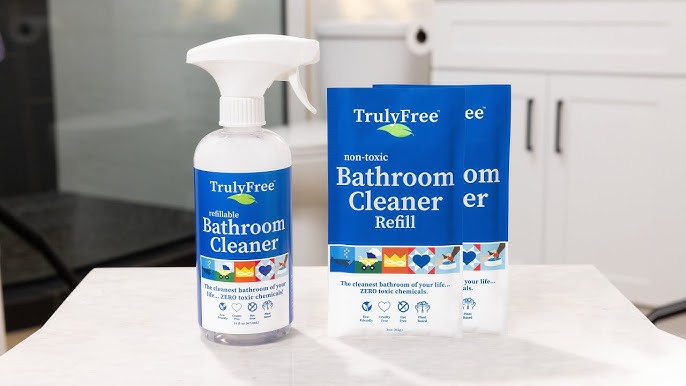
Have you ever wondered if the bathroom cleaner under your sink can also be used to clean your kitchen? You’re not alone.
Many people ask this question because using the wrong cleaner might harm your surfaces or even affect your family’s health. Before you grab that bottle and start scrubbing, it’s important to know what works and what doesn’t. You’ll discover the truth about using bathroom cleaner in your kitchen, so you can keep your home safe and sparkling clean.
Keep reading to find out what you need to know!
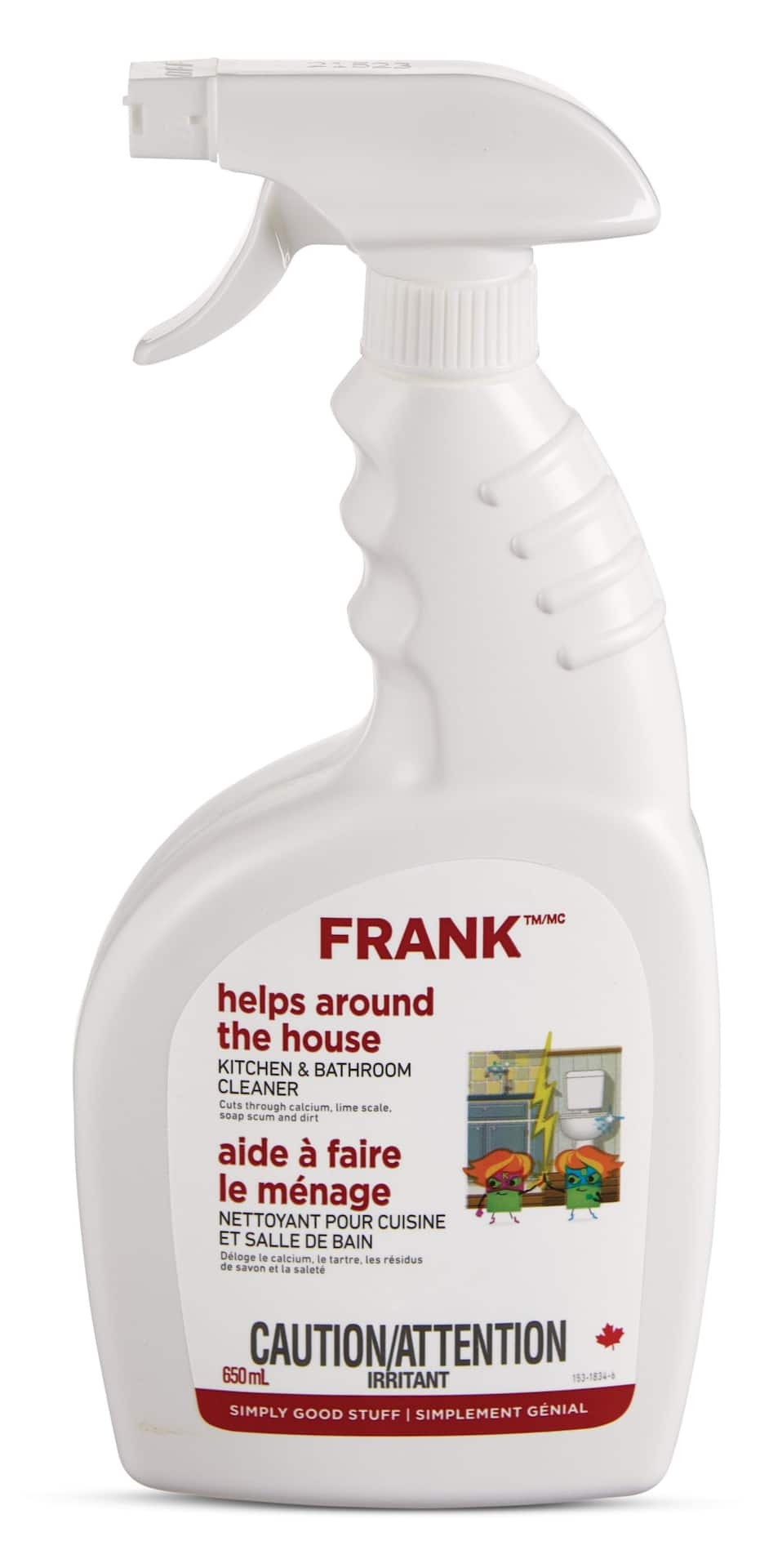
Credit: www.canadiantire.ca
Bathroom Cleaner Ingredients
Bathroom cleaners contain specific ingredients designed to tackle soap scum, mold, and hard water stains. These chemicals work well on bathroom surfaces but may not be safe for kitchen use. Understanding the common ingredients helps decide if bathroom cleaners can be used in the kitchen.
Common Chemicals In Bathroom Cleaners
- Bleach – Kills germs and removes tough stains.
- Ammonia – Cuts through grease and grime quickly.
- Acids (like hydrochloric or phosphoric acid) – Break down mineral deposits and rust.
- Surfactants – Help lift dirt and oils from surfaces.
- Fragrances – Mask strong chemical smells.
Potential Risks Of Bathroom Cleaner Ingredients In The Kitchen
Some ingredients can leave harmful residues on kitchen surfaces. Bleach and strong acids may contaminate food preparation areas. Ammonia fumes can irritate eyes and lungs. Fragrances might trigger allergies or sensitivity. Using these cleaners in kitchens requires caution.
Safer Alternatives For Kitchen Cleaning
- Mild dish soap – Gentle and effective for grease.
- Baking soda – Natural scrubber and deodorizer.
- Vinegar – Cuts through grease and kills some bacteria.
- Commercial kitchen cleaners – Formulated for food-safe surfaces.
:max_bytes(150000):strip_icc()/SPR-how-pro-cleaners-clean-a-sink-11781060-recirc-d43f366f6fda4e2aa23983aa321c6efa.jpg)
Credit: www.thespruce.com
Kitchen Surfaces And Materials
Kitchen surfaces come in many types and materials. Each needs proper care. Using the wrong cleaner can cause damage or leave harmful residues. Bathroom cleaners often contain strong chemicals. These may not suit kitchen materials. Understanding your kitchen surfaces helps keep them safe and clean.
Countertops
Kitchen countertops can be granite, marble, laminate, or quartz. Granite and marble are natural stones. They need gentle, pH-neutral cleaners. Acidic or harsh bathroom cleaners can etch or dull these stones.
Laminate countertops resist stains but can scratch easily. Bathroom cleaners with abrasives may damage laminate surfaces. Quartz is durable but can discolor with strong chemicals.
Cabinets
Kitchen cabinets come in wood, MDF, or laminate finishes. Wood cabinets need mild cleaners to avoid stripping the finish. Bathroom cleaners often contain bleach or acids that harm wood.
MDF and laminate cabinets also react badly to harsh chemicals. These cleaners can cause peeling or discoloration.
Sink And Faucets
Sinks and faucets are usually stainless steel, porcelain, or chrome. Stainless steel can handle stronger cleaners but avoid bleach. Porcelain can chip or stain from abrasive cleaners.
Chrome finishes dull or corrode with harsh bathroom cleaners. Use mild dish soap or kitchen-specific cleaners for these surfaces.
Floors
Kitchen floors may be tile, vinyl, or hardwood. Tile floors handle stronger cleaners but grout needs gentle care. Vinyl floors can warp or discolor from harsh chemicals.
Hardwood floors require special cleaners. Bathroom cleaners can strip the protective finish and dry the wood.
Potential Health Risks
Using bathroom cleaner in your kitchen might seem like a quick fix, but it can come with serious health risks. Bathroom cleaners often contain strong chemicals designed to tackle tough grime and bacteria found in restrooms. These chemicals may not be safe for surfaces where you prepare food, potentially exposing you and your family to harmful substances.
Harsh Chemicals And Their Effects
Bathroom cleaners frequently include bleach, ammonia, and other strong agents. These substances can leave behind residues that are toxic if ingested or inhaled. Imagine accidentally touching a kitchen countertop after cleaning it with a bathroom cleaner and then preparing food—this could transfer harmful chemicals to your meals.
Risk Of Cross-contamination
Using bathroom cleaners in the kitchen increases the risk of cross-contamination. The bacteria and germs from bathroom surfaces can cling to cleaning tools and then spread to your kitchen. This means your kitchen might not be as clean as you think, putting your health at risk.
Respiratory And Skin Irritations
Strong bathroom cleaners often produce fumes that irritate your eyes, skin, and lungs. If you use these products in the kitchen, poor ventilation can worsen these effects. Have you ever noticed coughing or a burning sensation after cleaning? That might be from the chemicals you’re using.
Safer Alternatives To Consider
- Use kitchen-specific cleaners that are food-safe and designed for food prep areas.
- Choose natural options like vinegar and baking soda to clean countertops.
- Always read labels to ensure the product is safe for kitchen use.
Have you checked the labels on your cleaning products recently? Understanding what you’re using can protect your family’s health and keep your kitchen truly clean.
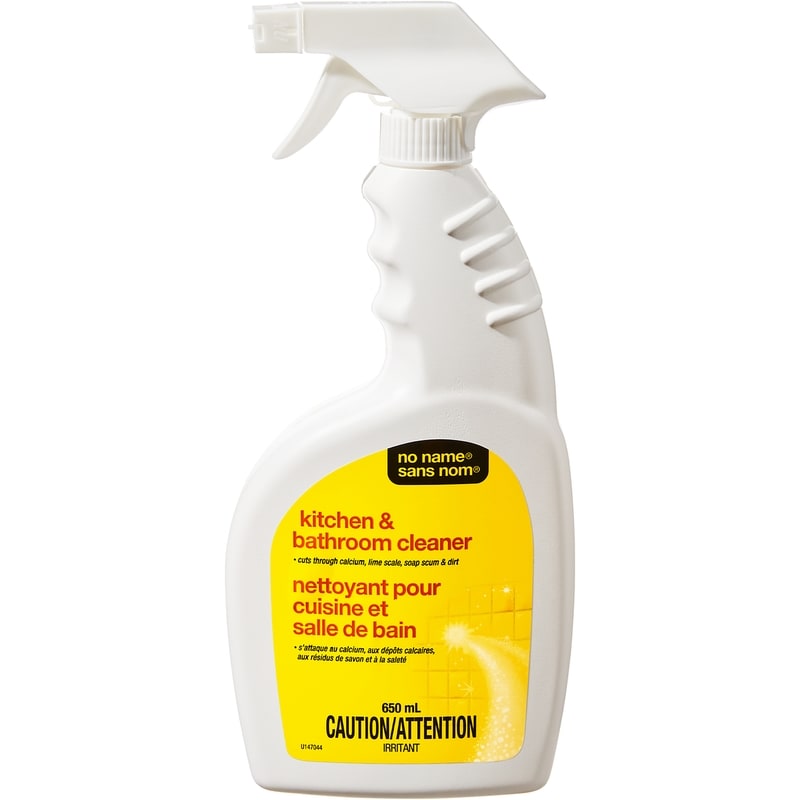
Credit: www.atlanticsuperstore.ca
Cross-contamination Concerns
Using bathroom cleaner in the kitchen raises cross-contamination concerns. Many overlook the ingredients used in these cleaners. They often contain harsh chemicals. These chemicals can linger on surfaces. This poses risks to food safety and health.
Understanding Chemical Residues
Bathroom cleaners contain strong chemicals like bleach. These can leave residues on kitchen surfaces. Residues may transfer to food. This can lead to ingestion of harmful substances. Even if surfaces seem clean, residues might remain.
Health Risks Of Chemical Exposure
Ingesting chemical residues can cause health issues. These include stomach irritation and allergic reactions. Prolonged exposure can lead to more serious problems. Children and pets are especially vulnerable. Their bodies react more sensitively to chemicals.
Safe Practices For Kitchen Cleaning
Choose cleaners specifically designed for kitchens. These are formulated to be food-safe. Always read labels to ensure safe use. Rinse surfaces well after cleaning. This reduces the risk of chemical residue. Opt for natural or mild cleaners when possible.
Preventing Cross-contamination
Keep separate cleaning supplies for bathroom and kitchen. This minimizes the risk of cross-contamination. Store bathroom cleaners away from kitchen areas. Label cleaning bottles clearly to avoid mix-ups. Regularly wash cleaning cloths and sponges.
Safe Cleaning Alternatives
Choosing safe cleaning alternatives for your kitchen is essential to protect your health and maintain a hygienic environment. Kitchen surfaces come into contact with food, so using harsh bathroom cleaners can leave harmful residues. Instead, opting for gentle yet effective options keeps your space clean without risking contamination.
Natural Ingredients You Can Use
Many natural substances do a great job in the kitchen. Vinegar, baking soda, and lemon are popular choices. These ingredients cut through grease and grime safely without harsh chemicals.
For example, a mix of vinegar and water works wonders on countertops and glass surfaces. Baking soda can be sprinkled on tough stains before scrubbing. Lemon juice not only cleans but also leaves a fresh scent behind.
Commercial Kitchen Cleaners That Are Safe
You don’t have to rely solely on homemade solutions. There are many commercial cleaners designed specifically for kitchen use. These products are formulated to be tough on kitchen messes yet safe around food.
Look for labels that say “food-safe” or “non-toxic.” These cleaners often avoid bleach and ammonia, which can be harmful if ingested. Choosing these options gives you peace of mind while cleaning.
How To Avoid Cross-contamination
Using the right cleaner is just one part of safe kitchen hygiene. It’s also important to avoid cross-contamination during cleaning. Always use separate cloths or sponges for the kitchen and bathroom.
Designate cleaning tools to specific areas to prevent germs from spreading. You might be surprised how often one cloth is used for multiple surfaces, which can transfer bacteria. Keeping tools separate protects your family’s health.
Proper Cleaning Practices
Proper cleaning practices keep your home safe and healthy. Using the right cleaner for each area prevents bacteria spread. Bathrooms and kitchens have different germs and surfaces. Choosing suitable cleaning products protects your family and surfaces.
Understanding which cleaners to use and how to apply them helps maintain hygiene. Some bathroom cleaners contain harsh chemicals not safe for kitchen use. Kitchen areas need gentle, food-safe products to avoid contamination.
Understanding Surface Types
Different surfaces need different cleaning care. Bathroom tiles and kitchen countertops require unique products. Avoid using strong bathroom cleaners on delicate kitchen surfaces. Harsh chemicals can damage or discolor kitchen materials.
Choosing Safe Cleaners For Kitchen
- Pick cleaners labeled safe for kitchen use.
- Use food-safe, non-toxic products.
- Opt for mild detergents or vinegar solutions.
- Check ingredients to avoid bleach or ammonia in kitchens.
Proper Application And Rinsing
Apply cleaners carefully to avoid residue. Rinse kitchen surfaces well after cleaning. Leftover chemicals can mix with food and cause harm. Use clean cloths or sponges for wiping.
Preventing Cross-contamination
- Use separate cloths for bathroom and kitchen.
- Wash cleaning tools regularly.
- Store bathroom cleaners away from kitchen products.
- Never transfer cleaning liquids between rooms.
When To Avoid Bathroom Cleaners In Kitchen
Bathroom cleaners often contain strong chemicals designed for tough bathroom grime. Using them in the kitchen can cause problems. Some kitchen surfaces and food areas react badly to these cleaners. Knowing when to avoid bathroom cleaners in the kitchen helps keep your home safe and clean.
On Food Preparation Surfaces
Bathroom cleaners may leave harmful residues on kitchen counters. These residues can contaminate food and cause health risks. Avoid using bathroom cleaners on cutting boards, countertops, and tables. Use kitchen-safe cleaners instead.
On Porous Or Delicate Materials
Bathroom cleaners can damage materials like wood, laminate, or natural stone. These surfaces absorb chemicals and may discolor or weaken. Avoid bathroom cleaners on kitchen cabinets and wooden furniture. Choose gentle cleaners made for these surfaces.
Near Food Storage Areas
Cleaning near refrigerators, pantries, or food containers requires caution. Strong bathroom cleaners can leave fumes or residues that affect stored food. Avoid using them close to food storage spots to keep food safe and fresh.
On Cookware And Utensils
Never use bathroom cleaners on pots, pans, or utensils. These products are not designed for items that touch food directly. Use dish soap or specialized cleaners for kitchenware to avoid chemical contamination.
Eco-friendly Kitchen Cleaning Tips
Keeping your kitchen clean and safe is important. Using eco-friendly products helps protect your health and the environment. These tips show simple ways to clean your kitchen green. They avoid harsh chemicals and keep your space fresh and safe.
Use Natural Ingredients For Cleaning
Many natural items work well in the kitchen. Baking soda removes stains and odors. Vinegar cuts grease and disinfects surfaces. Lemon juice brightens and adds a fresh scent. These ingredients are cheap and easy to find.
Choose Biodegradable Cleaning Products
Pick cleaning supplies that break down naturally. Biodegradable products reduce pollution in water and soil. Read labels to ensure no harmful chemicals are included. These products keep your kitchen clean and earth-friendly.
Make Your Own Cleaning Solutions
Mix simple ingredients at home for safe cleaners. A solution of water, vinegar, and a few drops of essential oil works well. It cleans and smells good without toxins. This method cuts waste from packaging and plastic.
Use Reusable Cleaning Tools
Switch to washable cloths and sponges. Reusable tools last longer and reduce trash. Choose materials like cotton or microfiber for better cleaning. Avoid single-use wipes that add to landfill waste.
Practice Regular Cleaning To Avoid Build-up
Clean your kitchen often to prevent dirt and germs. Regular cleaning means less need for strong chemicals. It keeps your space hygienic and pleasant every day. Small daily efforts save time and energy later.
Frequently Asked Questions
Can Bathroom Cleaner Be Used Safely In The Kitchen?
Bathroom cleaners often contain harsh chemicals unsuitable for kitchen surfaces. Using them in the kitchen risks contamination and health hazards. Always use cleaners specifically labeled safe for kitchen use to ensure food safety and proper hygiene.
What Are The Risks Of Using Bathroom Cleaner In Kitchen?
Bathroom cleaners may leave toxic residues harmful if ingested. These chemicals can contaminate food prep areas and cause allergic reactions. Avoid cross-using cleaners to maintain a safe and healthy kitchen environment.
Are Bathroom Cleaners Effective On Kitchen Grease?
Bathroom cleaners are designed for soap scum and mildew, not kitchen grease. Kitchen degreasers work better for removing cooking oils and food residues. Using the right cleaner ensures thorough cleaning and surface protection.
Can Bathroom Cleaner Damage Kitchen Surfaces?
Yes, bathroom cleaners can damage kitchen countertops and appliances. Some contain acids or abrasives that may discolor or erode surfaces. Always check product labels to avoid surface damage and maintain your kitchen's appearance.
Conclusion
Bathroom cleaners and kitchen cleaners have different uses and ingredients. Using bathroom cleaner in the kitchen may cause health risks. Kitchen surfaces need milder, food-safe products. Always read labels before using any cleaner. Choose the right cleaner for each area.
Keep your home safe and clean. Simple steps protect your family’s health. Cleaning smart saves time and effort. Trust products made for specific rooms. Stay careful and keep surfaces fresh.