
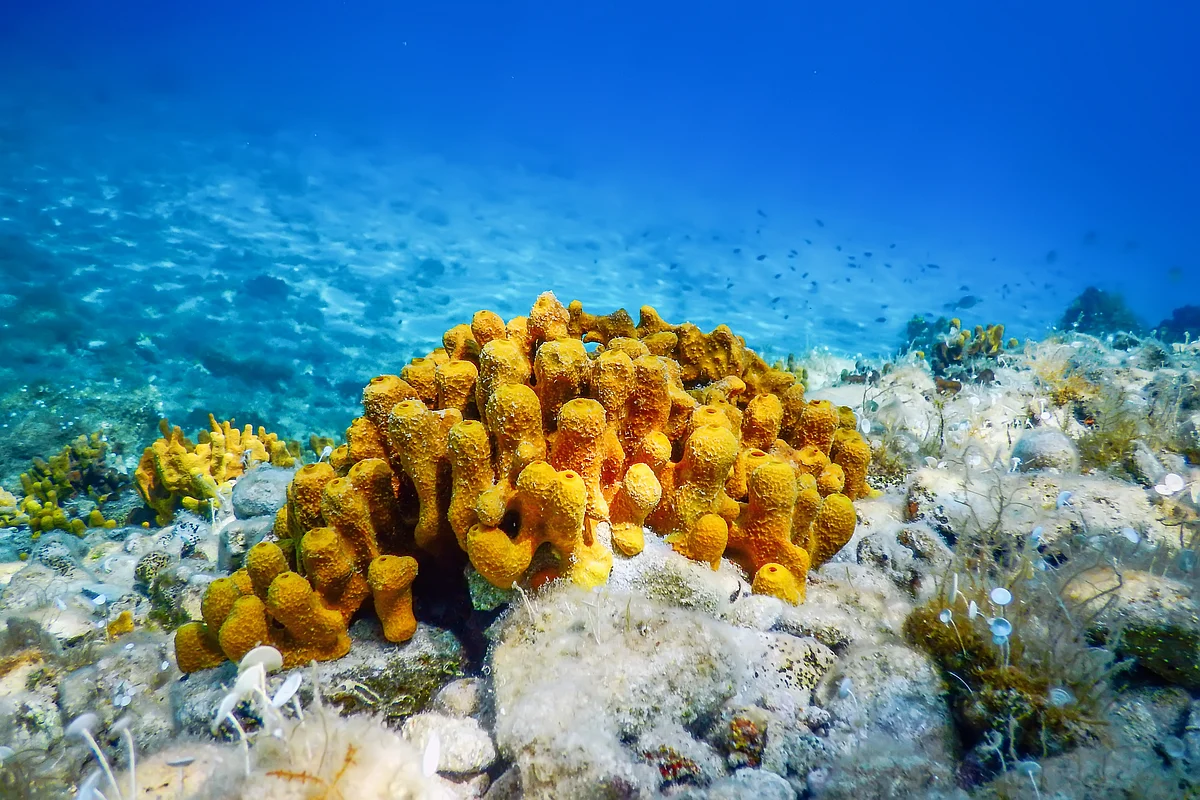
Have you ever wondered where your kitchen sponge really comes from? You might think it’s just a simple, everyday item, but its story could surprise you.
What if the sponge you use to scrub your dishes has a connection to the ocean? Understanding this could change how you see your cleaning routine—and even your impact on the environment. Keep reading to discover the truth about kitchen sponges and their surprising links to the sea.

Credit: en.wikipedia.org
Origins Of Kitchen Sponges
Kitchen sponges have a rich history tied closely to nature and innovation. Their origins trace back to natural materials found in the ocean. Over time, humans developed alternatives to meet growing demands and preferences. Understanding these origins sheds light on what makes kitchen sponges effective and popular worldwide.
Natural Sea Sponges
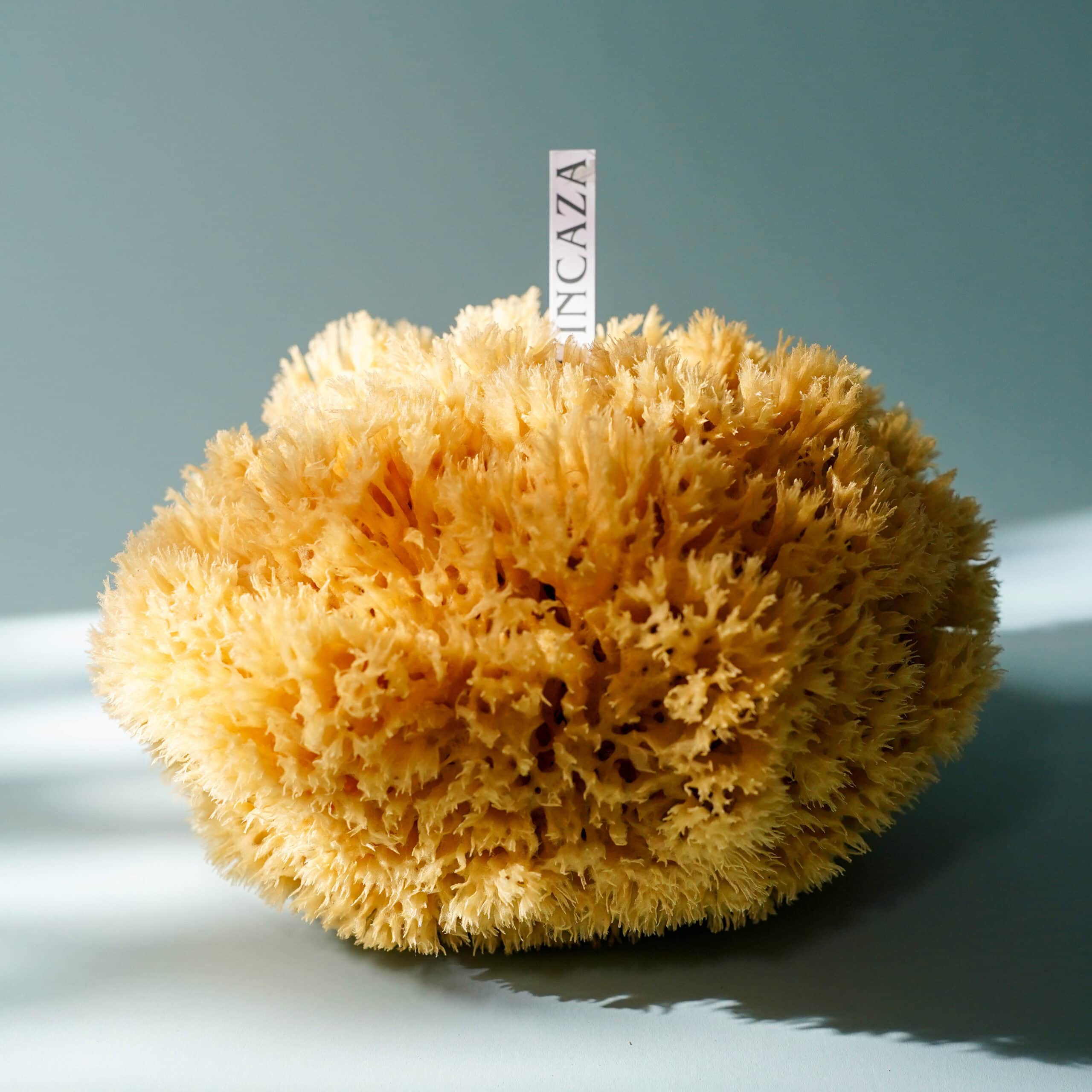
Natural sea sponges come from the ocean's floor. They are soft, porous, and absorbent. Divers collect these sponges by hand from shallow waters. These sponges are made from skeletons of simple marine animals. They are biodegradable and gentle on surfaces. Many people prefer them for their natural texture and durability. Their natural origin means no harsh chemicals are used in production. They offer a sustainable choice for cleaning tasks.
Synthetic Alternatives
Synthetic sponges are man-made from materials like plastic and foam. They are designed to mimic natural sponges. These sponges often contain scrubbing layers for tougher cleaning. Production is cheaper and faster than harvesting sea sponges. Synthetic sponges are widely available in various shapes and sizes. They dry quickly but may wear out faster. Some types are less eco-friendly due to plastic content. They offer a practical and affordable cleaning solution.
Harvesting Natural Sponges
Harvesting natural sponges is a traditional practice that dates back centuries. These sponges grow on the ocean floor and are collected by hand. The process requires skill and care to protect the sponge and the environment.
Diving Techniques
Divers often use free diving to reach sponges underwater. They hold their breath and swim down without heavy equipment. This method reduces damage to the sponges and the seabed.
Using knives or special tools, divers gently cut the sponge at the base. This allows the sponge to regrow over time. The sponge is then brought to the surface carefully to avoid tearing.
Environmental Impact
Harvesting sponges can affect marine life if done carelessly. Overharvesting may reduce sponge populations and harm habitats. Responsible practices include limiting sponge collection and rotating harvesting areas.
Many sponge harvesters follow local rules to protect the ocean. Sustainable harvesting helps keep sponge beds healthy and supports marine biodiversity.
Differences Between Natural And Synthetic
Natural kitchen sponges come from the ocean and have a soft, porous texture. Synthetic sponges are made from man-made materials and often last longer but may not be eco-friendly. Choosing between them depends on use and environmental impact.
Understanding the differences between natural and synthetic kitchen sponges can transform your cleaning habits. Both have their unique advantages and applications, making the choice between them a matter of personal preference and need. Before you make a decision, let's dive into these differences and see which one fits your lifestyle better.
Material Composition
Natural sponges come from the ocean and are harvested from living organisms. They’re biodegradable and eco-friendly, making them a great choice for environmentally conscious consumers. You might find these sponges softer and more absorbent due to their natural structure. In contrast, synthetic sponges are made from materials like polyurethane. They often contain added chemicals to enhance durability and resistance to bacteria. They’re widely available and come in various textures and colors, catering to different cleaning tasks.
Durability And Use
Natural sponges are known for their gentle touch, making them perfect for delicate surfaces. However, they may wear out faster with heavy scrubbing. Consider using them for tasks where a soft touch is needed, like washing fruits or gentle dishwashing. Synthetic sponges typically last longer and are more versatile. They can handle tough scrubbing without falling apart quickly. Their durability makes them suitable for tasks like scrubbing pots and pans or cleaning countertops. Choosing between natural and synthetic sponges depends on your priorities. Do you value sustainability, or do you need something that lasts longer? By understanding their differences, you can make a more informed choice that aligns with your cleaning needs and environmental values.
Health And Safety Considerations
Using kitchen sponges made from natural ocean materials raises some health and safety questions. These sponges can hold bacteria if not cared for properly. Understanding the risks and learning how to clean them is important for a safe kitchen environment.
Bacterial Growth Risks
Ocean sponges have many tiny holes that trap food particles. These particles can cause bacteria to grow quickly. Bacteria like Salmonella and E. coli may develop on damp sponges. This can lead to illness if the sponge touches dishes or food.
Warm and wet conditions make sponges a perfect place for germs. Using the same sponge for a long time increases the risk of contamination. Replacing sponges often helps reduce health risks.
Cleaning And Maintenance Tips
Cleaning ocean sponges regularly is key to keeping them safe. Rinse sponges with hot water after each use. Squeeze out excess water to prevent moisture build-up.
- Microwave damp sponges for one minute to kill bacteria.
- Soak sponges in a bleach solution for five minutes weekly.
- Allow sponges to dry fully between uses.
- Store sponges in a dry, open place.
- Replace sponges every two weeks or sooner if they smell bad.
Following these tips helps keep your kitchen sponge clean and safe. This reduces the chance of germs spreading in your home.
Sustainability And Eco-friendliness
Sustainability and eco-friendliness are key concerns in daily kitchen choices. Kitchen sponges, often overlooked, impact the environment more than people realize. Understanding their sustainability helps make better decisions.
Many kitchen sponges come from synthetic materials that take years to break down. Ocean sponges, by contrast, are natural and often more eco-friendly. Choosing the right sponge supports a healthier planet.
Biodegradability
Natural ocean sponges break down quickly after disposal. They return to the environment without leaving harmful waste. Synthetic sponges can take hundreds of years to decompose.
Biodegradable sponges reduce landfill buildup and pollution. They do not release toxic chemicals during breakdown. This makes ocean sponges a sustainable cleaning option.
Choosing Green Alternatives
Green alternatives include sponges made from organic fibers or ocean-harvested materials. These options limit plastic use and lower carbon footprints.
- Look for sponges labeled biodegradable or compostable
- Consider sponges harvested responsibly from the ocean
- Avoid sponges with synthetic fillers or plastic mesh
- Reuse sponges when possible to extend their life
Using eco-friendly sponges helps reduce waste and supports ocean conservation. Small changes in kitchen tools lead to big environmental benefits.

Credit: en.wikipedia.org
Common Myths About Kitchen Sponges
Kitchen sponges are common in every household. Many people have wrong ideas about their origin and how well they work. These myths can confuse shoppers and users alike. Clearing up these myths helps in choosing the right sponge for your kitchen.
Ocean Sponge Origins
Not all kitchen sponges come from the ocean. Some sponges are natural and harvested from the sea. These are called sea sponges and have a soft, porous texture. Most kitchen sponges are synthetic. They are made from plastic and other materials in factories. Synthetic sponges are cheaper and more common than natural ocean sponges.
Natural ocean sponges are eco-friendly but cost more. Synthetic sponges may last longer but can harm the environment when thrown away.
Effectiveness Myths
Many believe natural sponges clean better. This is not always true. Both natural and synthetic sponges can clean dishes well. Cleaning power depends on the sponge’s texture and how it is used. Some synthetic sponges have scrubbing layers for tough stains. Natural sponges may break down faster and hold bacteria if not cleaned properly.
Replacing sponges regularly is key to keeping your kitchen clean. Using soap and hot water helps remove germs from any sponge type.
Credit: vincaza.com
Frequently Asked Questions
Are Kitchen Sponges Made From Natural Ocean Sponges?
No, most kitchen sponges are synthetic and made from plastic materials. Natural ocean sponges come from marine animals but are less common in kitchens. Synthetic sponges are cheaper and more durable for everyday cleaning tasks.
What Is The Difference Between Natural And Synthetic Sponges?
Natural sponges are harvested from the ocean and are biodegradable. Synthetic sponges are man-made, usually from polyurethane, and are less eco-friendly. Natural sponges have irregular pores, while synthetic ones have uniform textures.
Can Ocean Sponges Be Used Safely In Kitchens?
Yes, natural ocean sponges can be used in kitchens but require proper cleaning. They resist bacteria better but may degrade faster than synthetic sponges. Regular sanitizing is essential for hygiene.
Why Are Most Kitchen Sponges Not Sourced From The Ocean?
Ocean sponges are expensive and less durable than synthetic versions. Harvesting natural sponges can impact marine ecosystems. Synthetic sponges are cost-effective, easier to produce, and more widely available.
Conclusion
Natural kitchen sponges often come from the ocean. They grow on the sea floor like plants. People harvest them carefully to avoid damage. These sponges are soft, absorbent, and eco-friendly. Many prefer them over synthetic sponges for cleaning. They break down naturally and do not harm the environment.
Choosing ocean sponges supports sustainable practices. So, next time you clean, think about the sponge’s origin. It might be a small gift from the sea. Simple, natural, and useful.