
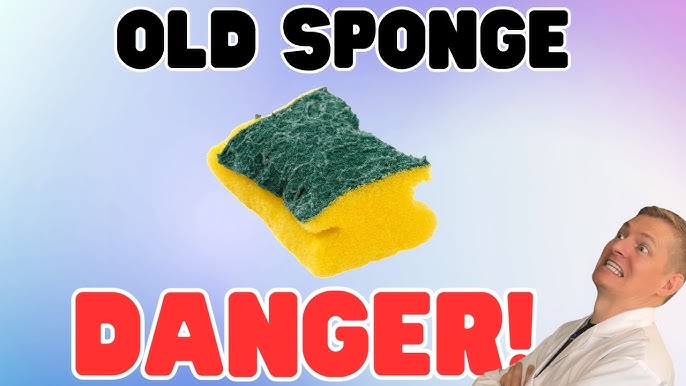
Your kitchen sponge works hard every day, soaking up spills and scrubbing away messes. But have you ever stopped to think about how clean your sponge really is?
If you’re like most people, the answer is probably no. A dirty sponge can harbor germs and bacteria that might make your kitchen less safe. The good news? Cleaning your kitchen sponge is easier than you think—and doing it right can keep your home healthier.
Keep reading, and you’ll discover simple, effective ways to refresh your sponge and protect your family.

Credit: www.youtube.com
Why Clean Kitchen Sponges
Kitchen sponges get dirty fast. They collect food bits, grease, and moisture. This makes them a perfect place for germs to grow. Cleaning sponges keeps your kitchen safe and fresh. It stops bad smells and reduces bacteria buildup. Regular cleaning helps sponges last longer too.
Health Risks Of Dirty Sponges
Dirty sponges can carry harmful bacteria. These include salmonella, E. coli, and mold. Using a dirty sponge spreads germs on dishes and counters. This can cause food poisoning and infections. Germs can multiply quickly in wet sponges. Cleaning stops these health risks before they start.
Signs It's Time To Clean Or Replace
- Sponges smell bad even after rinsing.
- Visible mold or dark spots appear.
- Sponges feel slimy or very soft.
- Sponges tear or break easily.
- Using sponge causes skin irritation.
Notice these signs and clean or change your sponge. This keeps your kitchen hygienic and safe.
Common Cleaning Methods
Kitchen sponges can hold many germs and bacteria. Cleaning them regularly helps keep your kitchen safe. Several common methods work well to clean sponges. These methods are easy to do and use items found in most homes.
Microwave Cleaning
This method kills bacteria by using heat. First, soak the sponge in water. Wet sponges avoid fire hazards in the microwave. Place the wet sponge on a microwave-safe plate. Heat it on high for about one to two minutes. Let the sponge cool before taking it out. This method reduces germs quickly and effectively.
Dishwasher Cycle
Put the sponge in the top rack of the dishwasher. Run it through a full cycle with the heated dry option. The heat and detergent clean the sponge well. This method is easy and uses your dishwasher’s power. It also saves time compared to hand cleaning.
Boiling Water Soak
Boiling water kills most bacteria in sponges. Boil a pot of water on the stove. Place the sponge in the boiling water carefully. Let it soak for about five minutes. Remove the sponge with tongs and let it dry. This method is simple and uses natural heat to clean.
Natural Cleaning Solutions
Kitchen sponges can be cleaned naturally using vinegar or baking soda to remove germs and odors. Soaking them in a mixture of water and natural cleaners keeps sponges fresh and safe to use. Regular cleaning helps extend the life of your kitchen sponge.
Natural cleaning solutions are perfect for maintaining kitchen sponges. They are safe and effective. These methods use common household items. They can help extend the life of your sponges. Let's explore two effective methods.
Vinegar And Baking Soda
Vinegar and baking soda work wonders on dirty sponges. First, soak the sponge in white vinegar. Let it sit for five minutes. Vinegar helps kill germs and remove smells. After soaking, sprinkle baking soda on the sponge. The baking soda provides gentle scrubbing power. Rinse the sponge thoroughly with warm water. This method cleans and freshens your sponges naturally.
Lemon Juice Rinse
Lemon juice is a natural disinfectant. It also leaves a fresh scent. Squeeze the juice of one lemon into a bowl. Place the sponge into the bowl. Ensure the sponge is fully submerged. Let it soak for 10 minutes. The acidity of lemon juice helps kill bacteria. After soaking, rinse the sponge with warm water. Your sponge will smell fresh and clean.
Daily Sponge Care Tips
Daily sponge care helps keep your kitchen clean and safe. Sponges hold bacteria if not cared for properly. Simple steps each day can extend their life and reduce germs. Follow these tips to maintain a fresh, effective sponge.
Rinse And Squeeze Properly
Rinse your sponge thoroughly with hot water after each use. This removes food bits and soap. Squeeze out as much water as you can. A dry sponge stops bacteria from growing quickly. Avoid leaving your sponge wet and balled up.
Air Drying Techniques
Let your sponge dry completely between uses. Place it in a well-ventilated area. Use a sponge holder that lets air flow all around. Avoid keeping sponges in the sink or a closed container. Air drying slows down bacteria growth and odors.
When To Replace Your Sponge
Knowing when to replace your kitchen sponge is key to maintaining a clean and healthy kitchen environment. Sponges can harbor bacteria quickly, so waiting too long to swap them out can lead to unpleasant odors and potential health risks.
Pay attention to signs like persistent smells, visible wear, or a slimy texture. These are clear indicators that your sponge has outlived its usefulness and needs to be replaced.
Frequency Recommendations
Experts often suggest changing your kitchen sponge every one to two weeks. If you use it heavily or for raw meat cleanup, replacing it weekly is safer.
Consider keeping a schedule or setting a reminder on your phone to help you stay consistent. Have you noticed how much quicker a fresh sponge cleans compared to an old one?
Choosing Durable Sponges
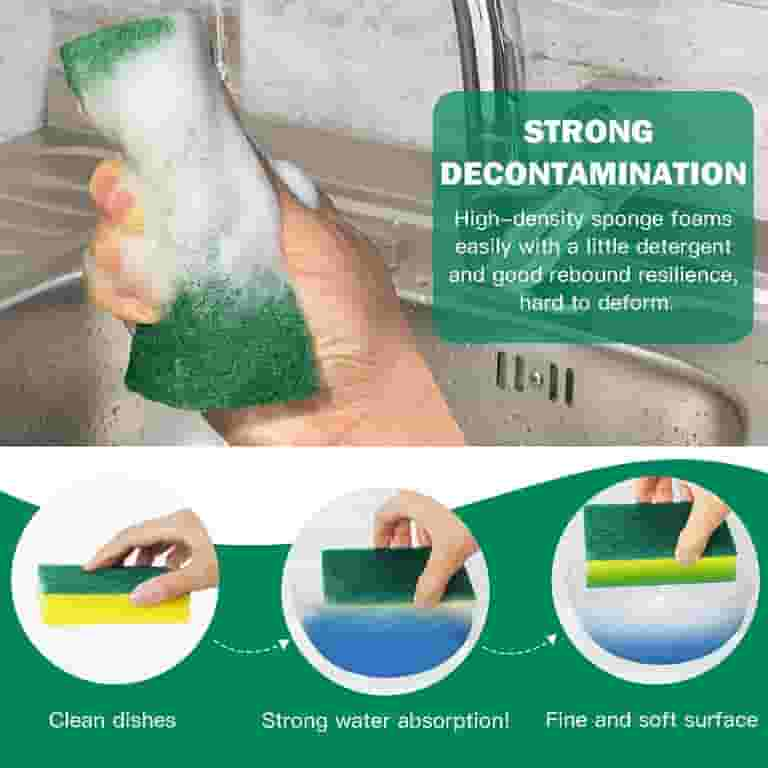
Not all sponges are created equal. Investing in durable, antimicrobial sponges can extend the time between replacements.
Look for sponges made with materials that resist bacteria buildup and hold up under frequent washing. This choice can save you money and keep your kitchen cleaner.
Think about your cleaning habits and kitchen needs when picking a sponge—what works best for you might differ from others.
Credit: www.walmart.com
Alternatives To Traditional Sponges
Traditional kitchen sponges can harbor bacteria and wear out quickly, making it important to consider alternatives that last longer and stay cleaner. Switching to different cleaning tools not only improves hygiene but can also save you money and reduce waste. Let’s look at some practical options you might want to try in your kitchen.
Silicone Scrubbers
Silicone scrubbers are a great alternative because they resist bacteria buildup and dry quickly after use. Their flexible bristles make it easy to scrub pots, pans, and dishes without scratching surfaces. Plus, they can be cleaned by simply tossing them in the dishwasher or boiling them for a few minutes.
One time, I switched to a silicone scrubber and noticed how much fresher it felt after multiple uses compared to my old sponge. It also lasted for months without developing that unpleasant smell. Could this be the solution you’ve been avoiding because it sounds too different?
Reusable Cloths
Reusable cloths, especially those made from microfiber or cotton, offer another effective way to clean your kitchen. They can absorb spills, wipe counters, and even scrub dishes when dampened. Washing them regularly in hot water keeps them hygienic and ready for the next use.
Think about how often you replace paper towels—reusable cloths can cut down on that waste drastically. Keep a few on hand and rotate them through the laundry to maintain cleanliness. Have you ever tried a cloth as your primary kitchen cleaning tool, or do you rely solely on sponges?

Credit: tidyhere.com
Frequently Asked Questions
How Often Should I Clean Kitchen Sponges?
Clean kitchen sponges at least once a week to prevent bacteria buildup. Regular cleaning keeps them hygienic and extends their usability.
What Is The Best Way To Disinfect Kitchen Sponges?
Microwaving damp sponges for 1-2 minutes effectively kills most germs. Alternatively, soak them in a bleach solution for 5 minutes.
Can I Clean Kitchen Sponges In A Dishwasher?
Yes, place sponges on the top rack of the dishwasher. Use the heated dry cycle to sanitize them thoroughly.
Is Vinegar Effective For Cleaning Kitchen Sponges?
Vinegar’s acidic properties help reduce bacteria and odors in sponges. Soak sponges in vinegar for 5-10 minutes for light disinfection.
Conclusion
Cleaning kitchen sponges keeps your kitchen safe and fresh. Regular cleaning stops germs from growing quickly. Use simple methods like microwaving or soaking in vinegar. Replace sponges often to avoid bad smells and bacteria. Clean sponges last longer and work better.
Small steps make a big difference in kitchen hygiene. Keep your sponge clean, keep your food safe. Easy habits protect your health every day.