
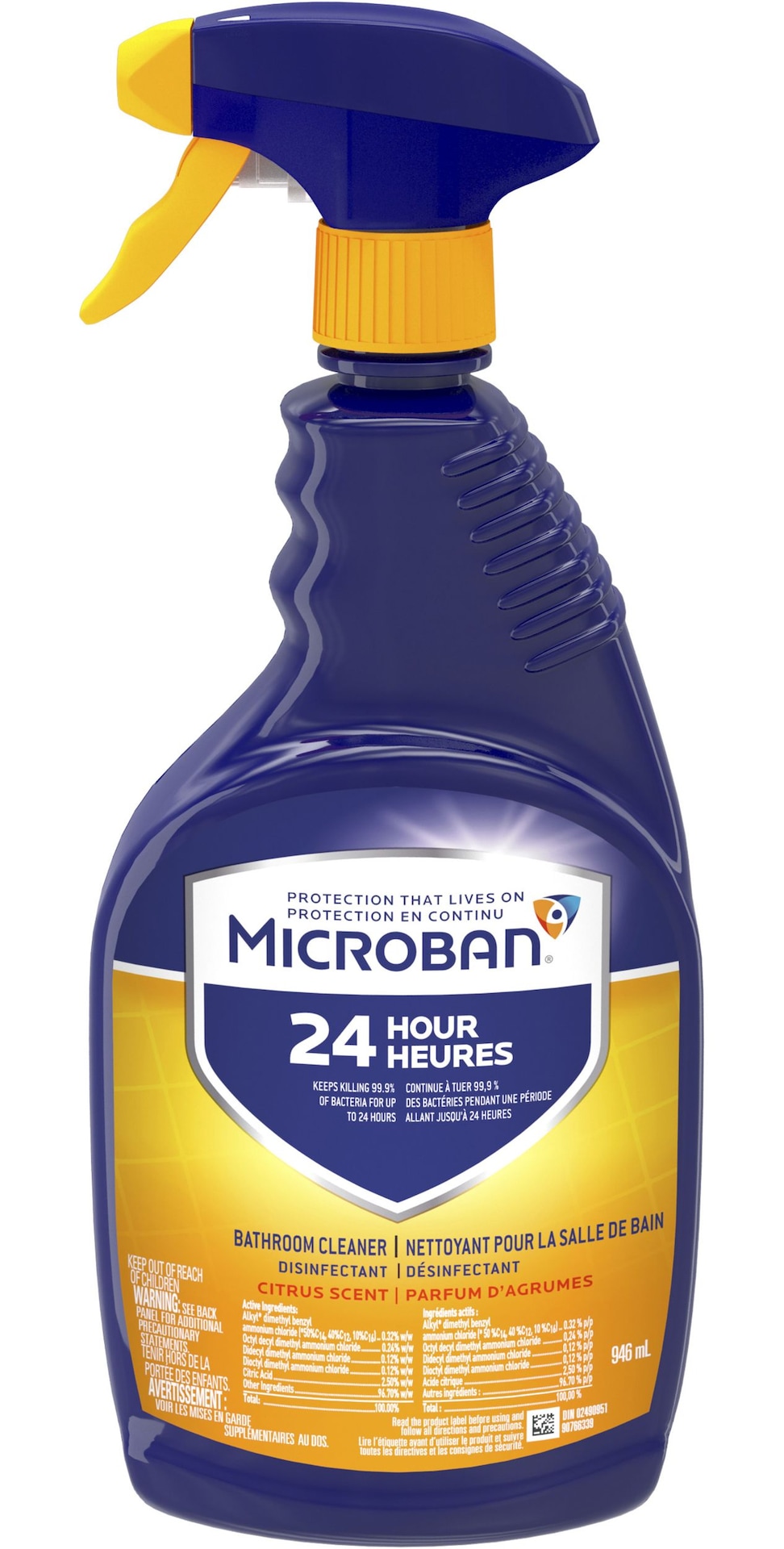
Are you wondering if you can use Microban Bathroom Cleaner in your kitchen? It’s a smart question because keeping your kitchen clean and safe is important.
You want a product that works well without risking your health or ruining surfaces. This article will clear up the confusion and help you decide if Microban Bathroom Cleaner is right for your kitchen. Keep reading to find out what you need to know before you spray!

Credit: www.amazon.com.au
Microban Bathroom Cleaner Basics
Understanding the basics of Microban Bathroom Cleaner helps decide its use in the kitchen. This cleaner is designed for tough bathroom grime and germs. Its formula targets common bathroom bacteria and dirt. Knowing its ingredients and properties clarifies its safety and effectiveness outside the bathroom.
Key Ingredients
Microban Bathroom Cleaner contains powerful cleaning agents. These include surfactants that break down grease and dirt. It has antimicrobial chemicals to kill bacteria and mold. Fragrance components give a fresh scent after cleaning. The formula may include bleach or other disinfectants for deep cleaning.
Intended Uses
The cleaner is made mainly for bathroom surfaces. It works well on tubs, tiles, sinks, and toilets. It removes soap scum, mildew, and hard water stains. Its formula is tough on grime but safe for bathroom materials. Using it on other surfaces may not always be recommended.
Antimicrobial Properties
Microban Bathroom Cleaner kills many types of germs. It targets bacteria, mold, and mildew common in bathrooms. These properties help reduce bad odors and improve hygiene. The antimicrobial action lasts for a while after cleaning. This helps keep surfaces cleaner for longer periods.

Credit: www.amazon.co.uk
Bathroom Vs. Kitchen Cleaning Needs
Cleaning your bathroom and kitchen requires different approaches because the needs in each space vary significantly. Understanding these differences helps you choose the right products and techniques. Before using a bathroom cleaner like Microban in your kitchen, consider how the cleaning demands of these rooms differ.
Surface Types
Bathrooms often have surfaces like porcelain sinks, ceramic tiles, glass mirrors, and acrylic tubs. These materials need cleaners that can tackle soap scum, hard water stains, and mildew without causing damage.
Kitchens feature countertops made of granite, laminate, wood, or stainless steel. They also have appliances and food preparation areas that require safe, food-friendly cleaners. Using a bathroom cleaner on kitchen surfaces might leave residues that aren’t safe to ingest.
Common Germs And Bacteria
Bathrooms usually deal with germs like E. coli, salmonella, mold, and mildew due to moisture and human waste exposure. You need strong disinfectants to eliminate these effectively.
Kitchens face bacteria from raw foods, such as salmonella and listeria, along with grease buildup. Cleaners here must not only kill germs but also be safe around food and family members.
Cleaning Frequency
Bathroom cleaning is typically less frequent but requires deep scrubbing to remove mold and soap scum. Many people clean bathrooms once or twice a week.
Kitchens need daily wiping and disinfecting because food particles and spills attract bacteria quickly. Skipping kitchen cleaning even for a day can increase health risks.
Have you ever wondered if using a bathroom cleaner in your kitchen might leave behind harmful chemicals? Knowing your surfaces and germs helps you decide if Microban Bathroom Cleaner is a good fit for your kitchen tasks.
Safety Concerns In Kitchen Use
Microban Bathroom Cleaner is made for bathroom surfaces and may contain chemicals unsafe for kitchen use. Using it on kitchen counters can risk food contamination and health issues. Always choose cleaners labeled safe for kitchen areas to protect your family.
Safety concerns are important when using any cleaner in the kitchen. Microban Bathroom Cleaner is effective for bathroom use, but its suitability for kitchens raises questions. Users often worry about toxicity, food contact safety, and residue.
Toxicity Risks
Microban Bathroom Cleaner contains chemicals designed for bathroom surfaces. These chemicals may pose toxicity risks in the kitchen. Always check the label for warnings about skin contact and inhalation. Even small amounts can affect health if ingested. It's crucial to ensure proper ventilation during use.
Food Contact Surfaces
Kitchens have many surfaces that come in contact with food. Using Microban on countertops or cutting boards may not be safe. The cleaner's ingredients might not be food-safe. It's best to use cleaners specifically designed for food contact surfaces. Check the product label for any food safety certifications.
Potential Residue Issues
Residue from bathroom cleaners can remain on surfaces. In the kitchen, this is a concern. Residues may contaminate food if not rinsed thoroughly. Ensure surfaces are rinsed with water after cleaning. This reduces the risk of chemical ingestion. Always follow the manufacturer's instructions for safe use.
Manufacturer Guidelines And Warnings
Understanding the manufacturer guidelines and warnings is crucial before using Microban Bathroom Cleaner in your kitchen. These instructions ensure safe and effective use of the product while protecting your surfaces and health. Ignoring them might lead to unwanted damage or health risks.
Label Instructions
Always start by reading the label carefully. The label provides detailed steps on how to apply the cleaner, how long to leave it on surfaces, and how to rinse it off.
Microban Bathroom Cleaner is designed primarily for bathroom surfaces, so the instructions often mention specific materials like tile, grout, and porcelain. Using the product exactly as instructed helps avoid damage to kitchen surfaces like countertops or appliances.
Recommended Usage Areas
The manufacturer clearly states which areas are safe for the product. Typically, Microban Bathroom Cleaner is recommended for bathroom sinks, tubs, tiles, and toilets.
Using it on kitchen counters or food preparation areas may not be advised due to different surface materials and food safety concerns. You should check if the label mentions kitchen use or any exceptions.
Warnings And Precautions
- Keep out of reach of children and pets.The cleaner contains chemicals that can be harmful if ingested or if they come into prolonged contact with skin.
- Avoid mixing with other cleaning products.Combining it with bleach or ammonia can create dangerous fumes.
- Use in well-ventilated areas.Strong fumes might cause irritation or breathing problems.
- Test on a small area first.This helps you check for any surface damage or discoloration before applying widely.
Have you ever used a bathroom cleaner in the kitchen without checking the label first? Many people don’t realize how important these warnings are until they face staining or irritation. Taking a moment to read the label can save you time, money, and health risks.
Alternatives For Kitchen Cleaning
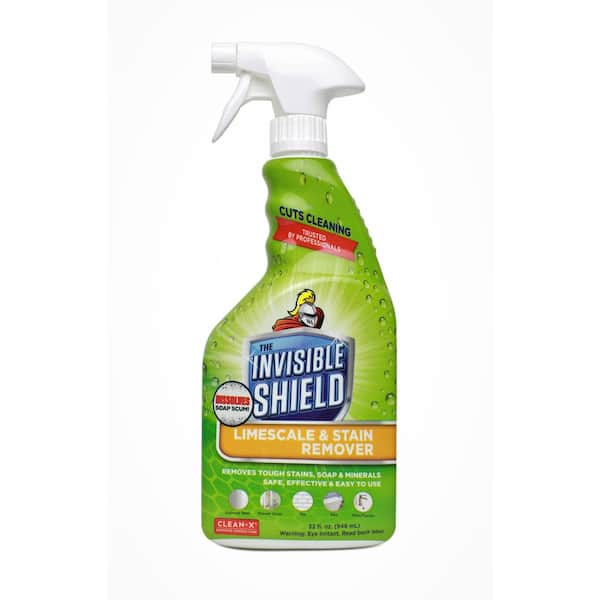
Choosing the right cleaner for your kitchen is important for safety and hygiene. Some bathroom cleaners contain chemicals that may not be safe around food or kitchen surfaces. Here are some alternatives that work well in kitchens and keep your family safe.
Food-safe Cleaners
Food-safe cleaners are made to clean kitchen surfaces without harmful chemicals. They help remove grease, dirt, and bacteria safely. Look for products labeled as safe for countertops, cutting boards, and appliances.
- Certified food-safe sprays
- Non-toxic surface wipes
- Products free from harsh chemicals like ammonia or bleach
Natural Cleaning Options
Natural cleaners use simple ingredients you can find at home. They clean well and avoid chemicals that could cause health issues. These options are gentle on surfaces and environment-friendly.
- White vinegar mixed with water for a fresh shine
- Baking soda paste to scrub tough stains
- Lemon juice for cutting grease and leaving a pleasant scent
Disinfectants Suitable For Kitchens
Disinfectants made for kitchens kill germs without leaving harmful residue. Use products tested and approved for food-contact surfaces. They ensure your kitchen stays clean and safe.
- Alcohol-based sprays with at least 70% alcohol
- Quaternary ammonium compounds labeled for kitchen use
- Hydrogen peroxide solutions suitable for food areas
Credit: www.homedepot.com
Best Practices For Cross-use Cleaners
Using a cleaner like Microban for both bathroom and kitchen surfaces needs care. Cross-use cleaners can be helpful but require correct handling. Following best practices keeps your home safe and hygienic. Understanding dilution, rinsing, and avoiding contamination matters.
Proper Dilution
Always follow the label instructions for dilution. Concentrated cleaners can harm surfaces or leave residues. Use the right water-to-cleaner ratio for each task. Mixing more than recommended does not improve cleaning. Proper dilution ensures safe and effective use in different areas.
Rinsing Requirements
Rinse surfaces well after cleaning with any chemical. Some cleaners can leave a film that attracts dirt. In kitchens, rinsing is crucial to remove chemicals from food areas. Use clean water and a fresh cloth or sponge. This step protects your health and keeps surfaces safe.
Avoiding Cross-contamination
Do not use the same cloth or sponge for bathroom and kitchen. Always have separate cleaning tools for each area. Store cleaners properly to avoid accidental mixing. Clean hands and gloves after using strong chemicals. These habits reduce the risk of spreading germs.
Frequently Asked Questions
Can Microban Bathroom Cleaner Be Safely Used In Kitchens?
Microban Bathroom Cleaner is designed for bathroom surfaces, not kitchen areas. It may contain chemicals unsuitable for food prep zones. Always check the label for kitchen-safe use or opt for cleaners specifically made for kitchens to ensure safety.
Does Microban Bathroom Cleaner Kill Kitchen Germs Effectively?
While Microban Bathroom Cleaner kills bacteria and mold in bathrooms, it may not target all kitchen-specific germs. Kitchens require cleaners tested for foodborne pathogens. Use disinfectants labeled for kitchen use to ensure thorough germ elimination.
Is Microban Bathroom Cleaner Safe On Kitchen Countertops?
Microban Bathroom Cleaner may damage some kitchen countertop materials like granite or marble. It’s best to use cleaners formulated for your countertop type to avoid surface damage and maintain hygiene.
Can I Use Microban Bathroom Cleaner On Kitchen Appliances?
Microban Bathroom Cleaner is not recommended for kitchen appliances. Harsh chemicals can harm appliance finishes or leave residues. Use appliance-specific cleaners or mild dish soap for safe cleaning.
Conclusion
Microban bathroom cleaner can work in the kitchen but with care. It kills germs and helps keep surfaces clean. Still, check the label for safe use on kitchen counters. Avoid using it on food preparation areas if not recommended. Always rinse surfaces well after cleaning.
This keeps your kitchen safe and fresh. Using the right cleaner for each area is best. Clean smart, stay healthy, and protect your home from bacteria. Simple steps make a big difference every day.