
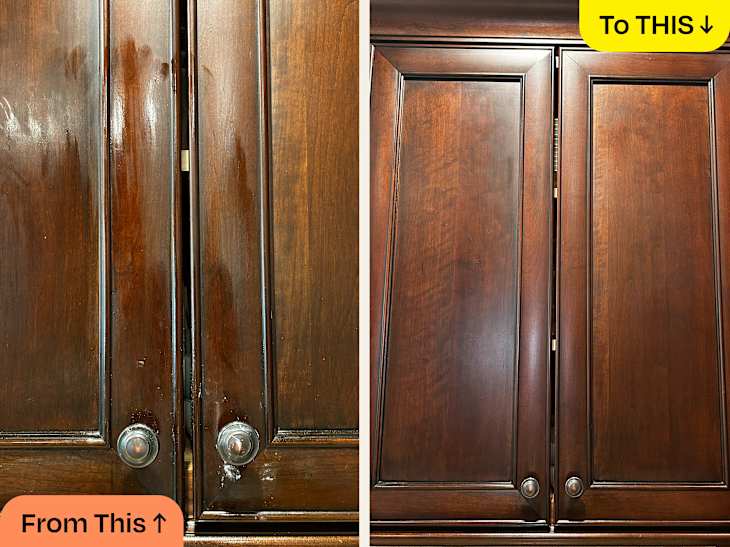
Your kitchen cabinets are one of the first things you notice when you step into your kitchen. Over time, they collect grease, dust, and grime that dull their appearance.
If you want your kitchen to look fresh and inviting, knowing how to properly wipe down your cabinets is a game-changer. In this guide, you’ll discover simple, effective steps to clean your cabinets quickly and safely. By the end, your cabinets will shine like new, making your entire kitchen feel cleaner and more welcoming.
Ready to transform your space? Let’s get started!
Credit: www.kraftmaid.com
Gathering Cleaning Supplies
Before wiping down kitchen cabinets, gather all necessary supplies. Having everything ready makes cleaning easier and faster. This step helps avoid interruptions and ensures a thorough job.
Essential Tools And Materials
- Soft microfiber cloths for gentle wiping
- Non-abrasive sponge for scrubbing
- Bucket or spray bottle for water or cleaning solution
- Old toothbrush for corners and grooves
- Step stool to reach top cabinets safely
- Gloves to protect your hands
Choosing The Right Cleaning Solutions
Pick a cleaner safe for your cabinet material. Wood, laminate, and painted surfaces need different products.
- Mild dish soap mixed with warm water works for most surfaces.
- Vinegar diluted with water removes grease and grime effectively.
- Commercial wood cleaners suit natural wood cabinets well.
- Avoid harsh chemicals that can damage finishes.

Credit: www.express.co.uk
Preparing The Kitchen Cabinets
Preparing the kitchen cabinets is a key step before wiping them down. This process helps ensure a thorough clean without missing any spots. Clear cabinets allow easy access to all surfaces. Removing loose dirt prevents scratching the cabinet finish during cleaning.
Removing Items And Clearing Space
Start by taking everything out of the cabinets. Empty shelves and drawers completely. Place items on a clean counter or table. This prevents spills or damage while cleaning. Clearing the space also helps you reach all corners. Keep a box nearby for items that don’t belong in the kitchen.
Dusting Off Loose Dirt And Debris
Use a soft cloth or duster to remove loose dust. Focus on cabinet tops, edges, and corners. Pay attention to hinges and handles where dirt builds up. A small brush can help reach narrow spaces. Dusting first stops dirt from spreading during wiping. This step protects your cabinets from scratches.
Step-by-step Cleaning Process
Cleaning kitchen cabinets might seem like a daunting task, but with a clear step-by-step process, it's simpler than you think. Ensuring your cabinets are spotless not only enhances the look of your kitchen but also prolongs the life of your cabinetry. Ready to transform your kitchen with a little elbow grease? Let's dive into the details.
Applying The Cleaning Solution
First, gather your cleaning supplies: a mild dish soap, warm water, and a soft cloth or sponge. Mix a few drops of dish soap with warm water in a bowl. Dip your cloth or sponge into this solution, ensuring it's not dripping wet but damp enough to clean effectively.
Test this solution on a small, inconspicuous area of your cabinet to ensure there's no discoloration or damage. Once confirmed, apply the cleaning solution to the entire surface of the cabinets. Make sure to cover every nook and cranny, especially the edges and corners.
Scrubbing And Wiping Techniques
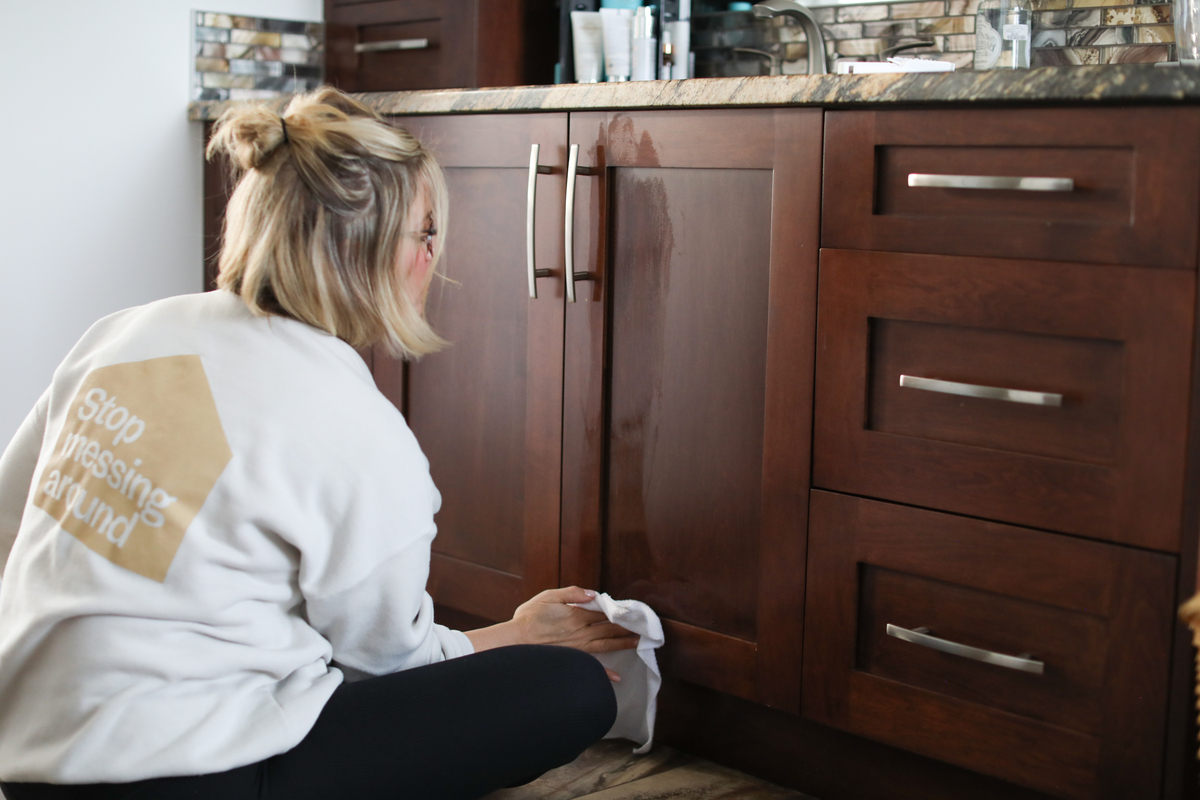
Gently scrub the cabinet surfaces using circular motions. This helps lift dirt and grime without damaging the finish. For stubborn spots, apply a bit more pressure, but be cautious not to scratch the surface.
After scrubbing, wipe down the cabinets with a clean, damp cloth to remove any soap residue. Follow up with a dry cloth to prevent water spots and streaks. Do you notice the shine returning to your cabinets already?
Handling Tough Stains And Grease
Tough stains and grease can be challenging, but they're not invincible. Use a mixture of baking soda and water to form a paste for these areas. Apply the paste to the stain, let it sit for a few minutes, and then scrub gently.
If grease is particularly stubborn, a splash of white vinegar in your cleaning solution can work wonders. Spray it onto the greasy areas, let it sit for a minute, and then wipe clean. Have you tried this trick before? It can be a game-changer.
Don't forget to clean the handles and knobs, as they often collect dirt and grime. A quick wipe with the cleaning solution should do the trick.
By following these steps, you can maintain a spotless kitchen that feels as inviting as a warm hug. Regular cleaning not only makes your kitchen shine but also keeps it a healthy place for your culinary adventures. Are you ready to enjoy your refreshed kitchen space?
Drying And Polishing Cabinets
After thoroughly wiping down your kitchen cabinets, the next crucial step is drying and polishing. Proper drying prevents moisture damage and streaks, while polishing brings out the natural beauty of the wood or finish. These final touches ensure your cabinets look fresh and inviting, making your kitchen a more pleasant space to cook and gather in.
Using Dry Cloths For A Streak-free Finish
Grab a clean, dry microfiber cloth to wipe down your cabinets after cleaning. Microfiber is excellent because it absorbs moisture without leaving lint or streaks behind. Avoid using rough or colored cloths that might scratch or transfer dye onto your cabinet surfaces.
Work in small sections, gently buffing the cabinet surfaces until completely dry. Pay attention to edges and corners where moisture tends to linger. You’ll notice how quickly a dry cloth brings out the true finish of your cabinets without any dull patches.
Adding Shine With Natural Polish Options
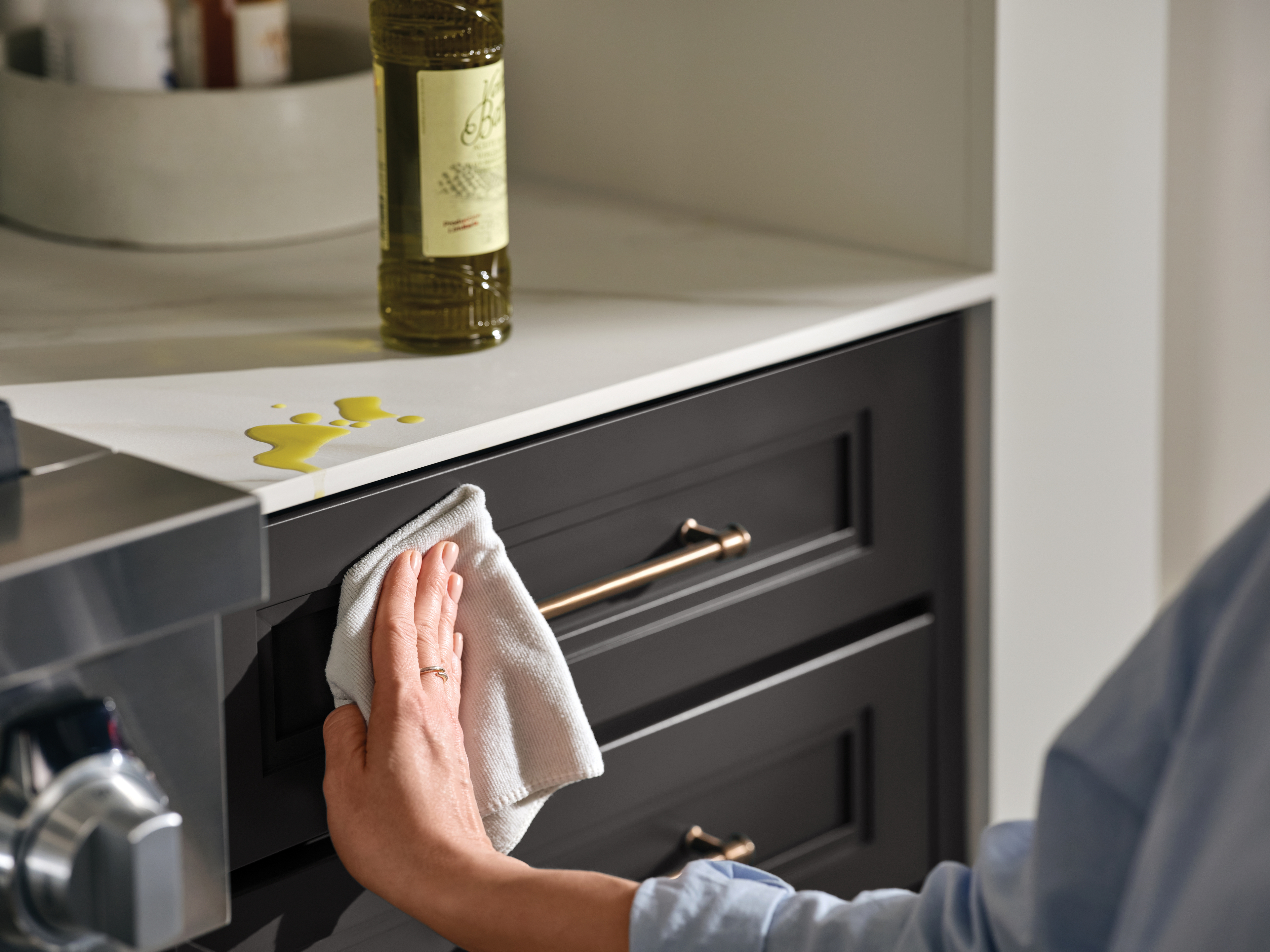
If you want to add an extra touch of shine, consider using natural polish options like olive oil or lemon juice mixed with vinegar. These ingredients nourish the wood and provide a subtle sheen without harsh chemicals. Simply apply a small amount to a soft cloth and rub it into the cabinet surface in circular motions.
Test any polish on a hidden spot first to ensure it doesn’t darken or damage your cabinet finish. Have you ever tried homemade polish? Many find it not only effective but also safer for families with children or pets. Polishing regularly can help maintain that just-cleaned look much longer.
Maintaining Cabinet Cleanliness
Keeping kitchen cabinets clean helps them look fresh and last longer. Dirt, grease, and moisture can build up quickly in busy kitchens. Regular care prevents damage and keeps cabinets smelling nice. Simple habits make a big difference in maintaining cabinet cleanliness.
Regular Cleaning Schedule
Create a routine to clean cabinets often. Wipe down surfaces with a soft cloth and mild cleaner. Avoid harsh chemicals that can harm finishes. Focus on areas near the stove and sink where dirt collects fast. Dry cabinets after cleaning to stop moisture damage.
- Wipe weekly to remove dust and spills
- Deep clean monthly with gentle soap and water
- Use a microfiber cloth for best results
- Check handles and edges for grime build-up
Preventing Future Buildup And Damage
Stop grime before it starts. Use cabinet liners to protect inside surfaces. Clean up spills immediately to avoid stains. Keep kitchen vents running to reduce humidity. Avoid leaning on cabinet doors, which can cause warping. Use door stoppers to prevent dents and scratches.
- Install grease filters near cooking areas
- Store food in sealed containers
- Use gentle cleaning products only
- Maintain good kitchen ventilation
Credit: www.housework.com
Frequently Asked Questions
How Often Should I Wipe Down Kitchen Cabinets?
Wipe kitchen cabinets weekly to prevent grease and dirt buildup. Regular cleaning keeps cabinets looking fresh and extends their lifespan. For heavily used kitchens, consider wiping twice a week for better maintenance.
What Is The Best Cleaner For Kitchen Cabinets?
Use a mild detergent mixed with warm water for most cabinets. Avoid harsh chemicals that can damage wood or paint finishes. For tough grease, a vinegar and water solution works effectively without harming surfaces.
Can I Use Vinegar To Clean Kitchen Cabinets?
Yes, diluted vinegar is safe and effective for cleaning cabinets. Mix equal parts vinegar and water to remove grease and grime gently. Avoid using pure vinegar, as its acidity may damage some finishes.
Should I Remove Cabinet Doors Before Cleaning?
Removing doors is optional but helps clean hard-to-reach areas thoroughly. If you choose to clean without removal, focus on hinges and edges carefully. Always handle doors gently to avoid damage during cleaning.
Conclusion
Cleaning kitchen cabinets keeps your space fresh and tidy. Use gentle cleaners to protect the cabinet finish. Regular wiping stops dirt and grease from building up. Pay attention to handles and edges where grime collects. A clean kitchen feels welcoming and looks great.
Small efforts often bring big results in home care. Keep a cloth handy for quick touch-ups anytime. Enjoy a neat kitchen that stays clean longer. Simple steps make cabinet cleaning easy and stress-free.