
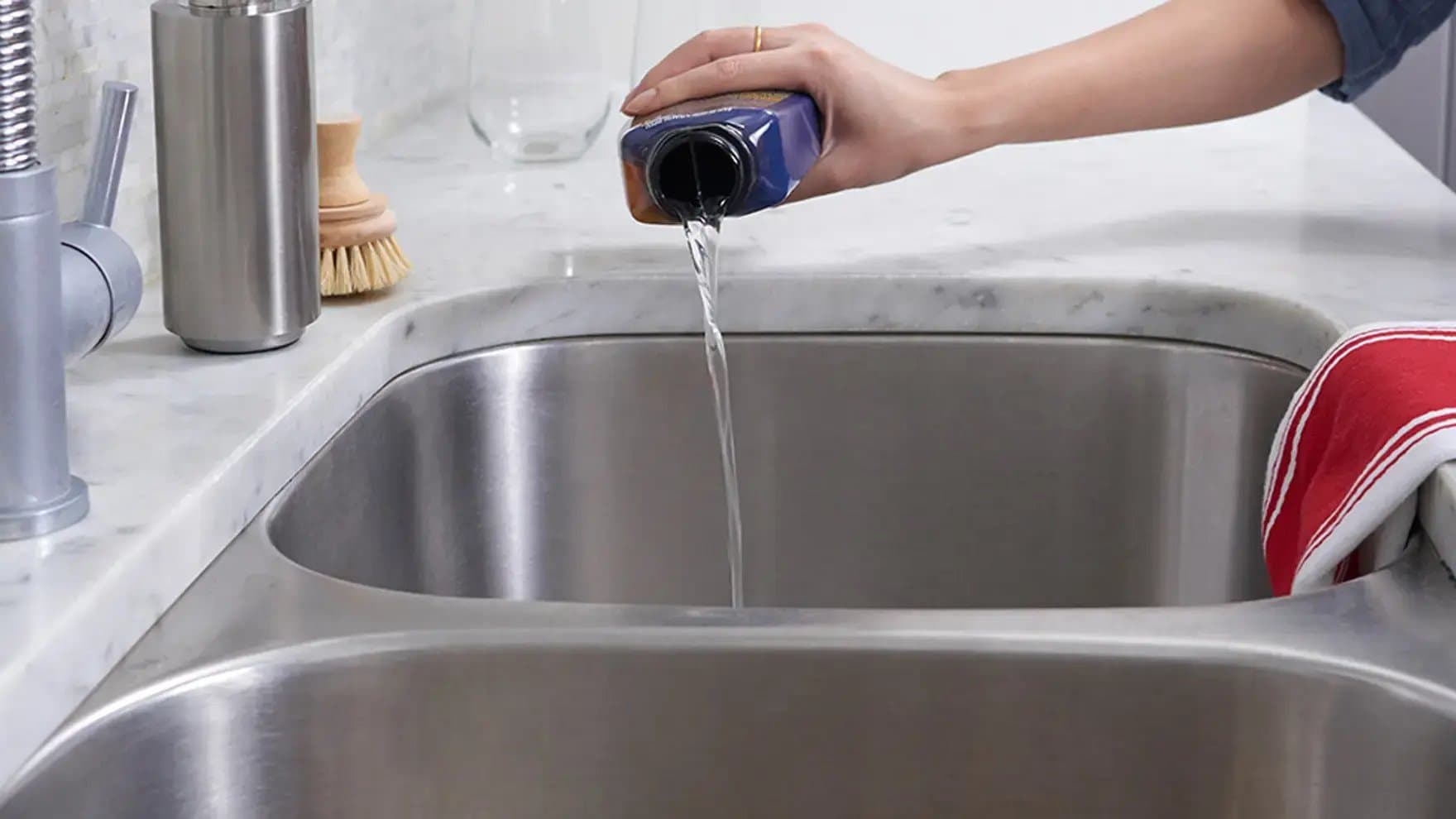
Is your kitchen sink clogged and slowing you down? You might be wondering, "Can I plunge my kitchen sink myself?"
The good news is, yes—you can! With the right technique and a little know-how, you can clear that stubborn blockage without calling a plumber. Keep reading to discover simple steps that will save you time, money, and frustration. Your sink will be draining smoothly again before you know it!
Common Causes Of Kitchen Sink Clogs
Kitchen sink clogs are common and usually caused by everyday use. Knowing what causes these blockages helps prevent them. Many common kitchen items and habits contribute to sink clogs.
Food Particles And Grease Build-up
Food scraps often go down the drain during dishwashing. Small bits can stick inside pipes and cause blockages. Grease from cooking oils cools and hardens, trapping food particles. This sticky buildup narrows the pipe and slows water flow. Over time, the clog becomes harder to clear.
Soap Scum And Mineral Deposits
Soap leaves behind a residue called soap scum. This scum mixes with minerals in water and creates a hard layer inside pipes. The layer reduces pipe diameter and blocks water movement. Hard water areas face more mineral deposits. These deposits can cause frequent slow drainage problems.
Foreign Objects And Debris
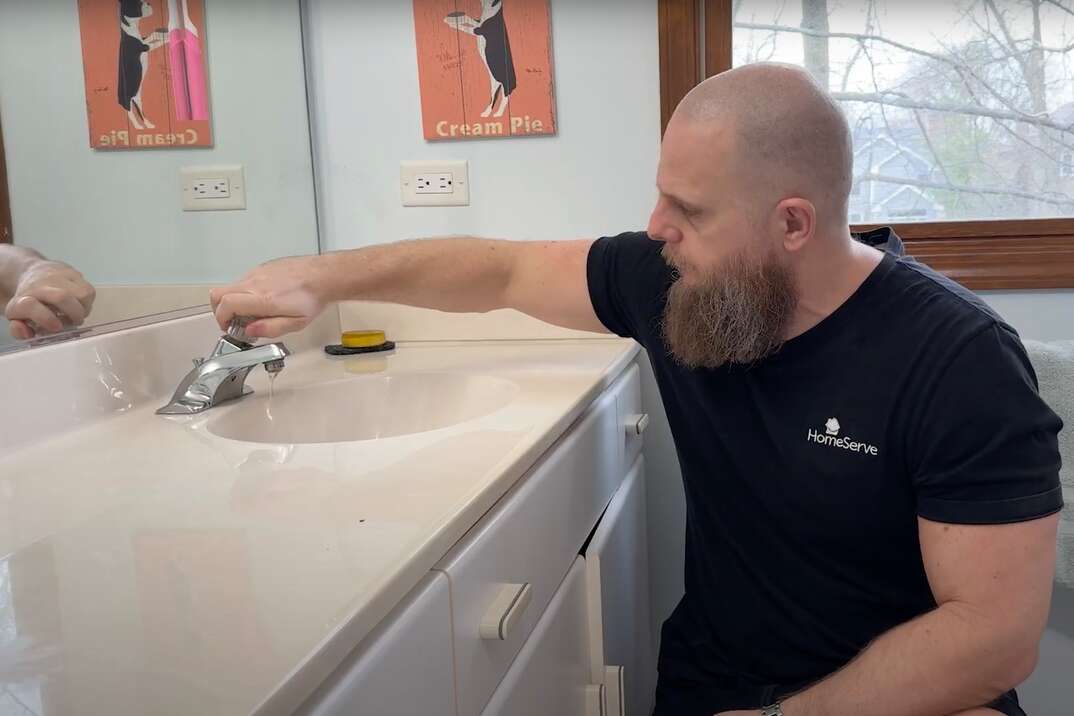
Small objects accidentally dropped into the sink can cause clogs. Items like bottle caps, utensils, or twist ties block pipes. Kitchen debris such as coffee grounds or eggshells also clump together. These clumps form dense masses that stop water flow. Removing these objects quickly prevents tough blockages.
Credit: www.homeserve.com
Tools Needed For Plunging A Sink
Plunging a kitchen sink needs the right tools to work well. Using proper tools makes the job faster and safer. It helps clear clogs without causing damage. Knowing what to have on hand makes plunging less stressful. Below are the key tools needed to plunge a sink effectively.
Choosing The Right Plunger
Not all plungers are the same. A kitchen sink often needs a cup plunger or a flange plunger. A cup plunger has a simple rubber cup. It works best on flat surfaces like sinks. A flange plunger has an extra rubber flap. This helps seal the drain better. Pick a plunger that fits your sink drain well. A good seal improves pressure and clears clogs faster.
Additional Useful Tools
- Rubber gloves protect your hands from dirt and germs.
- A bucket helps catch water if the sink overflows.
- Old towels or rags absorb spills and keep the area dry.
- A drain snake can reach deeper clogs if plunging fails.
- Cleaning brush helps scrub away residue after plunging.
Step-by-step Plunging Technique
Plunging a kitchen sink clears clogs by creating pressure to push blockages away. Start by sealing overflow holes, then plunge firmly up and down. Repeat until water drains smoothly.
Unclogging a kitchen sink might seem daunting, but it can be quite straightforward with the right technique. Plunging is a simple, effective method that can save you the hassle of calling a plumber. Let's break down the step-by-step technique to help you get your sink back in working order.
Preparing The Sink
Before you begin, ensure your sink is ready for plunging. Remove any visible debris or food scraps that might be causing the blockage. Fill the sink with enough water to cover the plunger’s cup—this water will help create the necessary suction. If you have a double sink, make sure to block the other drain with a wet cloth or a sink stopper. This prevents air from escaping and enhances the suction in the clogged side.
Proper Plunging Motions
Position the plunger directly over the drain, ensuring it's fully submerged and seals tightly against the sink. Press down firmly, then pull up sharply but not completely off the drain. Repeat these motions in quick succession, maintaining a steady rhythm. After about 15 to 20 plunges, check if the water starts to drain. If not, give it another series of plunges. You might be surprised at how persistent plunging can dislodge stubborn clogs.
When To Stop And Check
Pause after a few plunging attempts to see if the water drains smoothly. If the water level in the sink lowers, you’re on the right track. Sometimes you might notice an unpleasant gurgling sound—that's a good sign indicating the clog is breaking up. If the sink remains blocked after several attempts, you might need to consider other solutions like a plumbing snake or professional help. Have you ever thought about how many kitchen sink clogs you could have avoided with regular maintenance? Regularly cleaning your drains can prevent future blockages and keep your kitchen running smoothly.
Credit: www.thekitchn.com
Alternative Quick Fixes For Clogs
Dealing with a clogged kitchen sink can be frustrating, especially when you’re in the middle of cooking or cleaning. While plunging is a common go-to, there are several alternative quick fixes you can try to clear the blockage without the splash and hassle. These options often use simple household items or basic tools you might already have, saving you time and money.
Using Baking Soda And Vinegar
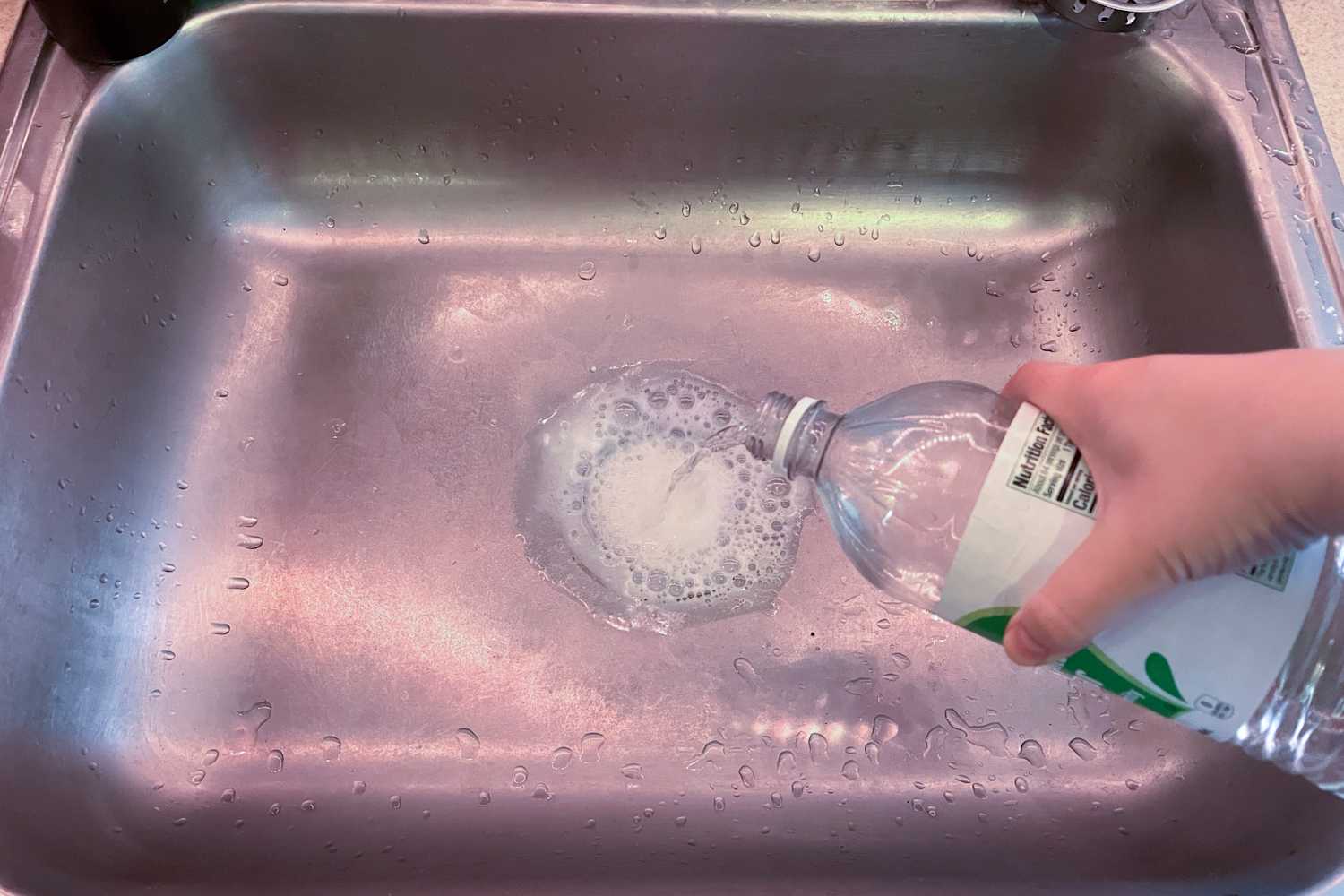
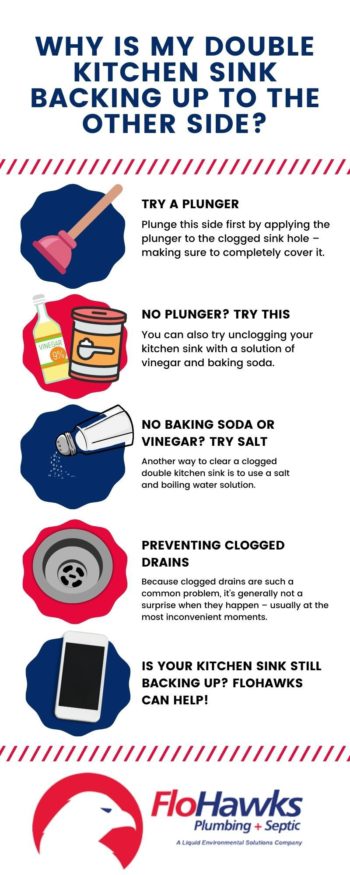
This classic combo is more than just a science experiment—it’s a powerful natural cleaner. Start by pouring about half a cup of baking soda down the drain, followed by half a cup of vinegar. The fizzing reaction helps break down grime and minor clogs.
Let the mixture sit for 15–20 minutes, then flush it with hot water. I once cleared a slow drain in less than 30 minutes using this method alone. Have you ever noticed how effective household ingredients can be when used creatively?
Manual Removal Of Blockages
Sometimes, the clog is within easy reach. You can use a wire hanger or a specialized drain snake to manually pull out debris like hair or food scraps. Be gentle to avoid damaging your pipes.
Remove the drain cover first, then carefully insert your tool to fish out the blockage. This hands-on approach works well if you can see or feel the obstruction near the surface. Have you tried this before and been surprised by what you pulled out?
Chemical Drain Cleaners: Pros And Cons
Chemical drain cleaners promise a quick fix by dissolving clogs fast. However, they come with significant risks. These harsh chemicals can damage your pipes over time and pose safety hazards if not handled properly.
Use them sparingly and follow all instructions carefully. Consider whether a quick fix is worth potential long-term damage. Would you risk your plumbing for immediate relief, or prefer safer, slower solutions?
When To Call A Professional
Knowing when to call a professional plumber can save your kitchen sink and your sanity. While plunging is often a quick fix, some problems need expert hands to avoid worsening the situation. Recognizing the signs and understanding the risks of DIY attempts will help you decide the best course of action.
Signs Of Serious Drain Issues
Is your sink draining slower than usual despite plunging? Persistent clogs that return quickly often signal a deeper blockage in the pipes.
Listen for gurgling sounds when water drains—this can mean air trapped in the pipes or a venting problem.
Foul odors that don’t go away after cleaning could indicate buildup beyond your reach, like grease or food debris stuck far down the drain.
Water backing up into other drains or your dishwasher is a red flag for major blockages or even sewer line issues.
Avoiding Damage From Diy Attempts
Have you ever used too much force with a plunger and ended up making the clog worse? This happens when you’re pushing debris further into the pipes instead of clearing it.
Using chemical drain cleaners might seem tempting but these can damage your pipes over time and harm the environment.
Improper plunging techniques can loosen pipe joints or crack old plumbing, leading to leaks and costly repairs.
Knowing when to step back and call a professional prevents turning a minor clog into a major plumbing disaster. Would you risk damaging your home’s plumbing just to save a few dollars?
Preventing Future Kitchen Sink Clogs
Preventing kitchen sink clogs saves time and stress. Simple habits protect your pipes and keep water flowing smoothly. A few easy changes in daily use can avoid blockages. Regular care stops buildup before it becomes a problem. Below are tips for proper disposal and maintenance.
Proper Disposal Habits
- Do not pour grease or oil down the drain.
- Use a strainer to catch food scraps.
- Throw coffee grounds and eggshells in the trash.
- Avoid flushing large amounts of starch, like rice or pasta.
- Dispose of fibrous vegetables, like celery, in compost or trash.
Regular Maintenance Tips
- Run hot water through the drain after each use.
- Flush drains weekly with a mixture of baking soda and vinegar.
- Use a plunger gently at the first sign of slow drainage.
- Check pipes for leaks or damage every few months.
- Schedule professional drain cleaning once a year.
Credit: flohawks.com
Frequently Asked Questions
Can I Use A Plunger On A Kitchen Sink?
Yes, you can use a plunger on a kitchen sink to clear clogs. Ensure there is enough water to cover the plunger’s cup for better suction. Avoid excessive force to prevent pipe damage.
How Do I Safely Plunge A Kitchen Sink?
To safely plunge a kitchen sink, block the overflow hole with a wet cloth. Use a cup plunger and create a tight seal. Pump slowly and steadily to dislodge the clog without damaging pipes.
What Types Of Clogs Can A Plunger Fix?
A plunger can fix minor clogs caused by food particles, grease, or soap buildup. It works best on blockages near the drain. For severe or deep blockages, other methods might be necessary.
When Should I Avoid Plunging My Kitchen Sink?
Avoid plunging if you have a garbage disposal or if water leaks. Also, skip plunging if the clog is caused by solid objects. In these cases, professional help or alternative methods are safer.
Conclusion
Plunging a kitchen sink can often fix common clogs quickly. Use the plunger carefully to avoid making the problem worse. Make sure to cover the drain fully for best results. If the water still drains slowly, the clog might be deeper.
Avoid using harsh chemicals that can damage pipes. Call a plumber if you are unsure or the clog stays. Regular cleaning helps prevent future blockages in your sink. Simple steps can keep your kitchen sink working well.