
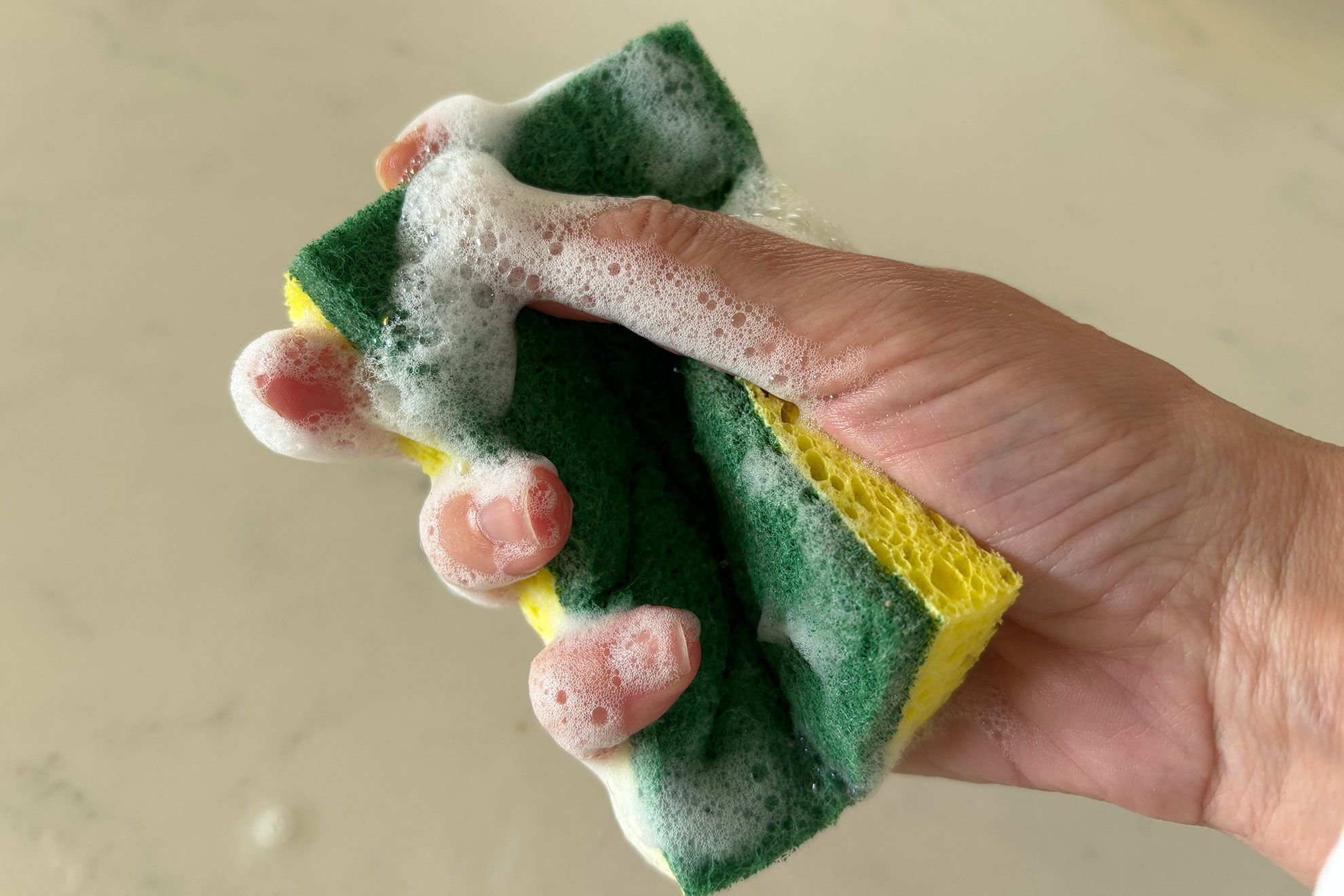
Your kitchen sponge works hard every day, scrubbing away grease and grime. But have you ever stopped to think about how often you should replace it?
Using an old sponge can actually do more harm than good, turning your cleaning tool into a breeding ground for bacteria. If you want to keep your kitchen truly clean and safe, it’s crucial to know the right time to toss that sponge.
Keep reading to discover simple tips that will protect your health and keep your kitchen sparkling fresh.

Credit: amazonascrub.com
Why Replace Kitchen Sponges
Replacing your kitchen sponge regularly is more important than you might think. Many people keep using the same sponge until it looks dirty or smells bad, but by then, it’s often already a hotbed for germs. Understanding why you need to replace your sponge can help you keep your kitchen cleaner and safer.
Bacteria Growth Risks
Kitchen sponges are perfect breeding grounds for bacteria. They stay damp and collect food particles, creating an environment where harmful microbes multiply quickly.
Studies have shown that kitchen sponges can carry more bacteria than a toilet seat. Imagine what that means for your dishes and surfaces.
Have you ever noticed a foul smell from your sponge? That’s often a sign of bacterial buildup, which can lead to foodborne illnesses.
Signs Of Wear And Tear
Sponges don’t last forever. Over time, they start to break down, losing their scrubbing power and becoming less effective at cleaning.
Look for signs like fraying edges, discoloration, or persistent odors that won’t go away even after rinsing or sanitizing.
Using a worn-out sponge means you’re not cleaning as well as you could be, which can leave behind germs and dirt.
Impact On Food Safety
Your sponge touches everything from dirty dishes to cutting boards. If it’s full of bacteria, it can transfer them to your food or kitchen surfaces.
This cross-contamination increases the risk of food poisoning, especially if you’re handling raw meat or vegetables.
Replacing your sponge regularly helps reduce these risks, keeping your kitchen a healthier place to prepare meals.
Recommended Replacement Frequency
Replacing your kitchen sponge regularly keeps your kitchen cleaner and safer. Sponges hold many germs from daily use. Knowing how often to change them helps prevent bacteria buildup. The right timing depends on usage, type, and care habits.
Daily Use Guidelines
Use your kitchen sponge every day? Replace it at least once a week. If you clean raw meat or heavy grease often, swap it more frequently. Watch for bad smells or worn-out texture. These signs mean it’s time for a new sponge. Daily rinsing and drying can extend sponge life but not forever.
Factors Affecting Lifespan
- Moisture:Sponges stay wet and breed bacteria faster.
- Cleaning habits:Sanitizing sponges can slow bacteria growth.
- Type of food residue:Raw meat and dairy leave more germs.
- Frequency of use:More use means faster wear and tear.
Differences Between Sponge Types
| Sponge Type | Replacement Frequency | Notes |
|---|---|---|
| Cellulose | 1 week | Absorbs water well, but holds bacteria. |
| Foam | 2 weeks | Dries quickly, less bacteria buildup. |
| Natural fiber | 1-2 weeks | Biodegradable, but can break down fast. |
Maintaining Sponge Hygiene
Kitchen sponges can hold many germs and should be replaced often. Changing them every one to two weeks keeps your kitchen cleaner and safer. Regular replacement helps prevent bacteria buildup and bad odors.
Maintaining Sponge Hygiene is crucial for a clean kitchen. Sponges can harbor bacteria if not cared for properly. Keep your kitchen safe with these simple tips.
Effective Cleaning Methods
Clean your sponge daily to kill germs. Use hot, soapy water and rinse thoroughly. Microwave the damp sponge for one minute to eliminate bacteria. Boiling the sponge for five minutes also works well.
Drying And Storage Tips
Always dry your sponge between uses. Store it in a well-ventilated area. A dry sponge reduces bacterial growth. Avoid keeping it in a closed, damp space.
Avoiding Cross-contamination
Use separate sponges for different tasks. Have one for dishes and another for cleaning surfaces. This prevents bacteria from spreading. Replace sponges regularly, ideally every two weeks.

Credit: www.absolutecleaning.com.sg
Alternatives To Traditional Sponges
Traditional kitchen sponges often harbor bacteria and wear out quickly, making it smart to consider other options. Alternatives can offer better hygiene, durability, and even be kinder to the environment. Let’s look at some practical choices you might want to try in your kitchen.
Reusable Cloths And Brushes
Reusable cloths and brushes can be a solid replacement for sponges. Cloths made from microfiber or cotton are easy to wash and dry quickly, reducing bacteria buildup. Brushes with stiff bristles clean dishes well and dry faster than sponges, making them less likely to smell.
I switched to a wooden dish brush a few months ago, and it’s been a game-changer. It lasts longer and cleans stubborn grime better than my old sponge ever did. Plus, it’s much easier to keep clean between uses.
Natural And Eco-friendly Options
Natural sponges and eco-friendly scrubbers are great if you want to reduce plastic waste. Materials like cellulose, loofah, or coconut fiber break down naturally and avoid synthetic chemicals. These options often come without harsh dyes or fragrances, which can irritate sensitive skin.
Have you ever thought about how much waste your kitchen generates just from sponges? Switching to biodegradable scrubbers can make a noticeable difference over time.
Benefits Of Using Alternatives
- Better hygiene:Many alternatives dry faster and resist bacteria growth.
- Durability:Brushes and cloths often last longer than sponges, saving money.
- Environmentally friendly:Natural materials reduce plastic pollution and landfill waste.
- Cost-effective:Though some options cost more upfront, their longevity balances the price.
What if you could improve your kitchen’s cleanliness and reduce waste with a simple change? Trying out alternatives to sponges could be the small step that makes a big difference in your daily routine.
Signs You Need A New Sponge Now
Knowing when to replace your kitchen sponge is important for keeping your kitchen clean and safe. Sponges can hide germs and dirt that you cannot see. Some signs tell you that your sponge needs to be changed right away. Watch for these clear signals to avoid spreading bacteria and keep your dishes sparkling.
Unpleasant Odors
A strong, bad smell from your sponge is a warning sign. Sponges often smell due to trapped food particles and bacteria. If your sponge smells sour or rotten, it is time to toss it. A fresh sponge should not have any unpleasant odor.
Visible Mold Or Mildew
Dark spots or fuzzy patches on your sponge show mold or mildew growth. Mold can cause health problems and spread quickly. Never use a sponge with visible mold. Replace it immediately to protect your health and kitchen cleanliness.
Reduced Cleaning Efficiency
If your sponge stops cleaning well, it needs replacing. Old sponges become soft and fall apart. They leave dirt and grease behind instead of removing it. Use a new sponge for better scrubbing power and cleaner dishes every time.

Credit: www.taste.com.au
Frequently Asked Questions
How Often Should I Replace My Kitchen Sponge?
Replace your kitchen sponge every 1 to 2 weeks. Frequent use and moisture cause bacteria buildup. Regular replacement keeps your kitchen hygienic and reduces odor.
Can I Sanitize A Kitchen Sponge Instead Of Replacing It?
Yes, sanitize sponges by microwaving damp sponges for 1-2 minutes or soaking them in bleach solution. However, sanitizing only extends sponge life briefly; replacement is still necessary.
What Are Signs My Kitchen Sponge Needs Replacement?
A sponge needs replacement if it smells bad, looks discolored, or feels slimy. These signs indicate bacterial growth and reduced cleaning effectiveness.
Does Replacing Sponges Frequently Improve Kitchen Hygiene?
Yes, frequent sponge replacement reduces bacteria and cross-contamination risks. Clean sponges ensure better cleaning and protect your family from harmful germs.
Conclusion
Kitchen sponges get dirty fast and can spread germs. Replace your sponge every one to two weeks. If it smells bad or looks worn, toss it out. Keeping a fresh sponge helps keep your kitchen clean and safe. Small steps like this protect your family’s health.
Don’t wait until your sponge is full of bacteria. Stay on top of sponge care for a healthier kitchen. Easy and smart.