
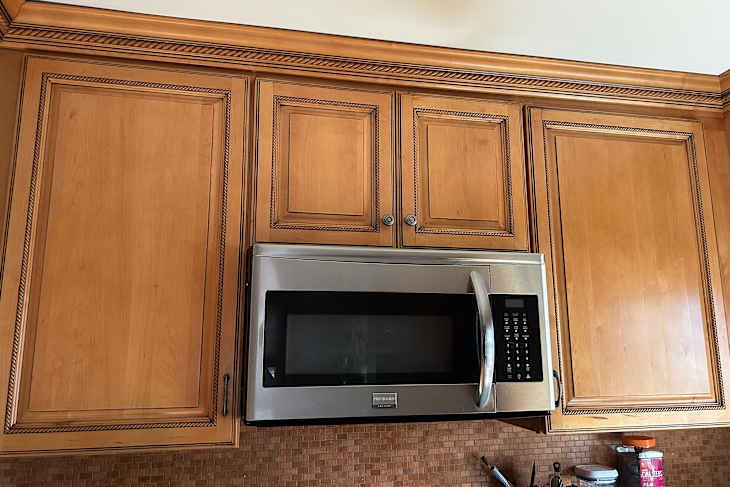
Are you wondering if Murphy Oil Soap is the right choice to clean your kitchen cabinets? You want your cabinets to look fresh and spotless without damaging the finish or leaving behind sticky residue.
Choosing the wrong cleaner can make your cabinets dull or even ruin them over time. You’ll discover the truth about Murphy Oil Soap and how it works on kitchen cabinets. Keep reading to find out if it’s the easy, effective solution you’ve been searching for.
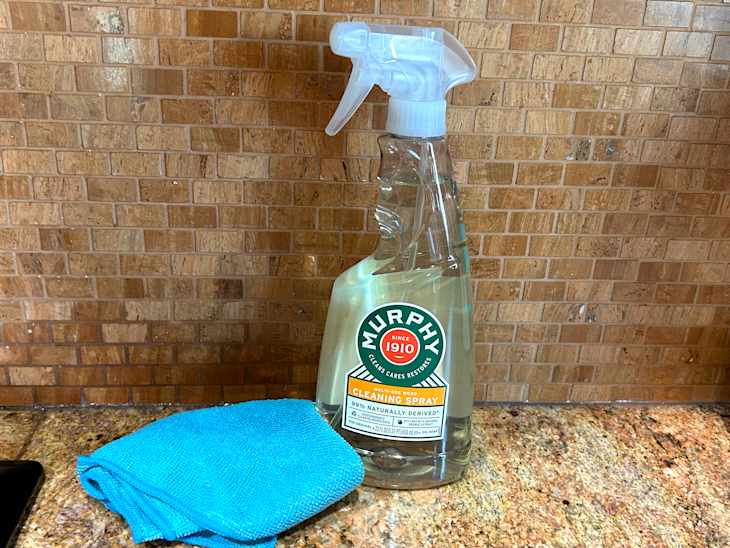
Credit: www.thekitchn.com
Properties Of Murphy Oil Soap
Understanding the properties of Murphy Oil Soap helps you decide if it’s the right choice for cleaning your kitchen cabinets. This soap has been trusted for generations, but what exactly makes it effective and safe? Let’s break down its key properties to see how it interacts with your cabinets.
Natural Ingredients
Murphy Oil Soap is made primarily from natural vegetable oils, which means it avoids harsh chemicals. This makes it a safer option for your kitchen environment, especially if you want to keep your space toxin-free. Have you ever checked the label on your cleaning products? You might be surprised how many contain synthetic additives that can damage wood over time.
Gentle Cleaning Action
The soap’s gentle formula works by lifting dirt and grime without stripping away the wood’s natural oils. This means it cleans effectively without leaving behind residue or causing dryness. If you’ve ever used a strong cleaner and noticed your cabinets becoming dull or cracked, you’ll appreciate how Murphy Oil Soap treats surfaces with care.
Suitability For Wood Surfaces
Murphy Oil Soap is specifically designed for wood, making it ideal for kitchen cabinets made from hardwood or veneer. It helps maintain the wood’s finish and can even enhance its natural shine with regular use. Are your cabinets looking tired or worn? Using a product tailored for wood can extend their life and keep them looking fresh longer.
Benefits For Kitchen Cabinets
Murphy Oil Soap offers many benefits for cleaning kitchen cabinets. It helps maintain their look and extends their life. This product cleans without harsh chemicals. It works gently yet effectively on wood surfaces. Using it keeps cabinets fresh and well-cared-for over time.
Effective Dirt Removal
Murphy Oil Soap cuts through grease and grime easily. It lifts dirt without scrubbing too hard. This helps avoid damage to delicate cabinet surfaces. The soap reaches into crevices and corners. Cabinets look cleaner without residue or streaks.
Preserving Wood Finish
The soap nourishes wood while cleaning it. It does not strip away natural oils or finish. Cabinets stay shiny and smooth after use. This protects the wood from cracking and drying. Regular cleaning with Murphy Oil Soap keeps wood healthy.
Safe For Various Cabinet Types
Murphy Oil Soap works well on different wood kinds. It is also safe for painted or varnished cabinets. No harsh chemicals mean less risk of discoloration. The gentle formula suits many kitchen surfaces. This makes it a versatile choice for most homes.
Potential Drawbacks
Murphy Oil Soap may leave residue on some cabinet finishes, causing a sticky feel. Prolonged use can dull wood surfaces or remove protective coatings. Testing on a small area first is wise to avoid damage.
When considering Murphy Oil Soap for your kitchen cabinets, understanding potential drawbacks is crucial. While it's a popular choice, certain limitations could affect its suitability for your cleaning needs. Let's explore some potential concerns to ensure it aligns with your expectations.
Residue Concerns
Using Murphy Oil Soap might leave a residue on your kitchen cabinets. This can be particularly noticeable on darker surfaces, where streaks and dullness become apparent. Regularly wiping with a clean, damp cloth afterward can help, but it requires extra effort.
Not Ideal For Painted Surfaces
Murphy Oil Soap is not the best choice for painted kitchen cabinets. Its formula can strip paint or dull the finish over time. If your cabinets are painted, consider a gentler cleaner to maintain the vibrancy and integrity of the paint.
Possible Allergic Reactions
Some individuals may experience allergic reactions when using Murphy Oil Soap. If you have sensitive skin, you might notice irritation or a rash. Wearing gloves can minimize contact, but it's wise to test a small area first to gauge any adverse effects. Have you ever noticed any drawbacks when cleaning with Murphy Oil Soap? Understanding these potential downsides ensures you choose the right product for your kitchen's needs. Your cabinets deserve the best care, and informed decisions lead to better results.
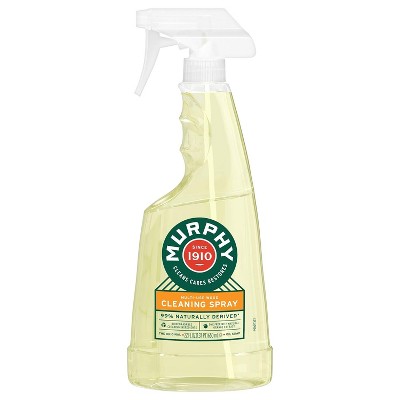
Credit: www.target.com
Comparison With Other Cleaners
Choosing the right cleaner for your kitchen cabinets can be tricky, especially with so many options available. Murphy Oil Soap often comes up in the discussion, but how does it stack up against other popular cleaners? Let's look at key factors that might influence your choice, from the type of ingredients to cost and ease of use.
Chemical Vs. Natural Cleaners
Murphy Oil Soap is known for its natural ingredients, primarily derived from vegetable oils. This makes it gentler on wood surfaces compared to many chemical-based cleaners that can strip finish or cause damage over time.
Chemical cleaners often promise quick grease removal and disinfecting power, but they can leave behind harsh residues. Have you noticed how some chemical sprays leave your cabinets feeling sticky or dull after cleaning?
Natural cleaners like Murphy Oil Soap not only clean but also help maintain your cabinets’ finish. If you want a product that cares for your wood while cleaning, this might be a better option.
Cost And Availability
Murphy Oil Soap is widely available in grocery stores and online, making it an easy choice for most households. It’s typically priced moderately, falling somewhere between budget chemical cleaners and specialty natural products.
Some chemical cleaners can be cheaper upfront but might require more frequent use or cause damage that costs more to repair. On the other hand, some natural cleaners come with a higher price tag but offer better long-term value.
Have you ever weighed the initial cost against how long a product lasts? Murphy Oil Soap often comes in concentrated forms, so a little goes a long way, stretching your dollar further.
Ease Of Use
One of the standout benefits of Murphy Oil Soap is its simplicity. You usually dilute it with water before applying, which can feel more controlled and less harsh than using a full-strength chemical spray.
Chemical cleaners often come ready to use, which saves time but might require extra rinsing or wiping to remove residue. This adds an extra step you might not need with Murphy.
Have you experienced frustration with streaks or residue after cleaning? Many users find Murphy Oil Soap leaves cabinets looking clean and fresh without extra effort, making it a practical choice for regular upkeep.
Expert Tips For Using Murphy Oil Soap
Using Murphy Oil Soap to clean your kitchen cabinets can be highly effective if done correctly. Experts recommend paying close attention to how you dilute the soap, how often you clean, and the best ways to apply it. These tips help you protect your cabinets’ finish while keeping them looking fresh and spotless.
Proper Dilution Ratios
Mixing Murphy Oil Soap with water in the right ratio is crucial. Too strong a solution can damage wood finishes, while too weak won’t clean well. A common expert recommendation is to add about 1 tablespoon of Murphy Oil Soap to 1 gallon of warm water.
This dilution gently lifts dirt and grease without stripping protective oils. Always use a soft cloth or sponge soaked in the solution rather than pouring it directly on your cabinets. Have you measured your mix before? Small adjustments can make a big difference.
Cleaning Frequency
How often should you clean your kitchen cabinets with Murphy Oil Soap? It depends on your kitchen’s use and environment. For most households, once a month is enough to remove grime and maintain the finish.
In high-use kitchens, you might want to clean every two weeks, especially if you cook frequently or have kids. Over-cleaning can dry out wood surfaces, so balance is key. What’s your current cleaning routine, and could it be improved?
Application Techniques
Applying Murphy Oil Soap properly ensures the best results. Use a soft microfiber cloth or sponge dampened—not soaked—with the cleaning solution. Wipe along the grain of the wood to avoid streaks and potential damage.
Rinse your cloth often in clean water to avoid spreading dirt back onto cabinets. After wiping, dry the surface with a clean, dry cloth to prevent water spots or warping. Have you tried this method before? It might be the step your cleaning routine is missing.
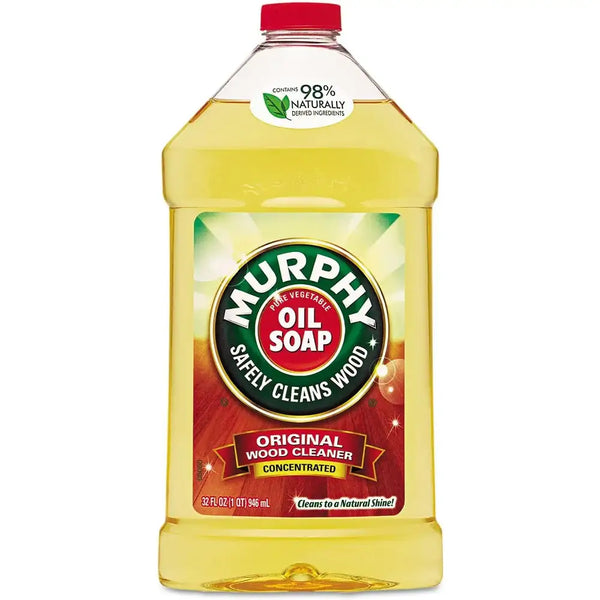
Credit: www.britishfoodsupplies.com
Alternative Cleaning Options
Several alternative cleaning options provide effective ways to clean kitchen cabinets. These options vary in ingredients and methods, catering to different preferences and needs. Choosing the right cleaner depends on the cabinet material and the level of dirt or grease.
Vinegar And Water Solutions
A vinegar and water mix is a simple, natural cleaner. It cuts through grease and grime gently without harsh chemicals. Mix equal parts of white vinegar and water in a spray bottle. Spray on cabinets and wipe with a soft cloth. Avoid soaking wood cabinets to prevent damage.
Commercial Cabinet Cleaners
Commercial cleaners designed for cabinets offer convenience and strong cleaning power. These products often contain ingredients to remove tough stains and protect surfaces. Choose a cleaner labeled safe for your cabinet type. Follow the instructions carefully to avoid damage.
Diy Natural Cleaners
Natural cleaners made at home can be effective and safe. Common ingredients include baking soda, lemon juice, and olive oil. Baking soda scrubs away stains gently. Lemon juice adds freshness and cuts grease. Olive oil helps restore shine to wooden surfaces. Mix and test on a small area first.
Frequently Asked Questions
Is Murphy Oil Soap Safe For Kitchen Cabinet Finishes?
Yes, Murphy Oil Soap is safe for most wood finishes. It gently cleans without stripping natural oils or damaging the surface. Always test a small area first to ensure compatibility with your cabinet’s finish.
Can Murphy Oil Soap Remove Grease From Cabinets?
Murphy Oil Soap effectively cuts through light grease and grime. Its natural ingredients make it ideal for regular kitchen cabinet cleaning. For heavy grease buildup, multiple applications or stronger cleaners might be necessary.
How Often Should I Use Murphy Oil Soap On Cabinets?
Use Murphy Oil Soap to clean kitchen cabinets every 1-2 weeks. Regular cleaning prevents dirt buildup and maintains wood’s natural shine. Avoid over-wetting and always dry cabinets after cleaning.
Does Murphy Oil Soap Leave Residue On Cabinets?
No, Murphy Oil Soap rinses off easily and leaves no sticky residue. This helps keep your kitchen cabinets looking clean and polished without attracting dust or grime.
Conclusion
Murphy Oil Soap works well for cleaning kitchen cabinets. It removes dirt without harming wood surfaces. You can use it safely on most finishes. Just mix with water and wipe gently. Avoid soaking the wood to keep it safe. Regular cleaning helps cabinets look fresh and last longer.
Simple, effective, and easy to use. A good choice for everyday kitchen care. Give your cabinets a clean, natural shine.