
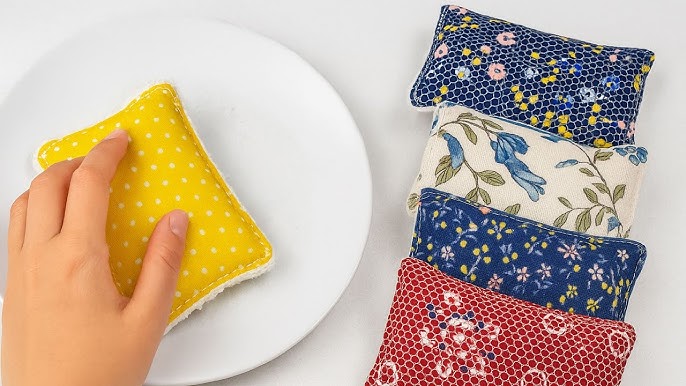
Are you tired of throwing away kitchen sponges every week? What if you could make your own reusable sponges that save you money and help the environment?
You’ll discover simple steps to create durable, eco-friendly kitchen sponges right at home. Imagine having sponges that last longer, clean better, and reduce waste in your kitchen. Keep reading—you’re about to learn how easy it is to make a small change that makes a big difference for your home and the planet.

Credit: ecoboo.net
Benefits Of Reusable Sponges
Reusable kitchen sponges offer more than just a way to clean your dishes—they bring a variety of benefits that can positively impact your life and the planet. Choosing reusable options changes how you approach your daily chores and even your budget. Let's dive into some key advantages that might make you rethink your current sponge routine.
Environmental Impact
Disposable sponges add a lot of waste to landfills every year. By switching to reusable sponges, you cut down on plastic waste significantly. These sponges often use natural or biodegradable materials, which break down much faster and don’t release harmful chemicals into the environment.
Think about the last time you threw away a synthetic sponge after just a week. How many sponges does your household use monthly? Reducing that number helps conserve resources and lowers pollution.
Cost Savings
Reusable sponges save you money over time because you don’t need to replace them as often. While the initial cost might be slightly higher, they last much longer than typical disposable sponges. This means fewer trips to the store and less spending on cleaning supplies.
Imagine spending half as much on sponges this year. That extra cash could go toward other household needs or even a treat for yourself. Small savings add up quickly when you choose durable, reusable options.
Health Advantages
Kitchen sponges can harbor bacteria if they are not cleaned or replaced often. Reusable sponges made from natural fibers are less likely to trap harmful germs. Plus, many can be sanitized easily by boiling or microwaving, keeping your kitchen safer.
Have you noticed how quickly your usual sponge starts to smell? That’s a sign of bacteria buildup. Using reusable sponges that you can clean thoroughly helps reduce this risk and protects your family’s health.
Materials Needed
Gathering the right materials is the first step to creating effective reusable kitchen sponges. The quality and type of materials you choose will affect how well your sponge cleans and how long it lasts. Let’s look at the essential items you need to start making your own eco-friendly sponges.
Natural Fabrics
Natural fabrics like cotton and linen work best for reusable sponges. They absorb water well and dry quickly, preventing bacteria buildup.
- Organic cotton:Soft and durable, it’s gentle on dishes but tough on grime.
- Linen:Stronger than cotton and dries even faster.
- Bamboo fabric:Naturally antibacterial and very absorbent.
Have you noticed how synthetic sponges start smelling after a few uses? Natural fabrics can help you avoid that problem.
Scrubbing Surfaces
To tackle stubborn food residue, you need a rougher fabric on one side of your sponge. This adds scrubbing power without scratching your cookware.
- Hessian or burlap:Coarse and sturdy, perfect for scrubbing.
- Jute fabric:Natural and biodegradable, offering great texture.
- Recycled nylon mesh:A budget-friendly option if you want a firmer scrub.
Would you prefer a sponge that’s all soft or one that can scrub tough spots without extra tools?
Sewing Supplies
You don’t need fancy tools to sew your sponge, but a few supplies make the process easier and more durable.
- Strong thread:Polyester or cotton thread that won’t break easily.
- Needle:A sharp sewing needle or a hand-sewing kit.
- Scissors:For cutting your fabric to size.
- Optional:A sewing machine for faster stitching.
Think about how often you cook and clean—will you make a single sponge or several? Having these supplies handy means you can quickly replace worn-out sponges without running to the store.
Step-by-step Sponge Making
Making reusable kitchen sponges is a rewarding DIY project. It saves money and reduces waste. Follow this simple guide to create your own sponges at home. The process is straightforward and fun.
Cutting The Fabric
Select durable fabric like cotton or terry cloth. These materials work well for sponges. First, wash and dry the fabric to pre-shrink it. Cut the fabric into rectangles. A size of 4x6 inches is ideal for a kitchen sponge. Use sharp scissors for clean edges. Cutting accurately ensures layers fit well together.
Assembling Layers
Layering is key for a thick sponge. Stack two pieces of fabric for each sponge. Add a layer of mesh or netting. This adds scrubbing power. Ensure all layers align properly. Use pins to hold them in place. This step prepares your sponge for sewing.
Sewing Techniques
Sewing binds the layers securely. A sewing machine speeds up the process. Use a zigzag stitch for strong seams. Stitch around the edges, leaving a small gap. This gap lets you turn the sponge inside out. After turning, sew the gap closed. Reinforce edges with another round of stitches. Your reusable sponge is now ready to use.
Customizing Your Sponges
Customizing your reusable kitchen sponges makes cleaning easier and more fun. Personal touches help the sponges fit your cleaning style. You can change texture, size, and look. These simple tweaks improve sponge use and lifespan.
Adding Scouring Pads
Attach a scouring pad to one side of the sponge. It helps scrub tough stains and grime quickly. Use hot glue or sew it on tightly. Choose a scouring pad that is gentle to avoid scratching surfaces. This mix of soft sponge and rough scouring works well for pots and pans.
Decorative Touches
Make your sponges look nice with colorful fabric or ribbons. Use fabric scraps to cover the sponge and sew or glue them. Add small buttons or patches for a unique style. Decorative touches make sponges easy to spot and add charm to your kitchen.
Size And Shape Variations
Cut sponges into different shapes to fit your needs. Smaller sponges are good for tight spaces. Larger ones cover more surface area fast. Try round, square, or even heart shapes for variety. Custom sizes improve comfort and efficiency while cleaning.
Maintaining Reusable Sponges
Maintaining reusable kitchen sponges is key to keeping them clean and lasting longer. Proper care stops bacteria build-up and keeps your kitchen safe. Simple steps can help your sponges stay fresh and useful.
Cleaning Methods
- Rinse sponges well after each use to remove food particles.
- Soak in a mix of water and vinegar for 5 minutes to kill germs.
- Microwave wet sponges for 1-2 minutes to sanitize them safely.
- Place sponges in the dishwasher top rack to clean deeply.
- Use baking soda paste to scrub and refresh sponge texture.
Drying Tips
- Squeeze out excess water after cleaning to prevent mold growth.
- Keep sponges in a well-ventilated area to dry quickly.
- Avoid leaving sponges in the sink or damp places.
- Use a sponge holder that allows air circulation around the sponge.
- Rotate sponges regularly to allow each one to dry fully.
When To Replace
- Replace sponges if they smell bad despite cleaning.
- Discard sponges that tear or lose shape easily.
- Change sponges every 2-4 weeks for best hygiene.
- Use separate sponges for different tasks to avoid cross-contamination.
- Notice any discoloration or slimy feel as signs to replace.
Credit: welcometonanas.com
Alternative Eco-friendly Sponge Ideas
If you want to reduce waste in your kitchen, switching to eco-friendly sponges is a simple and effective step. There are plenty of creative alternatives that you can make or buy, which last longer and break down naturally without harming the environment.
Think about what you use your sponge for. Some tasks need a rough scrubber, while others require something soft and absorbent. Choosing the right alternative can make your cleaning routine both greener and easier.
Crocheted Cotton Sponges
Crocheted cotton sponges are soft, durable, and washable. You can make them yourself with cotton yarn, which is gentle on dishes but tough on grime.
They dry quickly and resist odors better than synthetic sponges. Plus, you can toss them in the washing machine to keep them fresh.
Have you tried making one? It’s a fun project and a great way to customize your sponge size and texture.
Loofah Options
Loofahs are natural sponges made from dried gourd fibers. They provide a firm scrub that’s perfect for pots and pans without scratching surfaces.
Besides being compostable, loofahs can also be cut into smaller pieces to suit different cleaning needs. They dry out fast, reducing bacteria growth.
If you haven’t used a loofah before, consider giving it a try for tougher kitchen messes. You might be surprised how well it works.
Upcycled Materials
Look around your home for materials that can be repurposed into cleaning sponges. Old cotton t-shirts, dish towels, or even felt scraps can be cut and sewn into reusable scrubbers.
Upcycling saves money and keeps fabric out of landfills. You can create layered sponges by stitching together scraps for extra scrubbing power.
What unused textiles do you have that could get a second life in your kitchen? This approach personalizes your cleaning tools and cuts down on waste.

Credit: www.bambuhome.com
Frequently Asked Questions
What Materials Are Best For Reusable Kitchen Sponges?
Reusable kitchen sponges are best made from natural fibers like cotton or cellulose. These materials are biodegradable and durable. They absorb water well and resist odors. Avoid synthetic sponges that contain harmful chemicals. Natural materials are eco-friendly and safe for everyday cleaning.
How Do You Clean Reusable Kitchen Sponges Effectively?
To clean reusable kitchen sponges, soak them in hot water with vinegar or baking soda. Microwave damp sponges for one minute to kill bacteria. Regular cleaning prevents odors and extends sponge life. Always rinse and dry sponges thoroughly after each use.
How Long Do Reusable Kitchen Sponges Last?
Reusable kitchen sponges typically last 3 to 4 weeks with proper care. Lifespan depends on use frequency and cleaning habits. Replace sponges when they smell bad or break apart. Regular cleaning helps maintain their effectiveness and hygiene.
Can Reusable Kitchen Sponges Be Composted?
Yes, reusable kitchen sponges made from natural fibers can be composted. Avoid composting synthetic or plastic-based sponges. Composting reduces landfill waste and supports sustainable kitchen practices. Cut sponges into smaller pieces for faster decomposition.
Conclusion
Reusable kitchen sponges save money and reduce waste. Making them at home is simple and fun. You choose safe materials and control quality. These sponges last longer than store-bought ones. Cleaning your kitchen becomes eco-friendly and easy. Small changes like this help the planet.
Try making your own sponges today. Enjoy a cleaner kitchen and a greener home.