
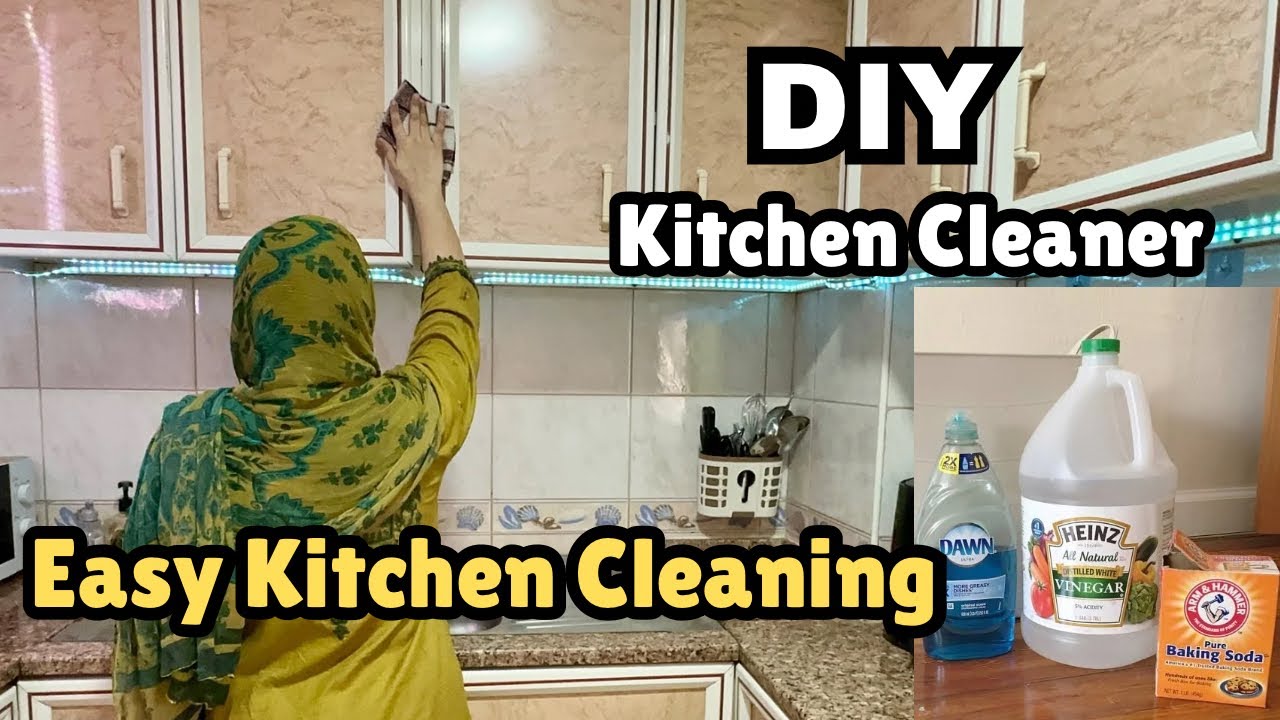
Are you tired of using harsh chemicals to clean your kitchen? What if you could make a natural cleaner right at home that’s safe, effective, and affordable?
Imagine having a kitchen that sparkles without worrying about toxins around your family. You’ll discover simple steps to create your own natural kitchen cleaner using ingredients you probably already have. Ready to transform your cleaning routine and protect your home?
Keep reading to find out how easy it can be.
:max_bytes(150000):strip_icc()/homemade-upholstery-cleaner-5073251-hero-1e571177dd684a2697f77e52cb668de5.jpg)
Credit: www.thespruce.com
Benefits Of Natural Cleaners
Choosing natural kitchen cleaners offers more than just a fresh way to clean your home. These cleaners bring a range of benefits that impact your health, the environment, and your wallet. Understanding these advantages might change how you approach cleaning forever.
Health And Safety Advantages
Natural cleaners reduce your exposure to harsh chemicals found in many commercial products. This means less irritation for your skin, eyes, and respiratory system. If you have kids or pets, natural options can give you peace of mind knowing your home is safer for them.
Many synthetic cleaners contain allergens or toxins that can trigger headaches or allergies. Natural ingredients like vinegar, baking soda, and lemon are gentle yet effective. Have you noticed how your kitchen smells fresher and cleaner without overpowering chemical scents?
Environmental Impact
Natural cleaners break down more easily in the environment. They don’t contribute to water pollution or harm aquatic life. By switching, you help reduce the toxic load on our planet.
Think about the packaging too. Many natural cleaning recipes encourage reusing containers or using fewer plastic bottles. This simple change reduces waste and helps conserve resources.
Cost Savings
Making your own natural cleaner can save you a lot of money. Common ingredients like vinegar and baking soda are inexpensive and versatile. You might already have these items in your pantry, so no extra shopping is needed.
Commercial cleaners often require buying multiple products for different tasks. A natural cleaner can handle many surfaces in your kitchen, cutting down on clutter and cost. What would you do with the money saved on cleaning supplies?

Credit: wellnessmama.com
Essential Ingredients
Choosing the right ingredients is key to making an effective natural kitchen cleaner. These components should be safe, easy to find, and capable of tackling common kitchen messes like grease, stains, and odors. Knowing what to use helps you avoid harsh chemicals and keeps your kitchen fresh and healthy.
Common Natural Cleaners
Some natural ingredients have stood the test of time for their cleaning power. Here are a few essentials you might already have at home:
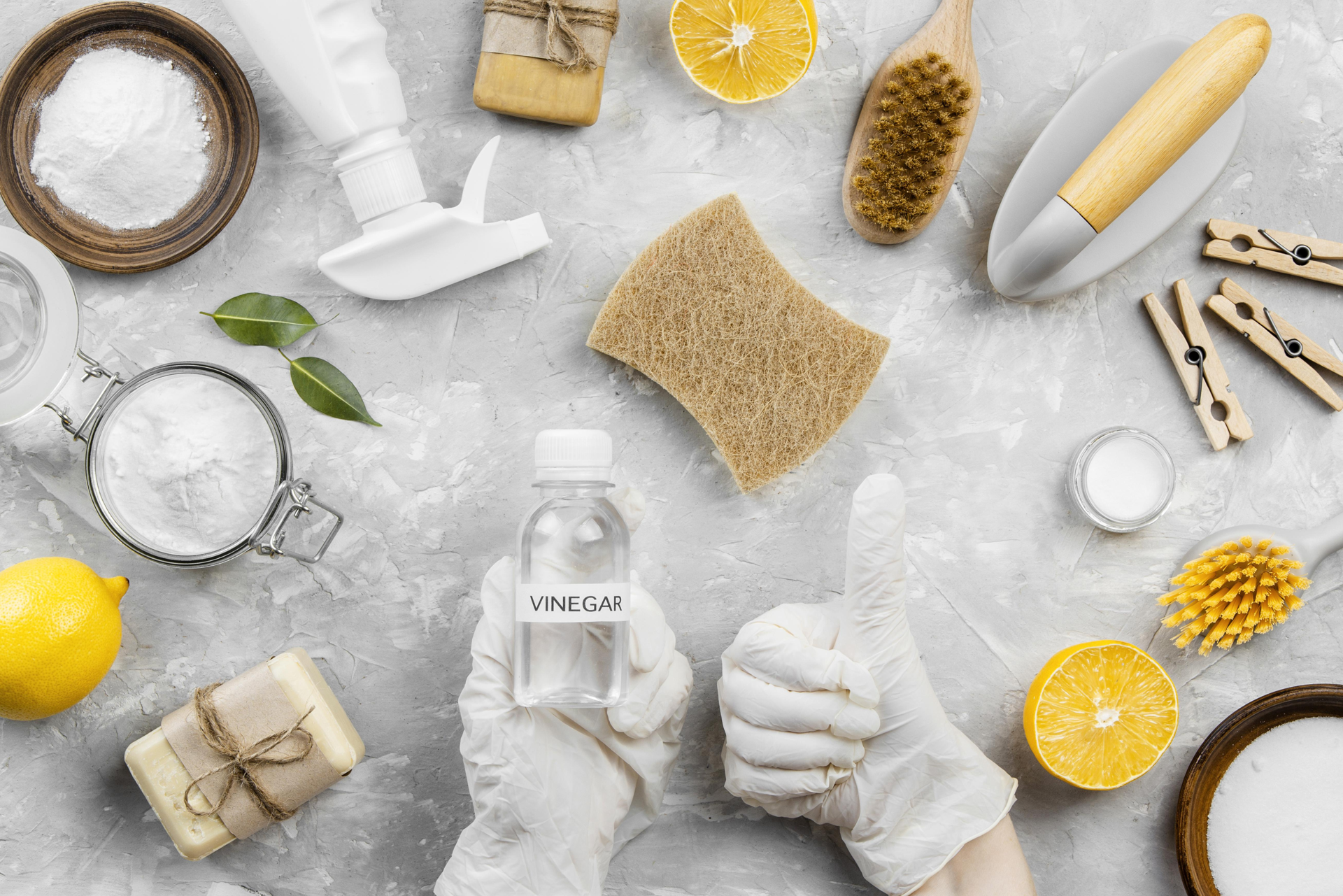
- White Vinegar:Great for cutting through grease and disinfecting surfaces.
- Baking Soda:Acts as a gentle abrasive and deodorizer.
- Lemon Juice:Provides natural acidity that breaks down grime and leaves a fresh scent.
- Castile Soap:A plant-based soap that cleans without leaving harmful residues.
- Essential Oils:Such as tea tree or lavender, add antibacterial properties and pleasant aromas.
Have you noticed how these simple items can replace multiple commercial products in your kitchen?
Where To Find Them
You don't need to search far to gather these ingredients. Many are staples in your pantry or local grocery store.
- White Vinegar and Baking Soda:Available in the baking or cleaning aisle of supermarkets.
- Lemons:Found in the produce section; fresh lemons work best, but bottled lemon juice can be a backup.
- Castile Soap:Sold in health food stores or online, often in liquid form.
- Essential Oils:Available at health stores, specialty shops, or online retailers.
Isn't it convenient that what you need is often right under your nose? Next time you reach for a harsh cleaner, think about reaching for these natural alternatives instead.
Basic Cleaning Recipes
Creating natural kitchen cleaners is simple and effective. These homemade solutions are free from harsh chemicals and safe for your home. With basic ingredients, you can tackle dirt and grime effortlessly. Let's explore some easy-to-make cleaning recipes.
All-purpose Spray
This versatile spray cleans countertops, sinks, and other surfaces. Mix equal parts of water and white vinegar in a spray bottle. Add a few drops of essential oil for a pleasant scent. Shake well before use. Spray on surfaces and wipe with a clean cloth.
Glass And Mirror Cleaner
Achieve streak-free shine on glass and mirrors with this simple recipe. Combine one cup of water and one cup of rubbing alcohol in a spray bottle. Add a tablespoon of white vinegar. Mix well. Spray on glass or mirrors and wipe with a microfiber cloth.
Degreaser
This natural degreaser is perfect for stovetops and greasy spots. Mix one cup of baking soda with a few tablespoons of water to form a paste. Apply the paste to greasy areas. Let it sit for a few minutes. Scrub gently with a sponge and rinse with water.
Specialty Kitchen Cleaners
Specialty kitchen cleaners target specific areas and surfaces that need extra care. These cleaners use natural ingredients that are tough on stains but gentle on your tools and the environment. Making your own specialty cleaner can save money and reduce harsh chemical use in your kitchen.
Cutting Board Cleaner
Cutting boards often hold stubborn stains and odors from raw foods. A simple mix of lemon juice and coarse salt works wonders here. Sprinkle salt on the board, rub it with half a lemon, then rinse with warm water.
This natural scrub not only cleans but also deodorizes your cutting board. Have you noticed how some cutting boards get a lingering smell no matter how much you wash them? This method tackles that issue effectively.
Stovetop Scrub
Grease and burnt-on food can be a nightmare on stovetops. Baking soda combined with a little water creates a paste that loosens grime without scratching surfaces. Apply the paste, let it sit for 15 minutes, then scrub gently with a sponge.
Adding a few drops of dish soap can boost cleaning power on tougher spots. This scrub is safe for most stovetops and avoids harsh chemicals that might damage finishes. What’s your biggest stovetop challenge that you wish you could solve naturally?
Oven Cleaner
Ovens collect baked-on grease and food residue that are hard to remove. Mix baking soda with water to form a thick paste and spread it inside the oven, avoiding heating elements. Let it sit overnight to break down grime.
The next day, spray vinegar over the paste and wipe clean with a damp cloth. This combination helps lift even the toughest oven mess without toxic fumes. Have you tried homemade oven cleaner before, or do you rely on store-bought solutions?
Storage Tips
Proper storage keeps your natural kitchen cleaner effective and safe. It protects the ingredients from air, light, and moisture. Good storage also helps maintain the cleaner’s fresh scent and cleaning power. Follow these tips to store your homemade cleaner correctly.
Containers To Use
Choose containers made from glass or high-quality plastic. Glass bottles are best for acidic cleaners like vinegar-based ones. Dark-colored glass protects from sunlight and slows down ingredient breakdown. Use spray bottles for easy application.
- Airtight lids prevent spills and keep air out.
- Label containers with the cleaner type and date made.
- Avoid metal containers as they may react with ingredients.
Shelf Life And Safety
Natural cleaners usually last about one to two weeks. Store them in a cool, dark place like a cupboard or pantry. Avoid direct sunlight or heat sources, which can reduce effectiveness.
Shake the bottle before each use to mix ingredients. Always keep cleaners out of reach of children and pets. Discard any cleaner that changes color, smell, or texture.
Application Techniques
Applying your natural kitchen cleaner correctly can make all the difference in achieving a spotless, fresh kitchen without harsh chemicals. Understanding the right techniques helps you maximize cleaning power while protecting your surfaces and saving time. Let’s look at some effective ways to use your homemade cleaner and the best tools to get the job done smoothly.
Best Practices For Use
Spray your natural cleaner evenly over surfaces to avoid wasting product. Let it sit for a minute or two to break down grease and grime before wiping.
Use gentle circular motions with a cloth or sponge to lift dirt rather than scrubbing harshly. This approach protects your countertops and finishes.
Always test your cleaner on a small hidden area first, especially on delicate surfaces like wood or marble. This prevents accidental damage and ensures compatibility.
Need to tackle tough spots? Apply the cleaner directly on the stain, let it soak longer, and then scrub gently. Patience often beats force in natural cleaning.
Tools And Accessories
- Spray bottles:A fine mist sprayer spreads the cleaner evenly and prevents overuse.
- Microfiber cloths:These trap dirt and absorb moisture without scratching surfaces.
- Non-abrasive sponges:Use these for scrubbing without harming your kitchen surfaces.
- Soft-bristled brushes:Perfect for cleaning grout or hard-to-reach corners.
Have you noticed how switching to microfiber cloths speeds up your cleaning and reduces streaks? Small tool changes can improve your routine more than you might expect.
Troubleshooting Common Issues
Even with the best natural kitchen cleaner recipes, you might hit a few bumps along the way. Stubborn stains and tough jobs can test your patience and the effectiveness of your homemade solution. Troubleshooting these common issues helps you tweak your cleaner to get the results you want without reaching for harsh chemicals.
Handling Stubborn Stains
Some stains just refuse to budge, no matter how many times you spray and wipe. Instead of scrubbing harder, try letting your natural cleaner sit on the stain for a few minutes. This gives the ingredients time to break down grease or grime.
If that doesn’t work, sprinkle a little baking soda directly on the stain before applying the cleaner. The gentle abrasion combined with the cleaner’s natural acids can lift even tough spots. Always test this on a small area first to avoid damage.
Have you noticed that some stains respond better to gentle heat? Warming the cleaner slightly before application can boost its power. Just be careful not to overheat, especially if your mixture contains vinegar or essential oils.
Adjusting Recipes For Tough Jobs
Not all messes are created equal. When your standard recipe falls short, it’s time to adjust the proportions. Adding more vinegar increases acidity, making it better at cutting through grease.
For extra scrubbing power, add a teaspoon of castile soap or a few drops of lemon essential oil. These ingredients enhance cleaning without introducing harsh chemicals. Keep track of your tweaks so you can repeat what works.
If you’re dealing with mineral deposits or hard water stains, consider boosting the citric acid content. Lemon juice or cream of tartar can be handy additions here. Remember, a stronger cleaner isn’t always better—balance is key to protecting your surfaces.
Maintaining A Clean Kitchen Naturally
Keeping your kitchen clean is easier with natural methods. Chemicals can harm your health and the environment. Using natural cleaners helps maintain a fresh and safe space for cooking and eating. Small, regular efforts keep dirt and germs away without harsh products.
Daily Habits
Simple daily habits make a big difference. Wipe down counters after cooking to stop stains. Wash dishes right after meals to avoid buildup. Sweep floors each day to remove crumbs and dirt. Use a natural cleaner spray to freshen surfaces quickly. Keep sponges clean by rinsing and drying them well. These small steps keep your kitchen tidy and healthy.
Preventive Measures
Preventing mess reduces cleaning work later. Cover food to avoid spills and stains. Use mats or trays under appliances to catch drips. Store fruits and vegetables properly to stop rot and odors. Fix leaks and drips quickly to avoid water damage. Organize cabinets to prevent clutter and dust. These measures help your kitchen stay clean longer with less effort.
Credit: dengarden.com
Frequently Asked Questions
What Ingredients Make An Effective Natural Kitchen Cleaner?
Common natural ingredients include vinegar, baking soda, lemon juice, and essential oils. These ingredients clean, deodorize, and disinfect without harsh chemicals. They are safe and eco-friendly for everyday kitchen use.
How Do I Use Natural Cleaner On Kitchen Surfaces?
Mix the natural cleaner in a spray bottle. Spray directly on surfaces and wipe with a cloth. It works well on counters, sinks, and appliances, leaving surfaces clean and fresh.
Can Natural Kitchen Cleaners Remove Tough Grease?
Yes, natural cleaners like vinegar and baking soda effectively break down grease. They dissolve grime without damaging surfaces, making them a great alternative to chemical degreasers.
Are Natural Kitchen Cleaners Safe For Food Prep Areas?
Absolutely. Natural cleaners use non-toxic ingredients safe around food. They sanitize without harmful residues, ensuring your kitchen stays hygienic and safe for meal preparation.
Conclusion
Making your own natural kitchen cleaner saves money and helps the environment. It uses simple ingredients found at home. This cleaner works well and keeps your kitchen fresh and safe. You avoid harsh chemicals that can harm your health. Plus, it’s easy to make anytime you need it.
Try this natural option and enjoy a cleaner, healthier kitchen space. Small changes can make a big difference in your daily routine. Give it a go and see the results yourself.