
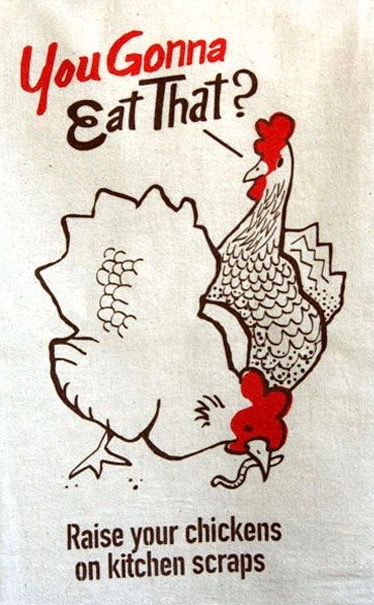
Have you ever wondered if you can feed your kitchen scraps to your chickens? If you’re looking for a simple way to reduce food waste and keep your chickens happy and healthy, knowing what scraps are safe to share is key.
But not all leftovers are good for your feathered friends, and some can even harm them. Keep reading to discover which kitchen scraps your chickens will love and which ones you should avoid to keep your flock thriving.
Credit: mobilechickenhouse.com
Can Chickens Eat Kitchen Scraps
Wondering if your chickens can enjoy the leftovers from your kitchen? The short answer is yes, chickens can eat many kitchen scraps. But not all scraps are safe or healthy for them, so it's important to know what to share and what to avoid.
Safe Scraps For Chickens
Chickens love a variety of fruits and vegetables that are common in most kitchens. You can safely feed them:
- Apple slices (without seeds)
- Carrot pieces
- Peas and corn
- Cooked rice and pasta
- Leafy greens like spinach and lettuce
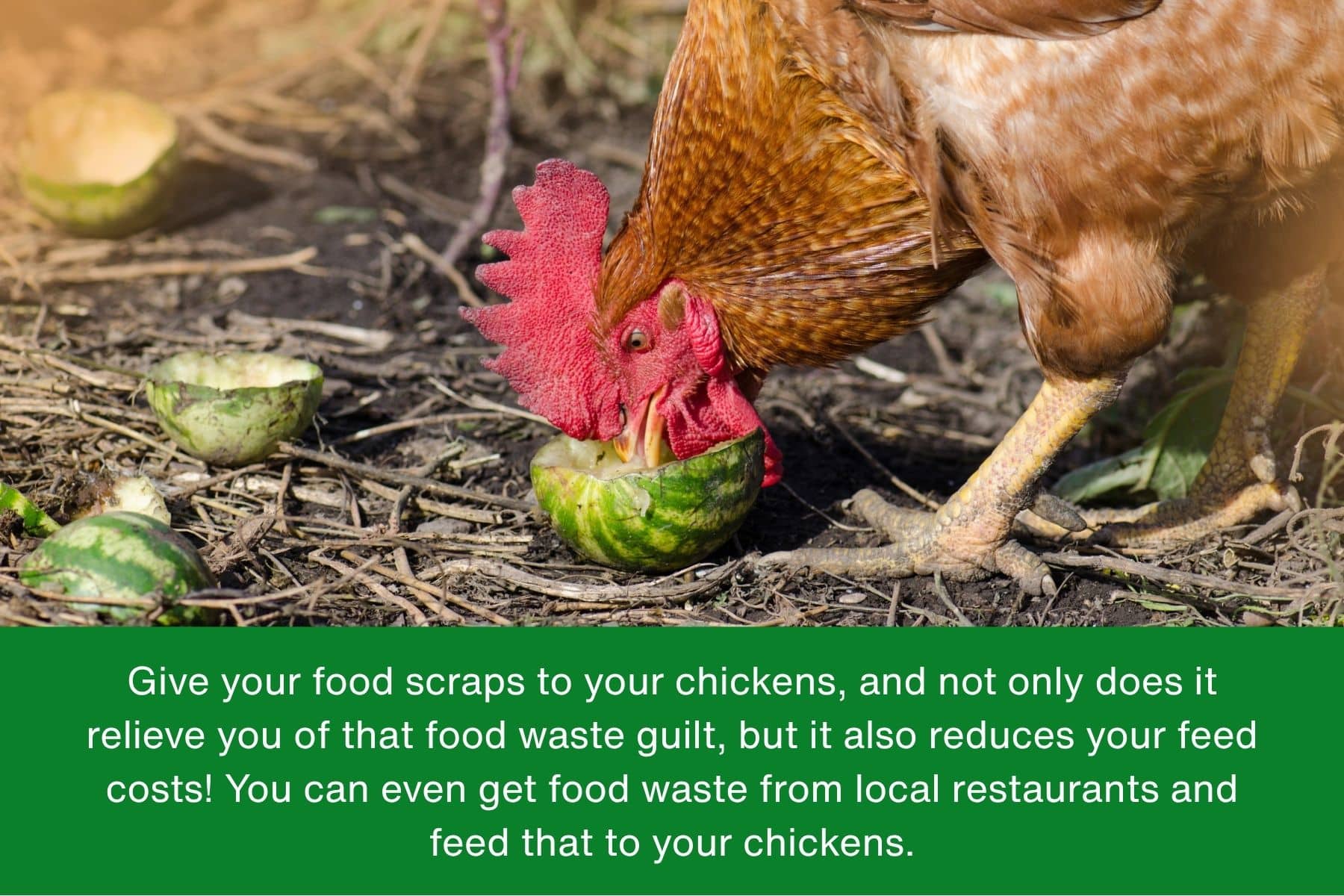
- Melon rinds and watermelon flesh
These scraps add nutrients and variety to their diet without harming their digestion. I once tossed a mix of leftover veggies to my flock, and they eagerly picked through every bit, showing how much they appreciate these treats.
Harmful Foods To Avoid
Not all kitchen scraps are safe for chickens, and some can be downright dangerous. Avoid feeding them:
- Raw potato peels
- Chocolate or candy
- Onions and garlic
- Avocado (especially the skin and pit)
- Salty or processed foods
- Moldy or spoiled leftovers
Feeding harmful scraps can lead to illness or even death. Have you ever wondered why certain foods are off-limits? It's because chickens have sensitive digestive systems that react poorly to toxins and excessive salt.
Benefits Of Feeding Scraps
Adding kitchen scraps to your chickens' diet offers several benefits. It reduces food waste, saves you money on commercial feed, and enriches your chickens' nutrition with fresh ingredients.
Feeding scraps also keeps your chickens entertained and encourages natural foraging behavior. Next time you’re cleaning up the kitchen, think about which scraps could turn into a tasty and healthy snack for your flock.

Credit: grubblyfarms.com
Popular Kitchen Scraps For Chickens
Chickens enjoy a variety of kitchen scraps that add nutrition and flavor to their diet. Many common leftovers can become tasty treats for your flock. Feeding kitchen scraps also helps reduce food waste in an eco-friendly way. Knowing which scraps are safe and popular ensures your chickens stay healthy and happy.
Vegetable Peels And Scraps
Vegetable peels are a favorite among chickens. They love crunchy textures and mild flavors. Common scraps include:
- Carrot tops and peels
- Potato skins (cooked only)
- Cucumber ends and peels
- Squash and pumpkin scraps
- Leafy greens like lettuce and spinach
Avoid feeding raw potato peels as they can be toxic. Cooked vegetable scraps are easier to digest and safer for chickens.
Fruit Leftovers
Fruits offer natural sweetness and vitamins. Chickens enjoy a variety of fruits in moderation. Popular fruit scraps include:
- Apple cores and slices (without seeds)
- Melon rinds and bits
- Banana peels and pieces
- Berries that are slightly overripe
- Pear slices and peels
Remove any seeds or pits that can harm chickens. Too much fruit can cause digestive upset, so feed sparingly.
Grains And Bread
Grains and bread provide energy through carbohydrates. Chickens enjoy these leftovers if given in moderation. Some options include:
- Cooked rice or pasta
- Small amounts of bread (preferably whole grain)
- Cereal pieces without added sugar
- Cracked corn or oats
Avoid moldy or stale bread. Overfeeding grains can lead to obesity, so balance with other foods.
Risks Of Feeding Chickens Improper Scraps
Feeding chickens improper kitchen scraps can cause health problems like digestive upset and poisoning. Certain foods, such as onions or raw potatoes, are harmful to chickens and should be avoided. Careful selection of scraps helps keep chickens safe and healthy.
Feeding chickens kitchen scraps can be a sustainable practice. It reduces waste and can be beneficial. Yet, not all scraps are safe. Some pose risks to chickens' health and well-being. Understanding these risks is essential for responsible chicken care. Below, explore the dangers of feeding chickens improper scraps.
Toxic Ingredients To Watch
Certain foods are toxic to chickens. Onions and garlic can harm them. They can cause anemia and other health issues. Chocolate is also dangerous. It contains theobromine, which is toxic to chickens. Avocado pits and skins are harmful too. They contain persin, which is lethal. Always check scraps for these ingredients.
Digestive Issues
Chickens have sensitive digestive systems. Foods high in fat can cause problems. Greasy or oily foods upset their stomachs. Dairy products can lead to diarrhea. Chickens lack enzymes to digest lactose. Moldy or rotten food is also risky. It can cause severe illness or even death. Ensure all scraps are fresh and safe.
Impact On Egg Quality
Improper scraps can affect egg quality. Foods with strong flavors can taint eggs. Onions and garlic are common culprits. They can change the taste of eggs. Poor nutrition affects egg production. Chickens need balanced diets for optimal eggs. Excessive treats can lead to nutrient deficiencies. This impacts egg size and shell strength. Always balance scraps with a nutritious feed.
Credit: www.theguardian.com
How To Safely Feed Kitchen Scraps
Feeding your chickens kitchen scraps can be a great way to reduce waste and provide them with a varied diet. However, safety is key to ensure your flock stays healthy and happy. Knowing how to prepare scraps, control portions, and maintain a feeding routine will help you avoid common pitfalls and keep your chickens thriving.
Preparing Scraps For Chickens
Always wash scraps thoroughly to remove pesticides or contaminants. Chop or shred tougher items like vegetable peels and stems to make them easier for your chickens to eat and digest.
Avoid feeding spoiled or moldy food, as it can cause illness. Also, stay away from harmful foods like onions, garlic, raw beans, and anything salty or processed.
Have you checked if certain fruits or veggies are safe before tossing them in the coop? It’s worth keeping a quick reference list handy.
Portion Control Tips
Too many scraps can upset your chickens’ balanced diet. Treat kitchen scraps as a supplement, not the main meal, limiting them to about 10-15% of their daily intake.
Start with small amounts and watch how your chickens react. Are they ignoring their regular feed? That could be a sign to cut back on scraps.
Remember, overfeeding scraps can lead to nutritional imbalances and even obesity. Keep an eye on their overall health and egg production to gauge if you’re feeding the right amount.
Feeding Schedule
Consistency helps chickens know when to expect treats. Try feeding scraps at the same time each day, ideally in the morning or early afternoon.
Offer scraps after their main feed to ensure they consume a balanced diet first. This practice reduces the chance they’ll fill up on less nutritious leftovers.
Do you notice your chickens getting too excited or aggressive during feeding? Spreading out scraps in smaller portions throughout the day can help maintain calm and order.
Alternatives To Kitchen Scraps
Kitchen scraps can be a quick snack for chickens. Yet, they do not provide all the nutrients birds need. Alternatives to kitchen scraps give chickens balanced diets. These options help keep chickens healthy and strong. They also support better egg production and growth. Here are some good alternatives to consider.
Commercial Chicken Feed
Commercial chicken feed is made for poultry. It contains all essential nutrients chickens require daily. This feed comes in pellets, crumbles, or mash forms. Easy to store and serve. It helps chickens grow evenly and stay healthy. Choose feed according to the chicken’s age and purpose. Layers need different feed than broilers. Feed labels guide the best choice for your birds.
Garden Waste
Garden waste offers fresh and natural food for chickens. Leaves, grass clippings, and vegetable trimmings work well. Chickens enjoy greens like lettuce, spinach, and kale. Avoid plants that are toxic to birds, such as nightshade. Garden scraps add fiber and vitamins to their diet. They also keep chickens busy and active while foraging.
Insects And Protein Sources
Protein is vital for chicken health and feather growth. Insects like mealworms, crickets, and beetles provide natural protein. You can raise these insects at home or buy them. Other protein sources include cooked eggs and fish scraps. Avoid raw fish or spoiled meat to prevent illness. Protein helps chickens stay strong and lay better eggs.
Frequently Asked Questions
Can Chickens Eat All Types Of Kitchen Scraps?
Chickens can eat many kitchen scraps like vegetable peels, fruit, and bread. Avoid toxic foods like onions, garlic, and raw beans to keep them safe and healthy.
How Do Kitchen Scraps Benefit Chickens?
Kitchen scraps add variety to chickens’ diets and provide extra nutrients. They help reduce food waste and keep chickens happy and engaged.
Are There Any Kitchen Scraps Chickens Should Avoid?
Yes, avoid scraps with salt, spices, or mold. Also, never feed chickens chocolate, caffeine, or avocado, as these can be harmful or toxic.
How Often Should I Feed Chickens Kitchen Scraps?
Feed kitchen scraps in moderation, about 10-15% of their daily diet. Overfeeding scraps can cause nutritional imbalances and health issues.
Conclusion
Chickens can eat many kitchen scraps safely. They enjoy fruits, vegetables, and grains. Avoid giving them spoiled or toxic foods. Scraps help reduce waste and feed chickens well. Always offer fresh water alongside their food. Watching chickens eat scraps can be fun.
Feeding them this way saves money too. Remember, balance their diet with proper chicken feed. Giving scraps does not replace regular feed. Keep your chickens healthy and happy with care.