

Are you wondering if your air fryer is secretly turning your kitchen into a sauna? You’re not alone.
Many people love how air fryers make cooking faster and healthier, but they also worry about the extra heat these gadgets might bring. If you’ve ever felt your kitchen getting warmer while using your air fryer, you might be asking yourself: “Does this little appliance actually heat up my kitchen?
” Keep reading, because understanding how air fryers affect your kitchen’s temperature can help you cook smarter and stay comfortable. Let’s dive into the facts and clear up the mystery for good.

Credit: food52.com
How Air Fryers Work
Understanding how air fryers work can help you see why they might or might not heat up your kitchen. These appliances use a unique cooking method that differs from traditional ovens. Knowing the mechanics behind them can also guide you on where to place your air fryer and how to manage kitchen heat effectively.
Hot Air Circulation
Air fryers cook food by circulating hot air rapidly around it. This creates a crispy layer on the outside while keeping the inside juicy. The fast-moving air ensures even cooking without needing much oil.
This circulation happens inside a compact chamber, which means the heat stays mostly contained. Unlike ovens that release heat into the room, air fryers keep most of the warmth inside. Have you noticed your kitchen stays cooler with an air fryer compared to your oven?
Heat Source And Temperature Control
The heat in an air fryer comes from an electric heating element located above the food basket. This element heats up quickly and maintains precise temperatures thanks to built-in sensors. You can usually adjust the temperature from around 180°F to 400°F, depending on what you’re cooking.
Because the heating element is small and close to the food, it uses less energy and generates less ambient heat. This means your kitchen won't get as hot as it would if you used a conventional oven. Do you think this could make a difference during hot summer days?
Heat Emission Compared To Ovens
Understanding how air fryers emit heat compared to traditional ovens can help you decide if they will warm up your kitchen more or less. Both appliances generate heat to cook food, but their design and cooking process influence how much heat escapes into your room. Let’s look closer at how heat emission varies between them.
Energy Efficiency
Air fryers are generally more energy-efficient than ovens. They use a compact cooking chamber and a powerful fan to circulate hot air rapidly around the food. This means they reach cooking temperatures faster and maintain heat with less energy.
Ovens, on the other hand, heat a larger space, which takes longer and uses more power. Because of this, your kitchen can get warmer when using an oven for extended periods. Have you noticed your kitchen getting hot after baking a pizza in the oven? That’s the extra heat filling the room.
Heat Output Differences
Air fryers release less heat into the kitchen compared to ovens. Their smaller size and efficient heat circulation keep most of the heat inside the unit. This limits the heat that escapes, so your kitchen stays cooler.
Ovens emit heat through the door, vents, and sometimes even around the seals. This heat loss adds up, especially during long cooking sessions. If you live in a small space or cook in warm weather, this difference can be very noticeable.
Think about your last cooking session: did your kitchen feel stuffy and hot? Using an air fryer might help reduce that uncomfortable heat buildup.
Factors Affecting Kitchen Temperature
Air fryers are popular kitchen appliances. They cook food quickly and healthily. But do they heat up the kitchen? Several factors influence this. Let's explore them.
Room Size And Ventilation
Room size affects kitchen temperature during cooking. Smaller kitchens trap more heat. Larger spaces dissipate it better. Ventilation also plays a key role. Good airflow reduces heat buildup. Open windows or use fans for better ventilation.
Duration Of Cooking
Cooking time influences kitchen heat. Shorter cooking times produce less heat. Longer cooking durations increase warmth. It's essential to monitor cooking periods. This helps maintain a comfortable kitchen environment.
User Experiences And Common Myths
Understanding how air fryers affect your kitchen’s temperature is important before making a purchase. Many users share their firsthand experiences, shedding light on what really happens when these appliances are in use. At the same time, there are several myths floating around about how much heat air fryers generate and whether they make your kitchen uncomfortably warm.
Customer Reviews
Many customers report that air fryers produce less heat compared to traditional ovens. One user mentioned that while cooking fries, the air fryer emitted warmth, but it didn’t make the kitchen feel hot or stuffy. Others say the compact size and enclosed design help contain the heat effectively.
Some users noticed a slight increase in ambient temperature, but it was usually mild and didn’t impact their cooking comfort. A few even pointed out that their kitchens stayed cooler compared to when they used conventional ovens. Does your kitchen heat up when you bake or roast? Air fryers seem to offer a cooler alternative.
Misconceptions About Heat
A common myth is that air fryers generate the same amount of heat as ovens. This isn’t accurate because air fryers have smaller chambers and use rapid air circulation, which limits heat spread. The heat stays mostly inside the unit, reducing overall kitchen warmth.
Another misconception is that air fryers run hotter than they should, making them unsafe or uncomfortable. In reality, they have built-in temperature controls to maintain consistent heat levels. If you’ve felt uncomfortable heat near your air fryer, it might be due to placement or ventilation issues, not the appliance itself.
Have you ever noticed your kitchen getting hot while cooking? Consider trying an air fryer to see if it keeps your space cooler than your usual methods. Your experience might challenge what you thought about kitchen heat.
Tips To Minimize Kitchen Heat
Air fryers are popular kitchen gadgets, but they can add unwanted heat to your cooking space. Reducing this heat makes your kitchen more comfortable, especially during warm months. Here are practical tips to help you keep your kitchen cool while enjoying your air fryer.
Optimal Placement
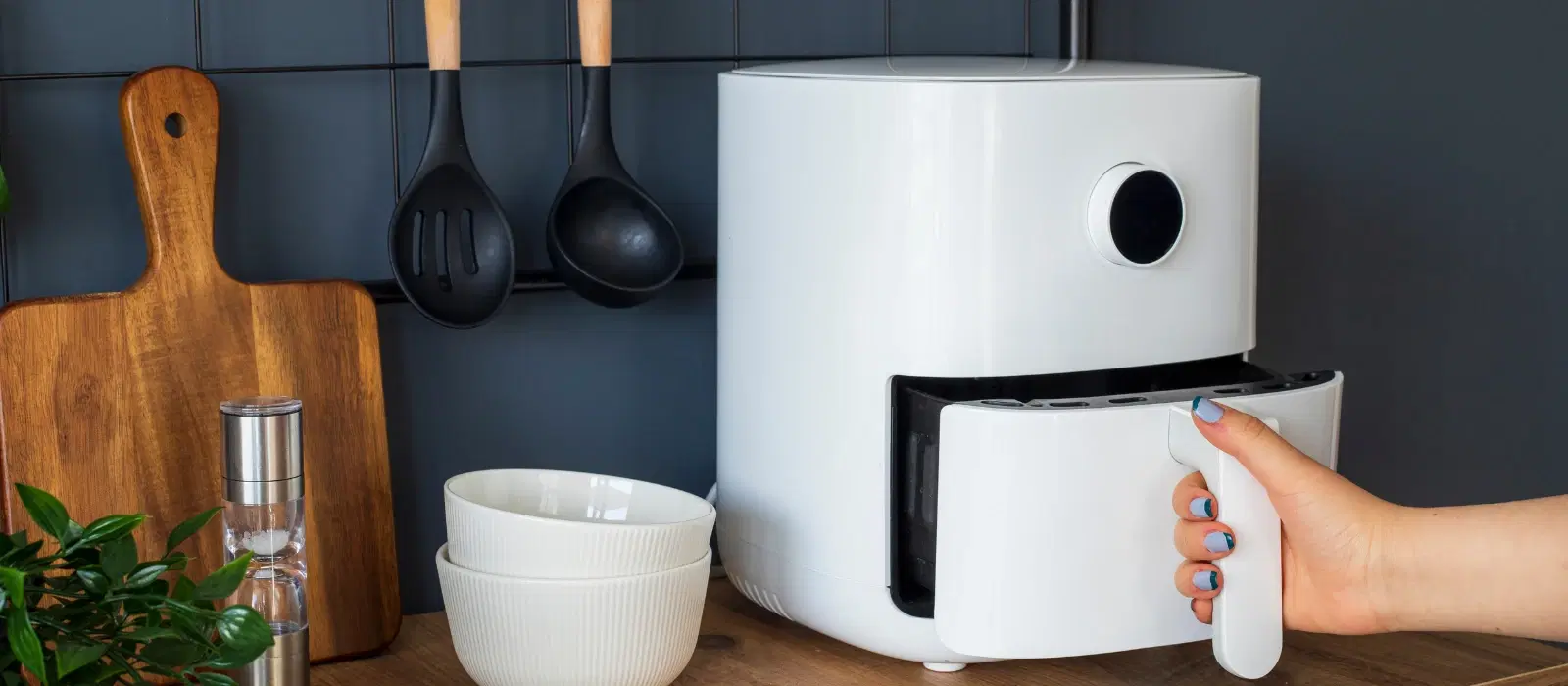
Where you place your air fryer matters a lot. Set it near a countertop edge or close to a window to allow heat to dissipate easily. Avoid placing it in tight corners or enclosed cabinets where heat can get trapped and build up quickly.
Think about your kitchen layout—does your air fryer sit near other heat-producing appliances? Moving it away from the stove or oven can prevent overlapping heat sources that make the room hotter. Experiment with different spots to find where it feels coolest during cooking.
Using Exhaust Fans
Exhaust fans are your kitchen’s best friend when it comes to managing heat. Turn on your range hood or ceiling fan while using the air fryer to pull hot air out of the room. This simple step can lower the temperature and improve air circulation.
If you don’t have a built-in fan, consider a portable fan directed toward a window or vent. This can help push the warm air outside, keeping your kitchen fresh. Have you noticed how much cooler your kitchen feels with a fan on during cooking?

Credit: www.t-fal.ca
Credit: www.tataneu.com
Frequently Asked Questions
Do Air Fryers Make Kitchens Hotter Than Ovens?
Air fryers produce less heat than ovens, so kitchens stay cooler. They use rapid air circulation, which reduces overall heat emission. This makes air fryers ideal for cooking in small or warm kitchens without raising room temperature significantly.
How Much Heat Does An Air Fryer Release?
An air fryer releases minimal heat compared to traditional ovens. Its compact design and insulated walls limit heat escape. Some warmth escapes through vents, but it’s usually not enough to noticeably heat the kitchen.
Can Air Fryers Increase Kitchen Temperature Quickly?
No, air fryers do not increase kitchen temperature quickly. Their smaller size and efficient heating element focus heat inside the appliance. This prevents significant heat buildup in the surrounding kitchen area.
Are Air Fryers Better For Hot Climates?
Yes, air fryers are better for hot climates because they emit less ambient heat. This helps keep kitchens cooler and more comfortable during cooking, especially in warm weather or small spaces.
Conclusion
Air fryers do produce some heat, but it’s usually minimal. They use hot air circulation, which spreads warmth quickly. Compared to ovens, air fryers heat the kitchen less. Placing the air fryer in a well-ventilated area helps keep the room cooler.
Small kitchens might feel a bit warmer, but it’s manageable. Overall, air fryers offer a convenient way to cook without overheating your space. They balance fast cooking and kitchen comfort well. Try one, and see how it fits your cooking style.