
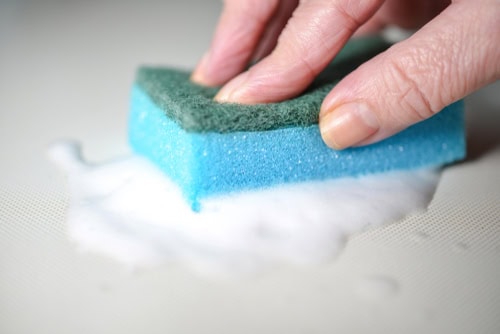
Have you ever stopped to think about how often you change your kitchen sponge? It might seem like a small detail, but your sponge can quickly become a breeding ground for germs and bacteria.
Using an old, dirty sponge can put your health at risk without you even realizing it. You’ll discover the simple truth about how often you should replace your kitchen sponge to keep your kitchen clean and your family safe. Keep reading—you’ll be surprised at how easy it is to protect yourself with just a small change.

Credit: www.absolutesolutions.com.sg
Signs To Replace Your Sponge
Knowing when to replace your kitchen sponge can save you from spreading germs and keep your kitchen smelling fresh. Sponges are notorious for harboring bacteria, so spotting the signs early helps you stay ahead of potential health risks. Let’s look at clear indicators that your sponge needs to be tossed out.
Visible Wear And Tear
Check your sponge regularly for cracks, tears, or fraying edges. These damages trap food particles and moisture, creating a perfect environment for bacteria to thrive. If your sponge looks worn out or pieces start falling apart, it’s time to say goodbye.
Persistent Odor
Does your sponge smell bad even after rinsing and drying? That lingering foul odor is a red flag. It means bacteria have settled deep inside, and no amount of washing will fix that smell. Don’t ignore it—replace the sponge immediately to avoid contaminating your dishes.
Bacterial Growth Risks
Sponges can contain more bacteria than a toilet seat, especially if you use them daily. If you notice that your sponge stays wet for long periods, it encourages bacterial growth. Consider swapping it out every one to two weeks, or sooner if you use it heavily. Have you ever thought about how many germs you’re spreading with a dirty sponge?

Credit: www.yahoo.com
Recommended Replacement Frequency
Knowing how often to change your kitchen sponge is key to keeping your kitchen clean and safe. Sponges can quickly become breeding grounds for bacteria if left too long. Setting a replacement schedule helps you avoid unpleasant smells and potential health risks.
Daily Use Guidelines
If you use your sponge every day, aim to replace it at least once a week. Sponges absorb food particles and moisture, creating a perfect environment for germs. Even with regular cleaning, bacteria can build up fast.
Consider rinsing your sponge thoroughly after each use and squeezing out excess water. Some people microwave damp sponges for a minute to reduce germs, but this isn’t a full-proof solution. Changing your sponge weekly keeps your kitchen safer and fresher.
Factors Affecting Lifespan
Not all sponges wear out at the same speed. The type of sponge, how often you use it, and what you use it for can change how long it lasts. For example, sponges used to clean raw meat surfaces should be replaced more frequently than those used for light dishwashing.
Other factors include:
- Moisture levels:A sponge that stays wet all day will spoil faster.
- Cleaning habits:Regularly disinfecting your sponge can extend its life but won’t replace the need for timely changes.
- Type of cleaning:Heavy scrubbing or cleaning greasy dishes can break down the sponge quicker.
Ask yourself, how often do you notice your sponge smelling bad or falling apart? These signs mean it’s time for a new one. Paying attention to these details helps you maintain a healthier kitchen environment.
Effective Sponge Cleaning Methods
Kitchen sponges should be changed every one to two weeks to avoid bacteria buildup. Regular cleaning helps but does not replace frequent replacement. Keeping sponges fresh ensures a cleaner kitchen and safer food preparation.
Cleaning your kitchen sponge effectively can extend its life and ensure it's not spreading more germs than it's cleaning. While it's tempting to toss a sponge the moment it smells funky, there are some easy methods to sanitize it, making it safe for further use. Let's dive into some effective cleaning methods that can save you both time and money, while keeping your kitchen sparkling clean.
Microwave Sanitizing
One of the simplest ways to kill bacteria in your sponge is by using your microwave. Just wet the sponge thoroughly, place it inside the microwave, and heat it on high for about two minutes. This method uses the microwave's heat to kill harmful bacteria, but always remember to let the sponge cool before taking it out to avoid burns.
Dishwasher Cleaning
Your dishwasher isn’t just for dishes; it can also be a great tool for cleaning your sponge. Simply add your sponge to the top rack during a regular dishwashing cycle. The combination of hot water and detergent effectively cleanses the sponge, leaving it fresh and ready for use.
Bleach Soaking
For a more thorough clean, consider soaking your sponge in a bleach solution. Mix ¾ cup of bleach in a gallon of water, then soak the sponge for about five minutes. This method is excellent for eliminating stubborn bacteria, but ensure you rinse the sponge thoroughly afterwards to remove any bleach residue. These methods offer practical solutions to keep your kitchen sponges clean and safe. So next time you’re wiping down your counters, ask yourself: when did I last clean this sponge?

Credit: www.absolutecleaning.com.sg
Alternatives To Traditional Sponges
Traditional kitchen sponges are notorious for harboring bacteria and wearing out quickly. If you want a cleaner, longer-lasting, and more hygienic option, consider trying alternatives. These choices can save you money and reduce waste while keeping your kitchen sparkling.
Silicone Scrubbers
Silicone scrubbers are durable and easy to clean. They don’t absorb water, so they dry fast and resist bacteria buildup. I switched to a silicone scrubber last year, and I haven’t had to replace it once—it still works like new.
They are gentle enough for non-stick pans but tough on grime. Plus, you can simply toss them in the dishwasher for a quick clean. Would you try a tool that lasts months instead of weeks?
Reusable Cloths
Reusable cloths, like microfiber or cotton, are another smart choice. They can be washed and reused dozens of times, which means fewer replacements. I keep several cloths handy and rotate them through the laundry to maintain freshness.
These cloths work well on all surfaces and absorb spills better than sponges. You can even soak them in vinegar or baking soda solutions to disinfect. How often do you clean your kitchen cloths now?
Natural Fiber Sponges
Natural fiber sponges, made from materials like cellulose or loofah, offer an eco-friendly alternative. They biodegrade quickly and are compostable, which is great for reducing landfill waste. I noticed they break down faster than synthetic sponges but feel just as effective.
These sponges dry faster than traditional ones, helping prevent bacteria growth. They come in various textures, so you can choose soft or abrasive types depending on your cleaning needs. Are you open to switching to something that’s better for both your kitchen and the planet?
Tips To Maintain Sponge Hygiene
Keeping your kitchen sponge clean is more important than you might think. A well-maintained sponge helps prevent bacteria buildup and keeps your dishes truly clean. Here are some practical tips to help you maintain sponge hygiene and extend its usability.
Proper Drying Techniques
Moisture is a sponge’s best friend and a breeding ground for germs. After each use, squeeze out excess water thoroughly to reduce dampness.
Place your sponge in a spot where it can air dry quickly, like a sponge holder with good airflow or on a dish rack. Avoid leaving it in the sink or a closed container, as these trap moisture and promote bacteria growth.
Ever tried microwaving a damp sponge for 30 seconds? It’s a quick way to kill many germs, but be sure the sponge is wet to avoid fire hazards.
Storage Suggestions
Where you store your sponge affects how long it stays clean. Keep it separate from other cleaning tools to avoid cross-contamination.
Use a dedicated holder that allows drainage, so water doesn’t pool at the bottom. This simple change can make a huge difference in hygiene.
Consider replacing traditional sponges with antimicrobial or natural fiber options if you struggle to keep them fresh.
Avoiding Cross-contamination
Using the same sponge for multiple tasks spreads germs fast. Assign different sponges for dishes, countertops, and raw food areas.
Label sponges or use color-coding to keep track easily. This habit reduces the risk of transferring harmful bacteria from raw meat to your cutting board or dishes.
Have you noticed an unusual smell or slime on your sponge? That’s a clear sign it’s time to switch to a fresh one to protect your kitchen and health.
Frequently Asked Questions
How Often Should I Replace My Kitchen Sponge?
Replace your kitchen sponge every 1 to 2 weeks. Frequent replacement prevents bacteria buildup and keeps your kitchen hygienic. If the sponge smells bad or looks worn, change it immediately to avoid contamination and maintain cleanliness.
Can I Sanitize My Kitchen Sponge Instead Of Replacing?
Yes, you can sanitize your sponge using microwave or dishwasher methods. However, sanitizing only reduces bacteria temporarily. Regular replacement is still necessary to prevent harmful germs and ensure food safety in your kitchen.
What Are Signs My Kitchen Sponge Needs Changing?
Signs include bad odor, discoloration, and a slimy texture. If the sponge tears easily or retains food particles, replace it immediately. These signs indicate bacterial growth and reduced cleaning effectiveness.
Does Using A Sponge Longer Increase Bacteria Risk?
Yes, using a sponge longer increases bacteria buildup. Sponges retain moisture and food particles, creating a breeding ground for germs. Regular replacement minimizes health risks and keeps your kitchen cleaner.
Conclusion
Changing your kitchen sponge regularly keeps your kitchen clean and safe. Bacteria grow fast on old sponges, which can cause illness. Experts suggest changing sponges every one to two weeks. You can also clean sponges daily by microwaving or soaking in bleach.
A fresh sponge helps remove food and dirt better. Remember, a small change like this protects your family’s health. Keep an eye on your sponge’s smell and look. When it looks worn or smells bad, it’s time to replace it.
Clean habits make cooking safer and more pleasant.