

Are you wondering if using an air fryer will make your kitchen uncomfortably hot? You’re not alone.
Many people love how air fryers cook food quickly and healthily, but worry about the heat they might add to the room. If you want to keep your kitchen cool while still enjoying crispy, delicious meals, it’s important to understand how air fryers work and how much heat they really produce.
Keep reading to discover the truth about air fryer heat and learn simple tips to keep your cooking space comfortable.
:max_bytes(150000):strip_icc()/faw-detail-instant-pot-vortex-4-1-2qt-mini-oven-combo-air-fryer-wdickey-181-498046ce953047dfb467e0476c120501.jpeg)
Credit: www.foodandwine.com
How Air Fryers Work
Understanding how air fryers work can help you decide if they will heat up your kitchen. These handy devices use a unique cooking process that’s different from traditional ovens. Let’s break down their inner workings so you can see exactly what’s happening when you press start.
Basic Mechanism
An air fryer cooks food by circulating hot air rapidly around it. Inside the appliance, a heating element generates the heat, while a fan blows this hot air to create a crisp outer layer on your food.
This method mimics deep frying but without submerging food in oil. It’s like getting that crunchy texture with less mess and fewer calories.
Have you noticed how quickly your air fryer preheats? That’s because it heats a small, contained space compared to an oven. This efficient design is key to understanding its impact on your kitchen’s temperature.
Heat Generation Process
The heating element inside the air fryer produces intense heat, usually ranging between 300°F and 400°F. The fan then spreads this heat evenly around the food, ensuring it cooks from all sides.
Unlike an oven, the heat stays mostly inside the air fryer’s basket and cooking chamber. However, some heat does escape through vents, which can cause a slight temperature rise in your kitchen.
If you’ve ever stood near an air fryer while it’s running, you might have felt a gentle warmth nearby. But this warmth is usually minimal compared to ovens or stovetops. So, do you think this small heat escape will noticeably warm your entire kitchen?
:max_bytes(150000):strip_icc()/faw-instant-vortex-mini-2qt-air-fryer-nsimpson-171-1d5f286026154b8985a2806917e6ba49.jpeg)
Credit: www.foodandwine.com
Heat Emission Compared To Ovens
Comparing heat emission between air fryers and conventional ovens can help you understand how each appliance affects your kitchen temperature. Both devices generate heat to cook food, but the way they release that heat into your kitchen varies significantly. Knowing these differences can help you decide which appliance is better for keeping your kitchen cool during cooking.
Air Fryer Vs Conventional Oven
Air fryers are compact and use a powerful fan to circulate hot air quickly around the food. This design concentrates heat inside the small cooking chamber, meaning less heat escapes into your kitchen. In contrast, conventional ovens have a larger interior, and their heat can leak out more easily through the door and vents.
Because of the smaller size and efficient airflow, air fryers tend to raise kitchen temperatures less than ovens do. Have you noticed that when using your oven, the whole kitchen feels warmer? That’s the heat escaping from the oven walls and door. Air fryers, on the other hand, keep most of the heat contained, so your kitchen stays cooler.
Energy Efficiency
Air fryers usually cook food faster than conventional ovens, which means they run for a shorter time and use less energy. This reduced cooking time also means less heat is generated overall, helping you avoid a hot kitchen on warm days.
Ovens need more time to preheat and cook, causing prolonged heat emission. If you’re concerned about energy bills or want to avoid turning your kitchen into a sauna, air fryers can be a smart choice. Have you tried cooking the same meal in both? Notice how the air fryer finishes quicker and leaves your kitchen feeling more comfortable.
Factors Affecting Kitchen Temperature
The temperature in your kitchen changes based on several factors. These factors decide how much heat an air fryer releases. Understanding these helps keep your kitchen cool and comfortable. It also lets you enjoy cooking without extra heat buildup.
Size And Ventilation
Small kitchens trap heat more easily. Air circulation is limited in tight spaces. Good ventilation removes hot air quickly. Windows and exhaust fans help cool the room. Without proper airflow, heat from the air fryer stays inside. Larger kitchens allow heat to spread out. This reduces the feeling of heat near the appliance.
Duration Of Cooking
Longer cooking times increase heat in the kitchen. The air fryer runs continuously, producing steady heat. Short cooking bursts produce less heat overall. Using the air fryer for many minutes raises room temperature. Turning off the appliance right after cooking limits heat buildup. Planning cooking time helps manage kitchen warmth.
Real User Experiences
Many users notice only a small amount of heat escapes from an air fryer during use. It usually does not warm up the kitchen like traditional ovens. The compact design helps keep most of the heat inside the appliance.
Real user experiences provide valuable insights into how air fryers impact kitchen heat. Many users share their stories, detailing both the highs and lows. These experiences can guide potential buyers in making informed decisions.
Common Complaints
Some users notice a slight increase in kitchen heat. This can be due to prolonged use. They report that the kitchen feels warmer, especially in small spaces. The compact design of air fryers may contribute to this. It traps heat and disperses it slowly. Others mention noise as a common issue. The fan can be quite loud during operation. This noise level can be distracting for some users.
Positive Feedback
Many users praise the air fryer's ability to keep kitchen heat minimal. They appreciate the device's efficiency in cooking without heating the room. This is a significant advantage during hot weather. Users enjoy the quick cooking time. Meals are ready faster, reducing overall appliance use. This efficient cooking leads to less heat generation. The compact design also takes up less counter space. Overall, user feedback provides a balanced view of air fryer use.
Tips To Minimize Heat Build-up
Minimizing heat build-up from an air fryer keeps your kitchen comfortable. Small changes make a big difference. Follow simple tips to reduce the warmth and keep cooking enjoyable.
Proper Placement
- Place the air fryer on a heat-resistant surface.
- Keep it away from walls and cabinets.
- Allow at least 4 inches of space around the air fryer.
- Avoid placing it near other heat sources like ovens.
- Use a kitchen counter with good airflow.
Ventilation Techniques
- Open windows or doors to create cross-ventilation.
- Use an exhaust fan or range hood while cooking.
- Turn on a ceiling fan to circulate air.
- Keep kitchen vents clean to improve airflow.
- Consider a small portable fan to direct heat away.
Alternatives For Cooler Cooking
Cooking in a hot kitchen can be uncomfortable, especially during warm months. Finding ways to prepare meals without raising the room temperature helps keep your kitchen cool. There are several alternatives to traditional cooking methods that reduce heat output.
These options help maintain a pleasant environment while still allowing you to enjoy delicious food. Exploring different appliances and no-heat methods can make a noticeable difference.
Other Small Appliances
Small kitchen devices often produce less heat than ovens or stovetops. Air fryers are one example, but there are other appliances to consider:
- Microwave ovens cook food quickly with little heat release.
- Slow cookers use low temperatures and stay closed, reducing heat spread.
- Electric grills and griddles heat food directly, limiting ambient heat.
- Instant pots combine pressure cooking and slow cooking with minimal heat output.
These appliances offer convenient ways to prepare meals without heating the entire kitchen.
No-heat Cooking Methods
No-heat cooking keeps your kitchen cool and food fresh. These methods include:
- Salads made from fresh vegetables, fruits, and proteins.
- Cold soups like gazpacho or cucumber soup.
- Sandwiches and wraps with various fillings.
- Overnight oats or chilled desserts prepared ahead of time.
These options avoid heat entirely and still provide tasty, nutritious meals.
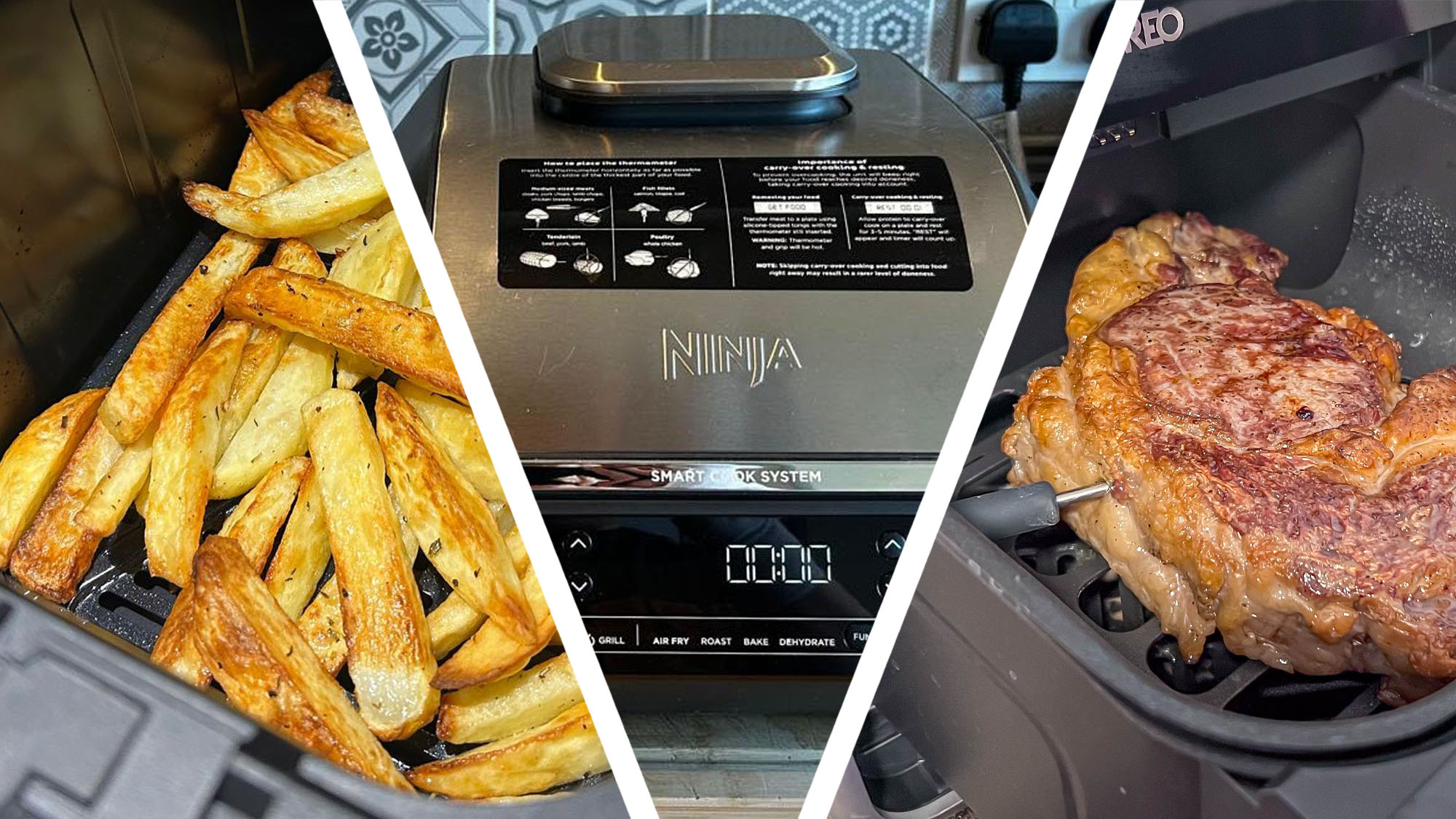
Credit: www.techradar.com
Frequently Asked Questions
Does An Air Fryer Make The Kitchen Hotter?
An air fryer emits some heat but usually less than conventional ovens. It circulates hot air efficiently, minimizing overall kitchen warmth.
How Much Heat Does An Air Fryer Release?
Air fryers release moderate heat during cooking. The heat is mostly contained inside, with small amounts vented out.
Can Using An Air Fryer Raise Kitchen Temperature?
Using an air fryer may slightly raise kitchen temperature, but it is less significant compared to ovens or stovetops.
Is An Air Fryer Better For Keeping Kitchens Cool?
Yes, air fryers generate less ambient heat, making them better for maintaining a cooler kitchen environment.
Conclusion
Air fryers do produce some heat while cooking. They use hot air to cook food quickly. This can warm the kitchen, but not as much as ovens. Small kitchens might feel the heat more. Good ventilation helps keep your space cool.
Air fryers stay cooler outside than ovens. They are a convenient option for quick meals. Use them without worry about overheating your kitchen. Simple habits keep your kitchen comfortable during cooking. Overall, air fryers add little heat compared to other appliances.